


Donald Trump’s name is back in headlines alongside Epstein, after newly released emails from Epstein’s estate revealed previously unseen conversations involving the U.S. president, Ghislaine Maxwell, and several high-profile political figures. The emails, which were shared with congressional investigators, have prompted new questions while reigniting old controversies. Although the White House dismissed the documents as meaningless, public and political interest has only intensified.
Below is a clear breakdown of what was released, what was alleged, and what happens next.
RELATED: Sex Trafficker Connected To Politicians & Trump Commits Suicide In Jail
Epstein Emails Shed New Light on Trump’s Past Connections
According to reporting from Politico, emails from Jeffrey Epstein’s estate include a 2019 message in which Jeffrey wrote to journalist Michael Wolff claiming that Trump knew about the young girls Epstein was trafficking. In that email, Epstein said Trump had asked him to resign from Mar-a-Lago, adding that Trump “knew about the girls” and had told Ghislaine Maxwell to “stop.”
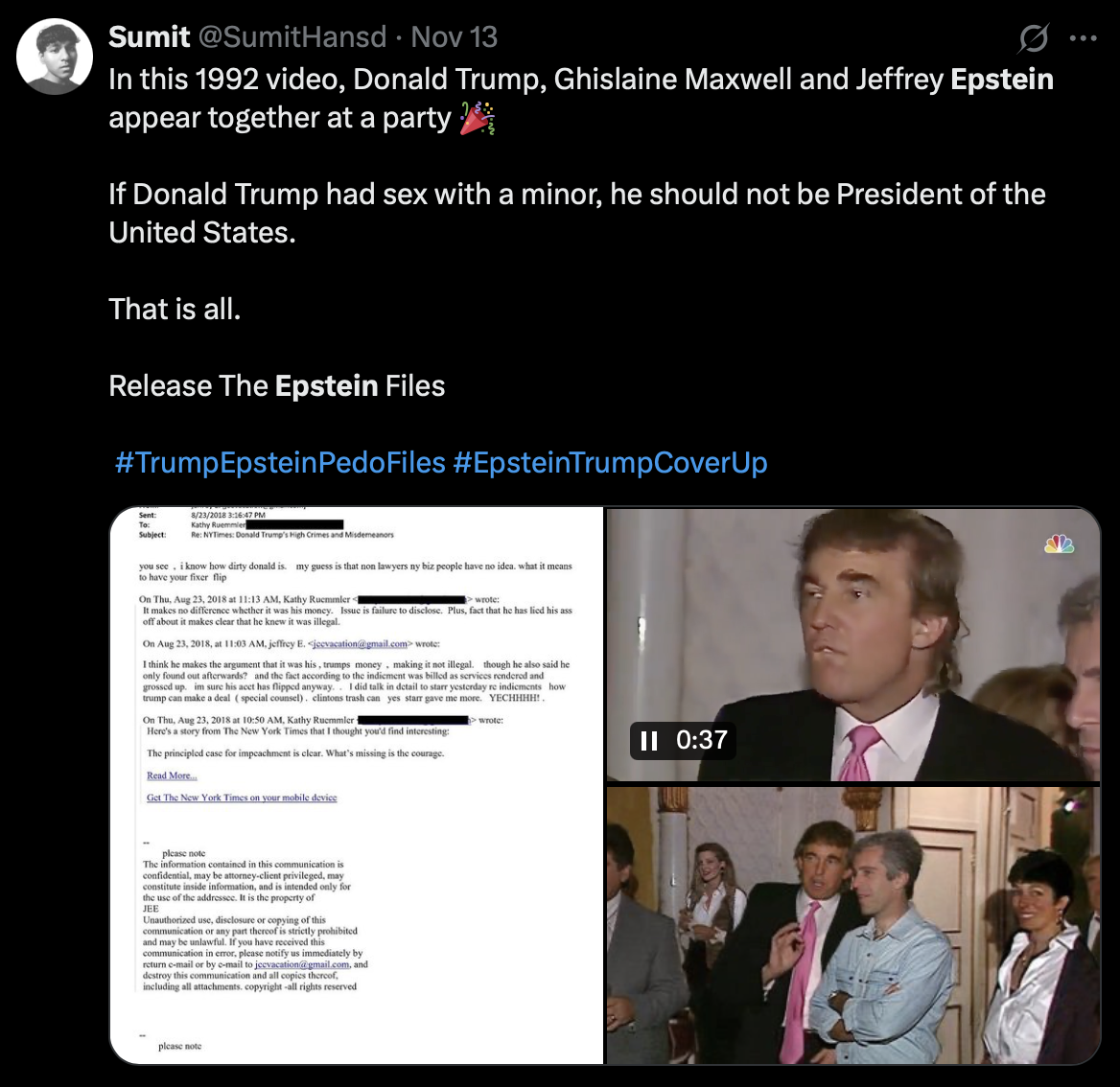
Another email from 2011 shows Epstein referring to Trump as a “dog that hasn’t barked.” In context, Epstein seemed to be suggesting that Trump avoided speaking publicly or to authorities about Epstein’s activities. In the same exchange, Epstein claimed that Trump spent “hours” with one of the girls at his house.
These comments do not include supporting evidence, but their release comes at a politically sensitive moment, making their contents especially scrutinized.
The Epstein Email Timeline: How the Scandal Unfolded
2011:
-
Epstein emails Maxwell referring to Trump as a “dog that hasn’t barked.”
-
He also claims Trump spent hours with one of Epstein’s victims at his home.
2018:
-
In another message later revealed in the emails, Epstein wrote, “I am the one able to take him down,” referencing Trump.
2019:
-
Epstein emails Wolff stating that Trump knew about the girls and that Maxwell was asked to stop.
2023–2024:
-
Maxwell is moved to a lower-security facility. Reports claim she is “much happier,” receives personally delivered meals, and even allegedly has access to a puppy. She denies Trump had any involvement in Epstein’s crimes and is seeking a presidential pardon.
Early 2025:
-
Epstein’s estate releases more than 20,000 documents to congressional investigators on an Oversight panel.
-
Politico publishes findings from emails referencing Trump.
-
The White House calls the revelations a “fake narrative.”
-
A House vote is scheduled on whether to force the Department of Justice to release further Epstein-related records.
-
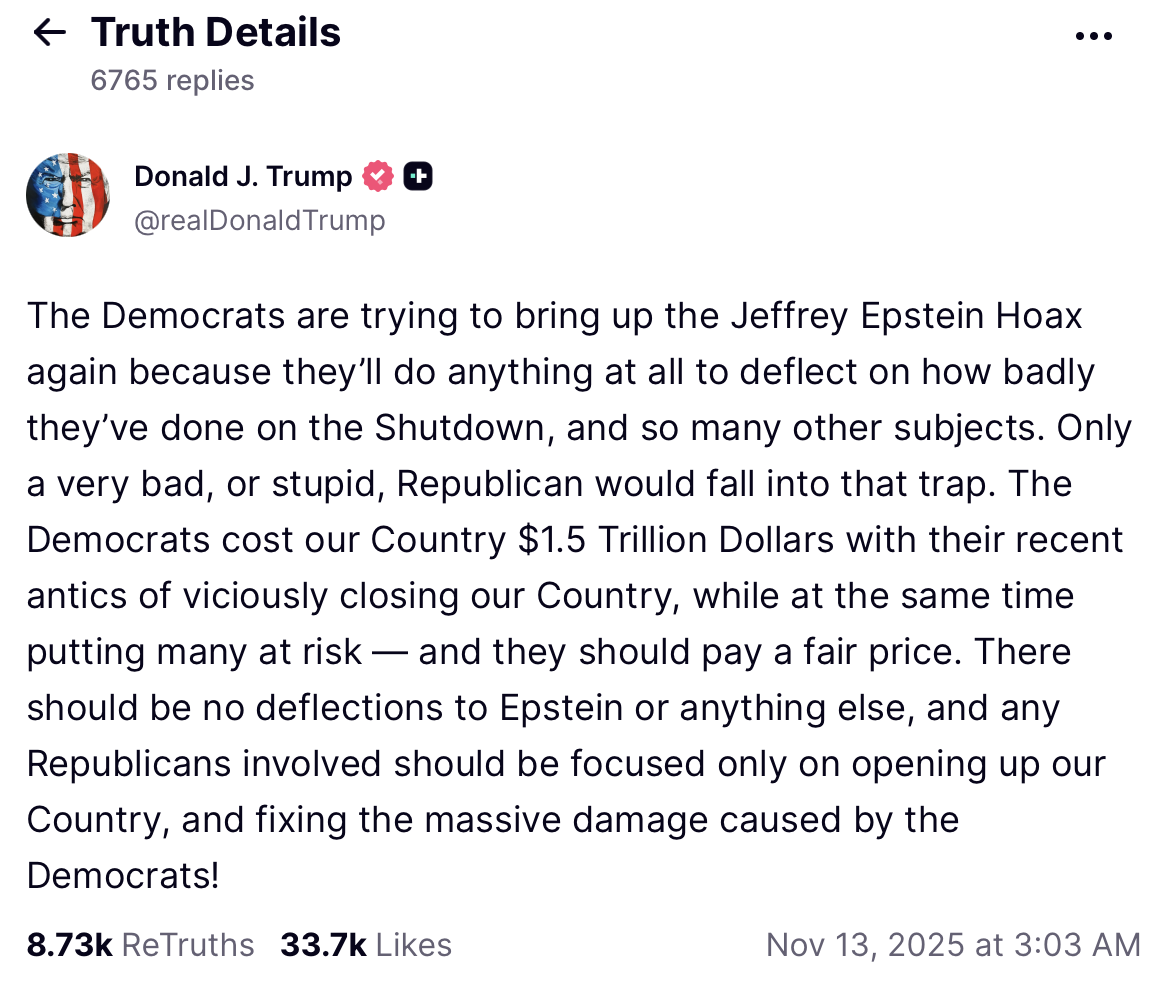
Trump responds on Truth Social, calling the controversy a “hoax” and accusing Democrats of using it to distract from the ongoing government shutdown.
White House Responds to Email Allegations
Deputy press secretary Abigail Jackson told the BBC that the emails “prove literally nothing.” The administration argues that the documents show no wrongdoing by Trump and do not change the known history of the former president’s past social ties to Epstein.
Trump’s team also pointed to Virginia Giuffre, the unnamed victim referenced in some correspondence. According to the White House, Giuffre has said multiple times that Trump was not involved in Epstein’s crimes and was “friendly” during their limited interactions.
How the Emails Became a Political Flashpoint
As the United States experiences a prolonged government shutdown, the release of the documents has been quickly folded into broader political tensions. Trump claims that Democrats “selectively leaked” the emails to discredit him at a vulnerable moment for the administration.
On Truth Social, he wrote that Democrats were using the “Jeffrey Epstein Hoax” as a distraction from the shutdown and accused them of causing “massive damage” to the country.
Republican lawmakers appear divided. Some want to focus solely on the shutdown, while others support a full release of scandal-related materials to “clear the air.”
With Congress set to vote next week on forcing more disclosures, the political fallout is likely far from over.
Why the Epstein Case Continues to Resurface
Despite Epstein’s death in 2019, interest in the case persists because of its connections to influential figures in politics, business, and entertainment. Each new document release invites renewed debate about accountability, transparency, and institutional responsibility.

For investigators, journalists, and the public, the newly revealed emails pose ongoing questions: What did Trump know, and when? Why did Jeffrey believe he could “take down” Trump? Will additional files provide clarity or more confusion? How much influence did Maxwell still hold in Epstein’s operations?
As with many high-profile cases, the absence of clear conclusions ensures that the story will continue unfolding in the months ahead.
Congress Prepares to Vote on Releasing More Epstein Files
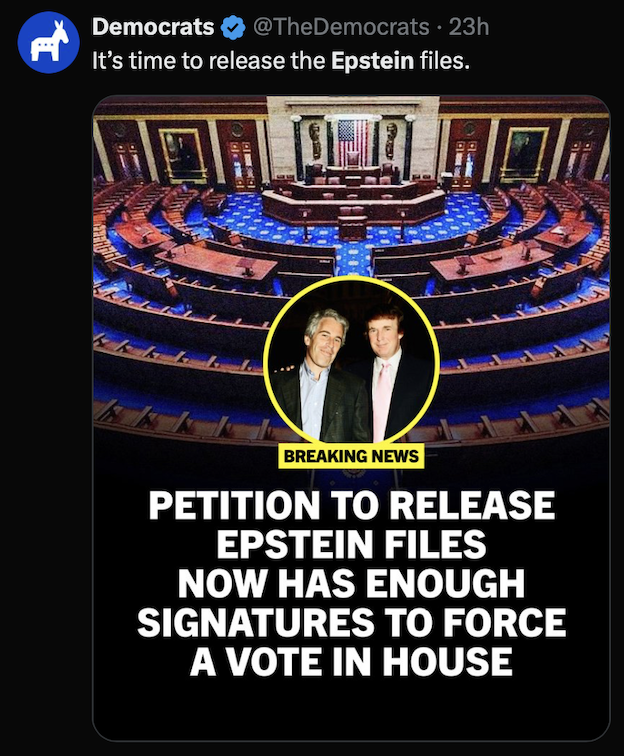
One of the most significant next steps is the House vote to determine whether the Justice Department must release more Epstein-related records. If passed, more emails, call logs, and documents could become public, potentially expanding the scope of what has already been uncovered.
Whether these documents change public opinion or political dynamics remains to be seen, but they will almost certainly keep the Epstein case in the national conversation.