


For many queer people, Grindr isn’t just a dating app—it’s a social lifeline, a community hub, and sometimes the safest place to be visible. That’s why new allegations involving Grindr, TikTok, and behind-the-scenes data tracking have sent ripples of concern across LGBTQ+ communities in Europe and beyond.
At the center of the controversy is a claim that user data tied to Grindr activity may have been accessed by TikTok through a third-party analytics service—raising urgent questions about consent, transparency, and how safely queer data is being handled online.
RELATED: Find Out Where the Most Tops and Bottoms Are Around The World
Who Is Raising the Alarm?
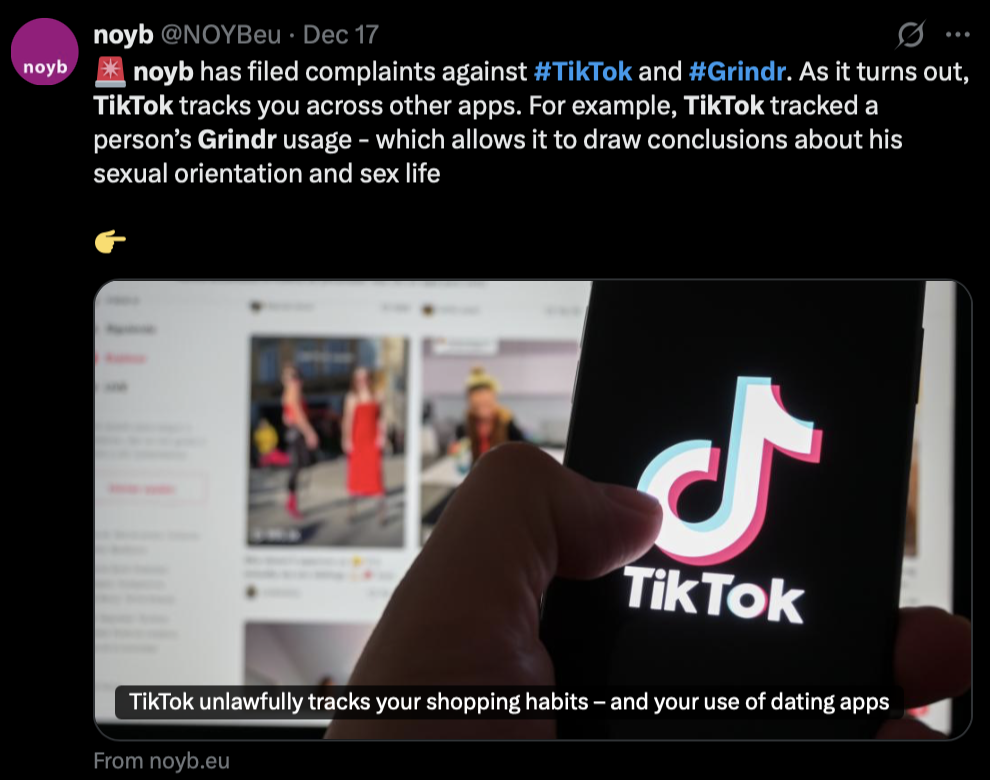
The complaints were filed by None of Your Business, better known as noyb, a Vienna-based digital rights organization that has built a reputation for taking major tech companies to task over privacy violations.
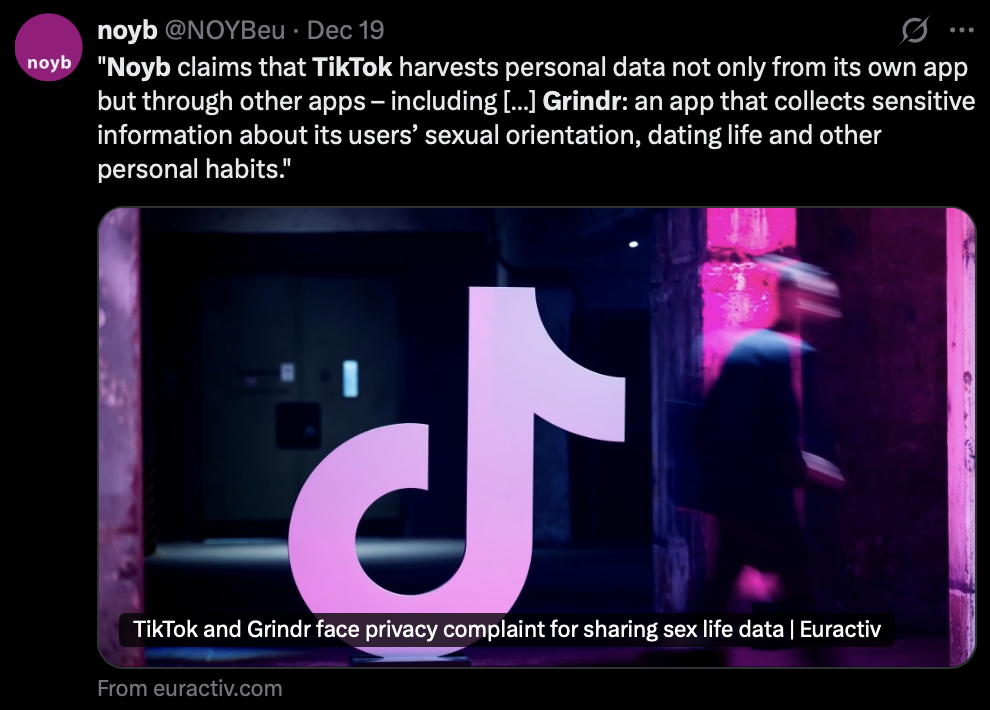
Noyb submitted formal complaints to Austria’s data protection authority against Grindr, TikTok, and AppsFlyer, alleging that the companies violated Europe’s strict data privacy rules by allowing cross-app tracking without proper user consent.
According to the group, this tracking allowed TikTok to gain insight into user activity on Grindr—an allegation that immediately raises red flags given the highly sensitive nature of LGBTQ+ data.
Why Grindr Data Is Different
Under the EU’s General Data Protection Regulation (GDPR), data that could reveal a person’s sexual orientation is considered special category information. That means it’s subject to far stricter protections than ordinary browsing habits or shopping preferences.
Privacy advocates argue this distinction exists for a reason. In many parts of the world, being openly queer still carries real risks—from harassment and discrimination to violence. Even in more accepting societies, the misuse of sexuality-related data can cause harm, outing users without their consent or exposing them to targeted abuse.
That’s why allegations involving Grindr carry extra weight: what’s being discussed isn’t just data, but identity.
How the Alleged Tracking Came to Light
The case reportedly began with a data-access request from a user who wanted to see what information TikTok held about them. What they found was surprising. Alongside expected data, TikTok allegedly had records indicating the user’s activity across multiple apps, including Grindr.
NOYB claims that TikTok only disclosed this information after repeated follow-ups, raising concerns about whether companies are meeting GDPR’s transparency requirements. The group alleges the data may have been used for advertising, analytics, or security-related purposes—uses that require explicit legal justification when sensitive data is involved.
AppsFlyer’s Role Behind the Scenes
Much of the scrutiny has also landed on AppsFlyer, a company that specializes in tracking app installs and user behavior for marketing purposes. Noyb argues that AppsFlyer acted as a bridge between Grindr and TikTok, facilitating the transfer of data without a valid legal basis.
If regulators agree, this could set an important precedent—not just for dating apps, but for the entire mobile advertising ecosystem that quietly connects platforms behind the scenes.
Grindr and a History of Privacy Questions
This isn’t the first time Grindr has faced privacy criticism. The app is currently dealing with legal action in the UK related to past allegations that user HIV status was shared with third parties without consent. While that case is separate, it has reinforced concerns among LGBTQ+ advocates about how dating apps manage deeply personal information.
For users, the pattern is troubling. Dating apps thrive on trust, and once that trust is shaken, it’s hard to restore.
What Happens Next?
The case now sits with Austrian regulators, who will decide whether to open a formal investigation. If violations of GDPR are confirmed, the penalties could be severe—fines can reach up to four percent of a company’s global annual revenue.
More importantly, the outcome could reshape how Grindr and similar platforms handle data going forward. For queer users across Europe, the stakes are high. This isn’t just about compliance—it’s about safety, dignity, and the right to exist online without being quietly monitored.
As LGBTQ+ people continue carving out space in digital worlds, one thing is clear: what happens on Grindr should stay on Grindr—unless users explicitly say otherwise.
REFERENCE: NOYB
The constant ads on this app make me want to unalive myself. Cant breath without an ad. Worst app ever.
Grindr looks like a used car lot these days with all the flashing banners and ads. And what is on the lot isn’t all that desirable sadly.
Tip: When an ad pops up close the app right away. Reopen until the next ad pops up. Let their metrics see you are not staying on the platform which is what they want.
This is no surprise. The Grindr app is already crappy. They need to find qualified programmers to fix it. Whoever owns the app is making tons of money. The ads take over and in some cases you can’t get rid of them. Messaging is slow and it frequently goes down.