


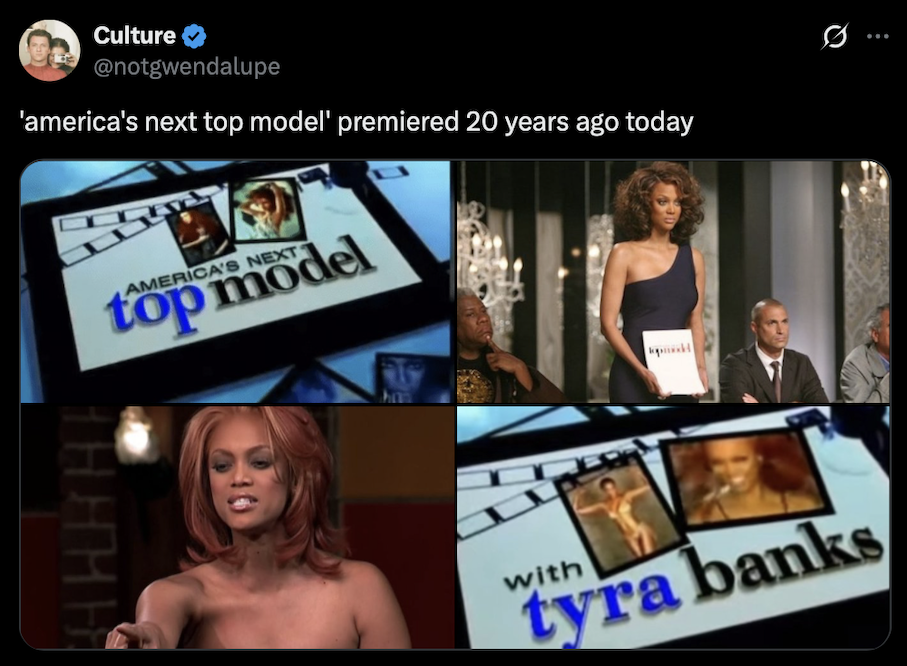
For a generation of LGBTQ viewers, ANTM wasn’t just a reality competition—it was cultural survival. It was camp before TikTok named it. It was queer-coded drama, exaggerated emotion, and the fantasy that someone who didn’t quite fit the mold could still become the model. But behind the runway walks and smize tutorials, ANTM also trafficked in discomfort, humiliation, and power plays that feel increasingly impossible to ignore.
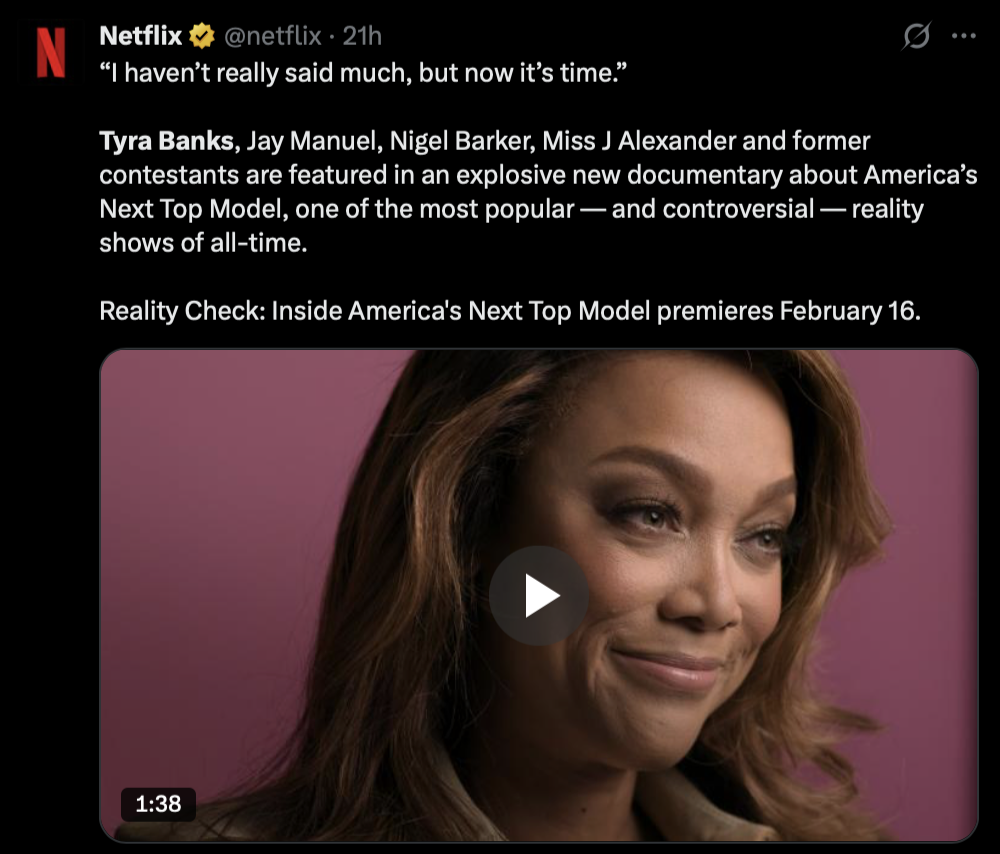
Netflix’s upcoming docuseries Reality Check: Inside America’s Next Top Model arrives at exactly the right time. As social media continues to recontextualize early-2000s television, ANTM has become a flashpoint—beloved and condemned in equal measure. The three-part documentary doesn’t attempt to cancel the franchise, but it does ask whether the price of entertainment was far higher than anyone admitted at the time.
RELATED: The deaf model and actor gives an update on his current status with Tyra Banks
Tyra Banks Returns — and Owns Some of It
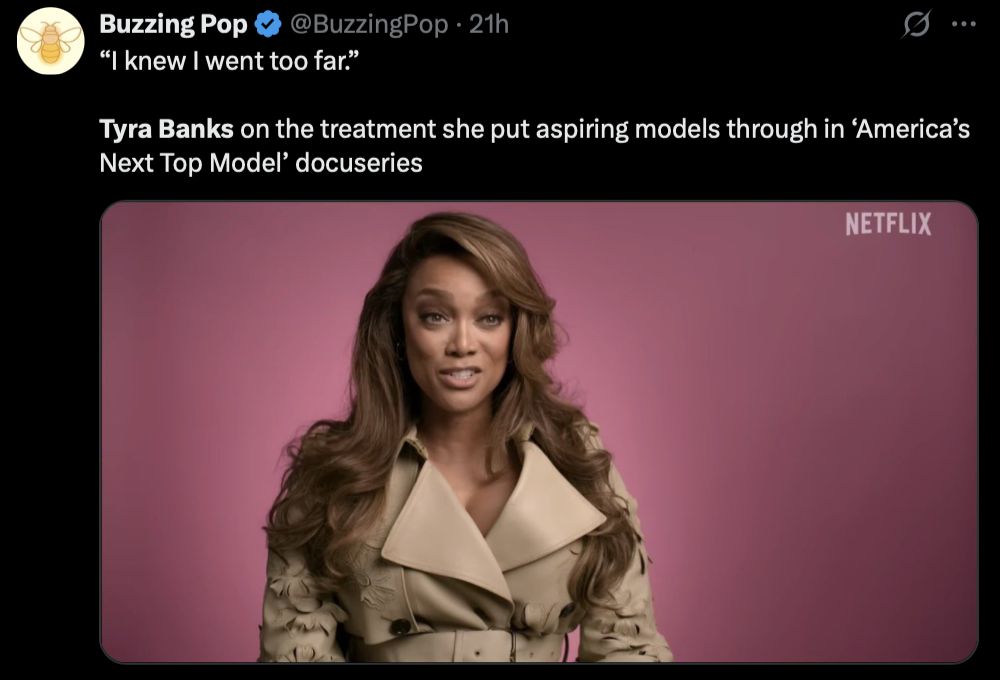
Perhaps the most headline-grabbing element of Reality Check is Tyra Banks’ direct participation. As the face, voice, and authority behind ANTM, Banks appears onscreen acknowledging that the show frequently pushed contestants beyond reasonable limits. She reflects on how viewer appetite for drama and intensity created a feedback loop where each season had to be more shocking than the last.
will always remind people how tyra banks consistently advocated / defended the plus sized models yet people have tried to rewrite history to say she “body shamed women” when that never happened pic.twitter.com/b8qUPjLPe7 https://t.co/ChphGdqcR3
— zachariah (@airtightangelic) January 26, 2026
At the same time, Banks strongly defends ANTM’s original mission: breaking open a fashion industry that systematically excluded models who were plus-size, nonwhite, disabled, trans, or otherwise deemed “unmarketable.” For queer viewers, this duality feels familiar—ANTM offered representation long before it was fashionable, yet often failed to protect the very people it elevated.
“It Wasn’t Just TV—It Was Our Lives”
The emotional core of Reality Check belongs to the former contestants who remind viewers that ANTM wasn’t a character arc—it was real life. Cycle 6 winner Danielle Evans speaks candidly about how the experience permanently shaped her, emphasizing that what audiences consumed as entertainment often came at a deep personal cost.
ANTM Cycle 6 winner, Dani Evans photographed in Roberto Cavalli Fall 2000 by Richard Reinsdorf for the “Ice Princesses in a Magazine” photoshoot (2006) pic.twitter.com/cXomVSURi5
— Harlem Girl From The Block (@mahogany_mamii) March 4, 2025
The series revisits moments that have since gone viral for all the wrong reasons: racially insensitive photo concepts, harsh critiques framed as mentorship, and creative challenges that blurred ethical boundaries. Former contestant Jennifer An has previously described feeling blindsided during a shoot involving body paint meant to alter racial appearance—an incident that continues to haunt discussions of ANTM’s legacy.
These reflections strip away the glossy edit and replace it with something rawer, more human, and harder to dismiss.
The ANTM Icons Who Speak Their Truth
One of the documentary’s strengths is its lineup of unforgettable ANTM alumni. Among those featured are Danielle Evans (Cycle 6), Whitney Thompson (Cycle 10), Keenyah Hill (Cycle 4), Giselle Samson (Cycle 1).
@user684181214859 Pendulum Challenge: Who Will Dodge It, and Who Will Get Knocked Off?#antm #throwbackshows #usa#americasnexttopmodel #throwbackrealitytv
The docuseries also brings back judges and creatives Nigel Barker, Jay Manuel, and Miss J. Alexander, whose commentary sheds light on behind-the-scenes tensions, creative conflicts, and the eventual breakdown of ANTM’s original “family” dynamic.
How Honest Can an ANTM Doc Really Be?
The unavoidable question remains: how far can Reality Check really go when Tyra Banks is part of the narrative?
The answer seems to be: far, but not all the way. Banks’ presence allows for reflection and acknowledgment, but it also places a ceiling on accountability. While the documentary doesn’t shy away from pain or criticism, it often frames harm as the byproduct of ambition, ignorance, or industry pressure rather than systemic exploitation.
For LGBTQ audiences accustomed to partial reckonings, this may feel familiar—but it’s still meaningful progress. Former ANTM contestants are finally centered, and their stories are treated with gravity rather than spectacle.
@theehausofmeme Tyra Banks MEME reaction video: ““There is no photo because you don’t deserve a photo!” America’s Next Top Model contestant Lennox Cycle 21 #tyrabanks #antm #meme #memes #topmodel #supermodel #supermodels #americasnexttopmodel
Why ANTM Still Matters to Queer Culture
ANTM shaped how many queer viewers understood beauty, ambition, and belonging. It made space for difference—sometimes clumsily, sometimes courageously. Reality Check doesn’t ask us to forget the joy the show brought; it asks us to reckon with the harm alongside it.
In revisiting ANTM through a modern lens, the docuseries raises a larger question: what happens when representation comes before accountability? And how do we honor cultural milestones without excusing their damage?
Netflix announces the docuseries for ‘America’s Next Top Model’, exploring behind-the-scenes and exposing ‘f**ked-up’ scandals.
Premiering February 16.
— Buzzing Pop (@BuzzingPop) January 26, 2026
Reality Check: Inside America’s Next Top Model premieres February 16 on Netflix. Watch with nostalgia, nuance, and a well-trained side-eye.
REFERENCE: Entertainment Weekly
HATE ME SOME TYRA!