


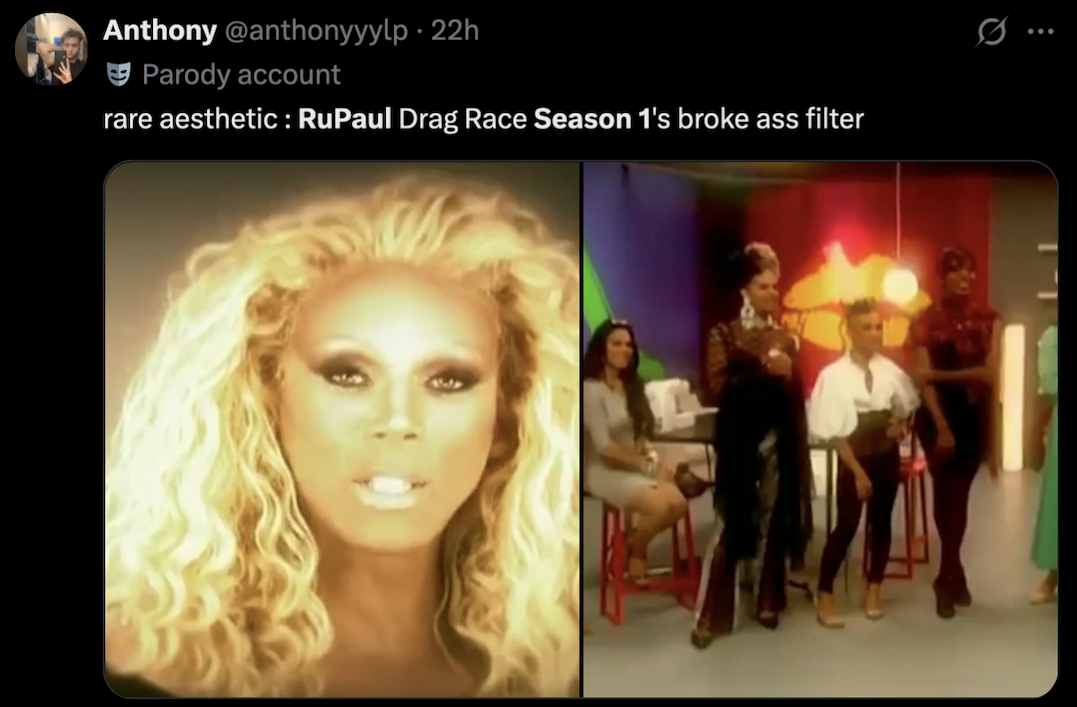
RuPaul’s Drag Race premiered seventeen years ago, and honestly—how? One minute we were squinting through Vaseline-soft focus on Logo, watching queens glue down lashes in what looked like a storage room, and the next we’re living in a world where RuPaul is an Emmy juggernaut and drag is a global industry. Time flies when you’re serving nerve.
On February 2, 2009, RuPaul introduced America to a little competition series with a big dream: find “America’s Next Drag Superstar.” What we didn’t know then was that Drag Race would become a cultural reset, a queer institution, and for many LGBTQ viewers, a lifeline. But before the franchise, the catchphrases, and the worldwide tours, there was Season One—scrappy, low-budget, and now lovingly remembered as The Lost Season.
Back When the Prize Was Modest—but the Stakes Were Everything
Season One of RuPaul’s Drag Race was filmed in the summer of 2008 and aired on Logo, running just under two months until its finale on March 23, 2009. Nine contestants entered the workroom, competing not just for a crown, but for visibility at a time when drag was still very much niche television.
Cover Girl, Put the Bass in Your Walk
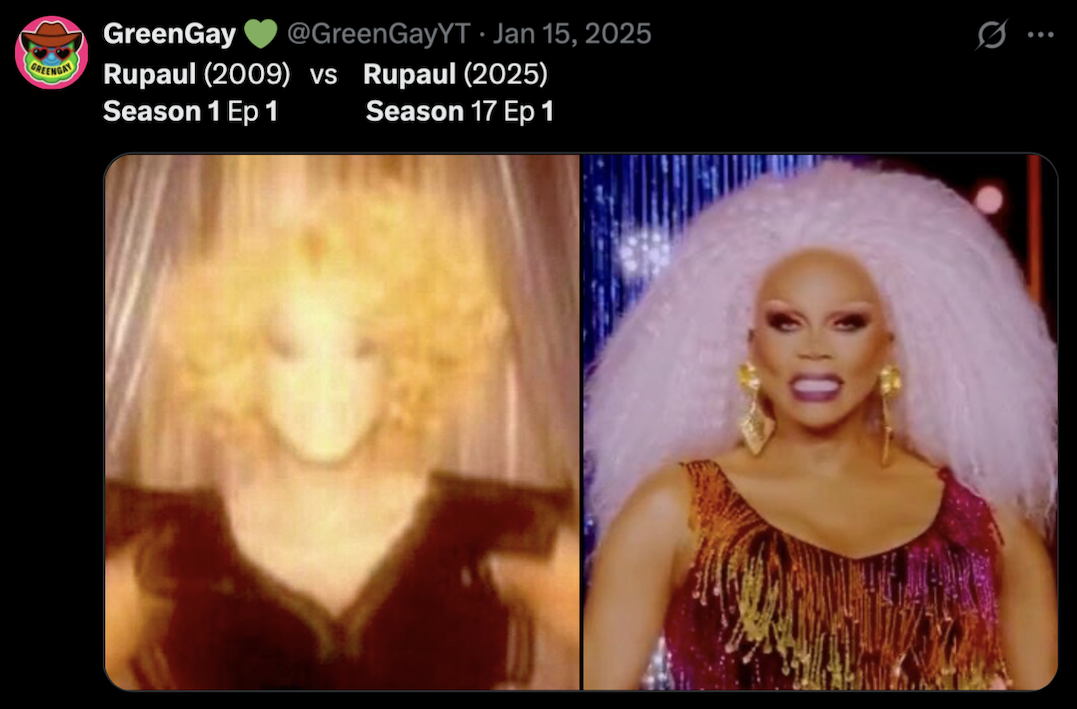
If you remember one thing from Season One—besides the Vaseline filter—it’s the music. Every runway strut was soundtracked by Cover Girl from RuPaul’s Champion album, a song that still hits like muscle memory for longtime fans.
This was also the season that did not have Snatch Game. Yes, kids, there was a time before celebrity impersonations ruled the Drag Race discourse. Season One (and the first All Stars) stand alone without the now-iconic challenge, giving us a Drag Race that felt more like a raw talent showcase than a fully formed machine.
Vintage Katya gives her opinion on the cast of Rupaul’s Drag Race Season 1 (2009) pic.twitter.com/YG4BgDRe1Z
— GreenGay 💚 (@GreenGayYT) January 11, 2026
BeBe, Nina, and the Birth of Drag Royalty
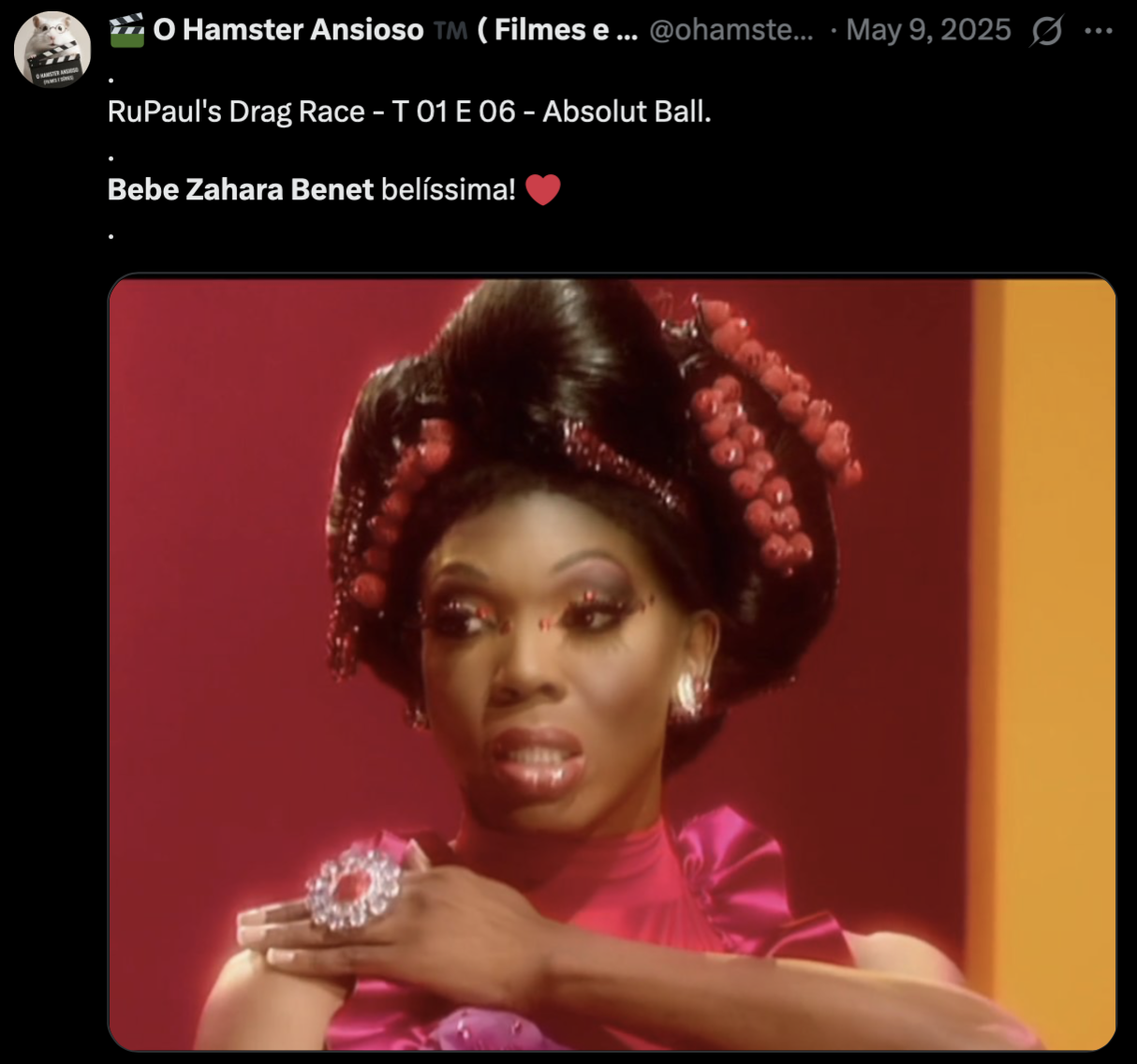
When the dust settled, BeBe Zahara Benet was crowned the first-ever winner of RuPaul’s Drag Race, delivering elegance, confidence, and quiet power. DJ Nina Flowers finished as runner-up, beloved for her androgynous style and club-kid energy.
Together, they set the blueprint: drag didn’t have to look one way. It could be regal or punk, soft or sharp, polished or experimental. That freedom—more than the crown—was the real prize.
The Season That Almost Slipped Through the Cracks
By 2013, Drag Race had already evolved, and Logo re-aired the inaugural season under a new name: RuPaul’s Drag Race: The Lost Season, complete with commentary from RuPaul himself. It was a moment of reflection, a chance to acknowledge just how far the show—and queer representation—had come.
What once felt niche suddenly felt historic.
From Cult Favorite to Cultural Powerhouse
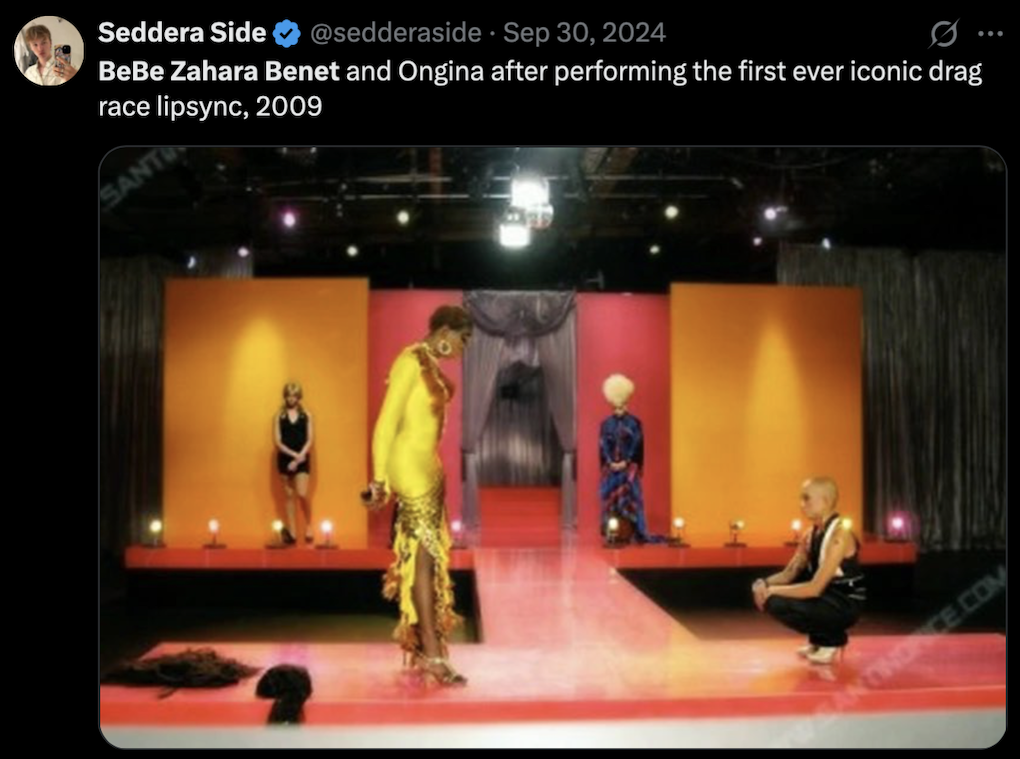
Since that first season, RuPaul’s Drag Race has exploded into a sprawling franchise with 18 seasons, multiple spin-offs, and international editions across the globe. From All Stars to Untucked, from Drag U to Global All Stars, the Drag Race universe now feels infinite.
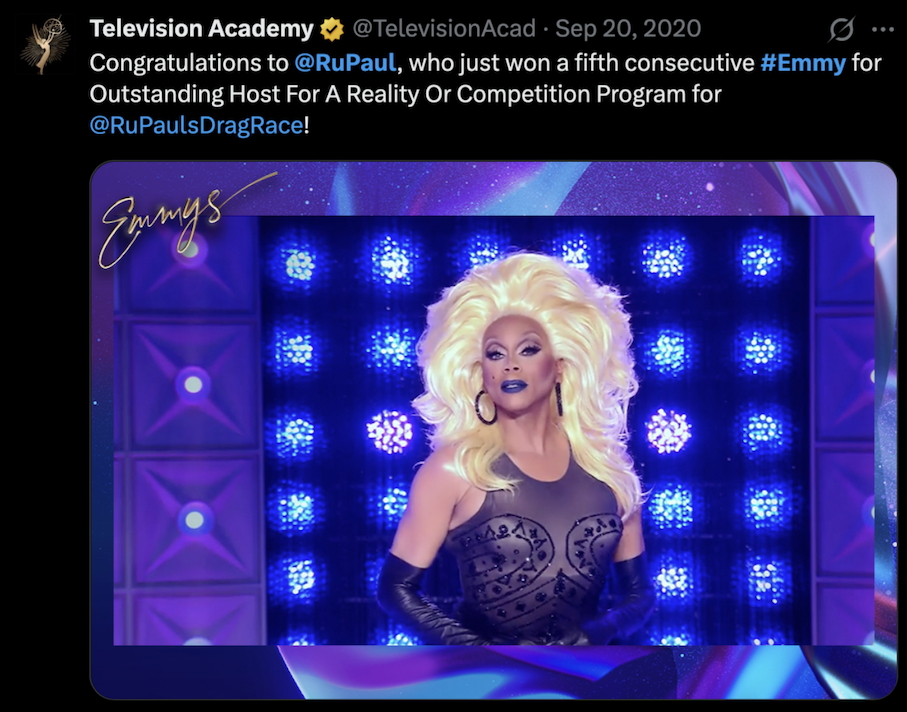
RuPaul himself has earned eight consecutive Emmy Awards for Outstanding Host and helped Drag Race secure multiple wins for Outstanding Reality-Competition Program, plus GLAAD Media Awards recognition. What began as a modest Logo experiment became one of the most decorated reality franchises in television history.
Full Glam Goes Full Throttle: Drag Race Hits the Big Screen
And now—because escalation is the Drag Race way—the franchise is heading to cinemas. STOP! THAT! TRAIN! marks the first-ever feature film connected to the RuPaul’s Drag Race universe, promising high camp, action-comedy chaos, and drag spectacle on a scale we’ve never seen before.
Directed by Adam Shankman (Hairspray, So You Think You Can Dance), the film wrapped production in Los Angeles and is set for a theatrical North American release on May 29, 2026 via Bleecker Street. Glitter, stunts, comedy, and unapologetic queerness—drag energy, officially off the rails.
RELATED: Drag Race Cinematic Era Begins With “STOP! THAT! TRAIN!
Why Season One Still Matters
Looking back seventeen years later, Season One of RuPaul’s Drag Race feels almost tender. It was before the polish, before the pressure, before drag became mainstream conversation. It was a show made by queer people, for queer people, at a time when that visibility was still hard-won.
The queens didn’t know they were starting a legacy. They were just trying to survive the competition—and in doing so, they changed television forever.
So here’s to the lost season. The soft-focus beginning. The moment RuPaul invited the world to sashay closer—and never look back.