


We all know life’s a bit of a rollercoaster, but a new study by the Office for National Statistics (ONS) has thrown a bit of a curveball into the mix: LGBT+ folks have a shorter life expectancy than our straight counterparts. Now, before you start packing your bags for the afterlife, let’s break it down, add a little sparkle (the good kind) and see what this all means. Spoiler alert: it’s not all doom and gloom.
RELATED: ‘Greater Than’: Saving Kids or Starting a War on Same-Sex Families?
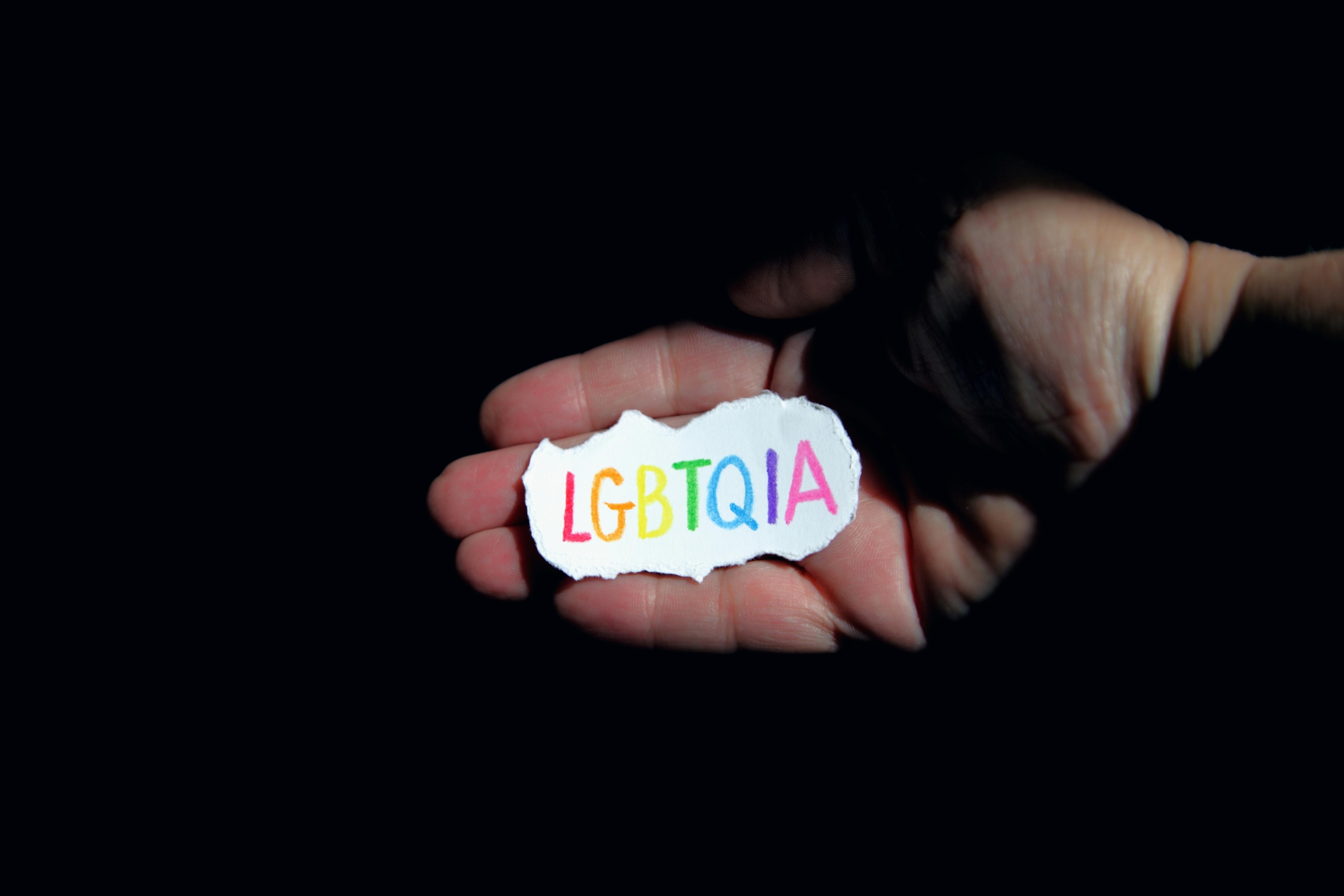
The Study Numbers: Not Exactly a Heartbreaker, But Close
According to the ONS study, men identifying as LGBT+ can expect to live 1.2 years less than their straight counterparts, while LGBT+ women have a life expectancy 0.9 years shorter than straight women. So, while we’re not looking at any major mortality gaps, it’s a reminder that, even in 2026, we still have a few hurdles to jump.
RELATED: Best Gay Chat & Video Chat Sites to Connect
For those with a keen interest in stats (or maybe just a love for solving mysteries), here’s the breakdown:
- Gay and lesbian men: 59.3 years
- Bisexual men: 59.6 years
- Straight men: 60.7 years
- Gay and lesbian women: 62.8 years
- Bisexual women: 62.9 years
- Straight women: 64.0 years
It’s not exactly a disaster, but it’s enough to raise an eyebrow, right?
What’s Behind These Gaps? It’s Complicated
The ONS, ever the cautious researcher, wasn’t quick to blame sexual orientation for these discrepancies. “Life expectancy can be impacted by a range of factors,” said Greg Ceely, Head of Population Life Events at the ONS. No kidding, Greg—try adding discrimination, mental health battles, or even the sheer exhaustion of constantly fighting for equality into the mix.
The study was based on data from the 2021 census, where respondents could disclose their sexual orientation for the first time. The analysis linked responses to death registrations from the following three years, which made it possible to calculate life expectancy for LGBT+ folks. While the study is groundbreaking (and trust us, it’s a big deal), it didn’t try to pinpoint why LGBT+ folks might be living a little less than their straight counterparts.
So, Should We Be Freaking Out?
Nope, but we should be paying attention. The study has pointed out a pattern, but it’s far from telling us everything. Life expectancy isn’t just about how long you live; it’s about all the factors that contribute to how you live. This study highlights those factors but leaves us with a lot of questions about what we can do to change the outcome. And for a lot of us, living authentically in a world that isn’t always kind can take a toll on mental health, access to care, and social support systems.
What’s Next for Our Community? More Than Just the Stats
Let’s be real: no one’s life expectancy should be reduced because of their sexual orientation. That’s the takeaway here. The numbers might be a little sobering, but what we can really do is push for a world that ensures equality, access to mental health resources, and overall well-being for everyone, no matter who they love.
So, while these findings are a reminder that we still have a lot to fight for, they also offer an opportunity to take action. If we want to live longer (and better) lives, it’s time to create a world where every LGBTQ+ person has the support, resources, and respect they deserve. More visibility, more action, more love—it’s all part of the recipe for a longer, more fabulous life.
In Conclusion: Life’s Short, But We’re Still Fabulous
In the end, these findings don’t define us—they just point to the areas where we can improve. We may have a slightly shorter life expectancy on paper, but that doesn’t mean we won’t live it to the fullest. Whether it’s partying with our chosen family, showing up for each other, or pushing for change, we’re here to prove that living well—and living longer—is something worth striving for. And honestly, if we can turn this into a call for equality and action, we might just add a few years to the clock in the process.
Now go ahead, live your best life. We deserve it.
Source: The Standard
Everyone should be concerned since the highest average life expectancy on the list is 64 years. Full social security retirement age is now around 68 years old, and it is moving toward 70.
These are too short. Actual life expectancy in the US is closer to 75 or so. These statistics must be life years remaining given someone lives to a certain age.
In the UK (2022-2024), life expectancy at birth is around 83.0 years for females and 79.1 years for males. – – Key Figures (2022-2024) ONS
Having a little more fun in life than traditional lives may take a year or so but it also creates amazing and fun memories!
I wonder if the excess use of alcohol, drug use, and living a careless lifestyle contributes to the shortness of these individuals.
Perhaps people should drink less, lay off the drugs and casual sex, and find a lifetime partner. We have been together for 43 years, have never had extra circular activities, no drugs, and don’t drink. Both of us have already surpassed the expected life expectancy listed in the article. It isn’t always easy, but it is better than being lonely and looking for another hook-up after another hook-up to try to make you happy.
well arent you perfect!
Sex-shaming is not helpful. There is nothing “careless” about casual sex. Get with modern times. PreP completely eliminates the fear of HIV, and the use of DoxyPep drastically reduces the instances of STIs. In fact, I have had zero STIs after the last 2,600 men. Yes, I keep it to mostly just THC and Red Bull, and have been very happily married for 32 years. That happiness is due in large measure for having been 100% open, and guilt-free for that entire time.