


If there’s one thing we know about true crime, it’s that it thrives in complexity—and “Murder in Glitterball City” takes that complexity to a whole new level. This is not your run-of-the-mill mystery with clear-cut heroes and villains. No, this documentary dives deep into the he-said-he-said story of a murder that rattled Old Louisville, featuring a gay couple whose tale is as gory as it is fascinating. This is queer true crime, and it’s messy, raw, and unapologetically real.
RELATED: Grindr Trap: Are Gay Dating Apps Safe or Still Predators’ Playground?
A Tale of Two Worlds Colliding
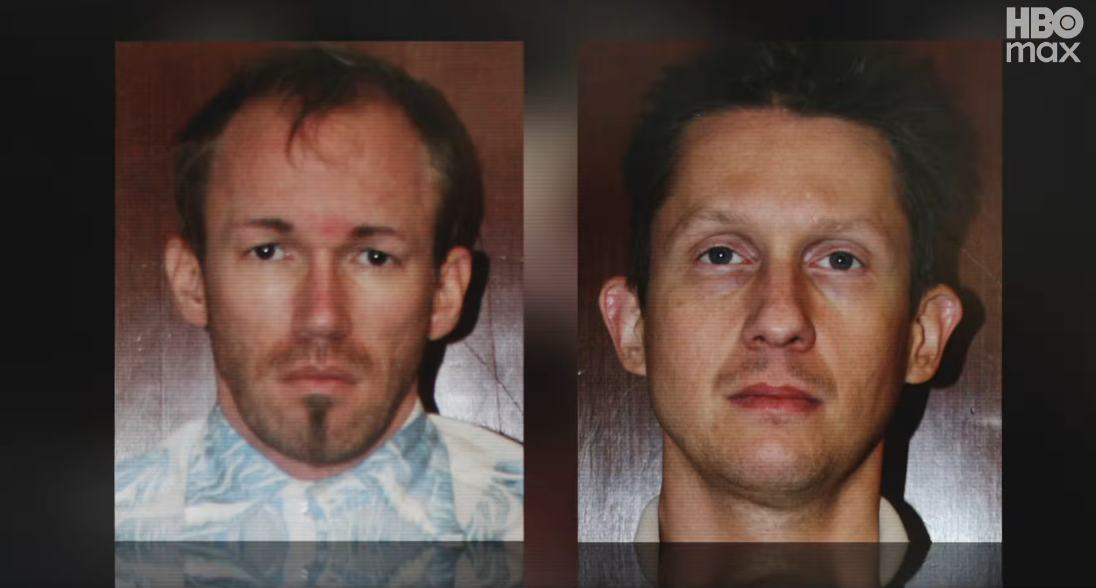
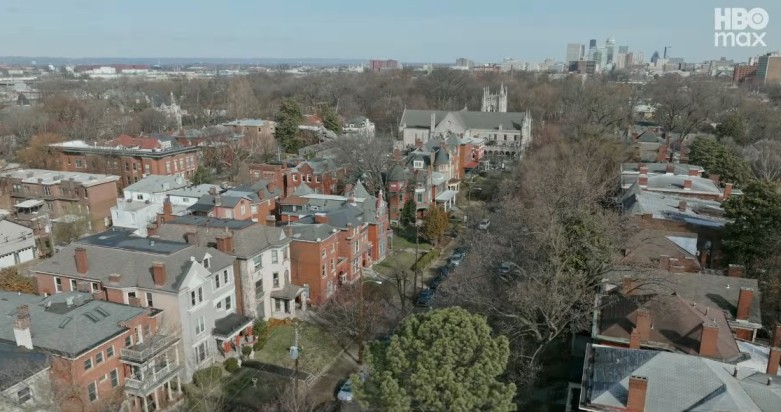
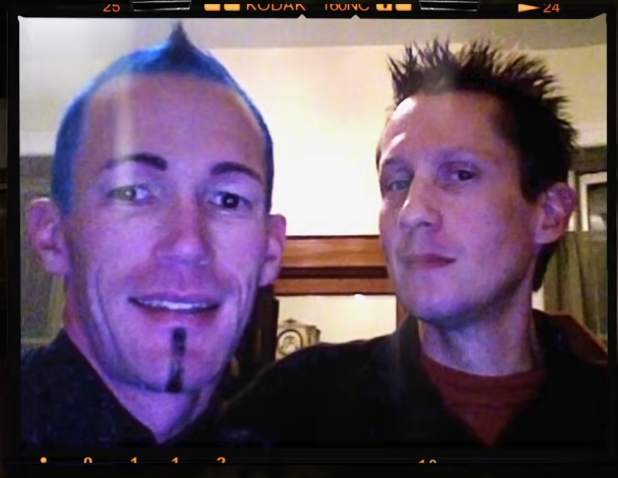
At the heart of the story are Jeffrey Mundt and Joey Banis, whose contrasting lives couldn’t have been more different. Mundt, a preppy IT consultant who occasionally donned a fake British accent to sound more sophisticated (cue the sociopath alarm), and Banis, a tattooed bartender with a penchant for cyberpunk aesthetics, met on the gay dating site Adam4Adam. They bonded over BDSM and moved into a run-down Victorian mansion, aiming to restore it to its former glory. Initially, they seemed like an affectionate couple, playing with their cats and rocking out to Kylie Minogue’s Impossible Princess. But beneath the surface of domestic bliss, things were much darker.
RELATED: Grindr Date Turns Deadly: Was It Murder or Just Kink Gone Too Far?
The murder of Jamie Carroll, a 46-year-old hairdresser, set the stage for a trial that would hit every true-crime bingo square imaginable: meth-fueled group sex, intense BDSM, pathological lies, and a body left to rot in a basement. Yet, it’s the murky details of what really happened that make this case so compelling. And that’s what Murder in Glitterball City captures so well.
A Queer Story with No Easy Answers
What makes this documentary stand out is its refusal to provide easy answers. Directors Fenton Bailey and Randy Barbato, the dynamic duo behind RuPaul’s Drag Race and Party Monster, are drawn to complicated, messy stories—especially when it comes to queer lives that others have written off or judged. As Barbato puts it, “We’re drawn to complicated stories or unlikely heroes.”
The story of Mundt and Banis is just that—a Rubik’s cube of contradiction. As they each tell their version of events, the viewer is left in a limbo, unsure of whom to trust. Murder? Maybe. But there’s a lot more going on here than a simple crime. This is about addiction, violence, love, and betrayal, all wrapped up in a neon-lit, glittering mess.
Life, Not as Black and White, But as Glitterball
Bailey and Barbato’s approach to storytelling is about capturing the confusing, dazzling versions of reality. “The idea of a single beam of light hitting a disco ball and producing all of these confusing, dazzling versions…” Bailey explains. “That’s what we should be capturing about this story.” And that’s exactly what they do.
The film doesn’t sanitize the more sordid details of their lives, nor does it demonize them. Instead, it shows them in their full, gritty complexity. “Inflicting consensual pain on your lover in the bedroom doesn’t add up to picking up a gun,” Bailey explains, a nod to the film’s unflinching honesty about the often controversial intersections of gay life—addiction, sex, and violence.
Messy, Raw, and Necessary
As much as we all love a tidy narrative, the reality of queer life—like life in general—is much messier. And at a time when queer representation in media is under attack, Murder in Glitterball City offers a refreshing reminder that queer people, too, are allowed to be complicated. Not saints, not sinners, just real. “The refusal to honor that reality is a way of refusing to see us,” says Bailey, making it clear that the story is as much about the messy realities of queer life as it is about the crime itself.
In a politically polarized world where nuance is often sacrificed for simplification, this documentary is a reminder that we’re all complex, multifaceted people—and our stories deserve to be told with that same complexity.
Conclusion: A Murder Mystery, Queer Style
Murder in Glitterball City airs on HBO on February 19 and will soon be available on HBO Max, ready to pull you into a world of chaos, lies, and glitter. It’s a queer true crime story that won’t leave you with easy answers, but it will leave you thinking—and questioning—everything you thought you knew. Because in the end, this isn’t just about a murder—it’s about what it means to be human, messy and all.
Source: The Guardian