


Pride House is the biggest LGBTQIA safe space showing up at the world’s biggest sporting events.
International sporting events are usually about national pride, world records, and unforgettable athletic moments. But for LGBTQ athletes and fans, those global competitions haven’t always felt welcoming.
That’s where Pride House comes in.
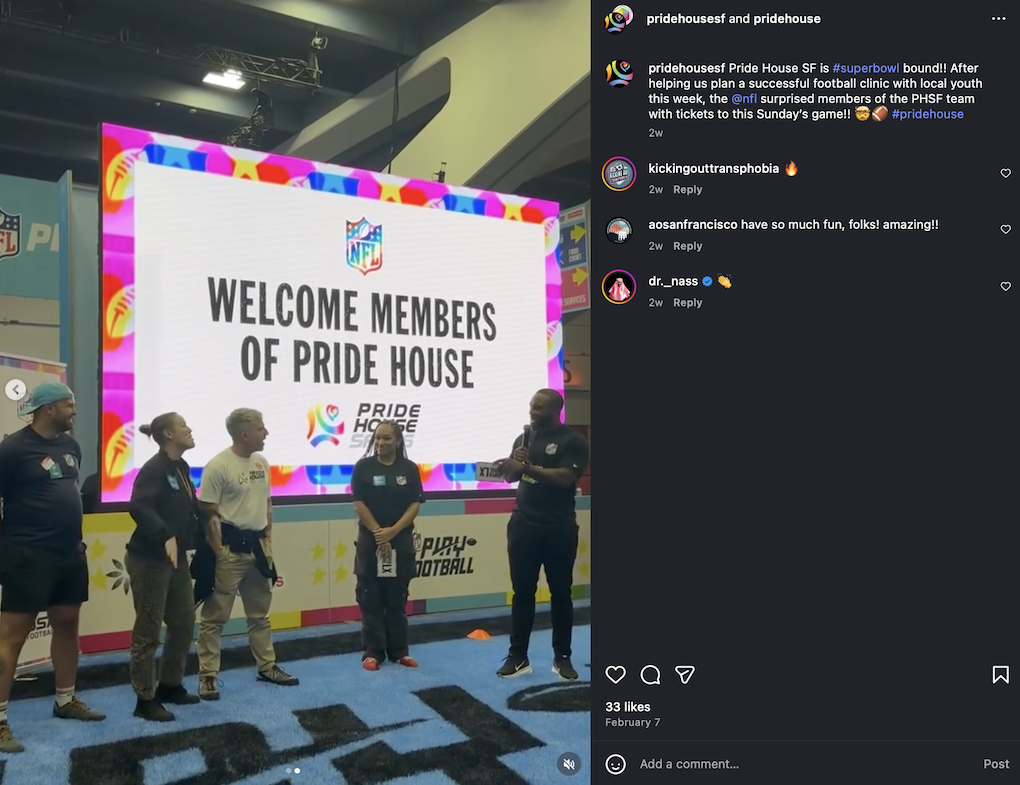
Across Olympic Games, World Cups, NFL, and other major international competitions, Pride House has become a hopeful and supportive space where LGBTQ athletes, fans, and allies can gather, celebrate sport, and connect with one another. It’s part hospitality hub, part community center, and entirely about making sure LGBTQ people are visible in the world of sports.
And as the movement grows, it’s becoming one of the most uplifting developments in international athletics.
RELATED: They Took Away the Crosswalk so St. Pete Lit the Sky
What Exactly Is Pride House?
The idea behind Pride House actually comes from a long-standing Olympic tradition.
For decades, major sporting events like the Olympic and Paralympic Games have featured hospitality houses—spaces organized around nationality or culture where athletes, supporters, and visitors can gather during competitions. These houses provide places to watch events, celebrate victories, and connect with fellow fans.
But LGBTQ athletes and supporters have historically been pushed to the sidelines of sports culture.
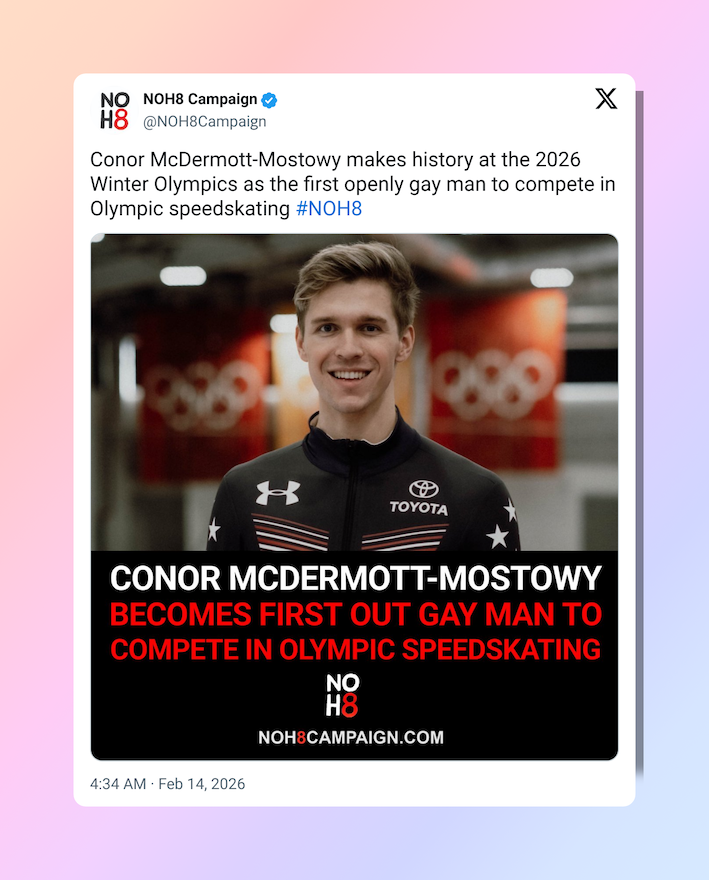
Negative stereotypes, fears about coming out, and sometimes openly hostile environments have made many LGBTQ people feel like outsiders in athletics. And during large international events—moments meant to bring the world together—that exclusion can become even more noticeable.
Pride House was created to change that.
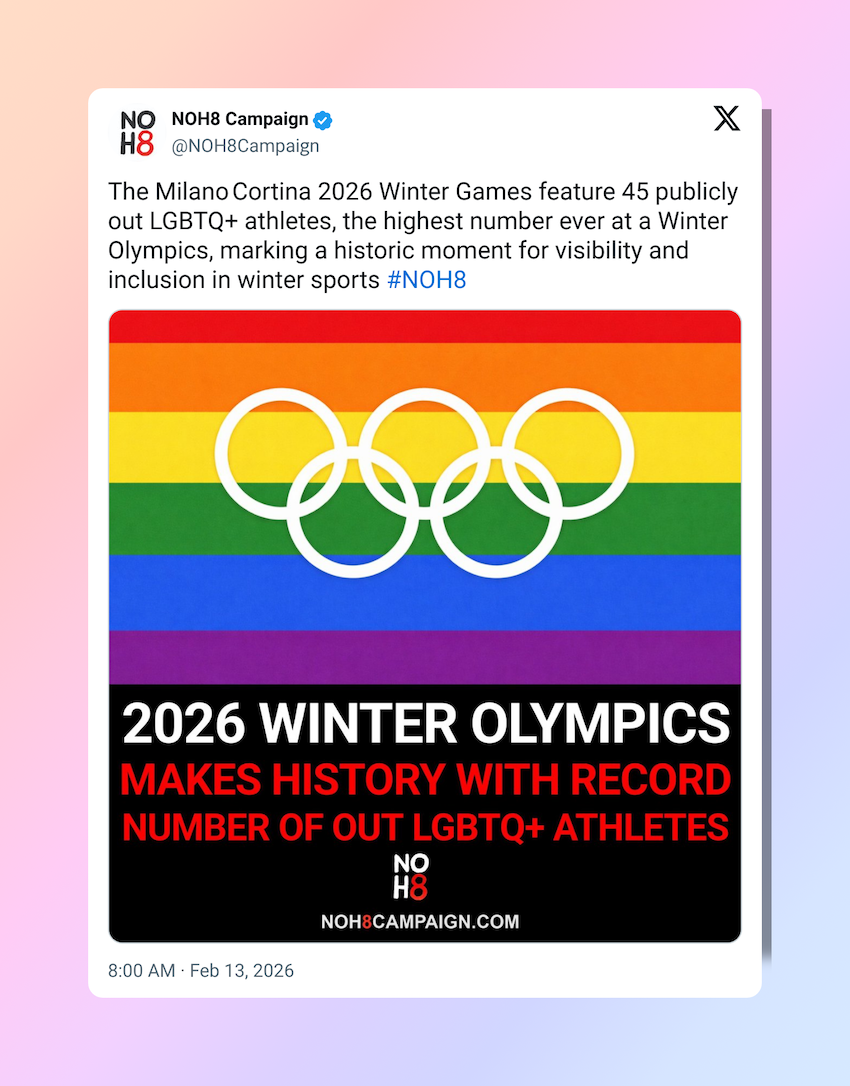
Modeled after traditional hospitality houses, Pride House provides a welcoming venue where LGBTQ athletes, fans, and allies can gather during international sporting events. These spaces often host watch parties, community discussions, educational programming about LGBTQ inclusion in sports, and opportunities to celebrate queer athletes and culture.
In short: it’s a place where people can enjoy sport without leaving any part of themselves at the door.
SUGGESTED: 10 Best Live Voyeur Cam Sites for Gay Men
A Movement That Started in Vancouver
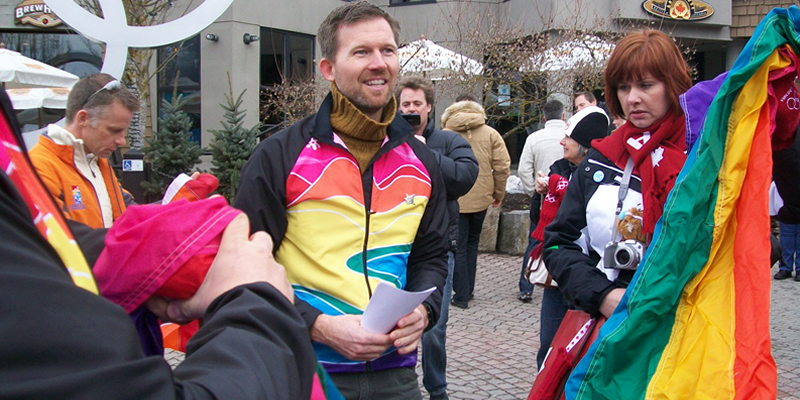
The very first Pride House opened during the 2010 Winter Olympic and Paralympic Games in Vancouver and Whistler.
Organized by local activists and community groups, the project created two physical venues—one in Vancouver and another in Whistler. These spaces quickly became hubs for fans, athletes, and allies looking for a more inclusive sporting environment.
The idea caught on quickly.
In 2012, Pride House expanded to Europe during the Eurocup in Poland and Ukraine, followed shortly by another Pride House during the London Summer Olympics.
Around that same time, conversations about LGBTQ inclusion in sports were gaining momentum. Several athletes in the United Kingdom and United States began publicly coming out, and media attention started focusing more on homophobia and discrimination in athletics.
Then in 2013, Russia passed its controversial “anti-gay” law ahead of the 2014 Winter Olympics in Sochi, which brought global attention to LGBTQ rights in sport.
When Pride House Had to Adapt
The situation in Russia showed just how complicated hosting Pride House could be.
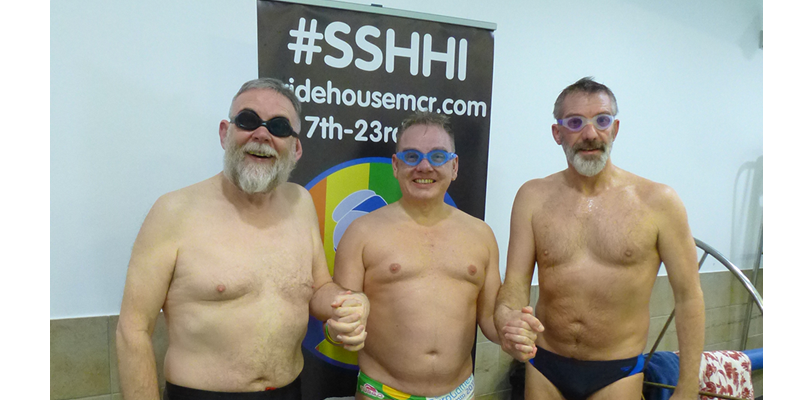
Organizers attempted to establish a Pride House during the Sochi Winter Olympics, but the Russian government denied permission for the venue. Instead of canceling the idea entirely, supporters around the world created “remote” Pride Houses in solidarity with LGBTQ people in Russia. At the same time, the Russian LGBT Sport Federation hosted the Open Games, offering an alternative event celebrating LGBTQ athletes.
Those moments helped strengthen the global Pride House movement.
Following Sochi, Pride House programming appeared during the 2014 World Cup in São Paulo and later at the Commonwealth Games in Glasgow, where the initiative received international recognition.
The movement continued to grow. Toronto hosted the largest and longest Pride House during the Pan Am and Parapan Am Games, providing free programming throughout the entire two-week event.
Not long after, Vancouver hosted another Pride House during the FIFA Women’s World Cup.
Pride House Milano and the Future
The movement recently reached another milestone with Pride House Milano, which celebrated LGBTQ inclusion in sport while looking ahead to the future.
During the event, organizers held a symbolic passing-of-the-torch ceremony from Milan to Los Angeles, signaling the continued growth of Pride House at upcoming global sporting events.
@nbcbayarea It’s a gathering place and a safe space for LGBTQ+ athletes and fans at the Olympics — and the handoff from Milan to Los Angeles sets the stage for the biggest Pride House ever in 2028. #olympics #pride
The Milano Pride House reel also featured several well-known athletes showing their support, including Olympic medal-winning figure skater Eric Radford, Canadian ice dancer Paul Poirier, Great Britain ice dance star Lewis Gibson, and three-time World Championships medalist Kaitlyn Weaver, who publicly came out as queer in 2021.
Seeing respected athletes support Pride House sends a clear message: LGBTQ inclusion in sports is not just possible—it’s already happening.
Why Pride House Matters
For LGBTQ athletes, visibility in sport can still feel complicated. Many athletes continue to weigh the risks of being open about their identities in environments that haven’t always been supportive.
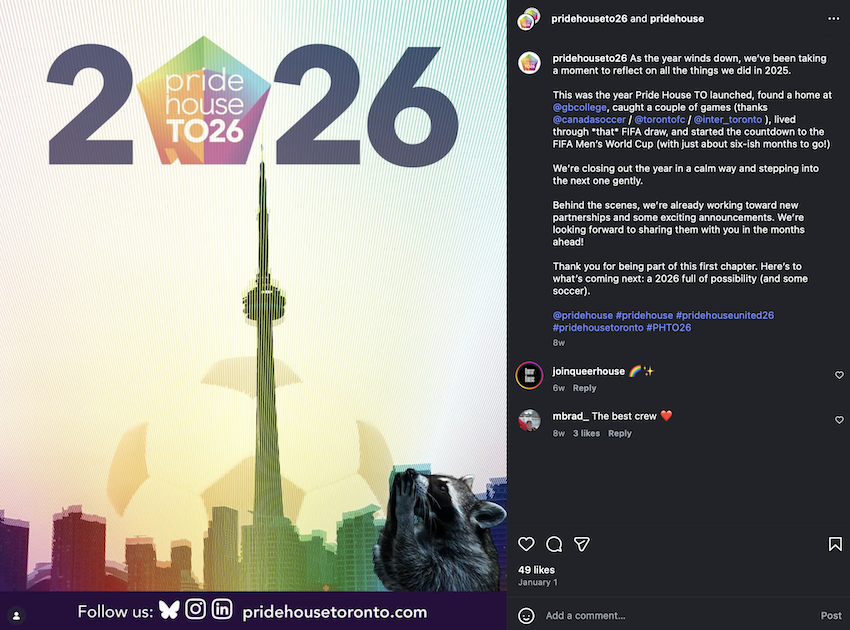
By providing a welcoming space at some of the world’s biggest sporting events, Pride House shows that LGBTQ fans and athletes belong in sport just as much as anyone else.
And perhaps most importantly, it reminds people watching from home—especially young athletes—that there is a place for them in the world of sports.
Because at the end of the day, sport is supposed to bring people together.
And thanks to Pride House, that vision is starting to feel a little more real.