


Strippers are at the center of a surprising new debate after the U.S. House of Representatives advanced a legislation intended to prevent explicit performances from taking place in schools—something that, according to available evidence, has not been happening in the first place.
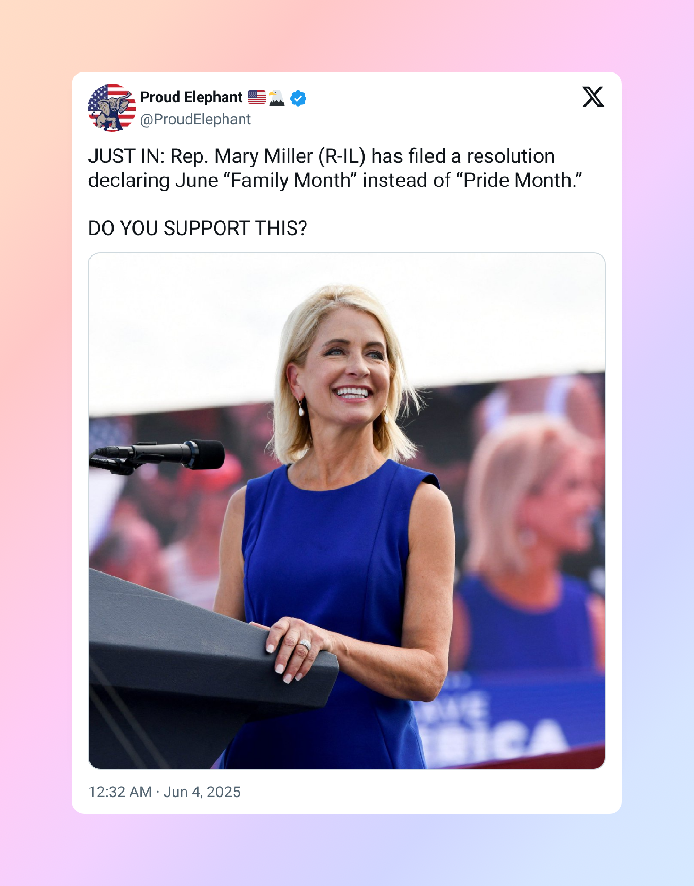
The U.S. House of Representatives has reignited debate over how lawmakers approach issues involving children, education, and LGBTQ+ topics. The legislation, introduced by Illinois Republican Representative Mary Miller in February 2026, is formally known as the “Stop the Sexualization of Children Act,” or H.R. 7661. The Illinois representative is also responsible for introducing a resolution to change June’s “Pride Month” into “Family Month.”
Supporters say the measure is meant to ensure that federal education funding is not used for explicit or inappropriate content in schools. Critics, however, argue the bill targets something that isn’t actually occurring: strippers performing in schools.
The unusual framing has drawn widespread attention, and quite frankly, confusion.
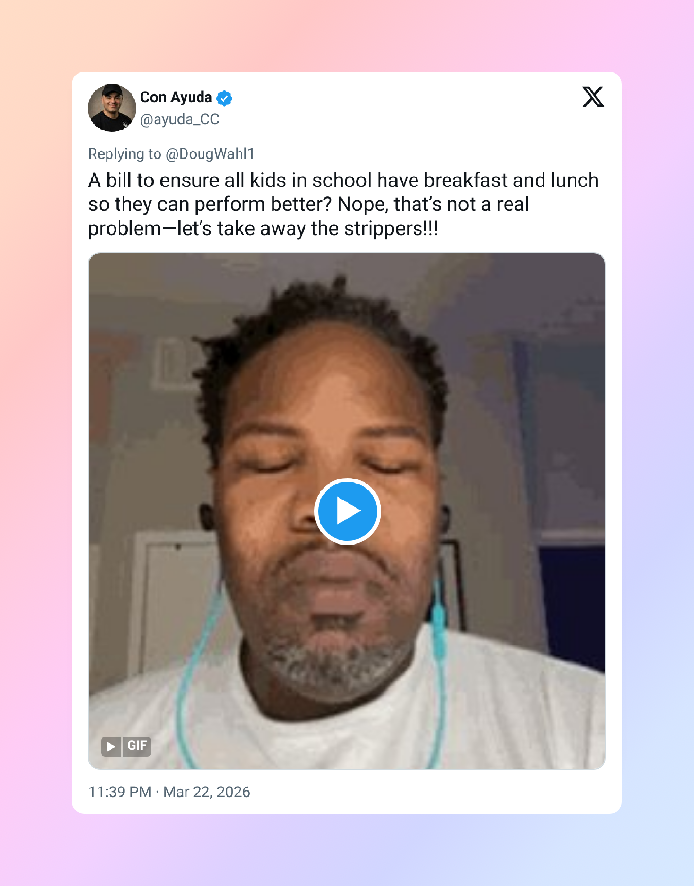
What the Bill Says About “Strippers”
The proposed law would amend the Elementary and Secondary Education Act of 1965 to restrict federal funds from supporting “sexually oriented material” in programs involving children in primary and secondary schools.
Under the bill’s language, sexually oriented material includes programs or materials that expose students to nude adults, individuals who are stripping, or certain forms of explicitly sexual dancing.
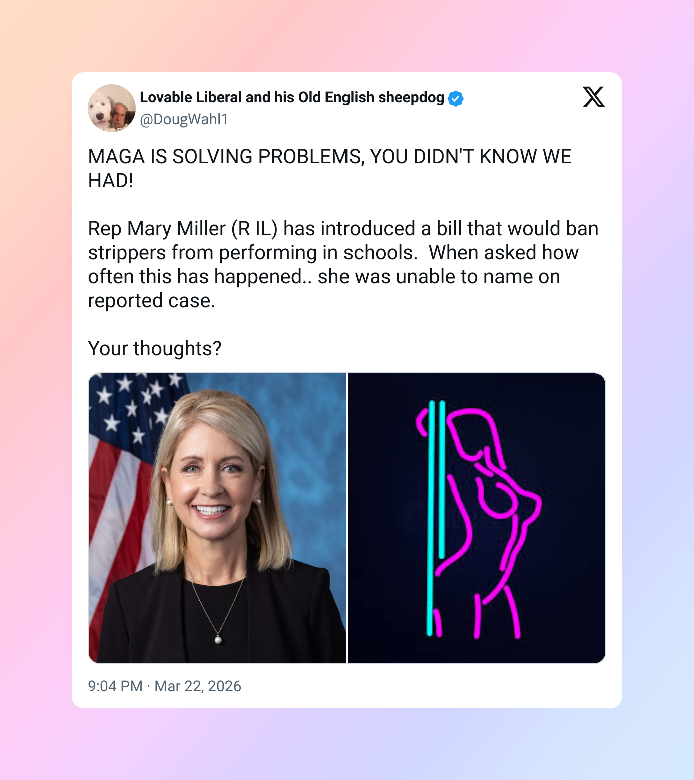
While the wording highlights strippers, there has been no documented instance of a K-12 school hiring strippers to perform for students in the United States. The bill’s sponsor has not cited a real-world example of such an event taking place. Instead, when discussing the legislation publicly, Miller pointed to concerns about books and educational materials that include LGBTQ+ themes.
“Parents deserve complete confidence that their tax dollars are being used to promote academic excellence — not to expose children to harmful and explicit material that undermines their innocence,” Miller said when announcing the legislation.
RELATED: Idaho Debate Over Marriage Equality Shows Cracks in GOP Support
LGBTQ+ Books and Representation
Although the bill’s headline language focuses on strippers, critics say its broader definitions could affect LGBTQ+ representation in schools. The measure expands the definition of sexually oriented material to include content related to gender dysphoria or transgender identity. Gender dysphoria refers to the distress some people experience when their gender identity does not match the sex they were assigned at birth.
Advocates for LGBTQ+ inclusion worry that language like this could discourage educators from discussing gender identity or including LGBTQ+ authors in classrooms and libraries.
Among the works cited by Miller in her interview with the Daily Signal are titles such as Gender Queer, Lawn Boy, and All Boys Aren’t Blue, books that have been the focus of debates in school districts across the country.
The Drag Debate
The legislation also surfaced amid ongoing national conversations about drag performances in educational settings.
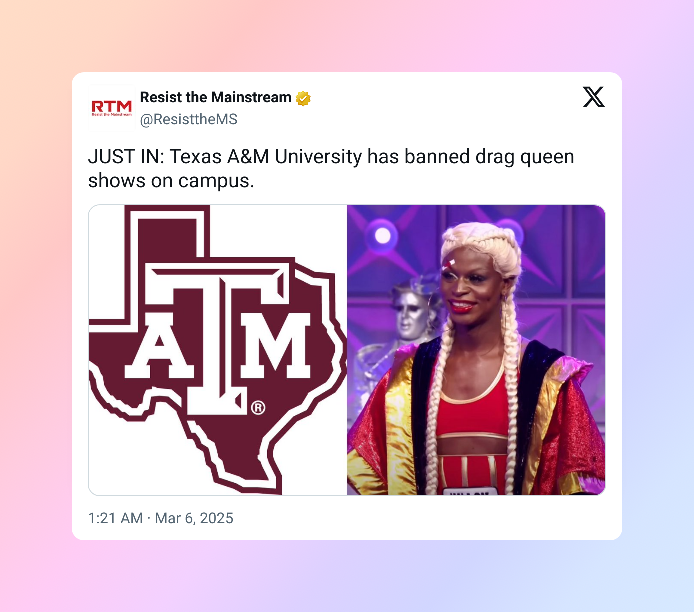
Supporters of the bill have referenced isolated controversies involving drag performances. One example frequently mentioned involved a drag performer appearing at a community college event in North Carolina in 2023. However, that scenario would not fall under the bill’s scope, which applies only to primary and secondary schools.
Another example cited involved students dressing in drag during a school performance—again, something different from the situation the bill’s title suggests.
A Larger Cultural Conversation
For LGBTQ+ advocates, the debate highlights a broader cultural question: what topics belong in classrooms, and who gets to decide?
Supporters of the legislation say it protects children and maintains focus on academics. Opponents argue the framing around strippers distracts from a larger effort to restrict discussions about gender identity and LGBTQ+ experiences in education.
Whatever side people fall on, the debate demonstrates how issues involving schools, culture, and LGBTQ+ visibility continue to play a prominent role in American politics.
remember there are no reports of drag queens SA the youth, while there are tons of reports pastors SA minors.