


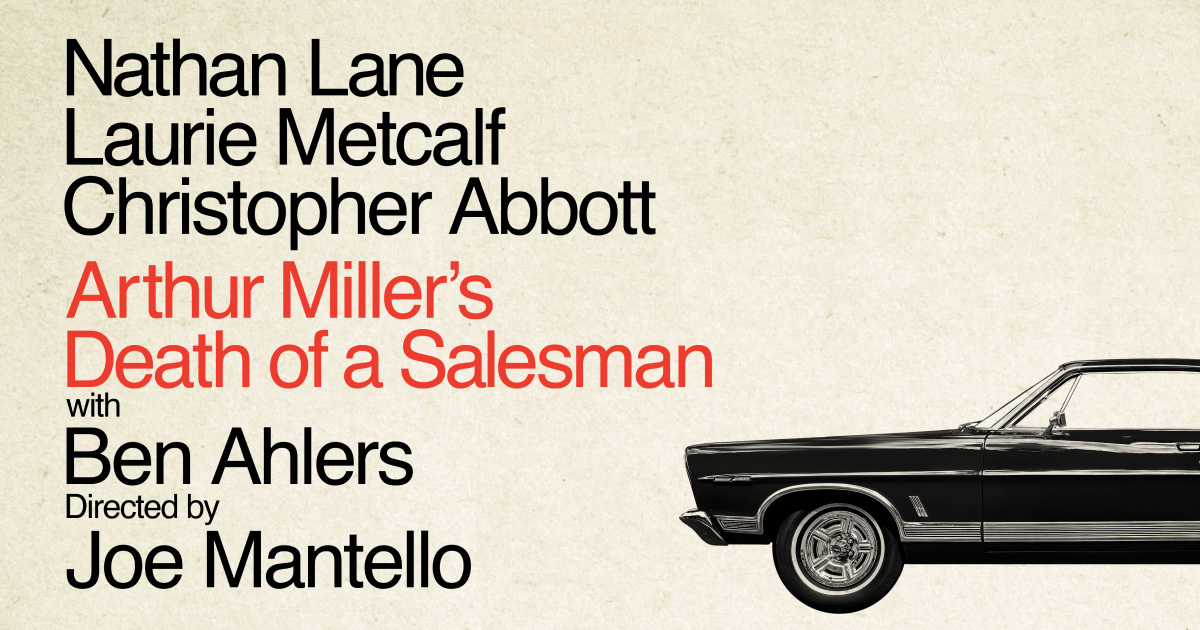
The New York Times is facing a wave of backlash after its newly theater critic, Helen Shaw, sparked controversy with a single phrase in a high-profile review.
At the center of the storm? A description of Broadway icon Nathan Lane as “light on his feet.”
On its face, the phrase might seem harmless — even complimentary. But critics online and inside the theater world say it carries a deeper, more complicated history. To some, it echoes decades-old coded language historically used to describe — and sometimes diminish — gay performers.
And that’s where things got messy.
“It’s impossible to believe she didn’t know how that could land,” one well-placed theater insider tells Naughty But Nice Podcast. “That phrase has baggage. Real baggage. Especially when you’re talking about someone like Nathan Lane.”
Within hours of publication, social media lit up. Theater fans, critics, and insiders began dissecting the wording, questioning whether it reflected an outdated sensibility — or something more careless.
“People are calling it out as tone-deaf at best, offensive at worst,” the insider adds. “And once that conversation starts, it’s hard to contain.”
But not everyone is ready to condemn Shaw.
In fact, a growing chorus is pushing back against what they see as overreach.
“Some say this is being wildly overanalyzed,” the source explains. “That it was simply a stylistic choice — a way to describe physicality, not identity. Not everything is a coded message.”
That divide — between those who see harm and those who see hypersensitivity — is exactly what’s fueling the fire.
And for Shaw, the timing couldn’t be more intense.
This review marks one of her first major moments in the spotlight as The New York Times’ new theater voice — a role that comes with enormous influence and even greater scrutiny.
“This is her introduction to a wider audience,” the insider says. “And instead of the focus being on her insight or critical voice, it’s all about this one phrase. That’s not the splash you want.”
Behind the scenes, the reaction hasn’t gone unnoticed.
“There’s definitely conversation happening internally,” the insider reveals. “The Times is very aware of how this is being received — both publicly and within the industry.”
That awareness matters. Because The New York Times isn’t just any outlet — it sets the tone for cultural criticism across the country. And when one of its critics stumbles, even slightly, the ripple effect is immediate.
Still, some insiders caution against rushing to judgment.
“Helen is a serious critic,” one source insists. “Reducing her to one phrase ignores the larger body of her work. But at the same time — words matter. Especially now.”
And that’s the crux of it.
In today’s cultural climate, language isn’t just descriptive — it’s dissected, decoded, and debated in real time. Intent can quickly become secondary to impact. And even the most seasoned writers aren’t immune.
“This isn’t just about one review,” the insider says. “It’s about how criticism evolves — and how audiences are more attuned than ever to what’s being said, and how it’s being said.”
As for Shaw, she hasn’t publicly responded to the backlash — at least not yet.
But the conversation isn’t going away anytime soon.
Because in 2026, one thing is clear: every word counts. And sometimes, one word can steal the entire show.
Rob’s latest exclusives and insider reporting can be found at robshuter.substack.com
His forthcoming novel, It Started With A Whisper, is now available for pre-order. The book follows four ambitious entertainment insiders who land coveted jobs on a struggling D-list cable morning show built entirely around celebrity gossip. Hired to expose the secrets of the famous, they soon discover the real story is inside the studio — because each of them is hiding something explosive. In a world where “today’s gossip is tomorrow’s news,” the biggest scandal may be their own.
“Intent can quickly become secondary to impact. And even the most seasoned writers aren’t immune.”
For example, a published author writes a piece where he uses the phrase “newly theater critic.”