


LGBTQ+ life in America increasingly isn’t just about rent, weather, or whether your local coffee shop knows your order by heart. It’s about something a lot more fundamental: whether your ZIP code quietly signals safety, tolerance, or a slow-burn political headache.
RELATED: Rome Pride Controversy: Jewish LGBTQ Group Barred Over Gaza Politics
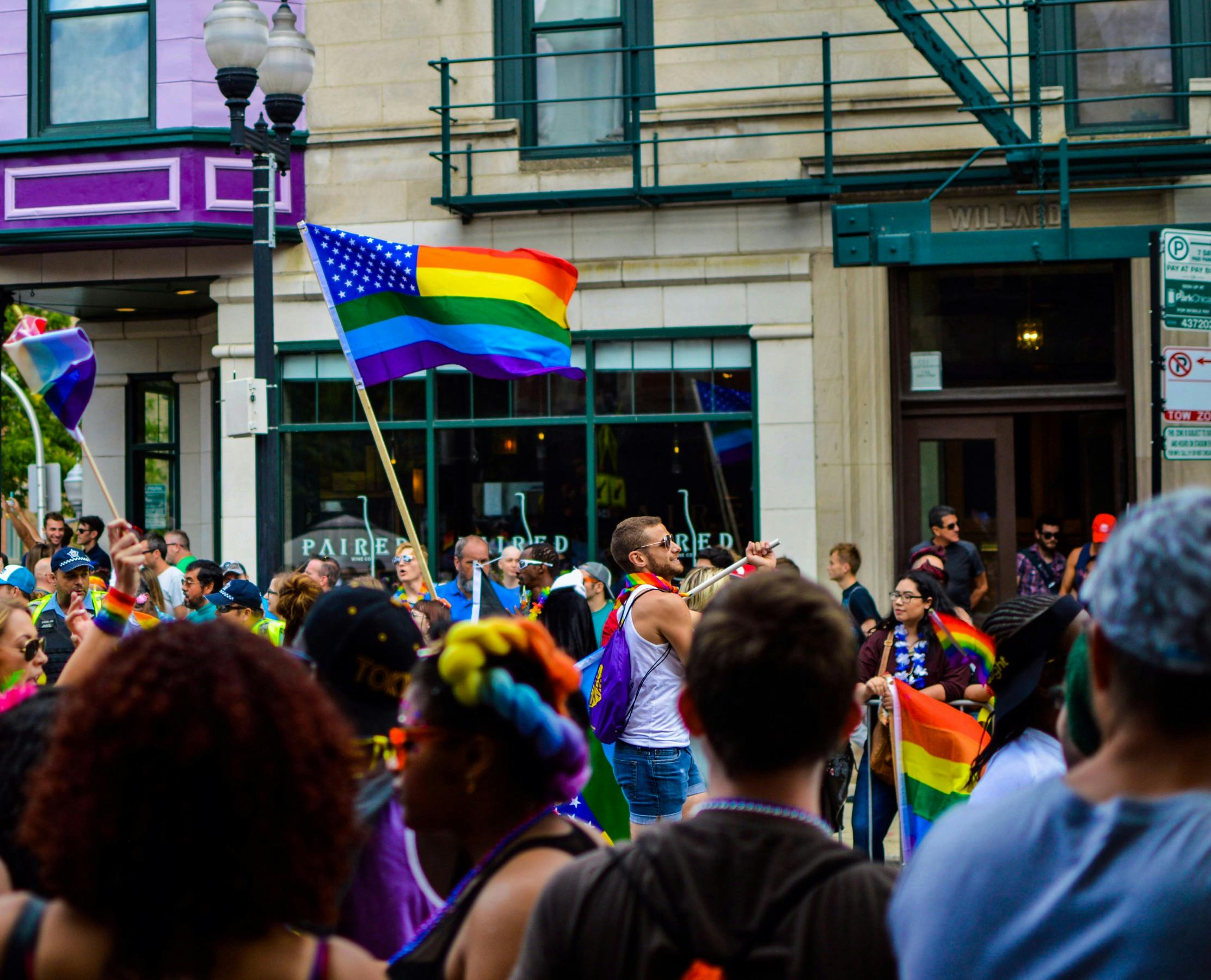
A new nationwide snapshot of LGBTQ+ conditions suggests the answer to “Where is it best to be gay in America?” depends less on vibes and more on geography. And in 2026, the map looks less like a smooth gradient and more like a hard split down the middle.
A country splitting along LGBTQ+ state lines
While places like Massachusetts and California continue to rank among the most supportive for LGBTQ+ residents, other states have been moving in the opposite direction. States such as Arkansas and Tennessee have become shorthand for a growing wave of policy rollbacks that shape daily life in ways both visible and quietly bureaucratic. That divide is now more pronounced than ever, according to the latest State LGBTQ+ Business Climate Index from Out Leadership, shared exclusively with USA TODAY.
RELATED: Quakers Said Gay Love Wasn’t a Sin in 1963
“The index suggests America’s acceptance of gay people has continued a steep decline, reversing many of the civil rights advances that increased the well-being and safety of the LGBTQ+ population, Out Leadership’s founder and CEO, Todd Sears, told USA TODAY.”
And that decline isn’t subtle. On a 100-point scale, the national average sits at 53.1, with 26 states falling below 60. The middle ground, once a comfortable place where progress and resistance coexisted, is starting to thin out.
The “we’re done here” myth
There’s a particular kind of American optimism that assumed the hard part was over after marriage equality. The data says otherwise.
“When we started this index eight years ago, the goal was to show Americans the issues that were still live but invisible − HIV criminalization, conversion therapy, where state legislators actually stood − because once marriage equality passed, a lot of people assumed the work was done. It wasn’t,” Sears said. “What we’ve documented since is a genuine regression.”
That regression shows up in policy, but also in how states are now being actively scored on newer fronts: bathroom restrictions, pronoun and name-use bans, and limits on gender-affirming care.
The result is a widening gap. The difference between the highest-ranked state—Massachusetts at 93.23—and the lowest—Arkansas at 28.06—has stretched from 55 points in 2019 to 65 points today.
The disappearing middle
This year’s updated index added 12 new indicators, reshaping how states stack up. Some rose, some fell, and some got a reality check they didn’t see coming. States like California climbed thanks to stronger protections and policy leadership. Illinois also gained ground for expanding access to gender-affirming care protections.
Meanwhile, places like Florida and Texas dropped under the weight of new restrictions, particularly around trans rights and healthcare access.
Even states considered broadly progressive weren’t immune. Maine slipped not because it reversed protections, but because other states moved faster. In contrast, South Dakota quietly climbed simply by not adopting as many restrictive laws as its peers. In other words: standing still is no longer neutral. It’s a ranking strategy.
The broader cultural swing
The policy shifts don’t exist in a vacuum. They’re mirrored in public sentiment. Research tracking bias over time shows that anti-gay attitudes, which had been declining for years, began rising again in the early 2020s. A 2022 study by Northwestern’s Tessa Charlesworth and Harvard psychologist Mahzarin Banaji found the long downward trend in bias had reversed.
“Geography certainly plays a role in the overall amount of bias toward gay, lesbian and trans people,” Charlesworth told USA TODAY. “There are systematic patterns across places that shape where is more tolerant and accepting versus more hostile.”
Gallup data echoes that shift, with national acceptance of LGBTQ+ rights declining after hitting a peak just a few years ago.
The workplace ripple effect
The effects aren’t staying in statehouses. They’re filtering into offices, hiring decisions, and relocation patterns.
Corporate Pride visibility has cooled in some sectors, with companies pulling back on public-facing support amid political backlash and culture-war pressure. At the same time, there are signs of what researchers describe as “talent flight”—LGBTQ+ people and families relocating away from less welcoming states.
As Sears put it:
“Over the next 12 to 18 months, companies are going to feel this, and many already are,” he said. “There’s a talent flight underway. LGBTQ people are leaving anti-LGBTQ states, families of trans, nonbinary, and gay young people are relocating, and employees are going back into the closet. Whatever someone is hiding at work, they’re not bringing their full self, and they’re not bringing everything they could to the company. That’s why the economic impact will be felt for a long time.”
The top and the bottom of the map
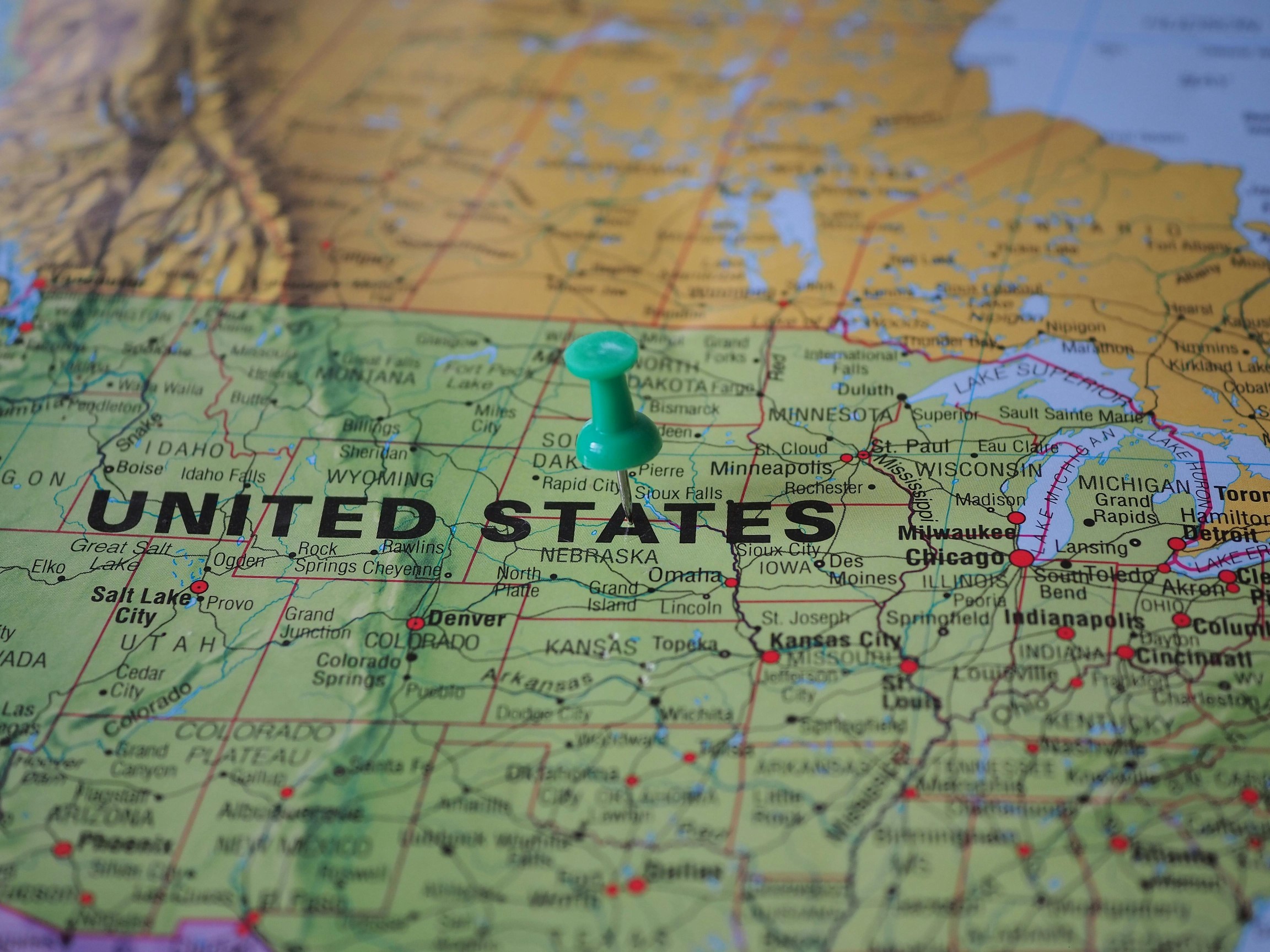
5 highest-ranking states for LGBTQ+
- Massachusetts
- New York
- Connecticut
- New Jersey
- Illinois
5 lowest-ranking states for LGBTQ+
- Arkansas
- Tennessee
- Idaho
- South Carolina
- Florida
The takeaway nobody asked for, but everyone is living through
The idea that LGBTQ+ equality moves in a straight line—pun very much not intended—isn’t holding up anymore. Progress is now uneven, reversible, and deeply dependent on where you are standing when you check your rights.
In America right now, equality doesn’t just depend on the law. It depends on the map.
Source: USA Today