


A rare stem cell HIV case is rewriting what scientists thought they knew about a cure.
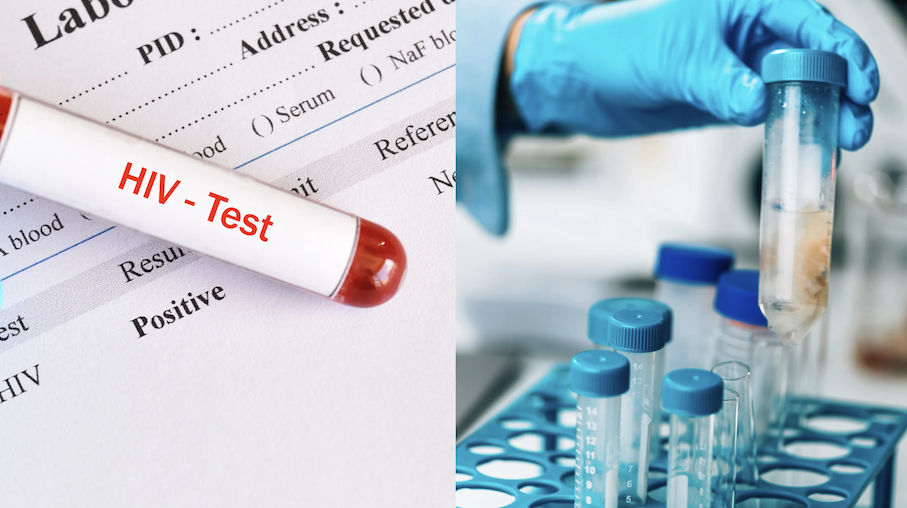
A landmark medical case reported by a newly published journal in Nature Microbiology has added a new and unexpected chapter to HIV research: a Norwegian man has shown no detectable signs of HIV following a stem cell transplant originally performed to treat blood cancer—raising new, and hopeful, questions about what it actually takes to suppress, or potentially cure, the virus.
The 63-year-old patient, now widely referred to as the “Oslo patient,” had been living with HIV since 2006 when he was diagnosed with a life-threatening blood cancer, myelodysplastic syndrome, in 2017. His treatment path for myelodysplastic syndrome led doctors to a high-risk stem cell transplant in 2020, a procedure typically reserved for cancer cases and not used as a standard HIV treatment.
What makes this case unusual is not just the outcome—but how it happened.
RELATED: Scotland Plans to be 1st Country to Stop HIV Transmission. Can a Nation Do That?
A Donor Match That Changed Everything
According to reporting by Agence France-Presse (AFP), doctors at Oslo University Hospital initially searched for a donor who could treat both the patient’s cancer and support HIV resistance. Unable to find an ideal match, they turned to an unexpected option: the patient’s own brother.
On the day of the transplant, doctors made a surprising discovery—the donor carried a rare mutation in the CCR5 gene, which plays a key role in how HIV enters immune cells. This mutation essentially blocks the virus from infecting cells in people who carry it.
This genetic trait is uncommon, appearing in only about 1% of people in Northern Europe, making the timing of its discovery particularly remarkable.
A Growing List of HIV Remission Cases

The Oslo patient is now part of an extremely small group of individuals worldwide who have entered long-term remission after stem cell transplants.
Researchers have documented approximately seven to ten similar cases globally, all involving patients who were originally treated for blood cancers. In most of these cases, donors carried two copies of the CCR5 mutation, which completely removes the receptor HIV uses to enter immune cells.
This has long led scientists to believe that full CCR5 resistance was essential for achieving remission.
However, recent cases are challenging that assumption.
RELATED: Long-Acting HIV Treatments: Fewer Pills, More Freedom?
When the “Rules” of HIV Cure Start to Shift
According to the European AIDS Treatment Group, there have now been more than a handful of patients who have become HIV-free after receiving stem cell transplants from donors with HIV-resistant cells. But importantly, not all cases follow the same biological pattern.
One reported patient is now considered HIV-free after receiving a transplant from a donor whose stem cells were not resistant to HIV at all, suggesting that CCR5 mutation status may not be the only factor at play.
This aligns with earlier findings involving the so-called “Geneva patient,” who remained HIV-free for more than two years after receiving stem cells without the CCR5 mutation. This case added to growing scientific uncertainty about whether CCR5 is the sole mechanism responsible for viral elimination.
In total, at least two of the known remission cases involved non-resistant stem cell donors, complicating what was once thought to be a clear genetic requirement for HIV cure outcomes.
What Happened in the Oslo Case
Following the transplant, the Oslo patient eventually stopped antiretroviral therapy two years later. Researchers found no detectable HIV in samples taken from his blood, gut, and bone marrow.
Scientists involved in the study, published in Nature Microbiology, told AFP that the patient’s immune system had been effectively replaced by the donor’s, including in critical areas where HIV typically hides.
One researcher described the case as so complete that, for all practical purposes, the patient could be considered in remission.
Not a Cure—But a Scientific Clue
Despite the excitement, experts caution that stem cell transplants are not a viable HIV treatment for the general population. The procedure is extremely risky, expensive, and only performed in patients who already require it for life-threatening cancers.
Still, these rare cases are scientifically valuable. Each one helps researchers better understand how HIV persists in the body—and what conditions might allow it to be eliminated.
A Future Still Being Written
While earlier cases like the Berlin patient, London patient, and others helped establish the role of CCR5 mutations in HIV resistance, newer findings suggest the biology may be more complex than originally believed.
The emergence of remission cases involving non-resistant donors hints that multiple mechanisms—beyond a single gene mutation—could be involved in suppressing the virus long-term.
For researchers, that possibility is both challenging and hopeful.