


For a long time, gay and bisexual men in the UK were not allowed to donate blood under rules that came with more restrictions than a nightclub at peak hours — strict entry policy, ID checks, and a very specific “not right now, come back later” energy. Now, new analysis suggests the bouncer has finally loosened the clipboard.
RELATED: David Archuleta: From Music to Advocacy
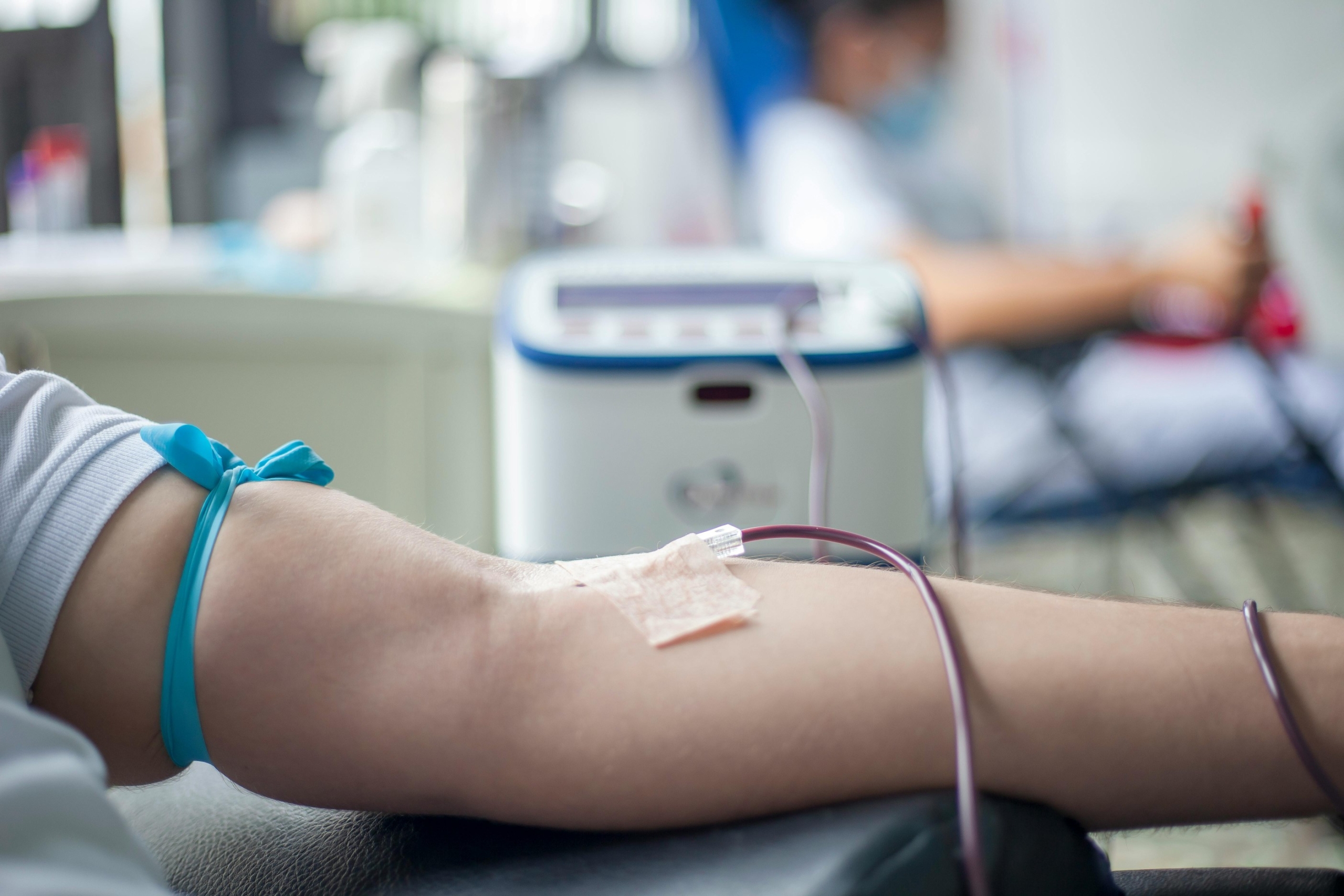
More gay and bisexual men are donating blood following eligibility changes introduced in 2021, according to a survey of 8,744 male donors. The share identifying as bisexual, gay, pansexual, queer, bicurious, or sexually fluid now sits at 7.5%, up from 1.8% in 2014. In statistical terms, that’s a rise. In real-life terms, that’s a lot more people rolling up sleeves instead of rolling eyes.
RELATED: The Evolution of HIV Treatment: From Daily Pills to Monthly Shots
From “not allowed” to “please come in”
The shift didn’t happen overnight. It’s the end result of years of policy rewrites that gradually moved away from blanket restrictions based on sexual orientation.
After the HIV crisis in the 1980s, gay and bisexual men were excluded from donating blood entirely. The UK lifted that ban in 2011, replacing it with a 12-month waiting period after sex between men. That was later reduced to three months in 2017, before the 2021 update introduced a more individualised assessment based on health, travel, and sexual behaviour.
In other words: less “who you are,” more “what’s actually relevant.” Or, as policy tends to put it, risk over identity.
“I could have done nearly 80 donations by now”
For Thomas Yates, a gymnastics coach from Westhoughton in Greater Manchester, the change is not abstract—it’s personal, repeated, and slightly bittersweet. He’s now donated 16 times since becoming eligible in 2021.
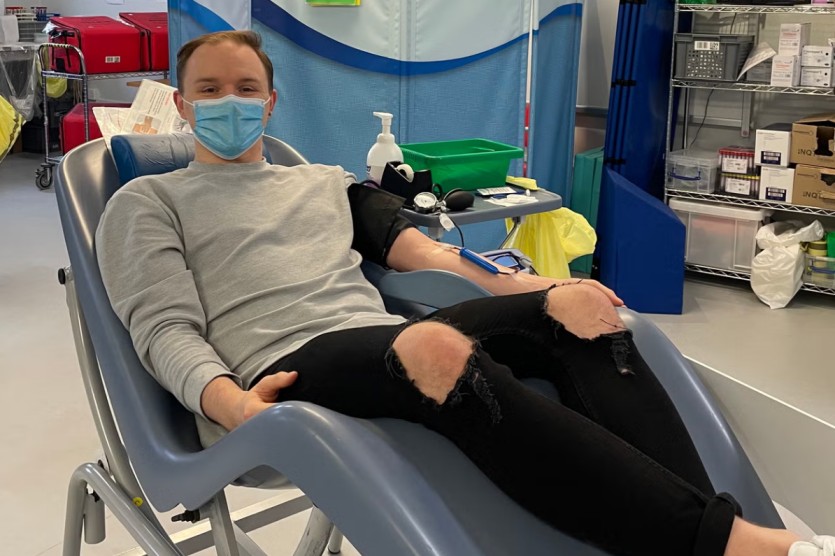
“I feel very passionate about it – you are literally saving someone’s life with one hour of your time, it’s something we should all do as part of the human race,” said Mr Yates.
But his earlier experience wasn’t exactly smooth sailing. He said he felt “incredibly upset” when he was turned away in 2018, adding: “I felt it was another way queer people are marginalised. I was so fit and healthy.
“I booked my first donation in 2021 almost as soon as the rules changed, I donate at the Plymouth Grove donor centre in Manchester.
“I felt elated afterwards, proud that I was able to donate, pleased the rules had changed, happy, overjoyed – even speaking about it now, I am getting a little teary. It was such a great day.
“My journey has been quite tumultuous, a love and hate experience. I could have done nearly 80 donations by now had we as queer people been able to donate sooner.
“Honestly, it’s so easy to donate. You complete the form, have a drink, have the screening chat, and then go and donate blood. The staff are so friendly
“I am pleased the surveys show evidence more queer people are donating.
“It think it helps change perspectives.”
There’s something quietly striking in the contrast: what once felt like a locked door is now a routine appointment, a snack, a quick chat, and a chair.
Science, safety, and fewer assumptions around donating blood
Officials are careful to stress that inclusivity didn’t come at the expense of safety. Su Brailsford, NHS Blood and Transplant consultant in epidemiology and health protection, said:
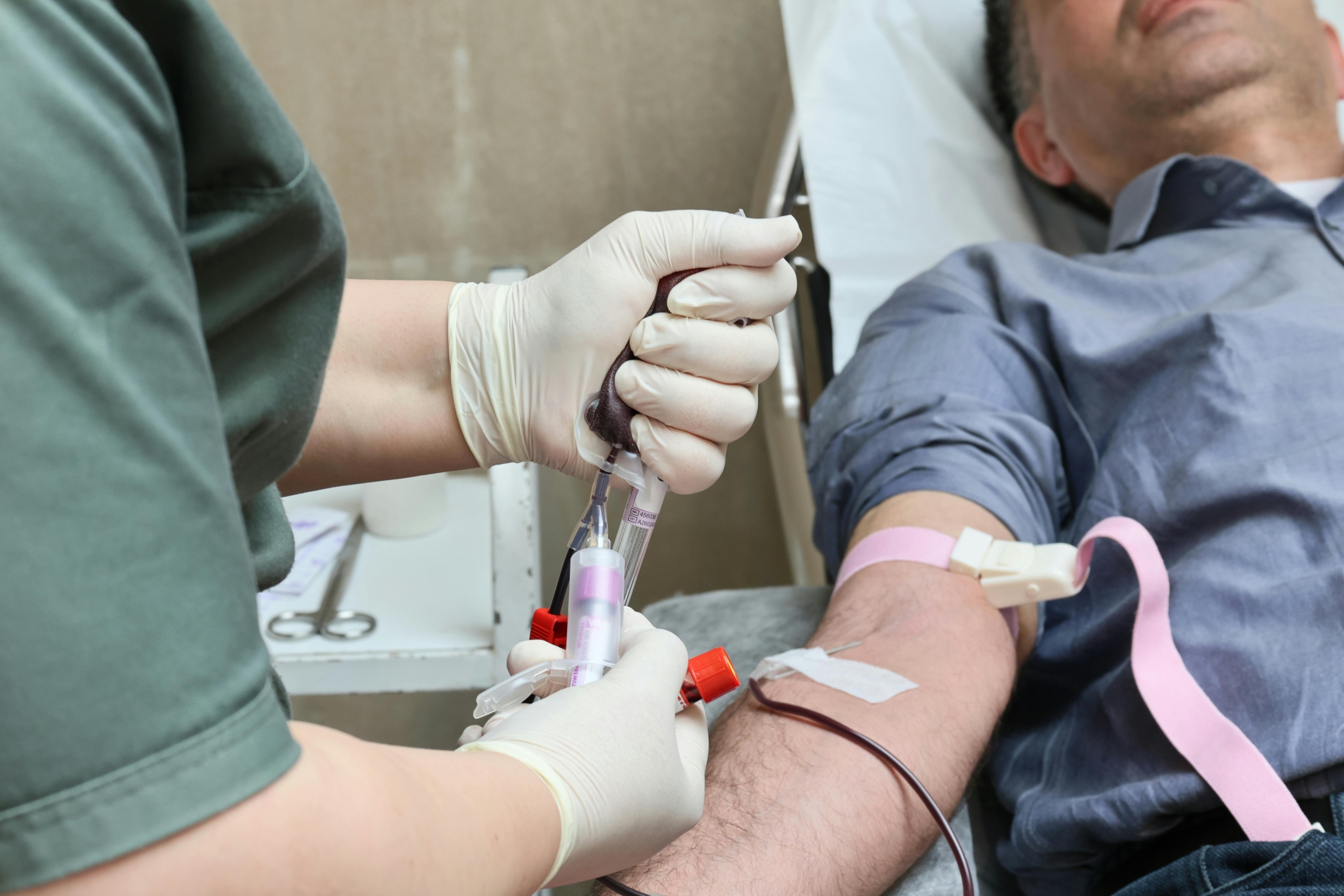
“Donation became more inclusive but safety remained the priority.
“The survey statistics indicate more gay and bisexual men are now donating, it’s very encouraging to see new donors coming to our centres and we try and make them very welcome.
“We are very grateful to all our blood donors, whatever their background, for helping to save and improve lives.”
Katy Davison from the UK Health Security Agency added: “More people are now eligible to donate blood based on their health, travel and sexual behaviour.
“The annual NHSBT and UKHSA blood safety report shows no impact on blood safety since the more individualised assessment introduced… allowed more gay and bisexual men to donate blood.”
Translation: the system didn’t fall apart. It just got more precise.
Not just numbers—patients feel it too
For charities supporting patients who depend on transfusions, the change is less about policy history and more about survival logistics. Ellouise Bishop from Anthony Nolan said: “At Anthony Nolan we see every day how critical blood donors are – for patients with blood cancers and blood disorders, transfusions of red blood cells and platelets can be a vital supportive treatment during their stem cell transplant journey.
“It’s really encouraging to see evidence of an increase in gay and bisexual men donating blood.
“By making donor assessments more inclusive, more people, regardless of their sexuality, are able to donate their blood to help save lives.”
The bigger shift underneath it all
There’s a quiet lesson in the numbers. When eligibility expands, people don’t just become “allowed”—they become participants. The jump from 1.8% in 2014 to 7.5% now isn’t just a statistic. It’s what happens when the rules stop filtering people out for who they are, and start asking whether they’re actually eligible to give blood today.
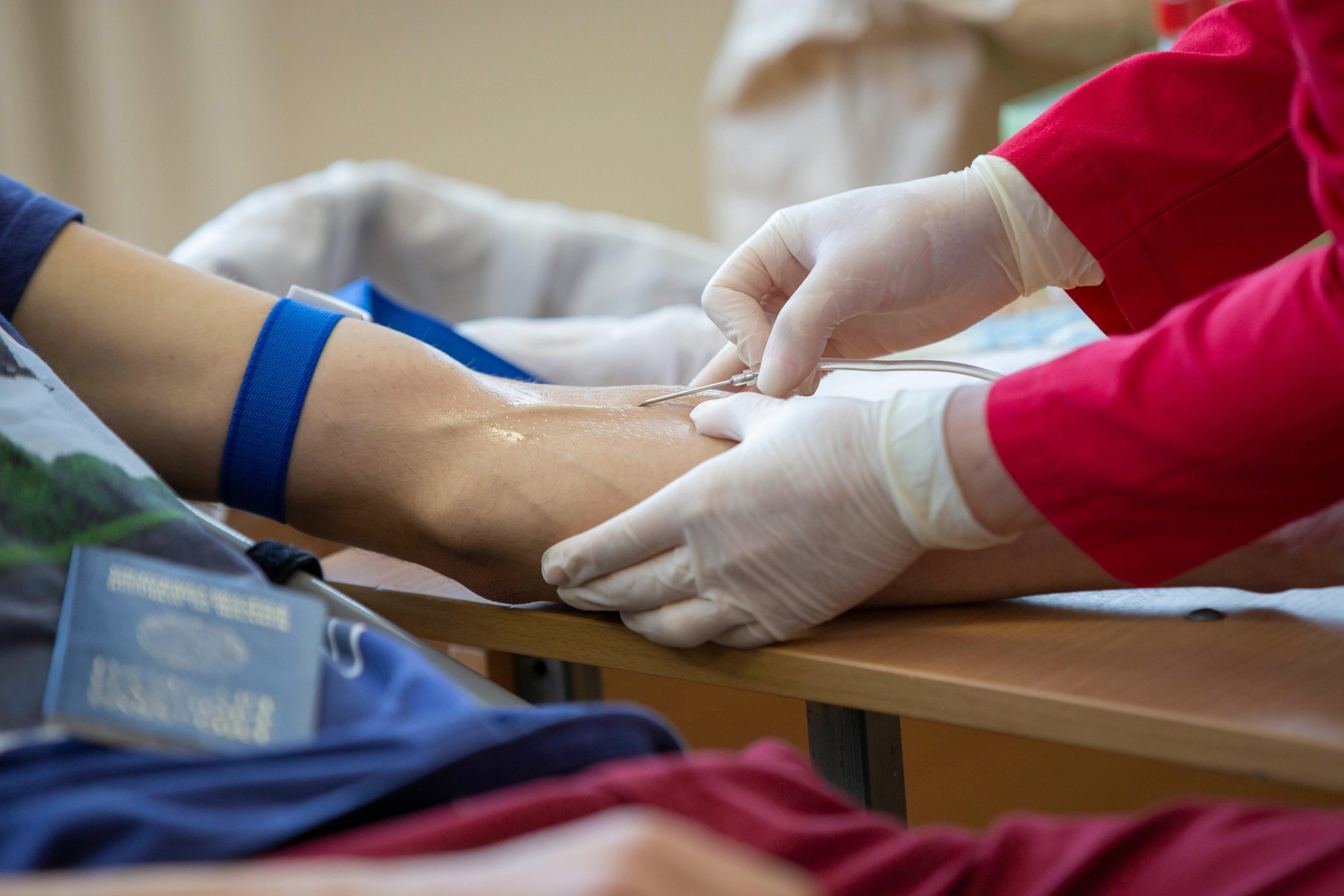
Less gatekeeping. More giving. And in a system built on donations, that’s kind of the whole point. And for anyone eligible, donating blood is still one of those rare things that costs you an hour but can genuinely change someone else’s life.
Source: Gov.UK and Independent