


Brain chemistry has been flirting with scientists long before TikTok declared someone “pheromone-coded” and gay men joked they could sense a handsome stranger from across the room. Researchers were already asking whether our brains react differently to certain scents, and a landmark study from 2005 suggested the answer might be yes. More than two decades later, it remains one of the most talked-about pieces of research exploring the biology of sexual orientation.
RELATED: UK Poll Finds Support for Gay Jokes Is Rising—Not Exactly Funny!

Published in the Proceedings of the National Academy of Sciences, the study found that gay men and straight men process odor cues linked to sex hormones differently. Even if the research is now decades old, it continues to be referenced in conversations about how the brain, biology, and attraction may intersect.
When scent becomes more than just a smell
Researchers led by Ivanka Savic at Sweden’s Karolinska Institute examined how the brains of gay men responded to odor compounds designed to mimic derivatives of testosterone and estrogen.
RELATED: Barracks Phoenix Wins Liquor License After 8-Hr Debate on Gay Cruising
Using brain scans, the team discovered that the anterior hypothalamus—a region associated with reproductive and sexual behavior—became activated in gay men when they smelled compounds linked to male sex hormones. Heterosexual men, meanwhile, showed stronger activity in the same area when exposed to odors associated with female hormones.
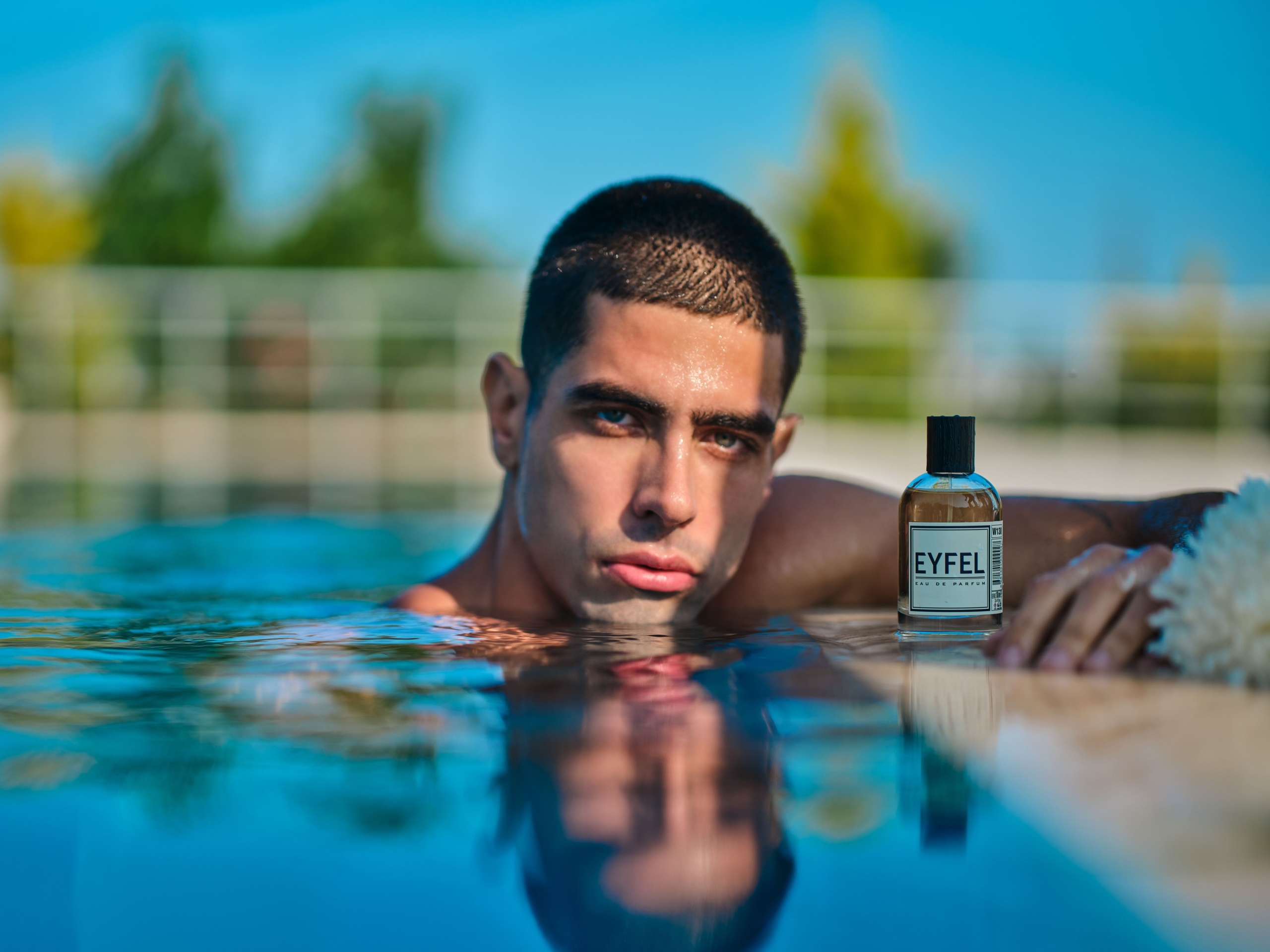
The scents themselves weren’t taken straight from locker rooms or perfume counters. Instead, scientists reconstructed chemicals found in male perspiration and female urine that mimic hormone-related compounds.
Gay men’s brain responses surprised researchers
One of the study’s most intriguing findings was that the brain activity of gay men closely resembled that of heterosexual women when smelling the testosterone-related compound.
When participants were asked to smell lavender—a nonsexual scent—there was no meaningful difference between gay and straight participants. The distinct brain responses only appeared when the hormone-related odor compounds were introduced.
The researchers also found that gay men responded to the estrogen-related compound much like they responded to lavender, suggesting it did not trigger the same pattern of activity. Savic emphasized that the findings were about brain function rather than brain anatomy.
She says her finding does not suggest that they found a difference in the brain itself, “just that the response is different.” Researchers were also continuing similar studies involving homosexual women.
Another clue—but not the whole story
The findings caught the attention of scientists studying sexual orientation because they added another layer to previous research exploring biological differences between gay and straight people.

“This is another piece of evidence that the brains of gay and straight people are organized differently,” said biologist Simon LeVay, whose earlier work identified structural differences in the brains of homosexual and heterosexual men.
“It is a fascinating finding, but still doesn’t explain the origins of sexual orientation.”
Sandra Witelson, a neuroscientist at McMaster University in Ontario, Canada, also viewed the results as significant.
The study shows “that there is a neurobiological difference between gay and straight men,” Witelson said.
A study that still sparks conversation
Science has advanced considerably since 2005, and researchers continue to explore the complex mix of genetics, hormones, environment, and brain development that may contribute to sexual orientation. No single study provides all the answers, and experts generally agree that sexual orientation cannot be explained by one biological factor alone.

Still, this research remains an influential chapter in that ongoing conversation. It suggested that attraction may be reflected not only in who catches your eye—but perhaps also in how your brain quietly processes the chemistry in the air before you’ve even exchanged a glance.
Because sometimes, what people jokingly call “gaydar” may not be about seeing someone at all. It might begin with signals your brain notices long before you do.
What do you think? Have you ever felt like attraction starts with something you can’t quite explain—a scent, a vibe, or an instant chemistry? Or do you think studies like this simply reveal one small piece of a much bigger puzzle? Share your thoughts in the comments. We’d love to hear whether your “gaydar” begins with your eyes, your nose… or something science still hasn’t figured out.
Source: LA Times