

Charlie Sheen is no stranger to controversy. From his infamous “tiger blood” rants to his wild Hollywood escapades, the former Two and a Half Men star’s career has been a rollercoaster of triumphs, scandals, and public meltdowns. But in his latest revelations, Sheen does something unexpected—he opens up. Really opens up.

In his new memoir The Book of Sheen and the accompanying Netflix documentary aka Charlie Sheen, the actor is peeling back the layers of his chaotic past. Among the revelations that are sure to make headlines, one thing stands out: Sheen’s candid admission of same-sex encounters, which he attributes to the haze of his crack addiction.
RELATED: Charlie Sheen Denies Reports He Sexually Assaulted 13 Year Old Corey Haim
“I flipped the menu over,” Sheen says in both the book and documentary, explaining how his sexual experimentation with men began during a period of heavy drug use. And he’s not hiding it. For years, the star was tormented by shame and the weight of his secrets. Now, he says, “So what?”—a refreshing declaration of self-acceptance that will surely resonate with many in the LGBTQ+ community.
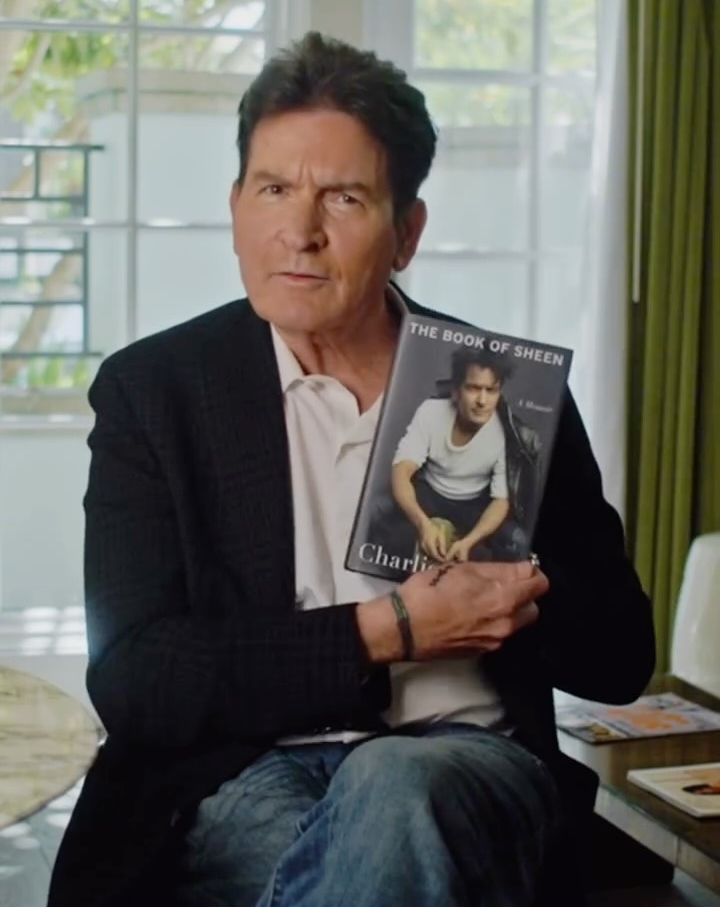
It’s a stark departure from his previous behavior. Gone is the brash, invincible persona that once graced tabloids with “winning” declarations. In its place is a man who, while not glossing over his missteps, seems to finally be at peace with who he is. His reflection on his past is as much about liberation as it is about owning his truth. In an interview with Good Morning America, he describes the act of revealing his same-sex experiences as “fucking liberating.” And let’s be honest: Who wouldn’t feel liberated after years of holding onto a secret like that?
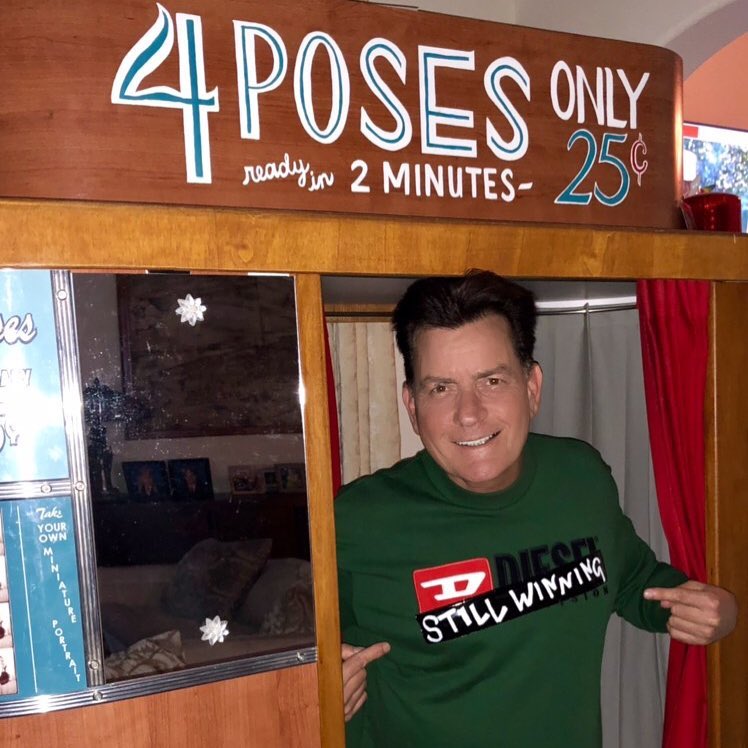
But Sheen’s story isn’t all about sexual exploration and wild behavior. His battles with addiction, public humiliation, and an HIV diagnosis form the backbone of his narrative. In the 2010s, Sheen’s life went from Hollywood royalty to tabloid fodder, culminating in his sacking from Two and a Half Men due to his substance abuse issues. That was followed by a highly public breakdown and a bizarre speaking tour where he declared he had “tiger blood.”
Yet, despite the media circus, Sheen is surprisingly grounded when it comes to his reflections. “It takes two to tango,” he says when discussing his tumultuous relationships and public breakdown. He doesn’t play the victim, but admits regret over some of his more embarrassing moments. The “tiger blood” tour? He wishes it had never happened, calling it “a bad idea.” But in true Sheen style, he offers a wry joke: “I’ve combed through all the mental health manuals, and I’ve never found ‘exploitation’ as a good treatment protocol.”
When it comes to his HIV diagnosis, Sheen’s vulnerability shines. Diagnosed in 2011, he initially kept his condition private, fearing exposure from those he had slept with. His story of being extorted for money in exchange for keeping his HIV status under wraps is heartbreaking. “It did come with a tremendous amount of extortion,” he tells PEOPLE. “I was just like, ‘Alright, let’s just pay to keep it quiet. And just hope it stays over there, make it go away.’”
Eventually, the secrecy became unbearable, and in 2015, Sheen went public with his diagnosis. “I do know for a fact that I never passed it on,” he assures viewers in the documentary, showing that his intention was never to harm others. It’s a poignant moment in his journey—one that underlines the cost of living in fear of being exposed.
Despite these deeply personal challenges, Sheen seems to be finding solace in sobriety. After years of struggling with addiction, he became sober in 2017. Today, he describes his romantic life as “uneventful” but is open to the possibility of love again—though marriage is a hard pass. After two tumultuous divorces, Sheen has no interest in the institution of marriage. “I’m open to love again,” he says, “Probably not marriage, though!”
What’s most striking about Sheen’s admissions isn’t just his honesty, but his unapologetic embrace of who he is. While he could easily play the victim in his own narrative, he doesn’t. Instead, he offers a version of himself that is flawed but free. “I’m not going to run from my past or let it own me,” he declares in the PEOPLE interview, a sentiment that echoes throughout the documentary and his memoir.

The media has often reduced Sheen to a tabloid caricature, a figure to laugh at rather than empathize with. But this new version of Charlie Sheen? He’s someone we can relate to. He’s someone who admits his flaws, his mistakes, and his victories. He’s human, after all.
For those in the LGBTQ+ community—and really, anyone who’s ever struggled with identity, secrecy, or public scrutiny—Sheen’s story offers a certain kind of validation. He’s a man who, after years of self-doubt, shame, and chaos, is learning to accept the truth of who he is. And the truth? It’s messy, it’s real, and it’s absolutely liberating.
You mean to say candid discussion not admission. Even he knows it’s not something to be ashamed of and It’s not a bad thing to US! or to him. You could go so far as to say he is bragging about it.
Yeah, call me when he admits what he did to Corey Haim. Then I’ll pay attention.