


Chris Pappas is officially one step closer to making U.S. Senate history.
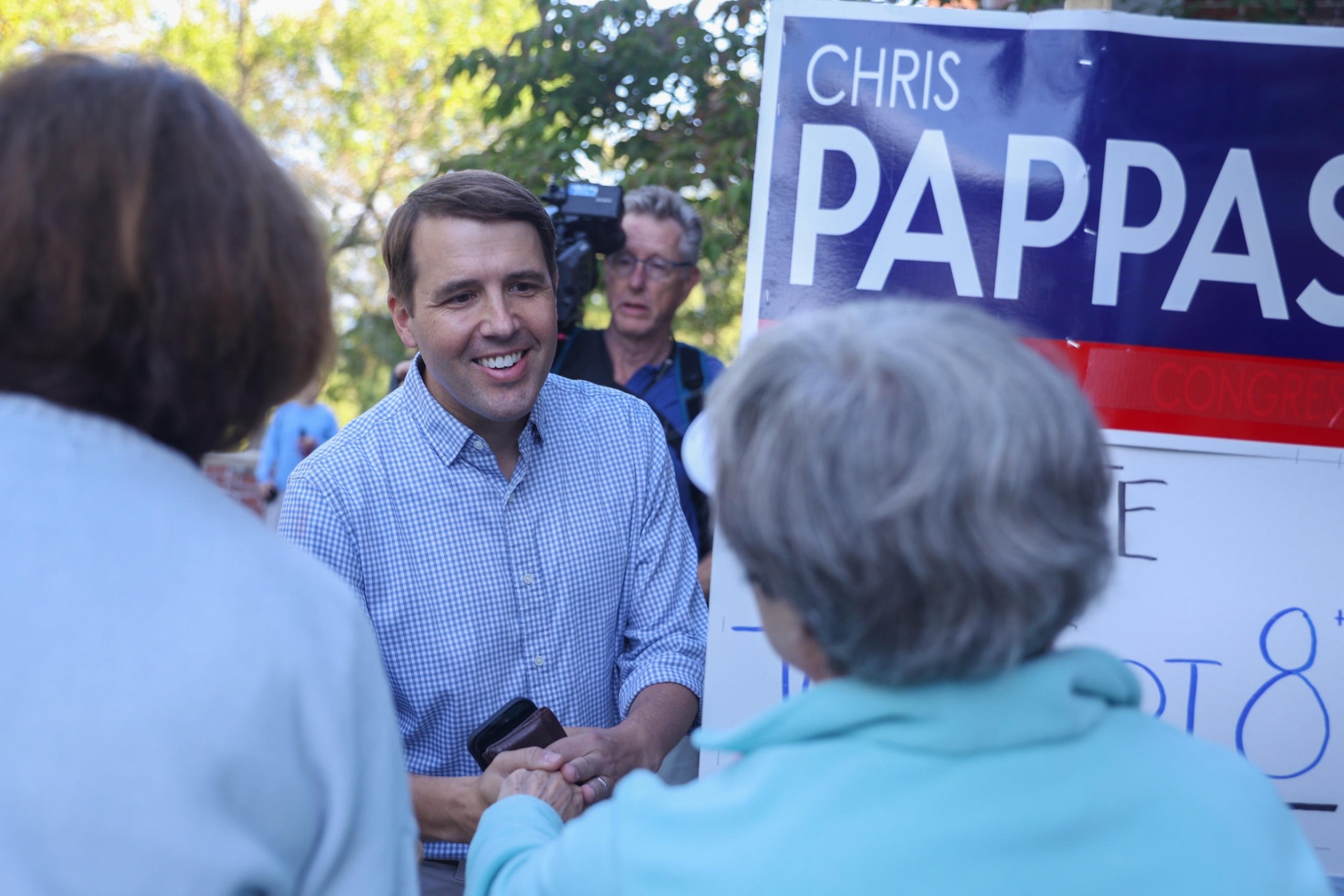
The four-term New Hampshire congressman won the state’s Democratic primary for U.S. Senate Tuesday, advancing to a fiercely competitive November election that could help determine control of the chamber — and potentially make him the first out gay man elected to the U.S. Senate.
RELATED: San Diego Repeals Outdated Bathhouse Law Rooted in the AIDS Crisis
Decision Desk HQ called the race for Pappas at 8 p.m. Eastern, with 21 percent of the vote counted. He received 60.08 percent, defeating progressive medical scientist Karishma Manzur, who received 38.36 percent. Three other candidates also ran.

Pappas will compete in November for the seat held by retiring Democratic Sen. Jeanne Shaheen.
RELATED: Georgia Just Sent Its First Out Gay Man to Congress!
Chris Pappas Has Already Made History in New Hampshire
For LGBTQ+ voters, Pappas’ campaign carries significance well beyond one Senate seat. A Manchester native, he was first elected to the House in 2018, becoming New Hampshire’s first out LGBTQ+ member of Congress. He is a cochair of the Congressional Equality Caucus and has cosponsored the Equality Act, introduced legislation to prohibit the gay and transgender “panic” defense, and advocated for LGBTQ+ veterans.

Now he has a chance to take that history to the Senate. If elected in November, Pappas would become the first out gay man elected to the Senate and only the third out LGBTQ+ senator in U.S. history, following Sen. Tammy Baldwin of Wisconsin and former Sen. Laphonza Butler of California.
Pappas, though, has never made the history-making aspect of his career the whole point.
“I’ve never sought to make history,” Pappas previously told The Advocate. “That’s just happened along the way while I’ve tried to be of use to people in New Hampshire through public service.”
It’s a pretty fitting attitude for someone who has already broken one political barrier without turning the barrier itself into the headline.
November Is Where the Real Fight Begins
Pappas entered the primary as the frontrunner, with a sizable fundraising advantage and endorsements from Shaheen, Sen. Maggie Hassan, former Vice President Kamala Harris, and major LGBTQ+ political organizations.
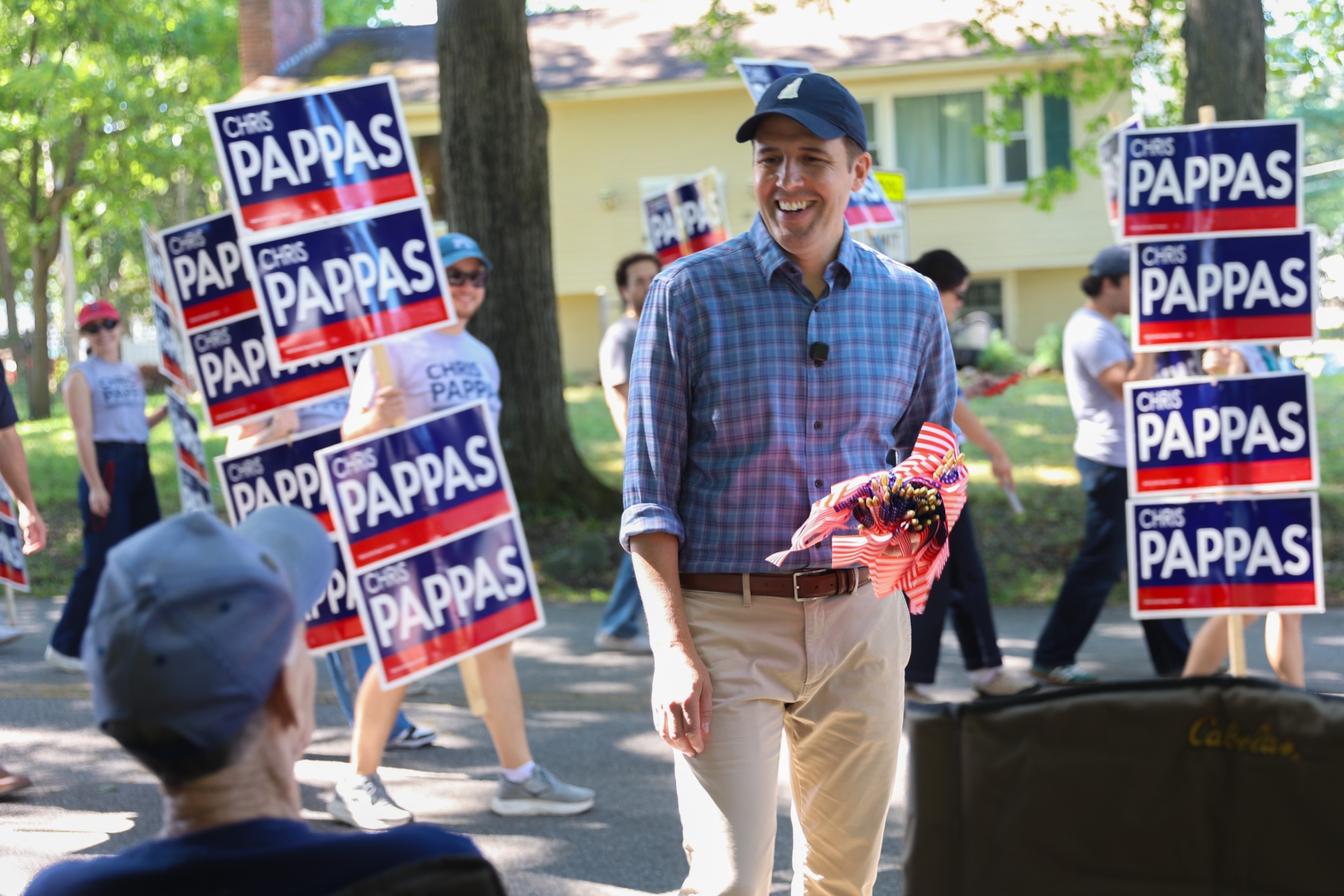
But Manzur gave him a tougher race toward the end of the campaign, challenging him from the left on healthcare, corporate influence, and his support from donors aligned with the pro-Israel lobbying group AIPAC. The Republican primary produced its own familiar matchup.
Former New Hampshire Sen. John E. Sununu faced former Massachusetts Sen. Scott Brown in a contest between two men previously defeated by Shaheen. Sununu represented New Hampshire in the Senate from 2003 to 2009, losing the seat to Shaheen in 2008. He entered Tuesday’s primary with President Donald Trump’s endorsement.
Brown later served as Trump’s ambassador to New Zealand and Samoa. After leaving the Massachusetts Senate seat, he moved to New Hampshire and unsuccessfully challenged Shaheen in 2014.
Decision Desk HQ projected Sununu as the Republican nominee at 8 p.m. Eastern, with 70 percent of the vote and 15 percent of votes counted. That sets up a November contest with considerably more at stake than bragging rights.
LGBTQ+ Voters Are Already Part of the Story
Human Rights Campaign PAC endorsed Pappas and worked to mobilize Equality Voters across New Hampshire ahead of the primary.
HRC President Kelley Robinson also joined organizers and volunteers on the ground during the campaign. Following Pappas’ victory, Robinson framed the result as evidence that voters were looking for candidates prepared to defend rights, freedom, and dignity.
“Tonight’s victory sends a clear message that voters are looking for leaders who will fight for their rights, their freedoms, and to be treated with dignity and respect,” Human Rights Campaign President Kelley Robinson said in a statement.
“Chris Pappas has delivered results, stood up for equality, and showed up for the people he serves. HRC was proud to mobilize Equality Voters across New Hampshire to help power this win. We don’t have a second to waste between now and November. We look forward to continuing our work with Rep. Pappas as he drives toward victory in November so he can help return a pro-equality majority to the United States Senate.”
According to HRC, Equality Voters include more than 300,000 people in New Hampshire. The organization describes them as a powerful and diverse voting bloc united by support for LGBTQ+ equality, and says they are younger, more racially diverse, and more female than the general electorate.
HRC PAC has also made significant investments in New Hampshire over the years, working to elect pro-equality candidates and defend LGBTQ+ protections. Now, that work moves into the general election alongside Pappas.
Pappas’ LGBTQ+ Record Has Also Faced Scrutiny
Pappas’ record on LGBTQ+ issues isn’t without complications. He was the only LGBTQ+ member of Congress to support a 2024 defense bill that prohibited Tricare, the military’s health insurance program, from covering gender-affirming care for transgender minors.
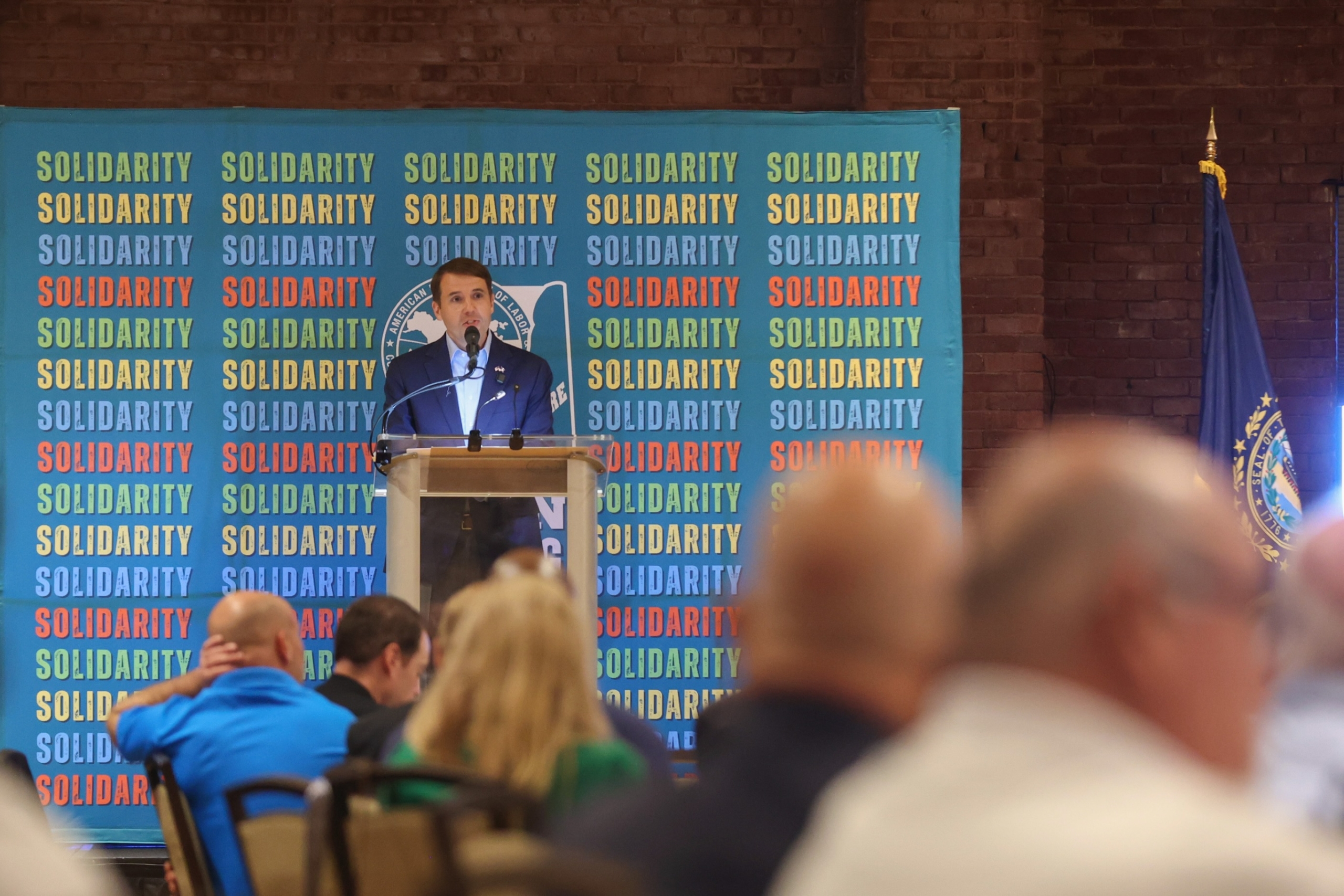
Pappas told The Advocate that he opposed the provision but backed the larger legislation because of its military pay and shipyard investments.
That decision has become part of the broader conversation around his record: He has established himself as an LGBTQ+ advocate while also facing criticism over specific policy choices.
For now, though, his primary victory puts the history-making possibility firmly on the November ballot.
If Pappas wins, he would become the first out gay man elected to the U.S. Senate and only the third out LGBTQ+ senator in U.S. history. The history may not be what Pappas set out to make. But if he wins in November, history will certainly have something to say about it.