

In an era where political parties seem to care more about the drama than the details, Oregon State Representative Cyrus Javadi has made a rare and, frankly, refreshing move: he’s flipping from Republican to Democrat. His reasoning? It’s a potent mix of personal experience and a growing disillusionment with a party he feels has lost its way—especially when it comes to the rights of LGBTQ+ individuals.
RELATED: Holcomb ‘Republicans Hate Homosexuals’ & He’s Proud Of It
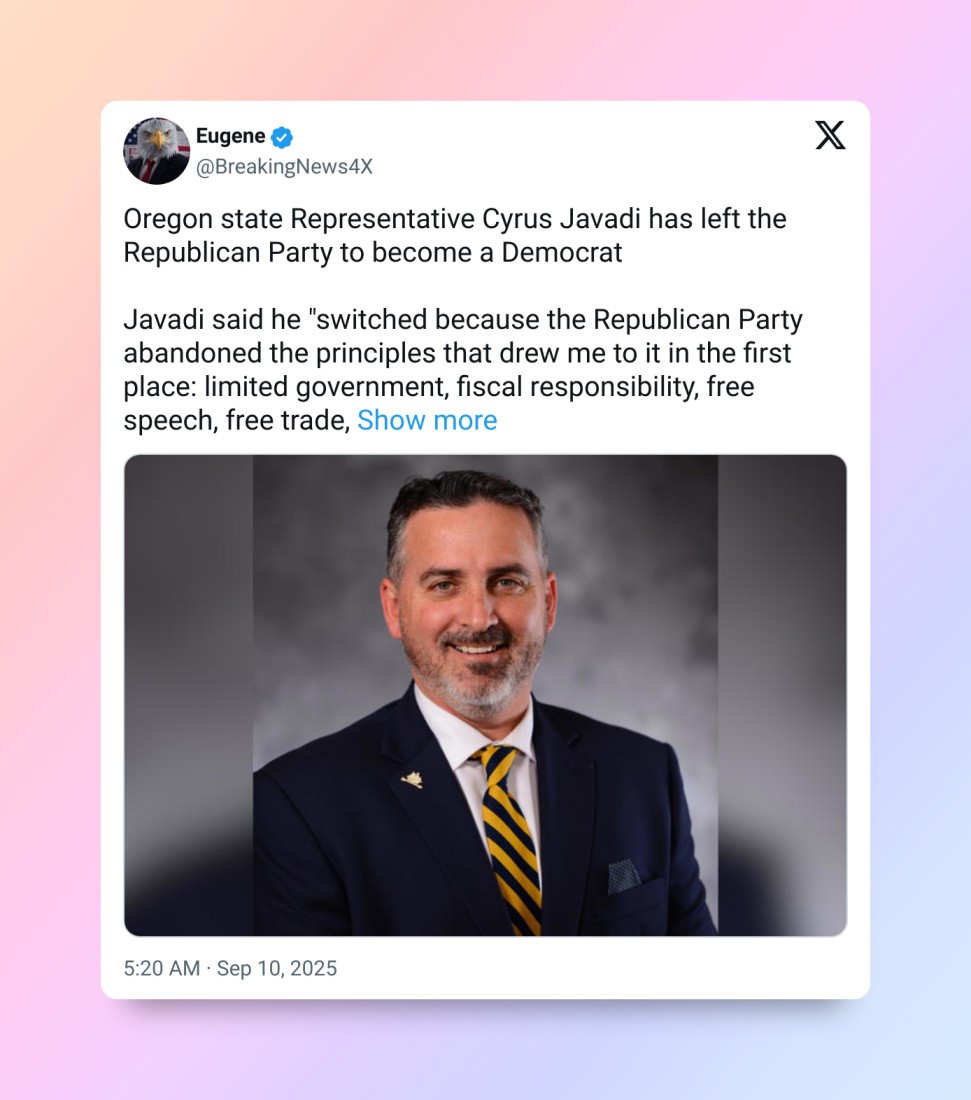
Javadi, who has represented Oregon’s 32nd District, announced his shift Friday, making waves not only in his home state but across the political spectrum. With this decision, he brings the Democratic majority in Oregon’s House of Representatives to 37 out of 60 seats. His decision, posted on his Substack page, has already generated a lot of conversation—and for good reason.
A Gay Son, A Book Ban, and the Constitution: The Catalyst for Change
There’s no sugarcoating it: Javadi’s 180-degree turn was sparked by a combination of personal experience and outrage over the Republican Party’s recent actions. At the heart of his decision? His son, who happens to be gay. A father’s love is a powerful motivator, and Javadi’s decision to publicly break ranks with his former party, which has been increasingly hostile toward LGBTQ+ rights, is an example of that love in action.
RELATED: Democrat Mackay to GOP Bayse: “You Might Win Today, But You Will Lose”
“I know many Republicans who still share my values, but the party apparatus is headed somewhere else entirely,” Javadi wrote. “It’s not about governing. It’s about burning things down. It’s about isolating minority communities when politically convenient. It’s about waving the Constitution when it helps your argument and ignoring it when it doesn’t. That’s not conservative. That’s opportunistic. And it corrodes everything it touches.”
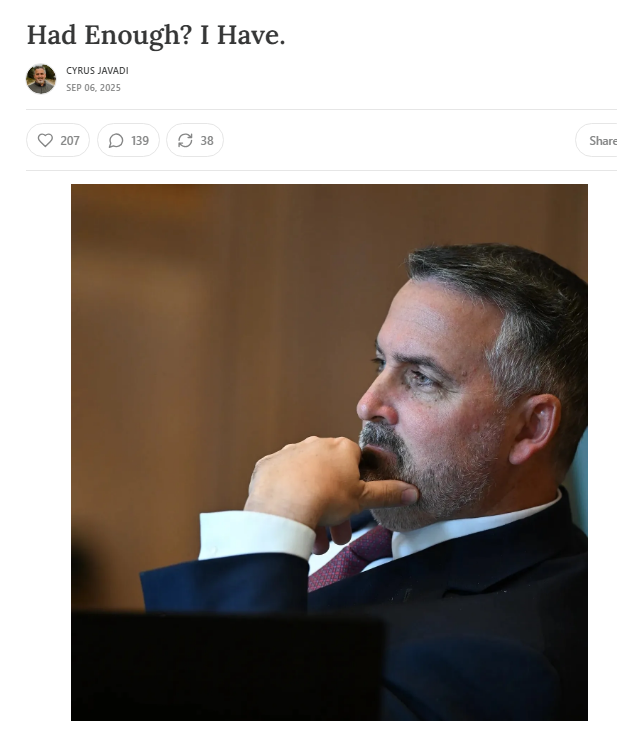
And while many of us might expect to hear a politician complain about the lack of bipartisanship, Javadi’s criticism cuts to the bone. It’s about the consequences of the GOP’s culture war. Specifically, the book bans that have been sweeping across the country. When we talk about banning books, we’re not just talking about “pornography”—as the GOP would like to frame it—but about the silencing of stories that reflect the diversity of experiences, particularly those of marginalized groups.
“Then came the so-called ‘book bill.’ Republicans framed it as stopping pornography in schools, ignoring the fact parents already can challenge any book,” Javadi wrote. “The real issue was whether kids—gay kids like my son, Black kids, Muslim kids—could still find stories on the shelves that reflect their lives.”
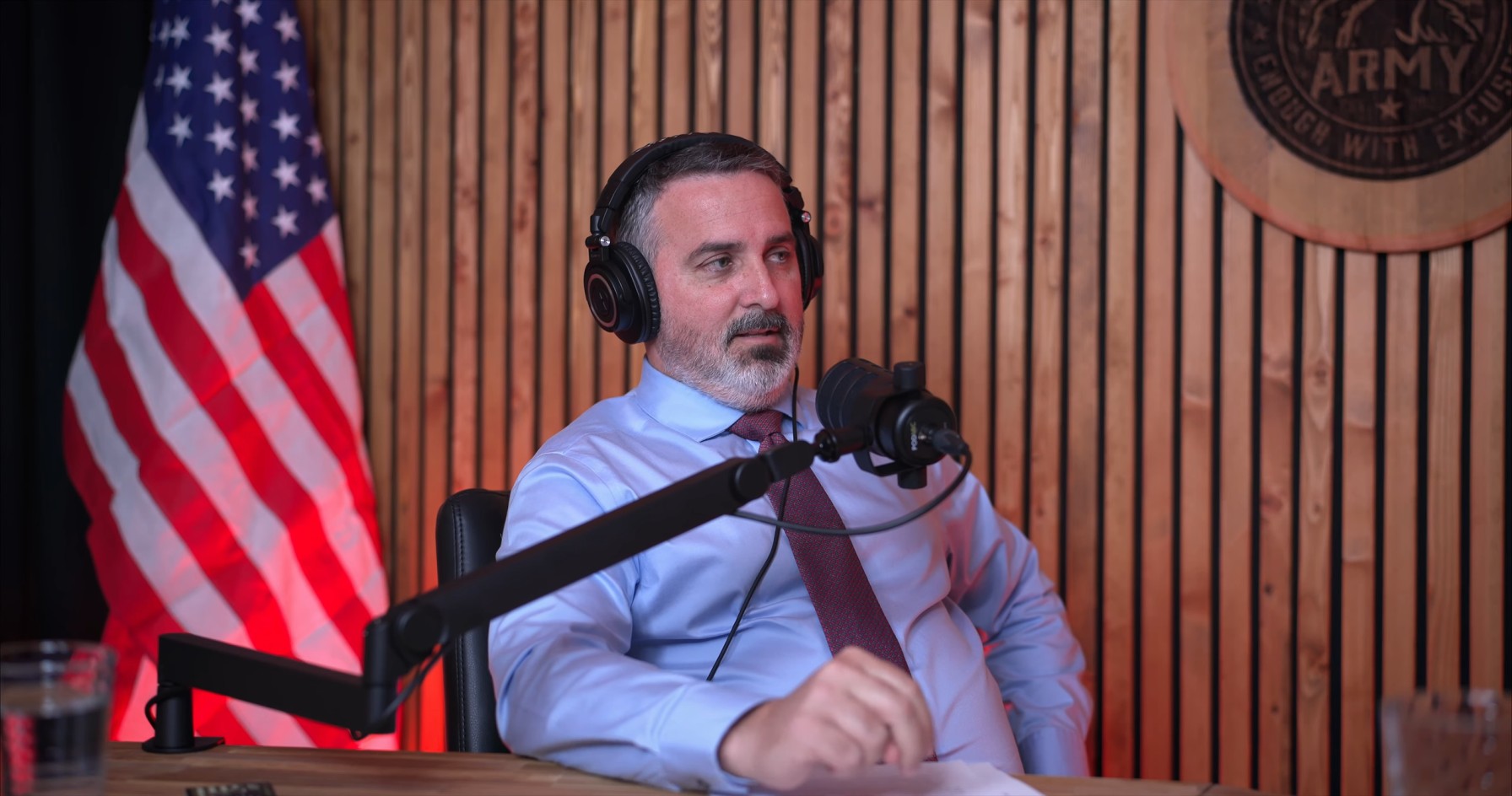
For Javadi, this is personal. And while some might see it as an isolated issue, he’s not alone in recognizing the far-reaching implications of such bans. After all, in a world where kids are already bombarded with messages about who they should be, shouldn’t we at least let them read stories where they can see themselves reflected?
As Javadi puts it, opposing this kind of censorship isn’t about being “woke.” It’s about something much more fundamental: being American. “The First Amendment doesn’t exist to protect the majority view; it exists to protect the minority, the unpopular, the voices some people would rather not hear.” Amen, Rep. Javadi.
The GOP’s Loss, The Dems’ Gain
Now, don’t get it twisted—Javadi isn’t pretending that the Democratic Party is without flaws. In fact, he’s quick to acknowledge that he doesn’t align with them on every issue. However, he believes the Democrats have at least been able to focus on the important work of governing. Something the GOP has, in his words, abandoned in favor of viral outrage.
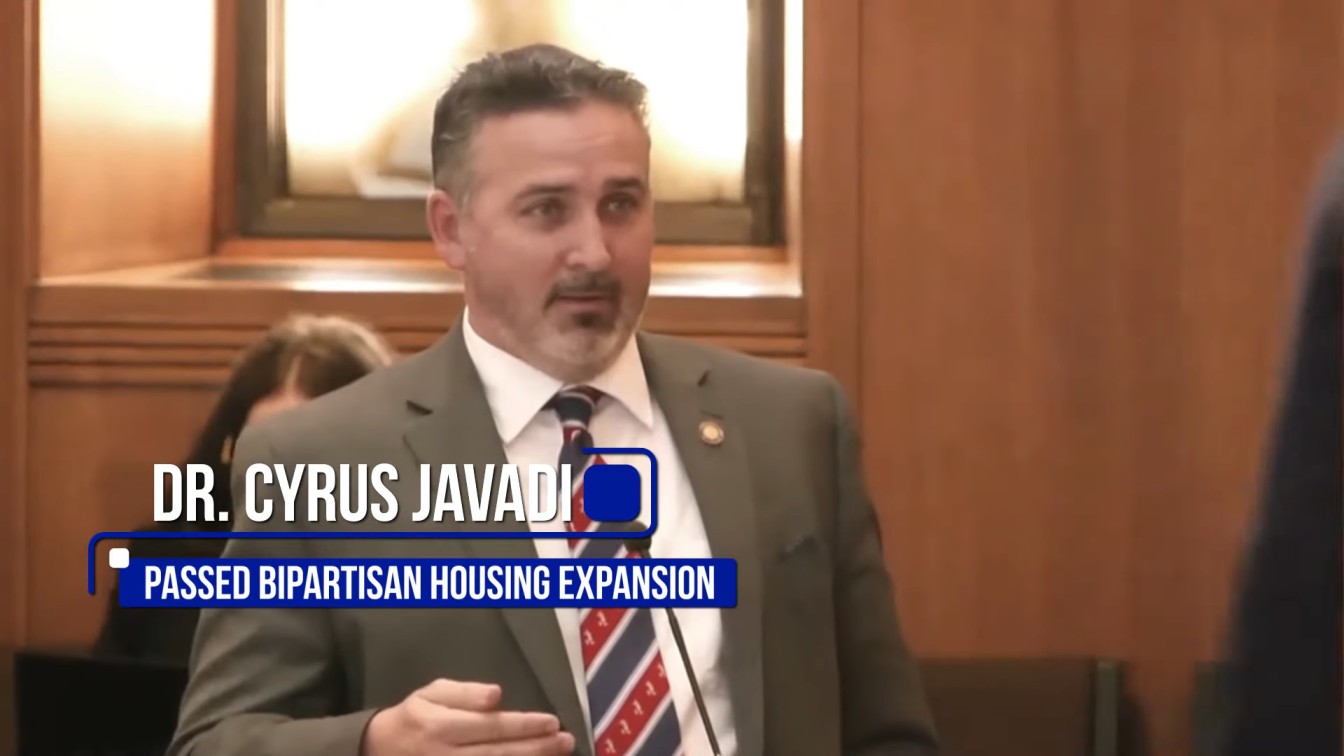
“Yes, I’m switching to the Democratic Party. Not because Democrats are perfect, they’re not. But they’re acting like a governing party,” Javadi writes. “They’re willing to debate ideas on the merits. To defend constitutional principles. To protect minority rights. To do the unglamorous, often thankless work of actually fixing things.”
In other words, the GOP’s love affair with the so-called “culture wars” has finally tipped the scale for Javadi. He saw firsthand how issues that didn’t align with the GOP’s agenda—like Medicaid for children and rural healthcare—were ignored or flat-out rejected, simply because they didn’t fit into the partisan box. “Not because the policies were flawed, but because helping me deliver for my district didn’t fit the Republican Party’s agenda.”
So, while the Democrats might not be perfect (no party is), at least they’re getting stuff done. You know, the boring, behind-the-scenes stuff that actually helps people.
Where Does This Leave Us?
In a political world where it’s hard to see much common ground, Rep. Javadi’s decision is a reminder that it’s still possible for politicians to make decisions based on principles, personal experience, and a desire to see change. His switch doesn’t just reflect his frustration with the GOP—it reflects a profound desire to protect his son’s right to exist, and thrive, in a world where the majority still holds the power.
While we may never know exactly what moment caused Javadi to realize that the party he once aligned with no longer fit his values, his parting words offer hope: “I haven’t forgotten” the importance of standing up for what’s right, even when it’s not politically expedient.
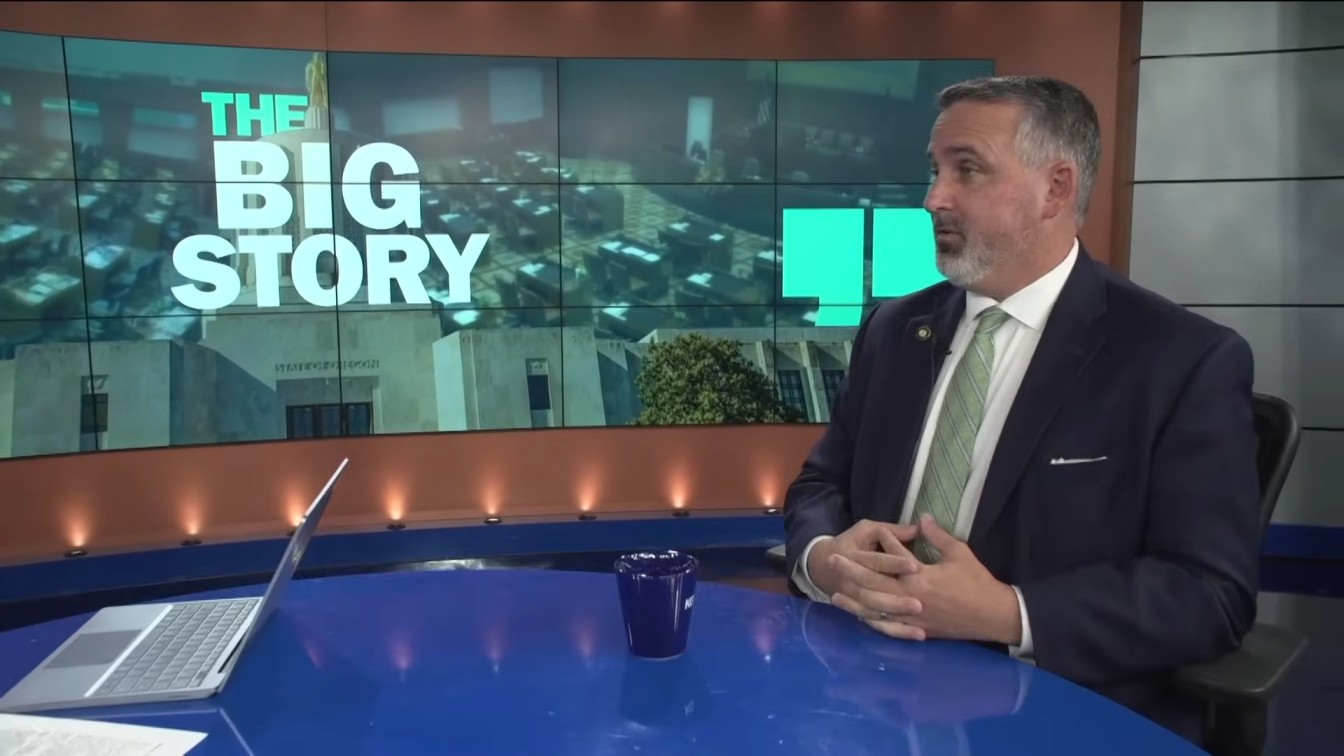
For many LGBTQ+ folks, his story will resonate deeply. It’s not just about party lines—it’s about protecting our voices, our stories, and our rights. In a time when so many are working hard to silence us, Javadi’s decision is a powerful reminder that even within the halls of power, there are those willing to take a stand. Here’s hoping more follow his lead.
After all, if a father can do it for his son, maybe it’s time for the rest of us to take a page from his book—no matter who’s trying to ban it.
Source: Substack