


Apple has officially entered the most awkward part of long-distance romance: the FaceTime call that is already a carefully choreographed thing, where lighting is checked, Wi-Fi is prayed over, and emotions are packed tightly so nothing drops mid-sentence. Then Apple arrived with what can only be described as a digital chaperone that interrupts at the worst possible moment.
RELATED: The End of Tim Cook’s Apple Era (But Not Quite Goodbye)
The new iOS “sensitivity warning” feature has social media users doing double takes after it started flagging nudity during FaceTime and other Apple apps, blurring content and displaying a warning screen meant to prevent unwanted explicit material. On paper, it’s a safety upgrade. In practice, it’s been showing up in places where nobody asked for supervision — especially between consenting adults trying to maintain relationships across cities, countries, and time zones.
RELATED: Queer Content Blocked: ‘Jesus-Centric’ Network Censors LGBT Access
TikTok user Jamie Knowles demonstrated the exact kind of interruption that has people losing patience. He was on FaceTime with his long-distance boyfriend while in the shower when the phone decided to intervene.
@jamieknowles3111
“It literally pops up with a warning,” he said in a video over the weekend. “It blocks your screen, like, ‘Are you sure you should be doing this? No-one’s forcing you to do anything? If someone is forcing you please call this number,’ and I’m like, ‘No, carry on.”
The moment lands somewhere between helpful safety feature and overprotective parent who refuses to leave the room.
When your phone becomes the third wheel
Long-distance relationships already rely heavily on screens doing emotional heavy lifting. FaceTime is basically the substitute for shared dinners, casual check-ins, and the kind of intimacy that usually requires being in the same zip code. So when a device suddenly interrupts that with a moral checkpoint, the reaction online has been less “thank you Apple” and more “please let us live.”
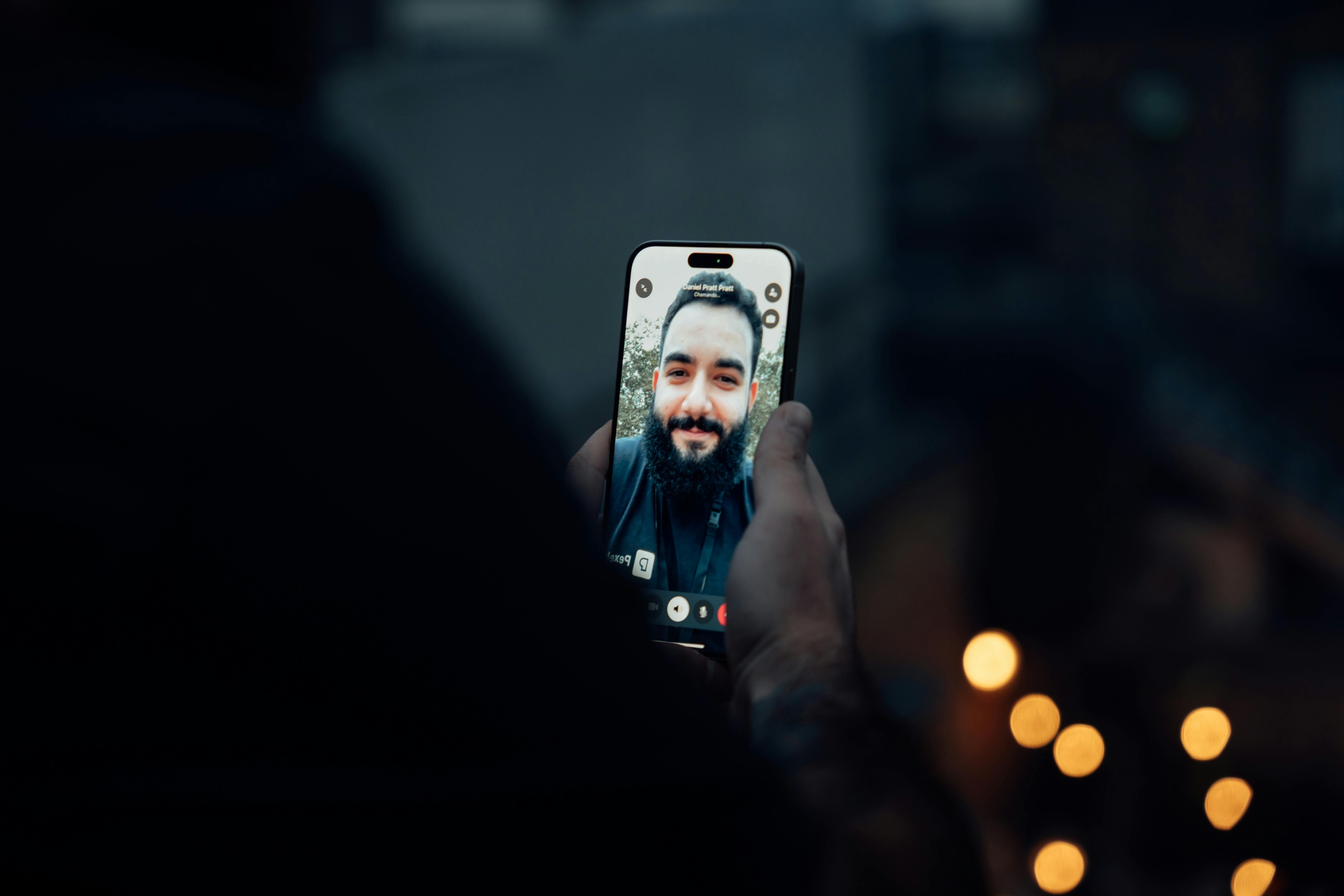
Knowles later explained the impact in very unfiltered terms: “This is a big issue for people in a long-distance relationship, must I say.”
He continued: “You can turn it off, and I have turned it off, and it is primarily for children. But still, regardless, panicked me a little bit because I was like, I can’t go four months without seeing something. That’s taking the p***, I can’t go that long. Shocked me, I must say.”
Elsewhere online, people quickly started comparing notes, and it turns out the experience is not exactly rare.
The part where everyone starts overthinking their phone
As clips spread, a second wave of concern kicked in: the idea that someone at Apple might be watching or reviewing what gets flagged.
@lauradingdangdo Update for use all 🤣 #foryoupage #fyp #viral
Apple’s official explanation is much less dramatic. The detection happens on the device itself, meaning the company does not directly access the images or videos during normal use. There is an exception, though: if someone reports content, it can be sent to Apple for review, and in some cases forwarded to law enforcement.
So no, there isn’t a person in Cupertino silently witnessing your chaotic shower FaceTime era. The system is automated, even if it occasionally feels like it’s judging you.

What this update has unintentionally created is a very modern kind of friction: people trying to navigate intimacy through technology that now occasionally pauses everything to ask, in essence, if everyone is sure about their life choices. And for long-distance couples, that pause might be longer than the Wi-Fi lag. Maybe the real question now is how people are supposed to navigate intimacy when even their phones are suddenly part-time moral supervisors and what readers think about that shift in everyday digital life.