


Don Lemon doesn’t exactly dip his toes into political commentary—he tends to cannonball straight into the deep end and then question why the water is controversial in the first place. His latest remarks on Black and gay MAGA supporters did exactly that: blunt, unfiltered, and already setting off the familiar internet cycle of agreement, outrage, and think pieces written at 2 a.m.
RELATED: Gay Dads Speak Out After Clash W/ MAGA Influencer Sparks Legal Battle

At the center of it is a question he keeps circling, like he’s trying to make it make sense in real time—and failing to find a version that feels logically consistent to him.
Don Lemon on Identity, Politics, and MAGA Contradictions
“I cannot understand…”
Speaking about the rise of phrases like “Young, Black and MAGA,” Don Lemon didn’t soften his confusion or wrap it in diplomatic language. He went straight for disbelief:
“I cannot understand, and maybe you can explain it to me. How anyone could be Black and be a MAGA supporter right now with what has happened … with voting rights in this country and what they’re doing? I don’t get it. And some people are defending it, even Black MAGA? Black folks, Black lawmakers, like, what?”
It’s the kind of statement that doesn’t leave much room for ambiguity. He’s not just disagreeing—he’s openly questioning the coherence of the alignment itself, especially in the context of voting rights and broader political treatment of Black communities in the United States.
RELATED: UK Politics Just Went Full 2026: Councillors, Porn, and Public Scrutin
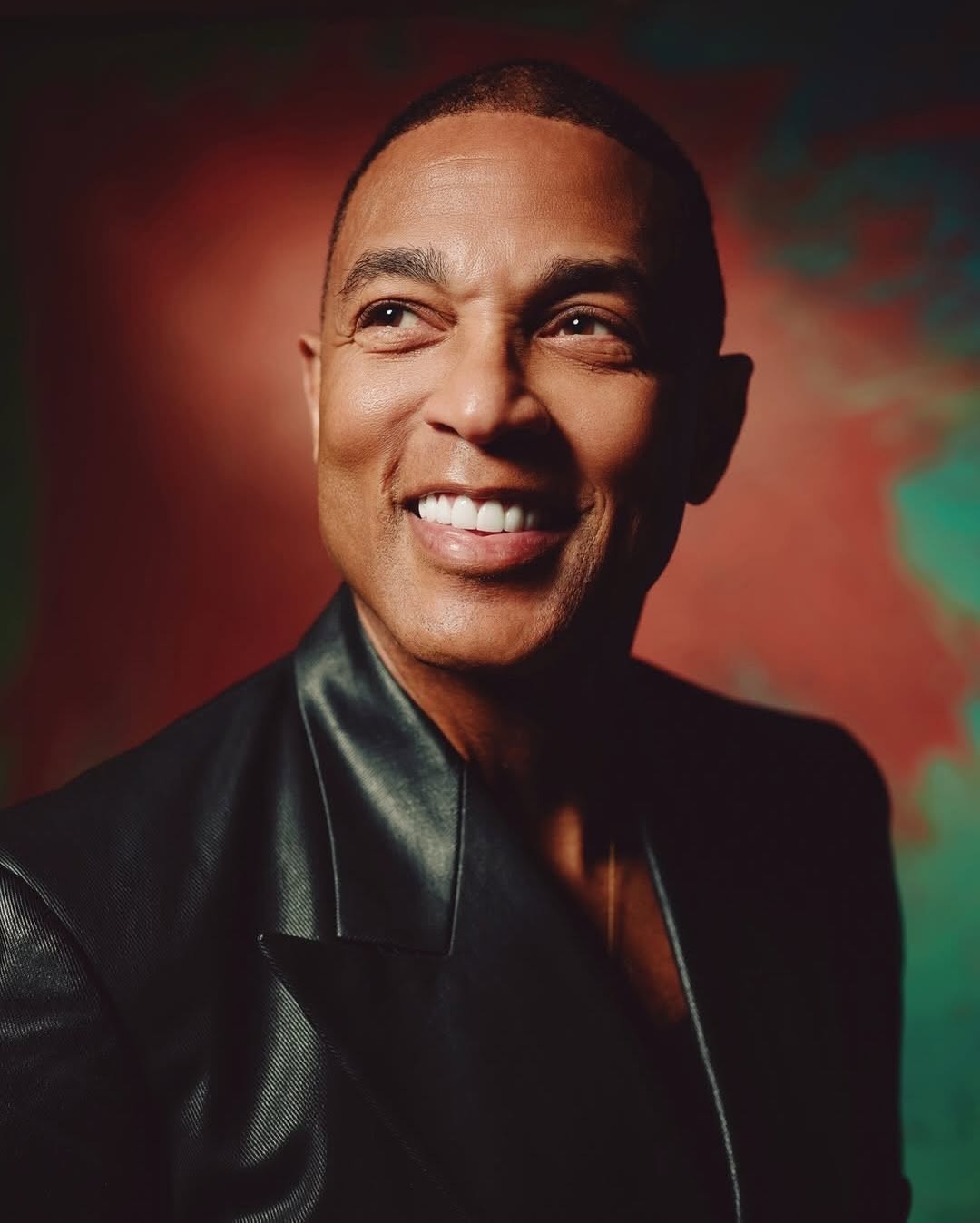
Then he widened the lens further, bringing in gay Republican groups like the Log Cabin Republicans, and the contradiction he sees there.
“It’s similar to the Log Cabin Republicans. I can’t see how … gay Republicans, how gay people can be part of a party that doesn’t even believe that they should exist. That doesn’t believe that they are deserving of the rights of every American. I don’t get that, and I just don’t understand how there are Black MAGA.”
There’s a consistent thread in his argument: not just disagreement with political ideology, but disbelief that some people choose to align with groups he believes actively oppose their own rights.
The labels that followed
By the time he reached the broader cultural framing of identity and politics—especially around younger voters—his language shifted from confusion to sharp classification. Referring to slogans like “Young, Black and MAGA,” he didn’t hold back on how he interprets the mindset behind it.
“I think it was the 2024 election or whatever, people were saying, ‘Young, Black and MAGA’. What? I mean, there are words that I just won’t say here. I think it’s inappropriate. I will say, self-hating is one term that I would use for it. Naive is another term that I would use for it. And then, a milder term would be, “pick me” is another term that I would use for it.”
It’s a layered critique: part frustration, part judgment, part attempt to categorize something he clearly sees as politically and psychologically contradictory.
Don Lemon: “I cannot understand how anyone can be Black and be a MAGA supporter right now especially with what has happened with voting rights in this country. Self-hating is one term I would use. Naive is another term. Pick-me is another term I would use” pic.twitter.com/jP3Lxo0brm
— Marco Foster (@MarcoFoster_) May 15, 2026
He summed it up more directly in a separate remark:
“Don Lemon: “I cannot understand how anyone can be Black and be a MAGA supporter right now especially with what has happened with voting rights in this country. Self-hating is one term I would use. Naive is another term. Pick-me is another term I would use””
The bigger tension underneath it all
What makes this exchange stick is less the shock value of the language and more the underlying tension it exposes: identity versus ideology, and how people reconcile—or refuse to reconcile—the two.
For Lemon, the contradiction is unresolved. For supporters of those political identities, it’s often framed as autonomy, independence from expectation, or rejection of political categorization altogether. And that’s where the divide stays: not just in policy arguments, but in fundamentally different readings of what it means when identity and political allegiance collide.
In other words, nobody in this conversation is arguing about surface-level labels. They’re arguing about whether those labels were ever supposed to predict anything in the first place.