


It’s 2026, and yet stories about homophobia still find their way into headlines—this time surrounding Eurovision contestant Søren Torpergaard Lund, one of Denmark’s brightest hopes at the Eurovision Song Contest 2026.
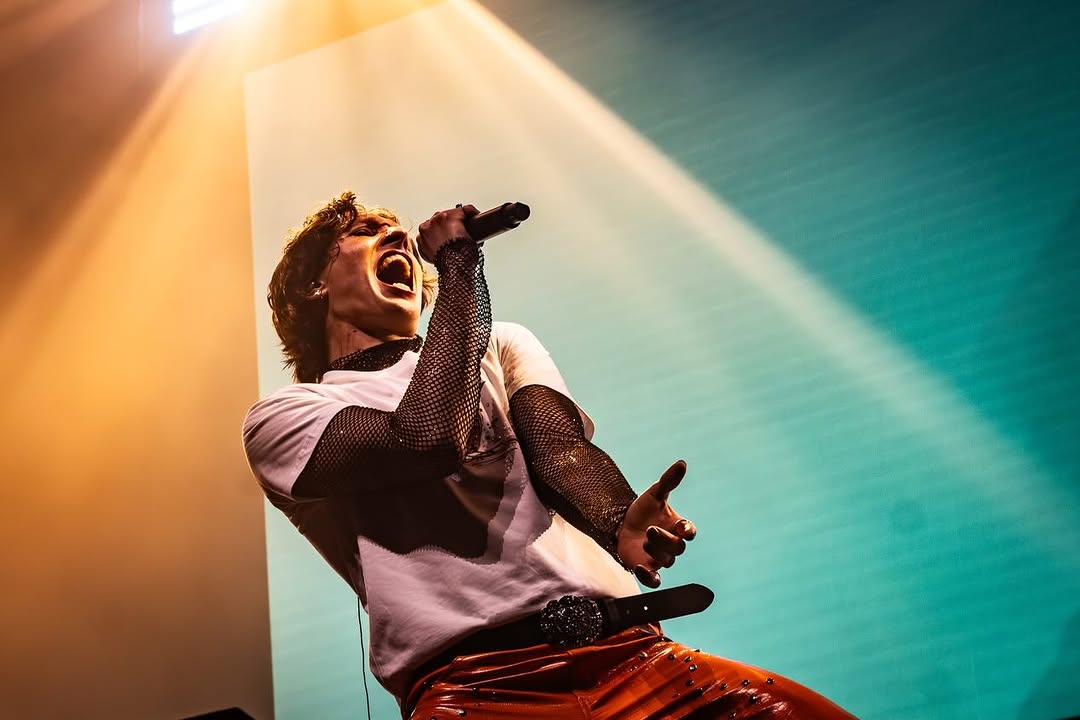
At just 27, Lund has emerged as a standout contender with his electro-pop track For vi går hjem (Before We Go Home), a song that blends vulnerability with pulse. On paper, it’s exactly the kind of emotionally resonant entry Eurovision audiences tend to embrace. But offstage, his journey hasn’t been as celebratory.
The Song That’s Striking a Chord
Lund’s entry isn’t just catchy—it’s personal. Speaking to AFP, he described the song as a reflection on “growing up with love and temptation, and actually giving in to it,” framing those experiences as part of learning and evolving.
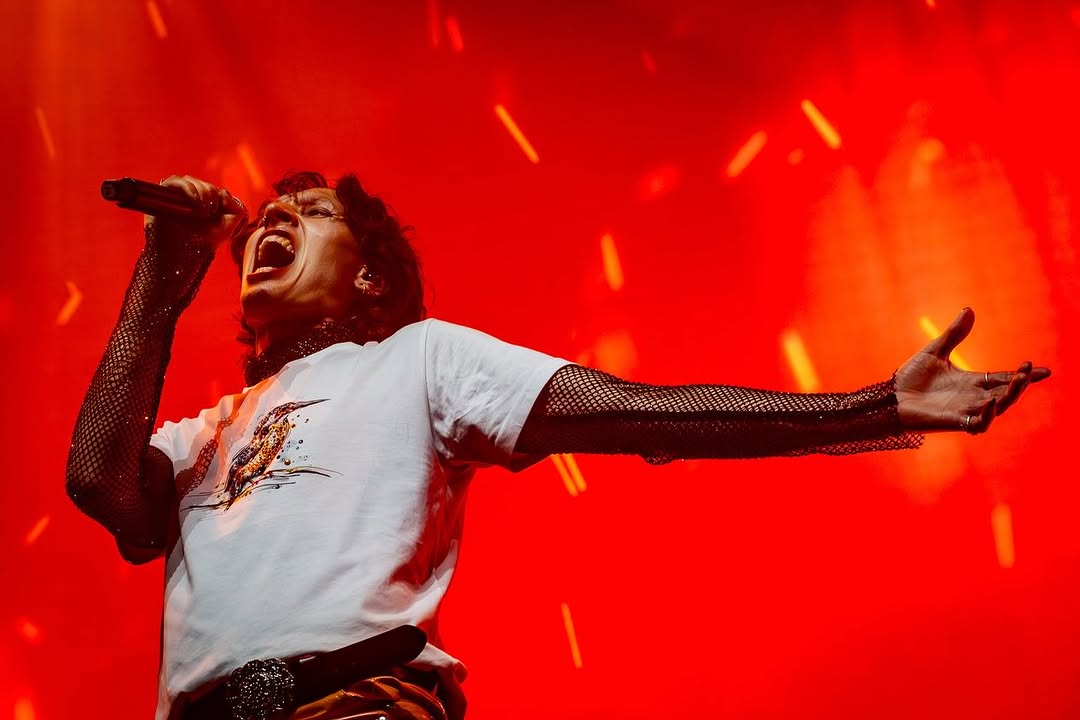
It’s a theme that feels very much in line with Eurovision’s long-standing tradition of storytelling through music. For Lund, it’s also about representation. He has openly credited 2014 Eurovision winner Conchita Wurst as a formative influence, recalling how seeing a queer artist win on such a global stage shaped his own sense of identity.
“It made a big impact on me, just growing up as a queer kid,” he said. “Finding out what my identity was and just putting it out there.”
RELATED: Malta Sends a Sexy Cowboy to Eurovision—and His Name Is Aidan
When Authenticity Sparks Backlash
Despite Denmark’s reputation as a relatively progressive country, Lund has faced a wave of homophobic criticism—much of it triggered simply by being unapologetically himself.
According to his statements to AFP, some critics attempted to pressure him into toning down his performance and image. Others were less subtle. Social media comments included slurs and deeply offensive remarks, ranging from attacks on his appearance to harmful stereotypes like “f*g in fishnets,” “h*mo in a box,” and “HIV spreader.” Just horrible and awful.
It’s a reminder that even in spaces often seen as inclusive, prejudice hasn’t disappeared—it’s just louder in different ways.
@eurovision Søren Torpegaard Lund will bring ‘Før Vi Går Hjem’ to Vienna 2026 for Denmark 🇩🇰 You can watch the full performance of the #Eurovision YouTube channel now 🎶 Unlock exclusive #Eurovision2026 news, early access to tickets and more by creating a free Eurofan account at eurovision.com
Staying Grounded Under the Spotlight
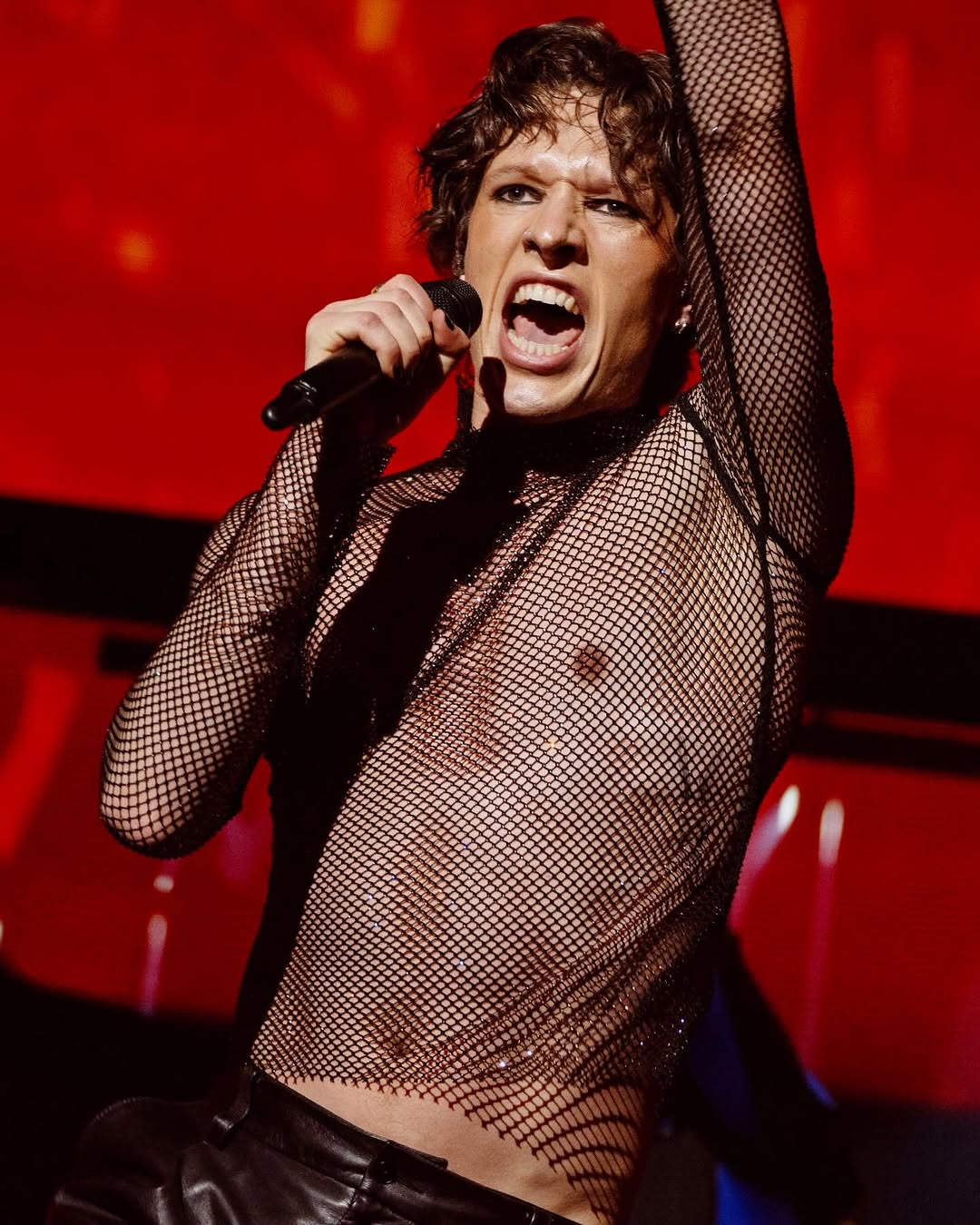
What stands out most about Lund’s response is his clarity. He isn’t pretending the backlash doesn’t exist—but he’s also not letting it define him.
“I’m definitely going to channel just staying true to myself,” he said.
That stance feels particularly relevant in Eurovision, a competition that has long been associated with LGBTQ+ audiences and performers. Over the years, it has served as both a platform for celebration and, at times, a mirror reflecting ongoing cultural tensions.
SUGGESTED: Best AI Boyfriend Apps for Connection and Roleplay
A Complicated Year for Eurovision
Lund’s experience is unfolding during a year when Eurovision itself is under scrutiny. The competition, which has been running since 1961, continues to face debates over participation and broadcasting decisions. Spain, for instance, has recently moved to block the contest from airing, citing concerns linked to broader political issues.
Even so, the event remains one of the most-watched music competitions in the world. The 2026 edition—its 70th—will take place at Wiener Stadthalle, with semi-finals scheduled for May 12 and 14, and the grand final on May 16.
More Than Just a Performance
For Lund, Eurovision is more than a competition—it’s a moment. A chance to stand on an international stage and present not just a song, but a version of himself that refuses to shrink.
And while backlash may be loud, it’s rarely the full story. Eurovision audiences have historically rallied behind artists who bring authenticity, vulnerability, and presence—qualities Lund seems to carry naturally.
@eurovision Céline Dion’s #Eurovision winner – nu på dansk! 🇩🇰 Søren Torpegaard Lund could nail that glory note in any language 🤩 Unlock exclusive #Eurovision2026 news, early access to tickets and more by creating a free Eurofan account at eurovision.com
The Final Round is Nearing
There’s something both frustrating and familiar about this moment. That a rising artist in 2026 still has to navigate homophobia isn’t surprising—but it is disappointing.
At the same time, Lund’s response feels quietly powerful. Not defiant for the sake of spectacle, but steady in its intent: to show up, perform, and remain unchanged by the noise around him.
Because in a competition built on connection, that might be the most compelling performance of all.