

When Broadway star Cheyenne Jackson recently shared his thoughts on his “moderately gay” voice, he didn’t just open up about an aspect of his identity—he touched on something many gay men can relate to: the internal conflict around “sounding gay.”
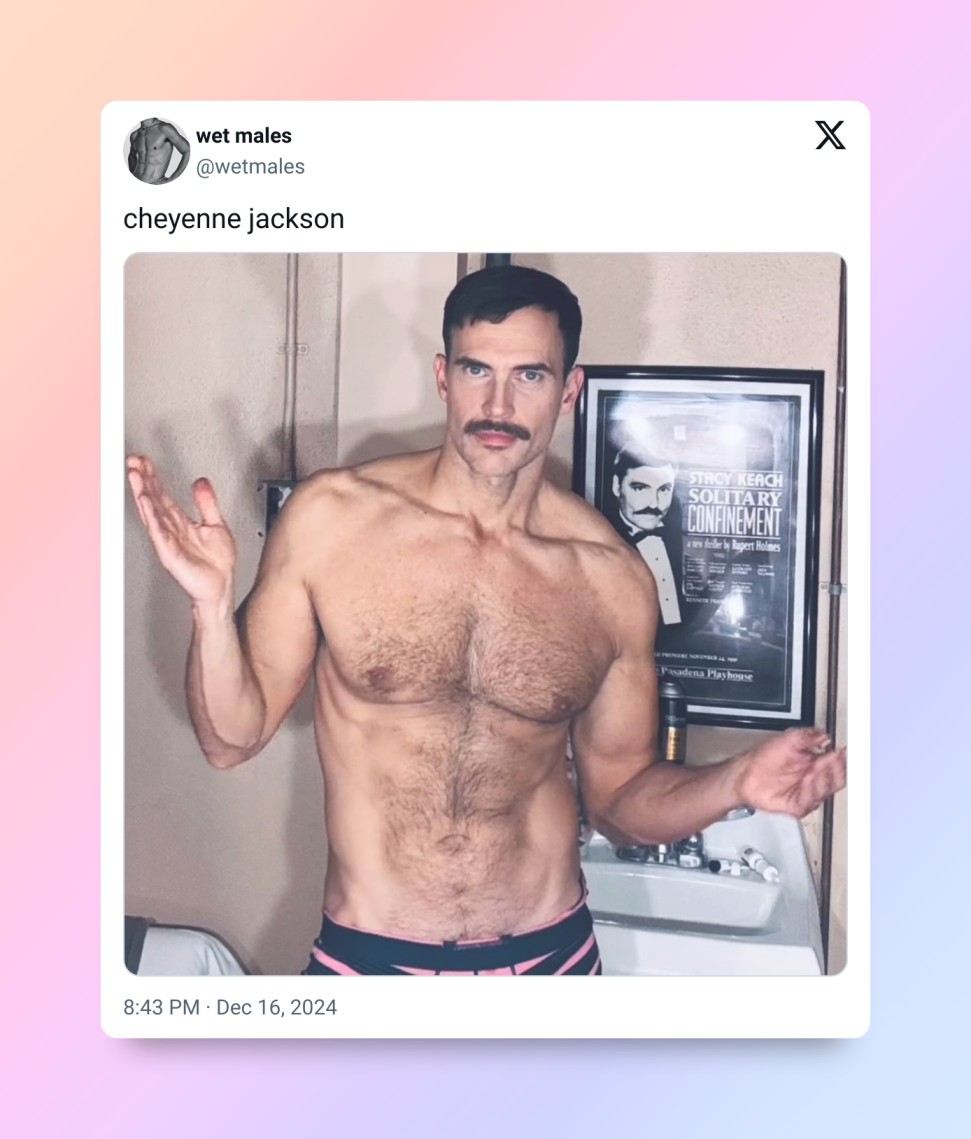
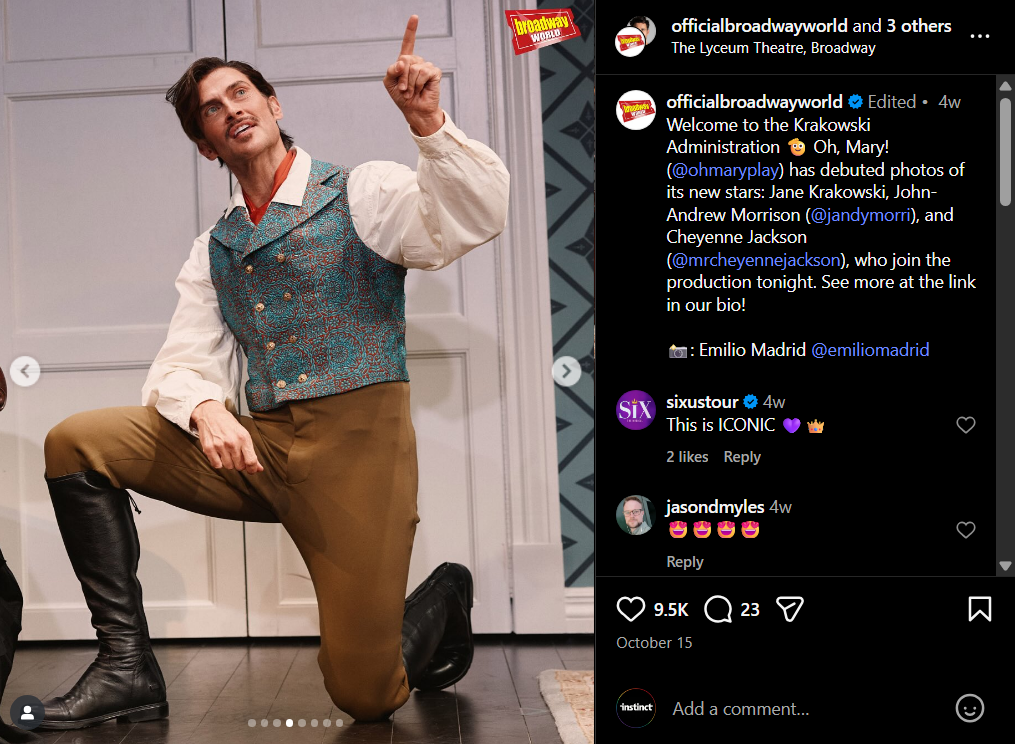
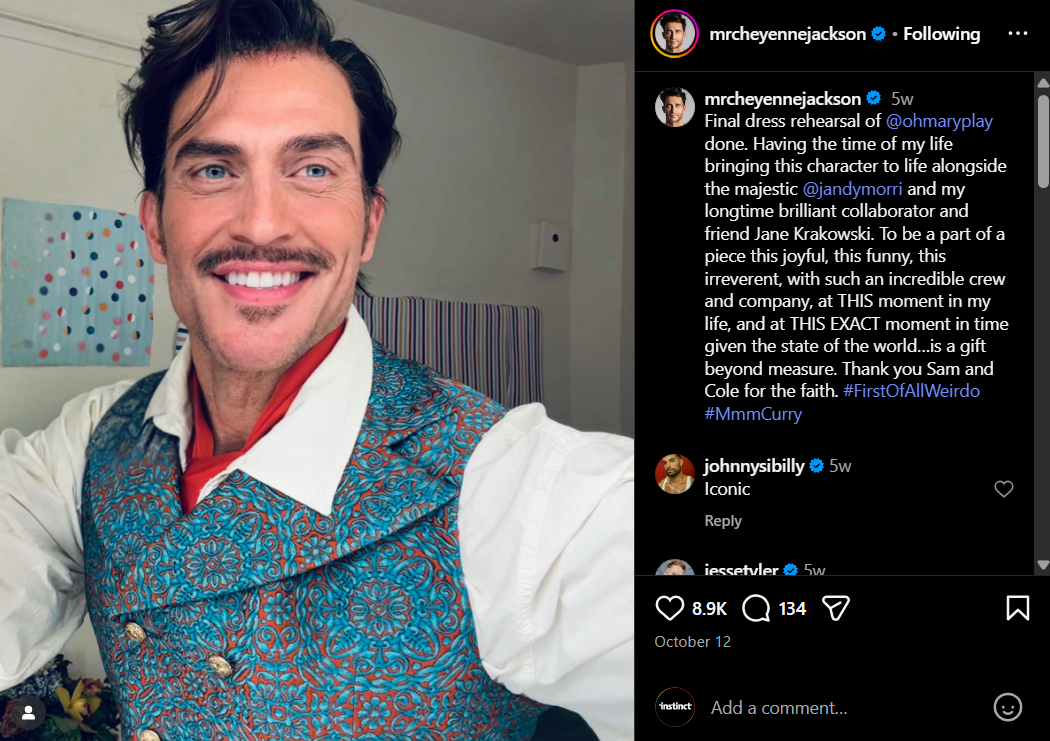
The actor, known for his roles in Glee and American Horror Story, took to Instagram during his Broadway run in Oh, Mary! to reflect on his evolving relationship with his voice. Backstage, he watched an old interview from his Altar Boyz days, where his voice sounded deeper and more traditionally masculine. Jackson’s reaction to the recording? “Who the f*ck is that? ‘Cause that ain’t me.”
RELATED: Front, Back, and Full of Talent: Cheyenne Jackson is on Fire!
@mrcheyennejackson Mirror, She Wrote. Ep.2: GAY VOICE
But what followed was more than just a passing comment. Jackson used this moment to reflect on how far he’s come in accepting his voice and his queerness. “The first thought I had was, ‘Wow, I sound really gay,’” he admitted. “And then I thought, ‘I am gay. What’s wrong with sounding gay?’” For Jackson, that moment marked a shift in how he views himself—and how he wants others to hear him.
Breaking Free from the ‘Passing’ Ideal
Jackson’s journey isn’t just about embracing his “gay voice” in the literal sense. It’s about confronting the internalized shame many of us feel when we don’t fit the stereotypical mold of masculinity. For years, Jackson would adjust his voice or soften his speech to sound more masculine, partly because of the pressure to conform to a narrow view of what a “real man” should be. And like many gay men, he felt a certain thrill when others mistook him for straight. “It used to make me feel really good,” Jackson confessed. “But now, I realize that’s a little f**ked up.”
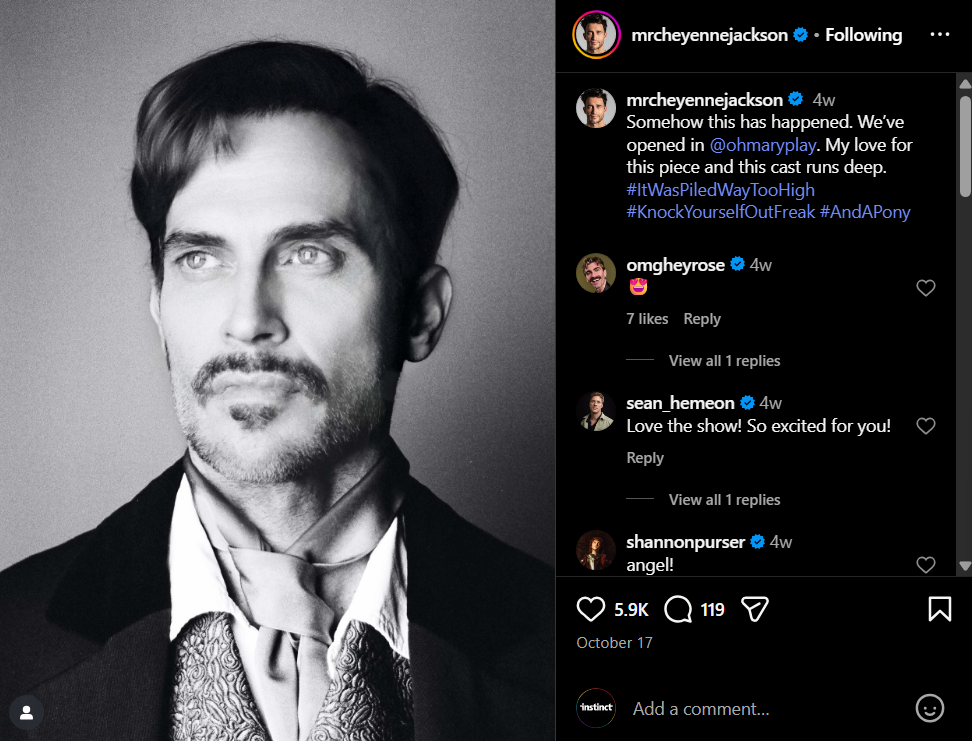
This idea of “passing”—of not being immediately identifiable as gay—was something Jackson grappled with. He admits that at one point, feeling straight-acting gave him a sense of validation, but he now sees how limiting and unhealthy that was. His voice, just like his identity, belongs to him—and no one else gets to define it.
The Power of Confidence in Voice
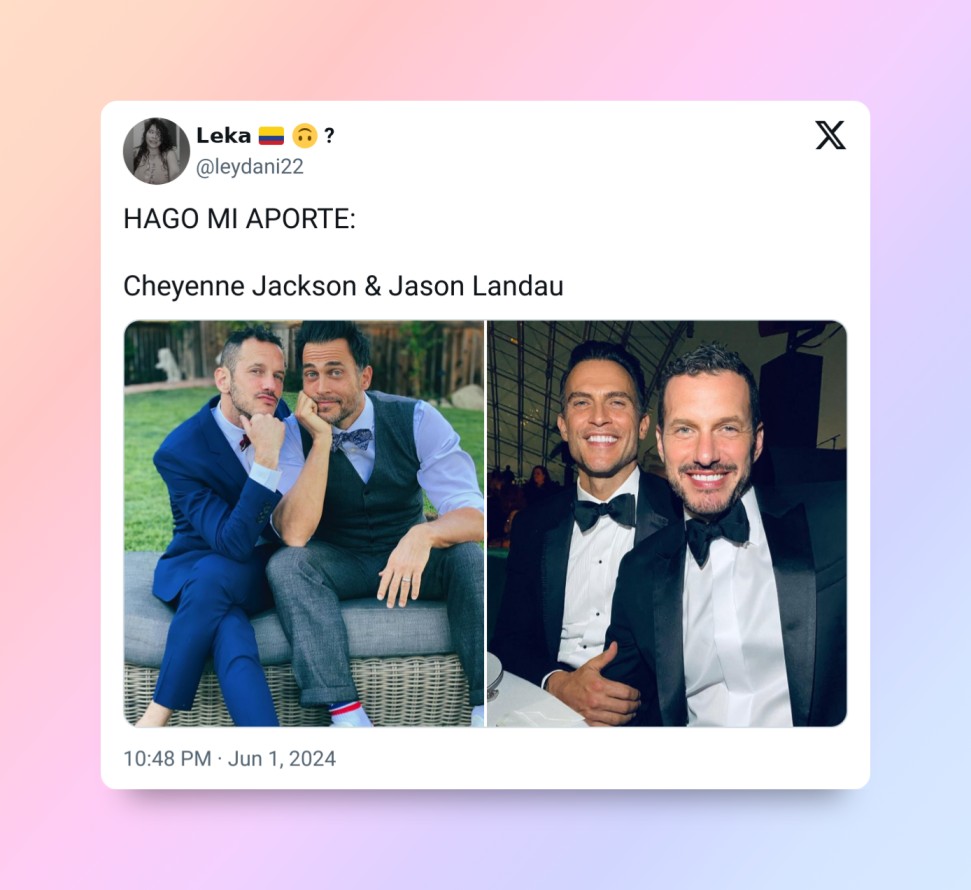
Jackson’s reflections also point to something much bigger than just voice. His admiration for his husband, Jason Landau, who Jackson says “everybody from here to Beirut can tell is gay,” highlights the power of confidence in owning one’s identity. Landau, with his unashamed, effusive self-expression, represents everything Jackson now loves about queer confidence. “That’s what I love about him,” Jackson says. “He knows who he is. And that is so hot to me.”
Gay Voice and the Broader Cultural Conversation
Jackson’s commentary on “gay voice” is part of a larger cultural conversation about masculinity, self-acceptance, and the ways gay men navigate the world. The concept of “gay voice” is something many gay men wrestle with, particularly in relation to the pressures of masculinity. A recent article in Psychology Today noted that many gay men consciously or unconsciously adjust their voices, trying to sound more “masculine” to avoid judgment or rejection. The study showed that a significant number of gay men report dissatisfaction with their voices, underlining just how deeply ingrained these feelings can be.
This issue is compounded by a hypermasculine dating culture that exists on apps like Grindr and Sniffies, where terms like “masc for masc” signal a preference for those who conform to traditional ideas of manhood. But, as Jackson has pointed out, masculinity isn’t a one-size-fits-all model. It’s a fluid, personal experience, one that can be defined by strength, vulnerability, and authenticity, rather than rigid expectations.
Embracing Your Voice: A Step Toward Freedom
The path to self-acceptance can be long and complicated, especially when it comes to reclaiming our voices. For many of us, the journey involves undoing years of internalized messages about what it means to be “enough” as a man. Jackson’s story shows that embracing your voice—whether it’s high-pitched or deep, flamboyant or reserved—is a form of reclaiming power. As he put it, “My internalized homophobia is done,” and that acceptance of himself, in all his authenticity, has set him free.
Whether you sound “moderately gay” like Jackson or you’ve got a voice that could stop traffic on Broadway, there’s nothing wrong with it. Your voice is a reflection of who you are—and embracing it is the key to owning your identity, on your own terms.
Source: LGBTQ Nation and Psychology Today