

For many LGBTQ people, especially those living in countries where discrimination, violence, and criminalization are already realities, support organizations are not simply advocacy groups. They can be the place you call when you are attacked, the lawyer who helps you fight an arrest, the clinic providing HIV services, or the shelter that gives you somewhere safe to sleep.
Now, many of those safety nets are disappearing.
How Did We Get Here?
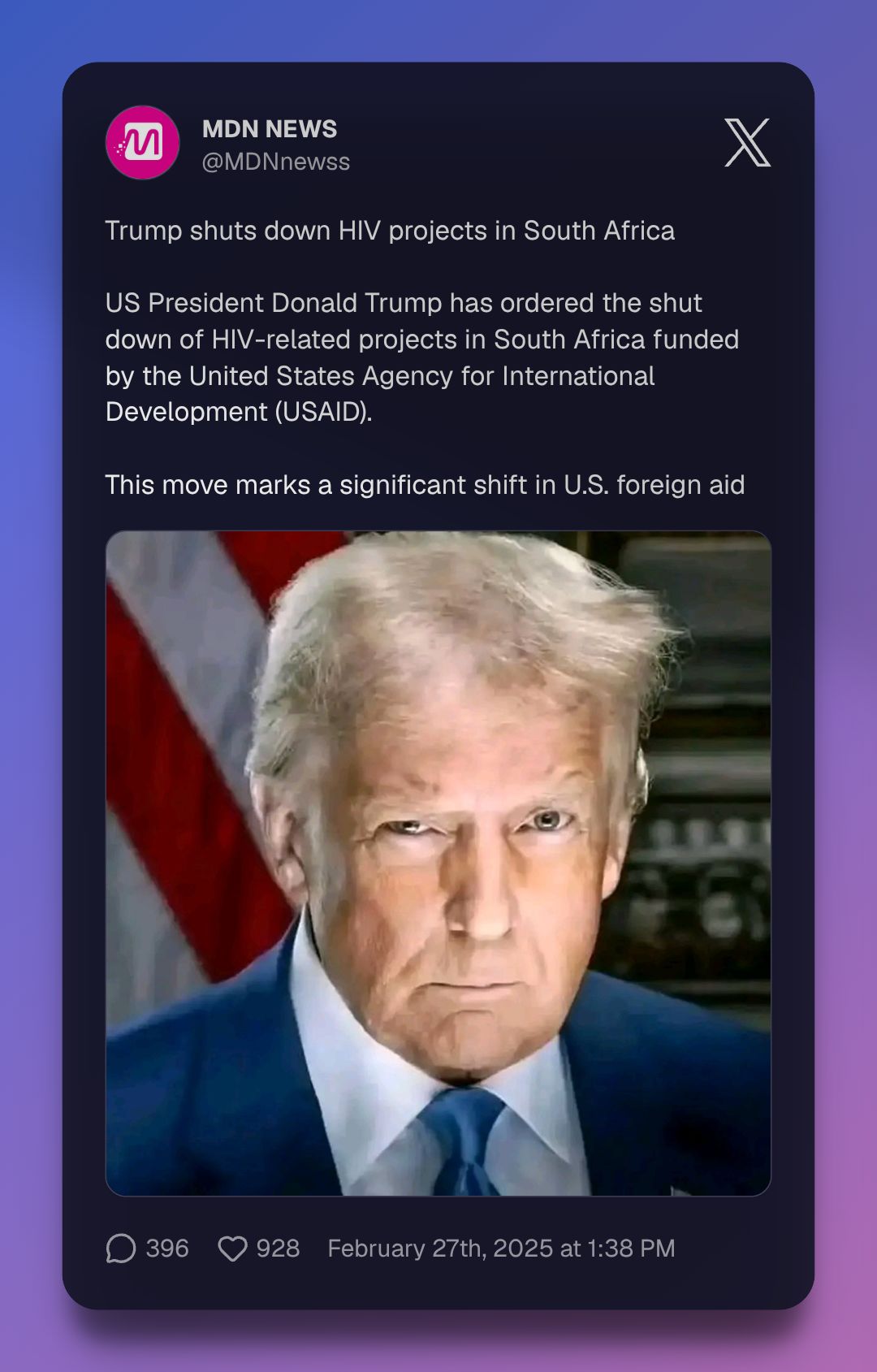
On January 20, 2025, President Donald Trump issued Executive Order 14169, ordering a 90-day pause on U.S. foreign development assistance while programs were reviewed. The order was operationalized through stop-work directives that forced organizations around the world to halt programs, lay off workers, and close or scale back services.
Outright International documented the early consequences in its February 2025 report, finding that organizations had already been forced to suspend work involving violence prevention, mental health, HIV services, legal aid, livelihoods, and emergency shelters.
The Global Equality Fund was particularly significant. Since its creation, the U.S.-backed initiative had distributed more than $100 million across more than 100 countries to support LGBTQI+ human rights defenders and community organizations. Outright says the fund ultimately closed in April 2025.
USAID also ceased operating as an independent agency in 2025, while the broader foreign-aid system underwent major restructuring. At the same time, disruptions to global HIV funding began affecting community-led services. The World Health Organization reported closures and interruptions involving HIV prevention, testing, treatment, and services for key populations, including gay and bisexual men and transgender people.
READ: The Republican Convention Is Getting a Very Gay Undercover Operation
The Snowball Effect
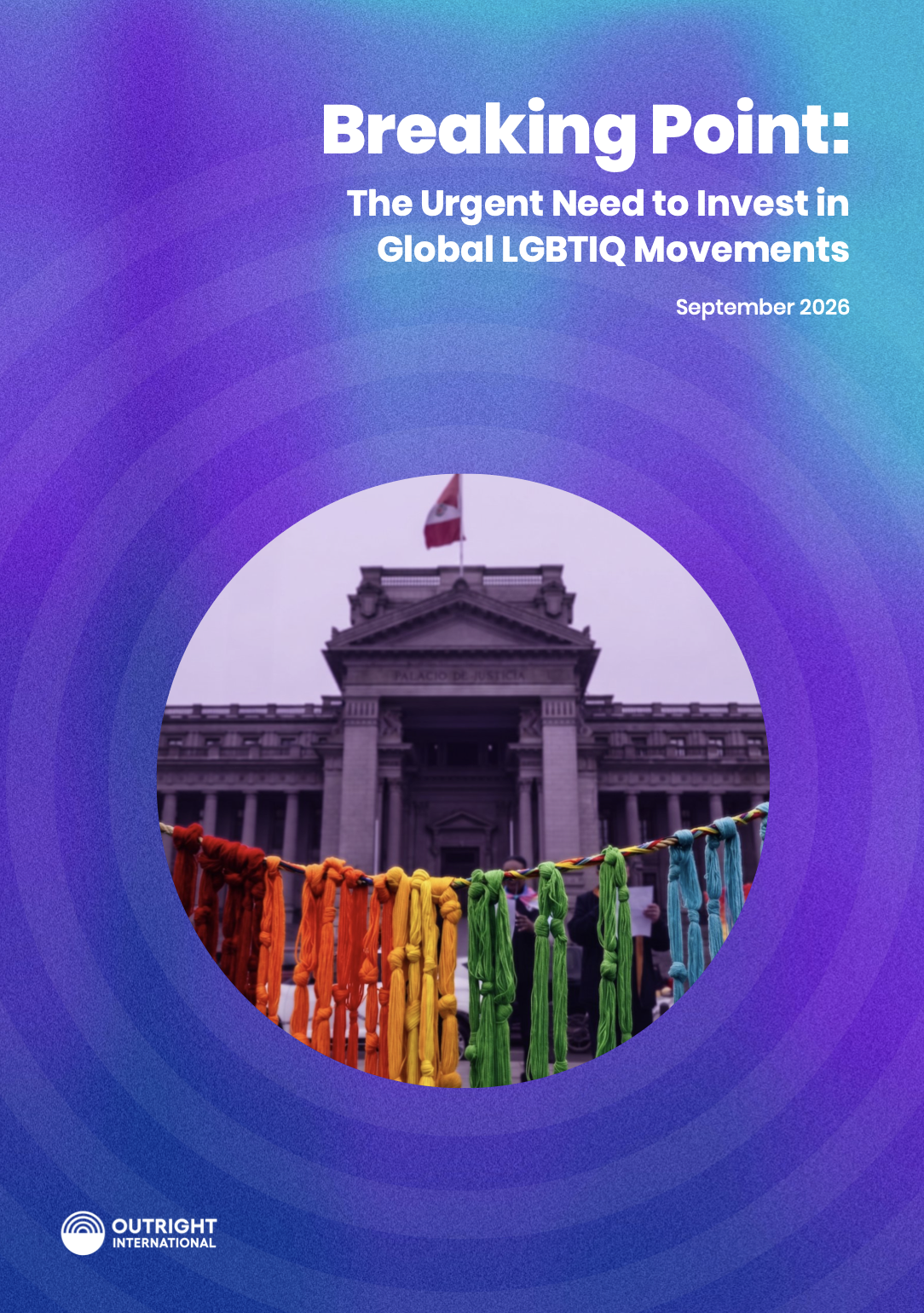
The newest data from Outright International shows just how far the consequences have spread.
Outright surveyed 229 LGBTQI+ organizations across 94 countries. Of those, 203 reported losing funding after January 2025. That is 88.6% of the organizations surveyed, although Outright cautions that this should not be interpreted as 88.6% of LGBTQ organizations worldwide. Nearly half of the affected organizations lost more than half of their total funding, while more than half traced at least some of those losses to a U.S. government source.
Only 3% of affected organizations described themselves as stable. Another 36% said they were likely or very likely to be forced to close within 12 months.
That is where an apparently distant budget decision becomes very personal.
A funding cut can mean an emergency hotline stops answering. A legal-aid program disappears. A shelter closes. A community clinic reduces its services. A person experiencing violence may suddenly have nowhere to go.
READ: Florida Pulls Back HIV Drug Cuts After Complaint— Here’s What You Need to Know
Health Care Is Part of the Crisis
The consequences are particularly serious for health.
Outright’s findings show that half of affected organizations cut health services, including mental health care. Forty-five percent reduced or discontinued HIV prevention, treatment, or care, while 50% identified LGBTQI+ people living with HIV among the groups most affected by those reductions. Sixty-three percent said they could no longer respond to emergencies involving violence, arrests, displacement, or urgent relocation.
The WHO has separately warned that abrupt interruptions to HIV funding can disrupt prevention and treatment and put key populations at greater risk.
Who Gets Hit Hardest?
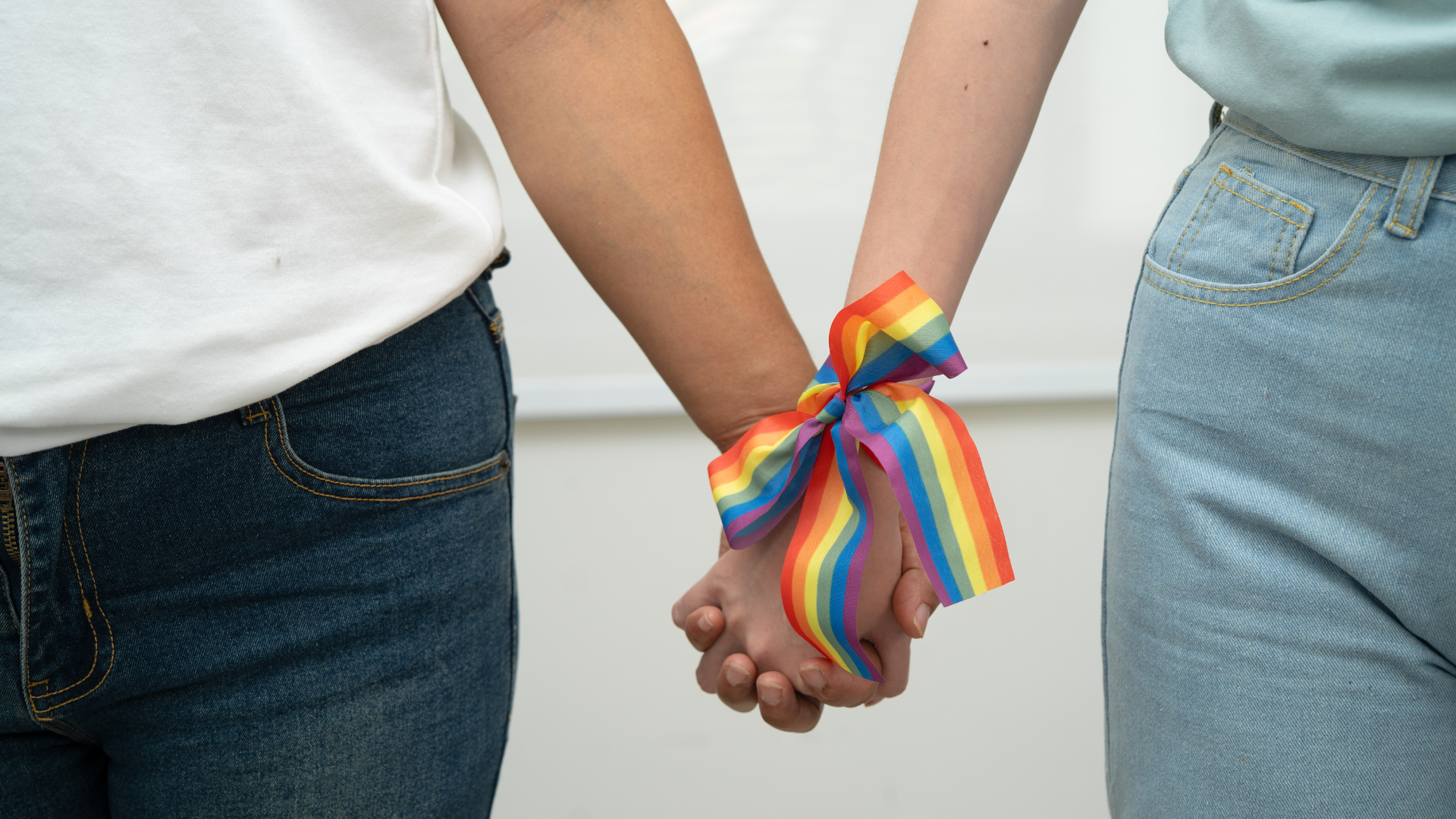
The people with the fewest alternatives often feel the impact first.
Outright reports that transgender, nonbinary, and gender-diverse people were identified by 71% of affected organizations as among those experiencing the deepest consequences. Lesbian, bisexual, and queer women were identified by 61%.
For many of these communities, LGBTQ organizations may be the only systems specifically designed to understand and respond to their needs.
That is why this is bigger than a funding story. The money may disappear from a government spreadsheet, but its absence can eventually show up as a closed clinic, a missing lawyer, an empty shelter, or a person left without somewhere safe to turn.
And that is the real lesson of the LGBTQ funding crisis: when the organizations protecting vulnerable people lose their ability to operate, the consequences do not stay on paper. They land directly in people’s lives.