

In a world where swiping right is just as common as swiping through the daily grind, dating apps have become the go-to for connection and, let’s be real, a little something-something on the side. But for the LGBT+ community, these platforms have also become something more sinister—a way for homophobic predators to track, ambush, and hurt members of our community.
RELATED: The Surprising Science Behind Grindr, Travel, and Open Relationships
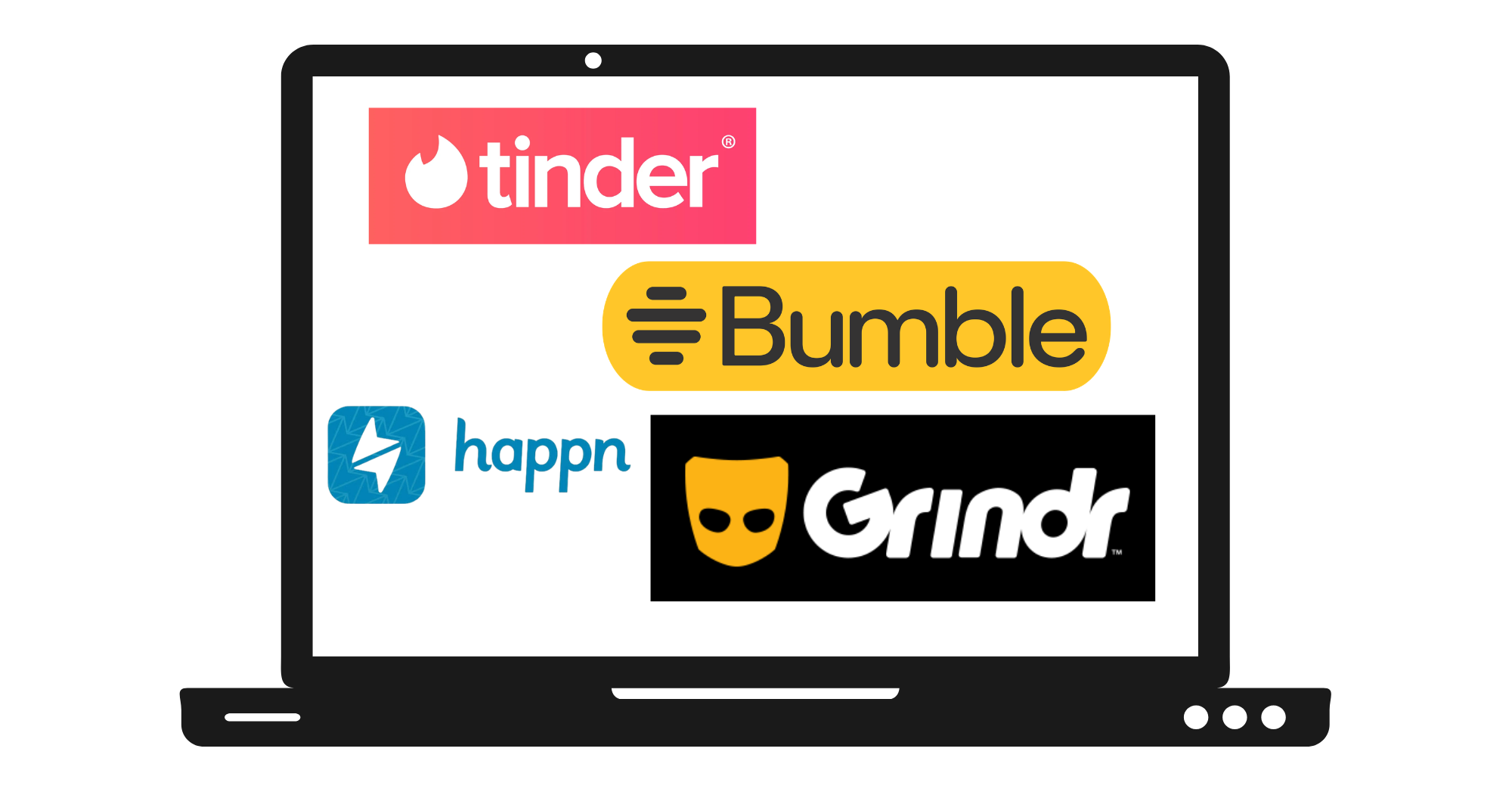
In France, things are changing—fast. In a groundbreaking move, France’s top dating apps have signed a government charter aimed at tackling these horrific attacks. According to the French ministry responsible for fighting discrimination, there was a homophobic ambush recorded every four days in 2024. Yes, you read that right: four days. This alarming trend has led to the creation of the Charter for the Prevention of Violence and the Safety of LGBT+ People, signed by Tinder, Grindr, Bumble, and Happn, alongside non-profits like SOS Homophobie, Stop Homophobie, Le Refuge, and Flag! The goal? To give users better tools for reporting, safer interactions, and ultimately, better protection.
RELATED: LGBTQ Travel 2026: Where It’s Safe, Where It’s Not—Essential Guide
Dating Apps Tackling The Ambush Epidemic
What exactly is going down here? Well, these “ambushes” aren’t just random attacks—they’re organized, premeditated hate crimes, all under the guise of a hookup. Victims are lured by fake profiles, tricked into meetups, and then violently attacked simply because of their sexual orientation. The scale of this isn’t small either. France’s junior minister for fighting discrimination, Aurore Bergé, emphasized that this is a matter of systemic violence, adding that these aren’t “ordinary assaults.” These are targeted hate crimes, disguised as casual dates.
The new charter sets out three clear priorities: Prevent, Report, and Protect. That means improving reporting tools, ensuring that data is shared with law enforcement (even if the profiles are deleted), and working closely with authorities to identify and prosecute the offenders. So, if you’re a victim of an attack or even a threat, you won’t be alone—these apps are now officially on your side. For some, this might feel like a long-overdue change, but better late than never.
Will This Hit the U.S.?
Now, here’s the big question: will this happen in the United States? Unfortunately, while the U.S. has its own share of challenges regarding LGBT+ safety, we aren’t seeing the same level of coordination between dating platforms and the government just yet. But with these increasingly organized attacks happening on apps like Grindr and Tinder, it wouldn’t be surprising if something similar were rolled out stateside in the near future.

The French government’s approach might be the first of its kind, but let’s face it—no one should have to fear for their life just because they want to make a connection. This kind of collective responsibility could spark a global movement toward making digital spaces safer for the LGBT+ community.
As Bergé herself pointed out, the digital world makes it easier for perpetrators to think they can escape justice. But thanks to this agreement, France has shown that while apps might be great for meeting people, they should never be used as tools for hate. And with this landmark initiative, they’ve made one thing clear: hate crimes won’t be tolerated—online or offline.
Is the U.S. ready to step up to the plate? Only time will tell, but if France’s success serves as a roadmap, the pressure is definitely on for others to follow. Stay tuned—because this could be the start of something much bigger than just the latest hookup trend.
What do you think—could this strategy be the future of LGBT+ safety on dating platforms worldwide? Or will other nations drag their feet? Share your thoughts, and let’s keep the conversation going.
Source: RFI