

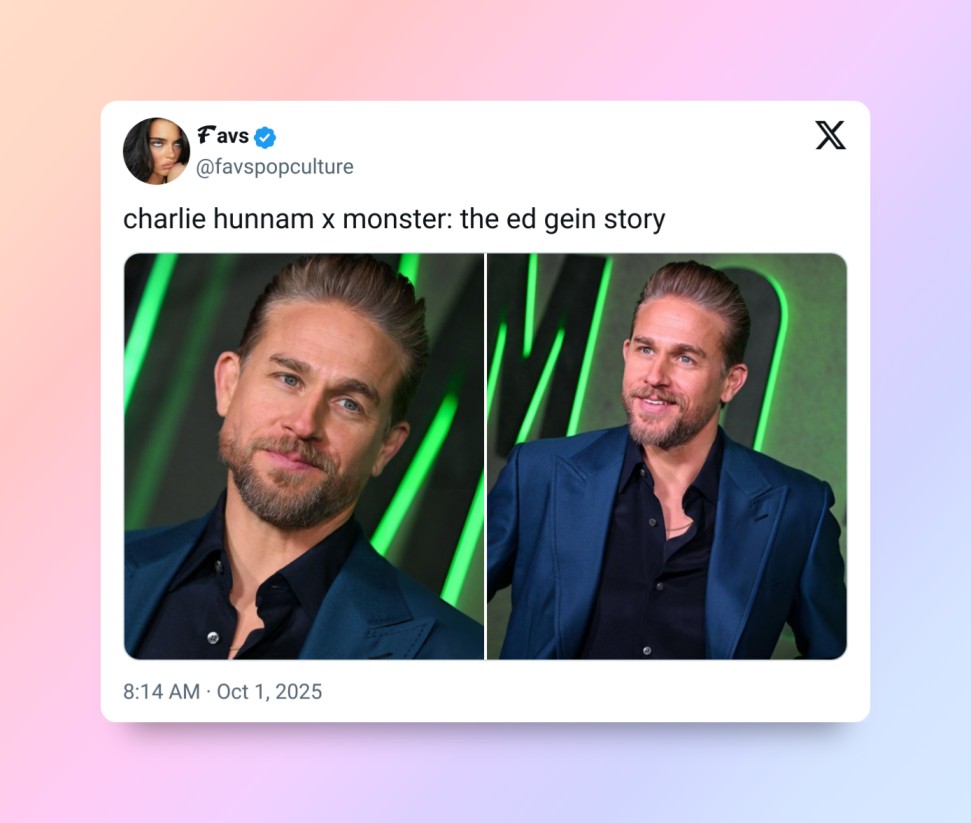
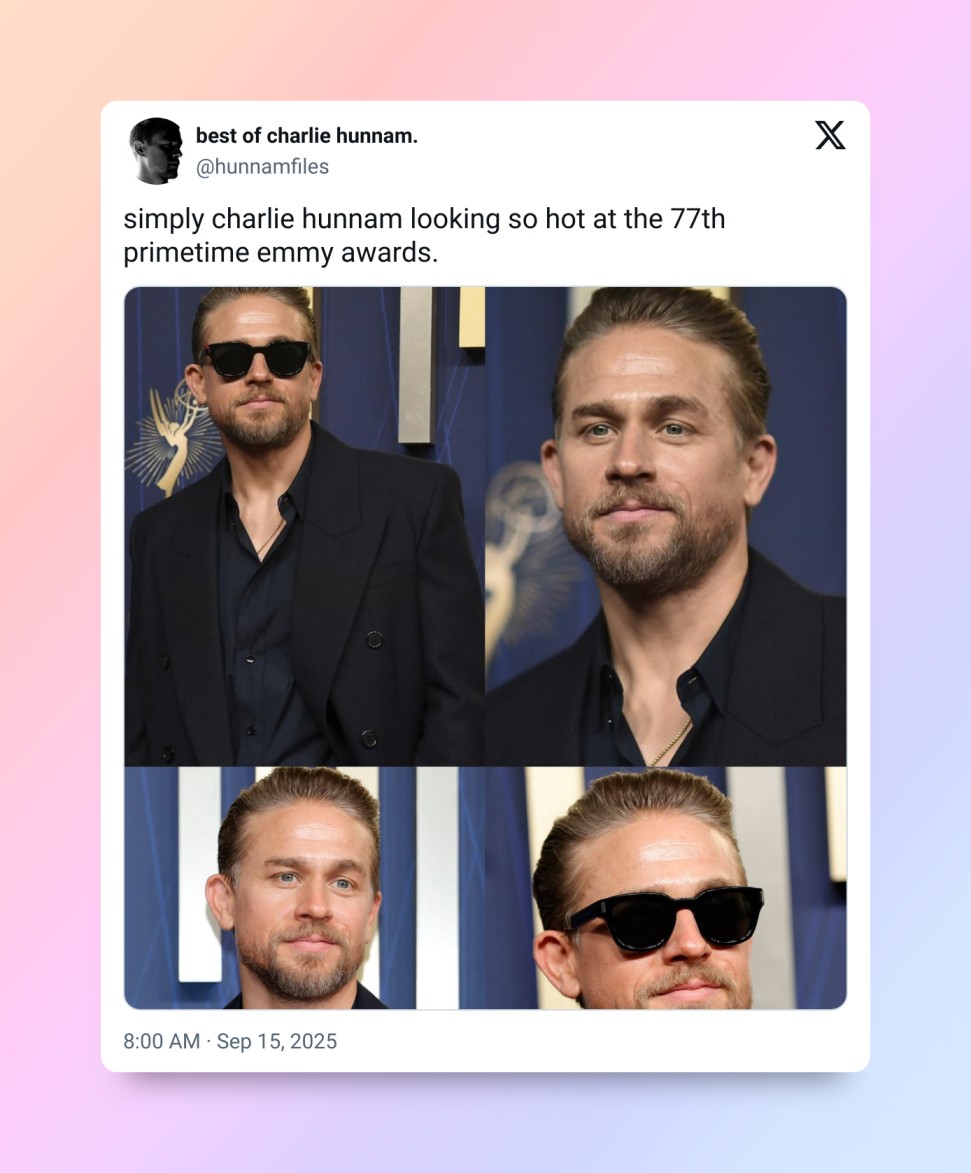
Charlie Hunnam’s career is one of those stories where you can’t help but think, “Wait… how did we get here?” One minute he’s an 18-year-old fresh-faced kid in a groundbreaking show about love, lust, and life in Manchester, and the next, he’s playing Ed Gein—yep, the real-life murderer and grave robber—on Netflix. Monster: The Ed Gein Story just dropped, and while it’s a far cry from his early days, it’s a testament to the incredible reinvention Charlie’s pulled off.
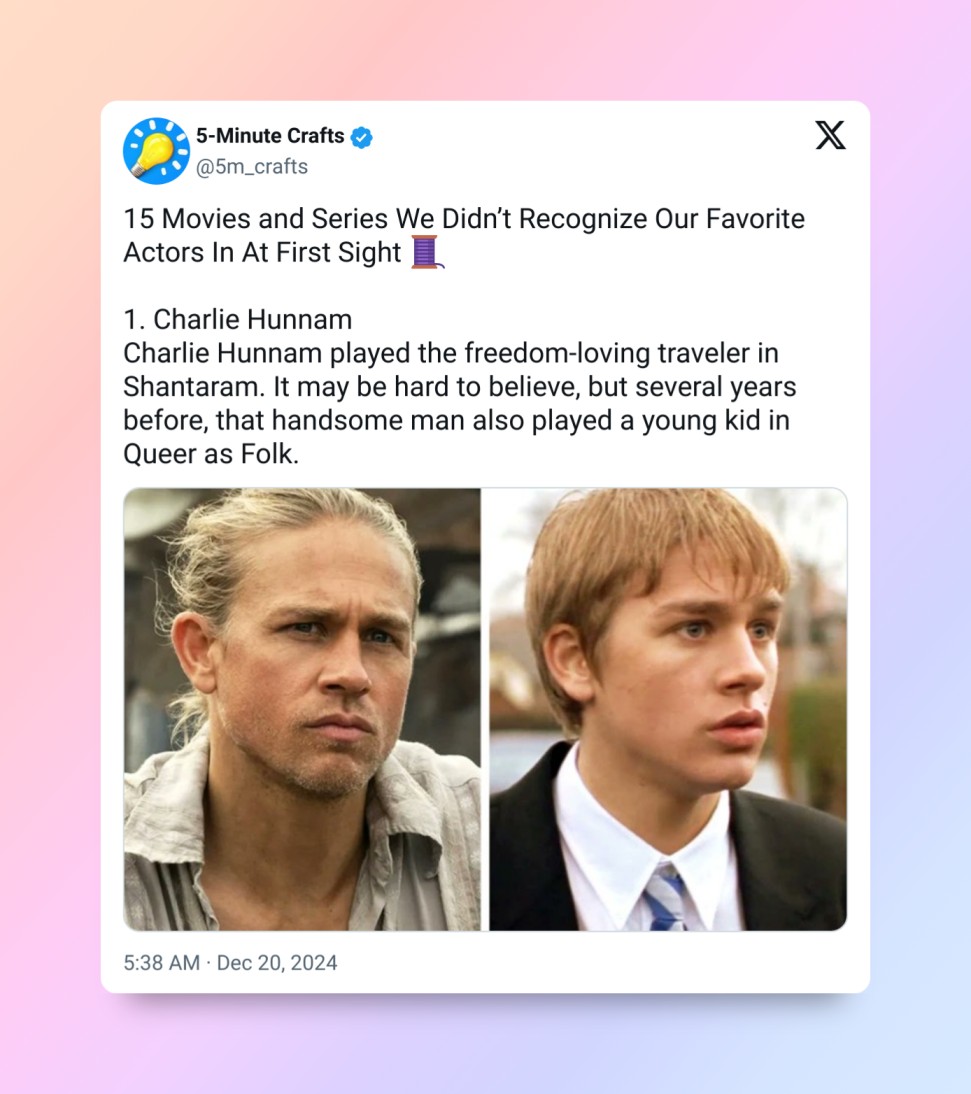
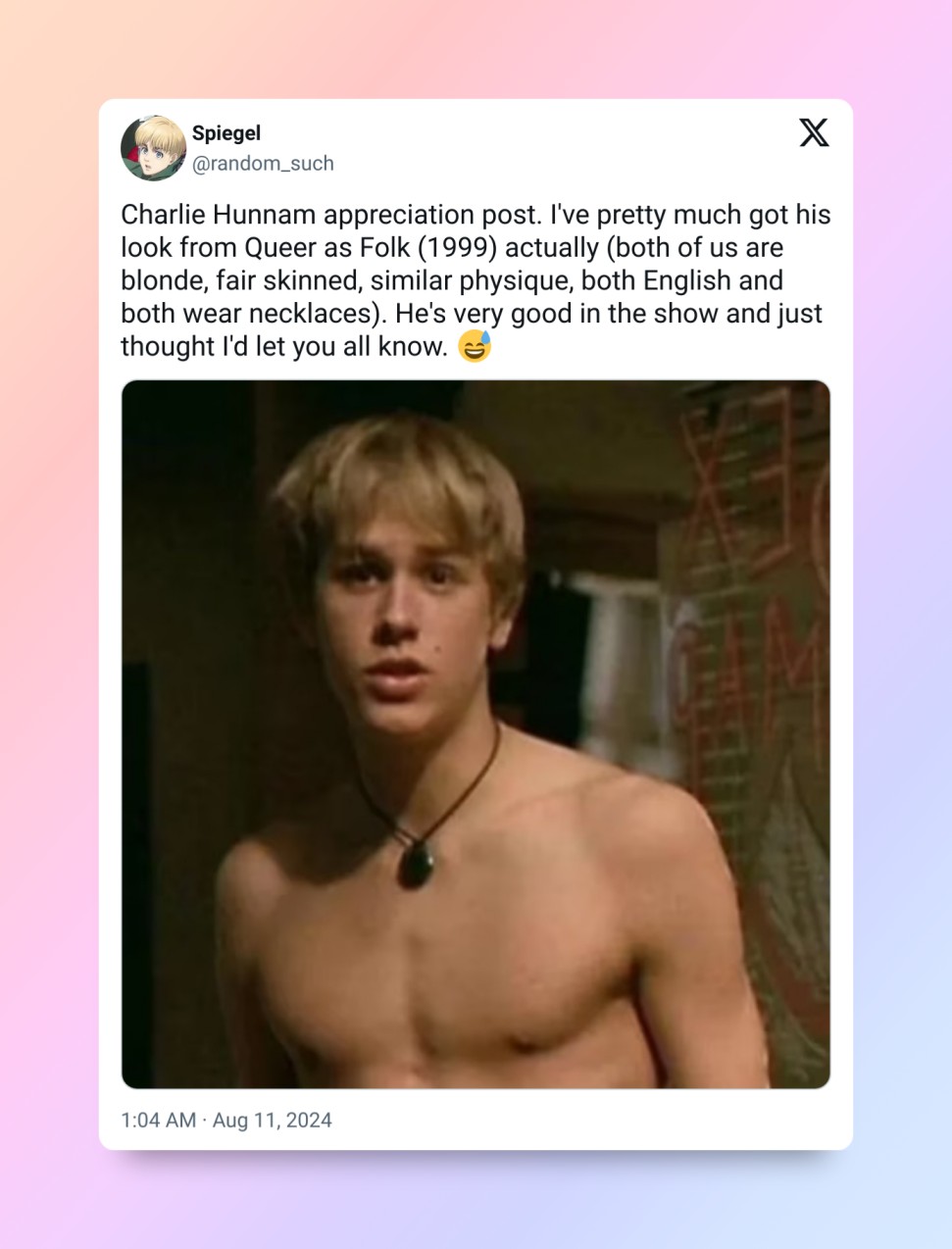
But before he was that guy, he was the charmingly awkward Nathan Maloney in Queer As Folk. Ah, yes. Queer As Folk. The show that practically redefined gay representation on TV. In 1999, when most of the TV world was still trying to figure out what a “gay character” even looked like, Hunnam was busy portraying a 15-year-old schoolboy falling for an older man, played by Aidan Gillen. Talk about bold. Talk about gutsy. This wasn’t just another coming-of-age story; it was raw, messy, and oh-so-real. Nathan wasn’t your typical leading man, but that’s exactly why he became iconic.
RELATED: Charlie Hunnam Transforms Into Ed Gein, and We’re Scared and Disturbed
Of course, you don’t play a character like Nathan without a few… complications. In an interview with Variety, Charlie admitted that his rise to fame wasn’t all red carpets and fan mail. In fact, it came with a healthy dose of backlash. Imagine being the fresh new face of a series that ruffled a lot of feathers and getting caught up in a near-violent altercation at Preston station simply because, well, people had a problem with Nathan’s storyline. Talk about bad timing.

And then there was his dad—who, let’s just say, didn’t exactly understand what was happening on TV. Hunnam’s father, a no-nonsense scrap-metal merchant from Newcastle, was used to his son being the kind of guy who’d take over the family business, not the guy who was making hearts flutter while navigating a gay relationship on screen. “Are you gay? Is this your life now?” he asked, understandably confused by his son’s role. You can imagine the dinner table conversations. But while Dad was hoping Charlie would follow in his footsteps, Charlie was already on a path that would eventually take him to Sons of Anarchy and beyond.
“I just knew I couldn’t survive in that world,” Hunnam said of the idea of taking over the family business. It wasn’t just a career choice; it was a soul-deep realization that his future lay in acting, a decision that would eventually lead him to some of Hollywood’s darkest corners. But of course, making that choice left a wound—a bit of familial disappointment that Hunnam carried for years. “That was a wound I had to carry,” he said. “But I eventually healed through my work on Sons of Anarchy.”
And that’s where Charlie found redemption. Sons of Anarchy wasn’t just a show; it was the role that catapulted him into full-blown Hollywood stardom. No more awkward teen love stories. No more navigating the confusing waters of first romance. Instead, he became Jax Teller, the brooding motorcycle gang leader with enough grit to make even the toughest characters on TV look like amateurs. It was a complete 180—just like his career trajectory—and one that solidified Hunnam as the go-to guy for roles with a dark, tortured soul.
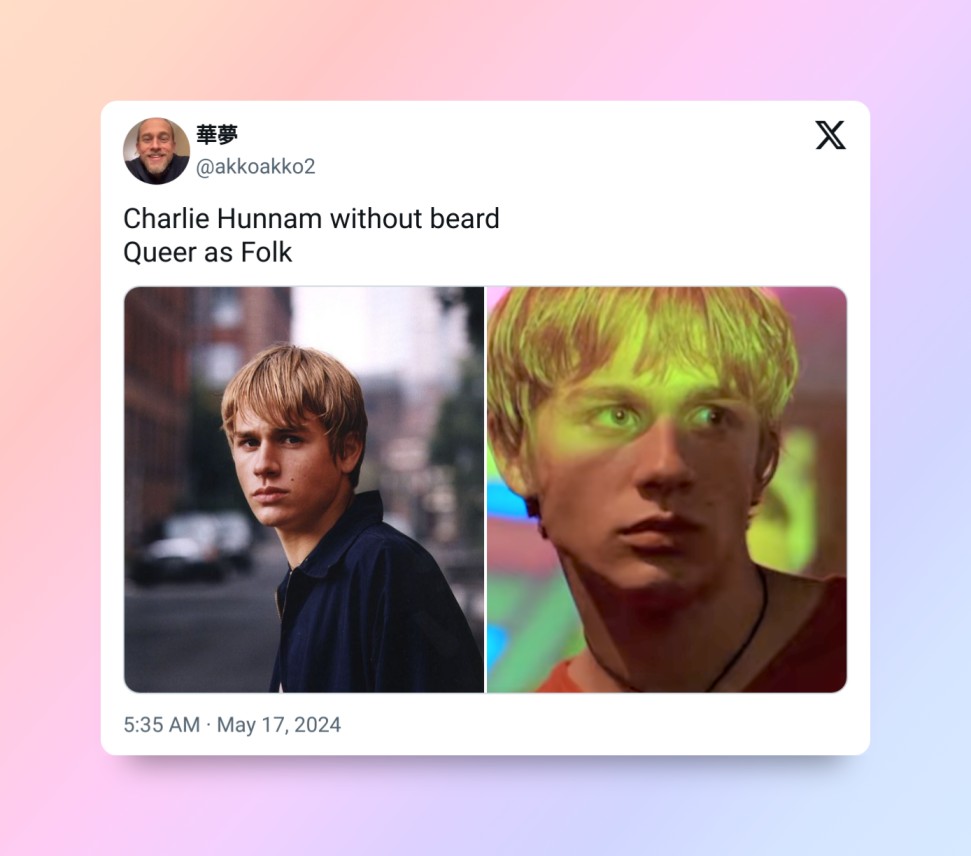
But let’s not forget Nathan. No, not the killer Nathan—the Nathan, the young, lost boy of Queer As Folk. For the LGBTQ+ community, this role mattered. It wasn’t just about a cute actor on TV; it was about seeing themselves, their desires, and their struggles depicted in a way that mainstream media rarely ever did. It was about representation. And while Hunnam faced plenty of confusion and even criticism behind the scenes, Nathan’s story wasn’t just a role; it was a gift. It made it possible for audiences to finally see their own messy, beautiful, confusing journeys on screen. And for Hunnam, it was the first time he had to reckon with the distance between the character he was playing and his own reality.

Now, fast forward to 2023, and Charlie Hunnam is not the same guy who played Nathan Maloney. He’s a seasoned actor, one who’s taken on roles that force audiences to face the darker side of human nature. From Jax Teller to Ed Gein, Hunnam’s career has been a constant reinvention, each role pushing him further into uncharted territory. But even as he dives into these new, more disturbing characters, there’s still something deeply human in his journey. He’s been on a ride from awkward teen drama to gritty crime thrillers, and while his career veers far from where it started, you can still see the echoes of Nathan in each character he plays—whether it’s the tortured outlaw or the infamous murderer.
But here’s the thing: no matter how far Hunnam goes from his Queer As Folk roots, it’s clear that role was foundational. It wasn’t just a career starter; it was a defining moment. Because the same actor who brought Nathan to life with such raw, authentic vulnerability is the same one who’s now playing some of the darkest figures in history. And let’s not forget the crazy full circle—while Dad may have never fully understood his son’s path to Hollywood glory, it seems like he’s come around to the idea that Charlie’s journey is his journey, full of twists, turns, and a whole lot of reinvention.
And to be clear: Hunnam’s willingness to take on roles exploring the LGBTQ+ experience doesn’t mean he’s been on his own personal journey through those same experiences. Charlie is straight, but his openness to playing complex and diverse characters shows that acting—at its best—is about exploring lives outside of your own reality.
So, let’s raise a glass to Nathan Maloney. To Charlie Hunnam, who started with awkward first love and is now breaking down human depravity one chilling role at a time. It’s a career that’s come full circle—from queer drama to true crime—and who knows where it’ll go next?
Source: Variety
His Pacific Rim performance was breathtaking . . .
Grateful he’s not ashamed of the role and ignores it. Glad to see he’s still a strong ally.