

ICE found itself trending for unexpected reasons this week after allegations surfaced that protestors were trying to identify immigration agents on Grindr — a stark juxtaposition given that many queer communities see ICE not as allies but as a law enforcement agency whose recent actions, including aggressive enforcement tactics and a controversial fatal shooting in Minneapolis, have deeply unsettled marginalized groups and heightened concerns about safety and privacy.
At the heart of the conversation is not just technology or politics, but the LGBTQ+ community itself—its spaces, its safety, and how easily those spaces can become collateral damage.
RELATED: A Gay D.C. Marriage Put on Pause After ICE Detention
What Fox News Claimed Happened
On January 17, Fox News’ The Big Weekend Show devoted a segment to a New York Post report alleging that protestors were encouraging people to use dating apps—particularly Grindr—to identify ICE agents. According to the report, TikTok users allegedly urged others to collect explicit photos, messages, or identifying details from suspected agents and share them publicly.
One TikTok user was quoted as saying she warned her “gay friends in Minneapolis on Grindr” to stay alert for ICE agents, adding that the app was “blowing up right now with all of the visitors from out of town.” Another claimed she was compiling a folder of profiles from apps like Grindr and Bumble to use as “ammunition.”
@healthpolicyprincess CALLING ALL DATING APP BADDIES WE NEED YOUR HELP! Send me a screenshot of anyone who’s says they are are for ICE! Let’s work smarter not harder ppl!! Also my shirt is from the fabulous @Sending Luck
Fox News hosts framed these claims as alarming and dangerous, arguing that such actions amounted to doxxing, sexual shaming, and potentially outing LGBTQ+ people working in law enforcement.
Fox News Hosts Push Back — Hard
The tone of the segment was unmistakably heated. Co-host Joey Jones questioned whether protestors were attempting to shame agents for being gay, remarking, “Are they trying to shame federal agents who may be homosexual?” Fox contributor David Webb took the argument further, asking,
“What do you have against homosexuals or somebody who’s gay if they happen to be in law enforcement? You gonna out them?”
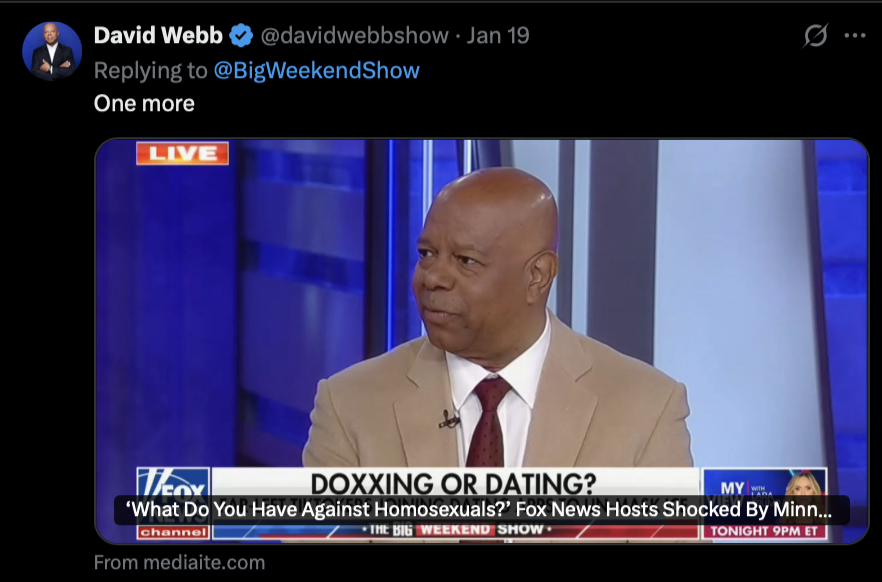
Webb also flipped the script, suggesting ICE should instead focus on exposing protestors, saying authorities should “unmask all of these rioters.” Co-host Alicia Acuna echoed that sentiment, criticizing activists for misdirecting their outrage. “They don’t come out and shame the violent criminals,” she said, accusing protestors of targeting the wrong people.
The framing was clear: Fox News positioned the alleged tactics as hypocritical, invasive, and especially dangerous for LGBTQ+ individuals whose privacy could be weaponized.
Why Grindr Is Central to This Conversation
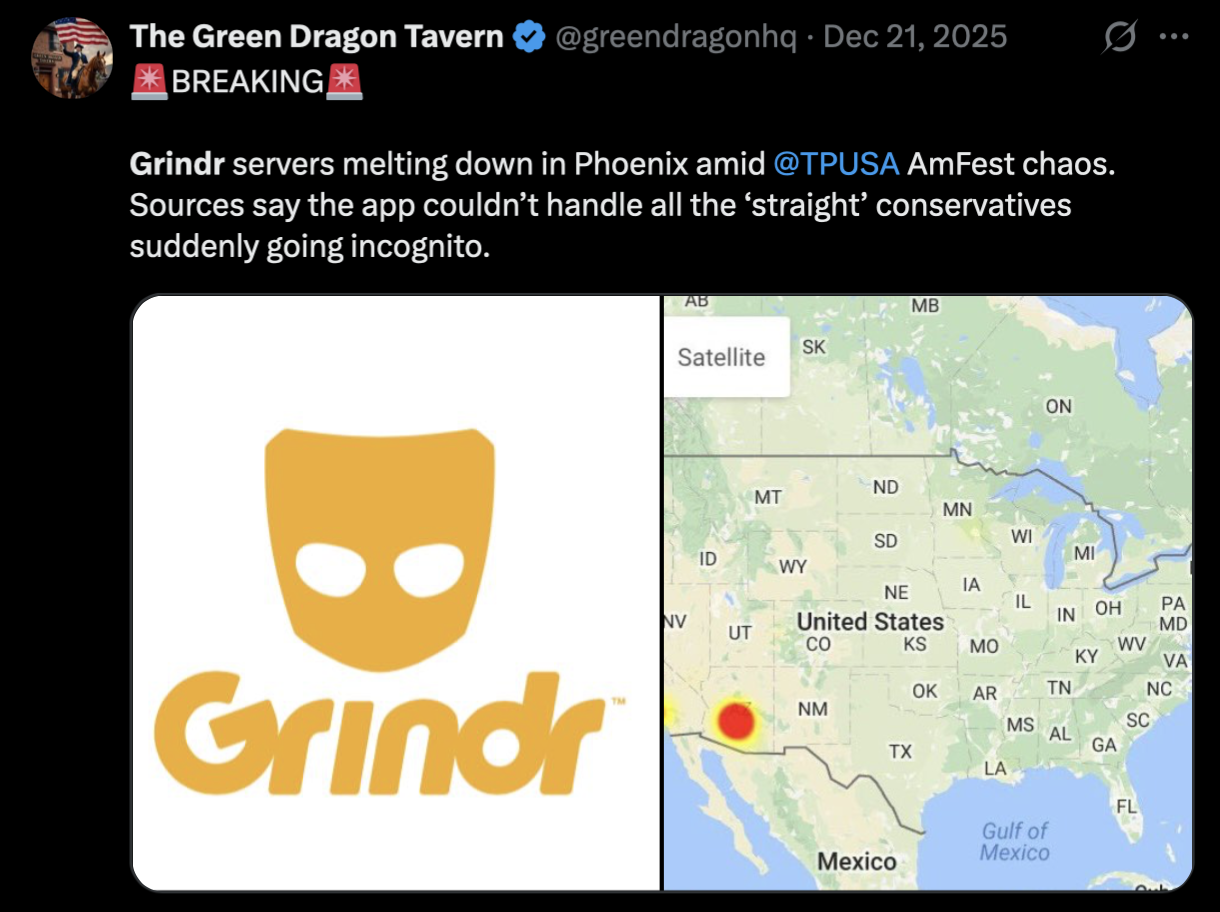
Grindr’s mention wasn’t incidental. As one of the most widely used dating apps within the LGBTQ+ community, it carries a history of vulnerability—particularly around privacy, outing, and safety. For many queer people, Grindr is not just a dating app; it’s a space where identity, intimacy, and personal risk often intersect.
That’s why the idea of Grindr being used—by anyone—as a surveillance or exposure tool immediately raises red flags. Even among those critical of ICE, there’s deep discomfort with tactics that could normalize outing, sexual exploitation, or non-consensual sharing of private information.
The Protests Didn’t Appear Out of Thin Air
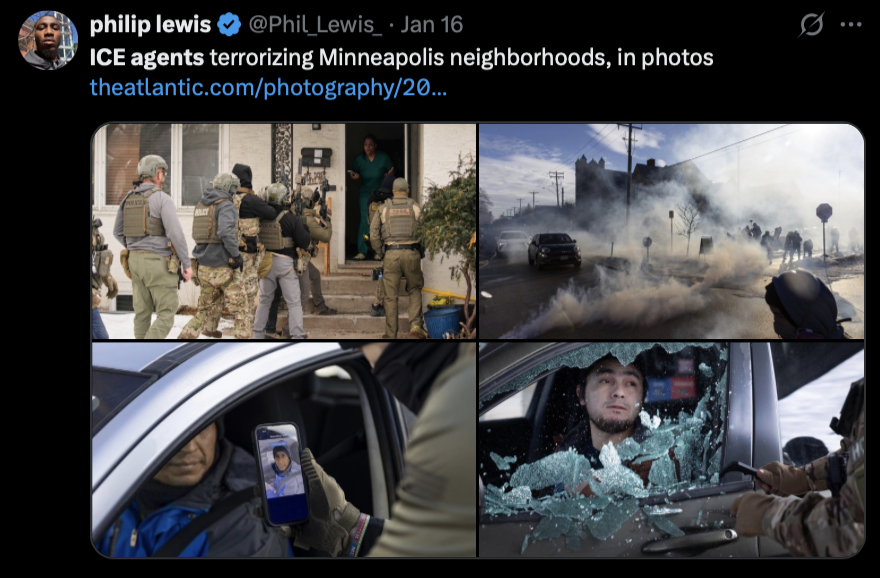
Context matters. The alleged dating-app tactics surfaced amid nationwide protests following the fatal shooting of Renee Nicole Good, a 37-year-old mother of three, by an ICE agent in Minneapolis on January 7, 2026. Good was reportedly shot multiple times during an enforcement operation tied to Operation Metro Surge, one of the largest ICE efforts in recent years.
Authorities later claimed the agent acted in self-defense, but video footage and eyewitness accounts raised serious questions, fueling public outrage. Protests erupted in Minneapolis and beyond, with demonstrators demanding accountability and broader scrutiny of ICE’s tactics and use of force.
Against that backdrop, emotions were already running high.
Between Accountability and Harm
This is where the conversation becomes complicated—and where many LGBTQ+ voices land somewhere in the middle.
On one hand, activists argue that traditional channels have failed to hold ICE accountable, especially after fatal encounters. On the other, using queer dating apps to expose people—real or perceived—risks harming LGBTQ+ individuals, reinforcing dangerous precedents, and turning safe spaces into hunting grounds.
Even if claims circulating online are exaggerated or unverified, the reaction reveals something deeper: a growing tension between protest tactics and community protection.
ice agents chasing guy on bike sped up gif https://t.co/77yMvQSYi5 pic.twitter.com/62QPNxoGGz
— Neb | 🏳️🌈 (@NebsGoodTakes) January 10, 2026
So… Who Gets Hurt Here?
Fox News framed the situation as a clear moral failure by activists. Protestors see it as resistance born from desperation. What’s undeniable is that LGBTQ+ spaces once again became politicized terrain—without the community’s consent.
Whether or not ICE agents were actually being identified en masse on Grindr, the discourse itself highlights a familiar pattern: queer platforms pulled into national fights, with real people caught in the crossfire.
As this story continues to evolve, one thing remains clear—privacy, accountability, and justice don’t have to be mutually exclusive. But navigating that balance requires care, especially when queer lives and spaces are involved.
REFERENCE: New York Post