


Some stories make you ask whether irony has a department of its own. An LAPD officer allegedly recorded fellow officers making sexist, homophobic, and racist remarks. But while those alleged comments are now under investigation, it’s the officer who secretly pressed “record” who is, for now, the only one facing criminal charges.
RELATED: Poland Rejects Recognition of Foreign Same-Sex Marriages
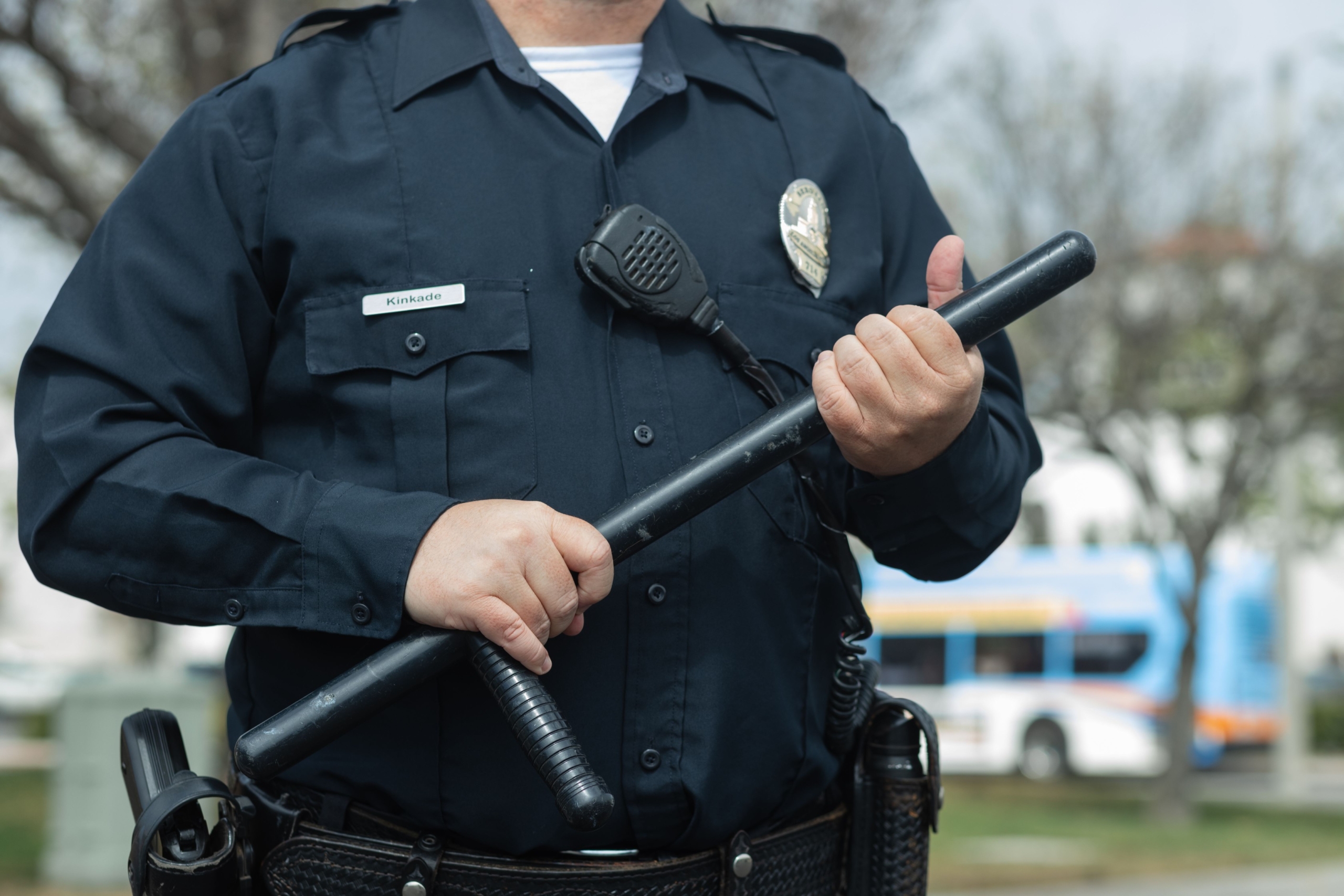
It’s a reminder that in California, privacy laws focus on how a confidential conversation is recorded—not on whether what’s was allegedly said was offensive.
Los Angeles Police Department officer Daniel Flores, 43, has been charged with 16 felony counts of illegally recording confidential conversations with fellow LAPD officers, according to the Los Angeles County District Attorney’s Office. If convicted, Flores could face up to 13 years in state prison.
RELATED: Rainbow Table Sends Anti-Pride Councillor Into Public Meltdown
The LAPD Recordings That Sparked Everything
According to prosecutors, Flores secretly recorded conversations in 2024 while assigned to an LAPD unit responsible for conducting background investigations on people applying to become police officers. The recordings allegedly captured fellow officers making sexist, homophobic, and racist remarks—comments that have since drawn condemnation from the district attorney’s office.
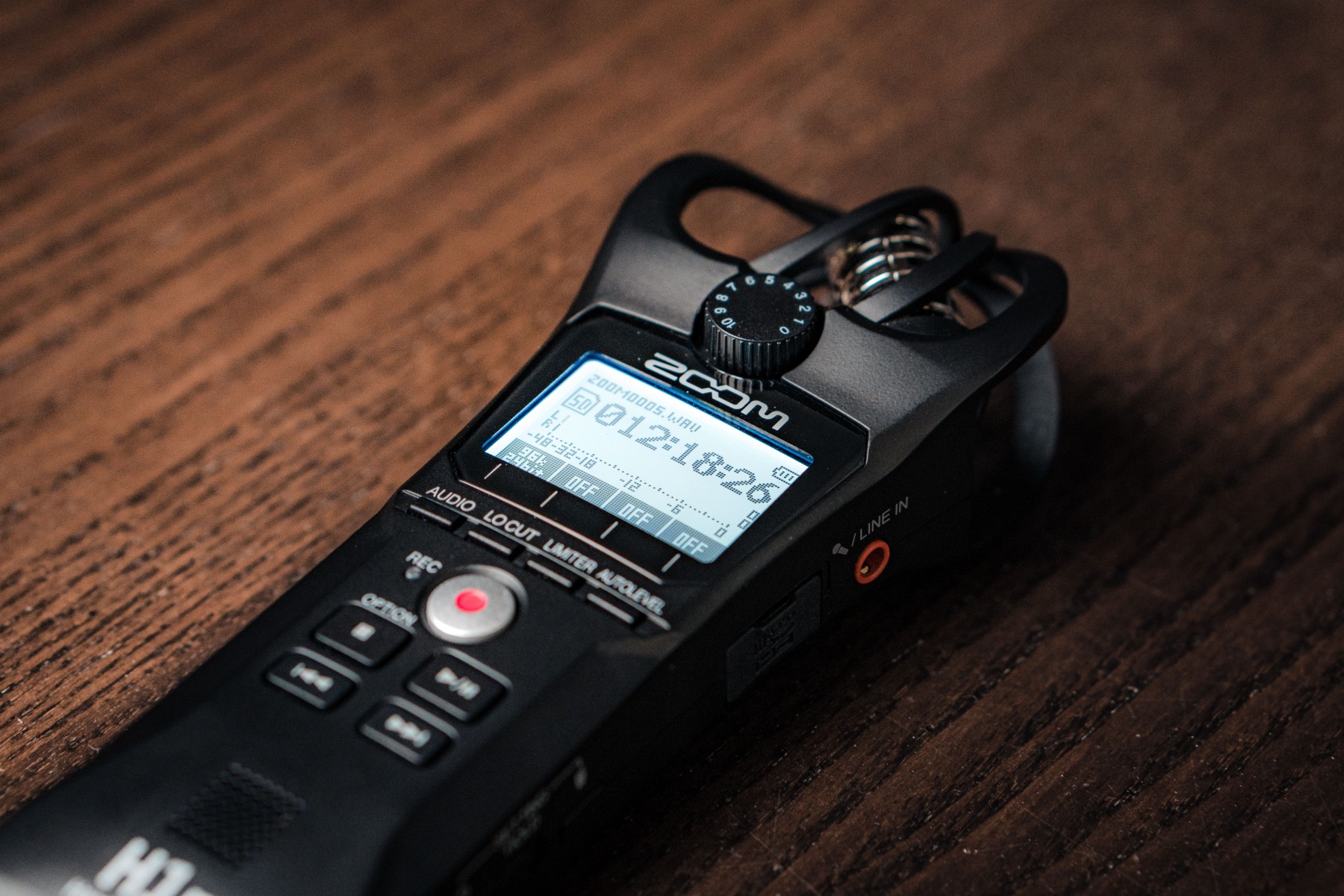
Prosecutors allege the recordings were made without the knowledge or permission of the officers involved, a violation of California’s all-party consent law governing confidential conversations.
Los Angeles County District Attorney Nathan Hochman didn’t mince words about the legal issue.
“This case serves as a warning to anyone seeking to record a conversation without the other person’s permission that doing so is illegal and has been a crime in the state of California for over 50 years. It doesn’t matter where you work or who you are – a neighbor, a coworker or, in this case, a police officer. Your right to privacy in a confidential conversation is protected, no matter who is doing the recording or, with few exceptions, why they are doing the recording. For those illegal eavesdroppers, please know that my office will prosecute them for their actions surreptitiously recording others.”
The Alleged Homophobia Isn’t Being Ignored
While Flores now faces criminal charges, prosecutors were equally clear that the alleged remarks themselves are unacceptable.
Hochman acknowledged that the recordings allegedly contained sexist, homophobic, and racist remarks and said those responsible for making such statements should also be held accountable.
“We deplore the sexist, homophobic and racist remarks made by certain LAPD employees, and they should be held accountable for such statements. However, in our all-party consent state, where California has been one of the nation’s leaders in protecting privacy and deterring illegal eavesdropping for over half a century, one cannot simply choose to break the law because one wants to pursue a personal agenda. The options are [to] not break the law or do nothing. One can address important issues by going through the proper legal channels. If one chooses a law-breaking path instead, then the consequences will be straightforward and significant.”
For many LGBTQ+ readers, that’s where the LAPD story becomes especially thorny. The alleged homophobic remarks aren’t being dismissed—they’re explicitly condemned by prosecutors. At the same time, California law makes secretly recording confidential conversations a crime regardless of why someone chose to do it.
Accountability Meets the Law
The LAPD case highlights an uncomfortable collision between two important principles: holding people accountable for alleged discriminatory behavior and protecting the legal right to privacy in confidential conversations.
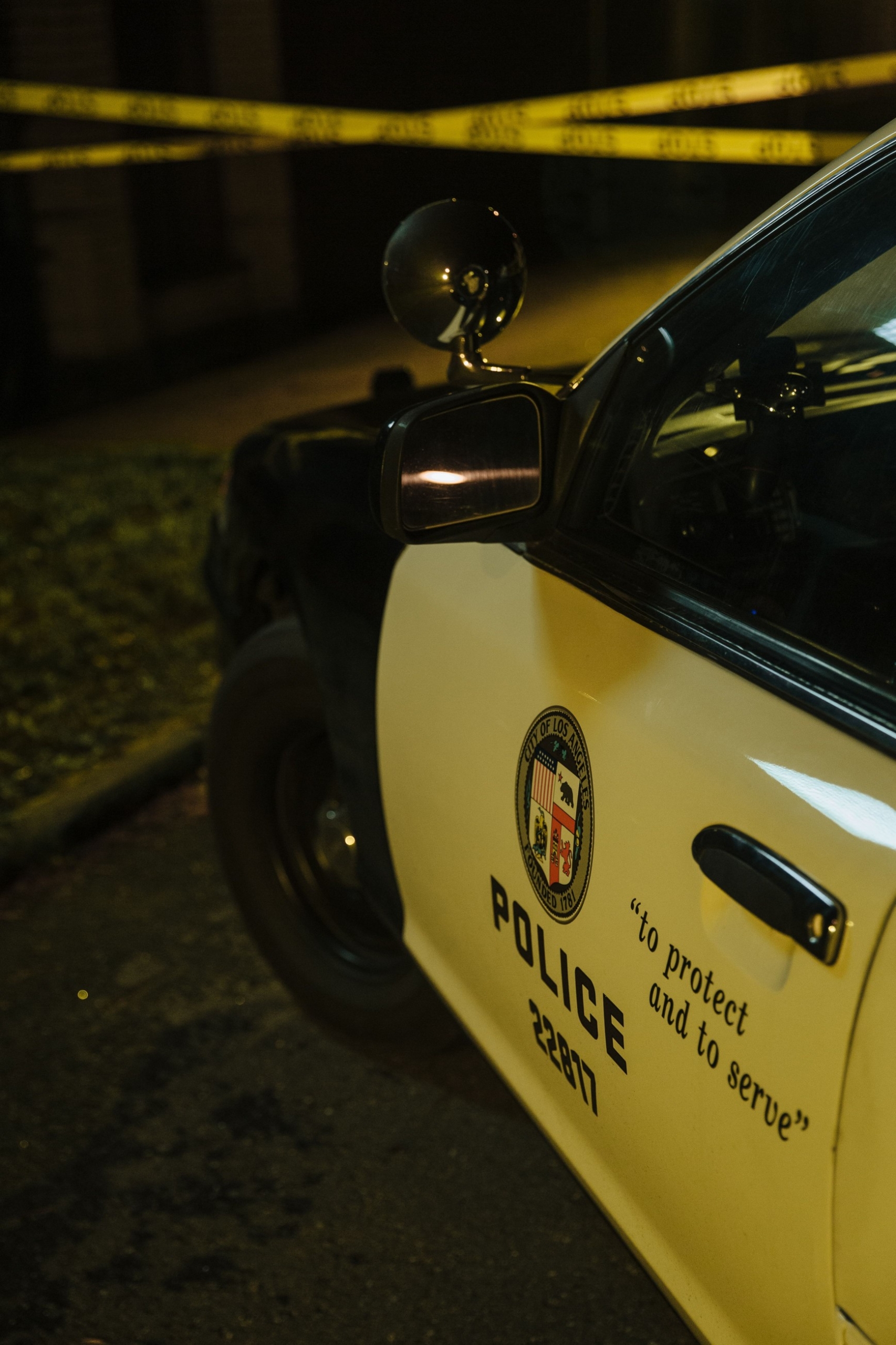
On one side are allegations that officers involved in screening future LAPD recruits made sexist, homophobic, and racist remarks. On the other is a state law that prohibits secretly recording those conversations without everyone’s consent.
Flores is scheduled to be arraigned on Aug. 10 in Department 30 of the Foltz Criminal Justice Center. Meanwhile, the Los Angeles Police Department’s Internal Affairs Division continues investigating both the circumstances surrounding the recordings and the alleged remarks captured on them.
As those investigations move forward, one question lingers: when alleged misconduct and privacy laws collide, how do you balance exposing wrongdoing with following the law? That’s ultimately for California’s legal system—not social media—to decide.
Source: KTLA