


Poland has once again reminded everyone that when it comes to love, the paperwork can be more dramatic than the wedding vows. For many LGBTQ+ couples, saying “I do” in one European Union country still doesn’t guarantee another country will say, “Cool, we’ll file that.”
RELATED: Poland’s Top Court Finally Recognizes Same-Sex Marriage—Sort Of
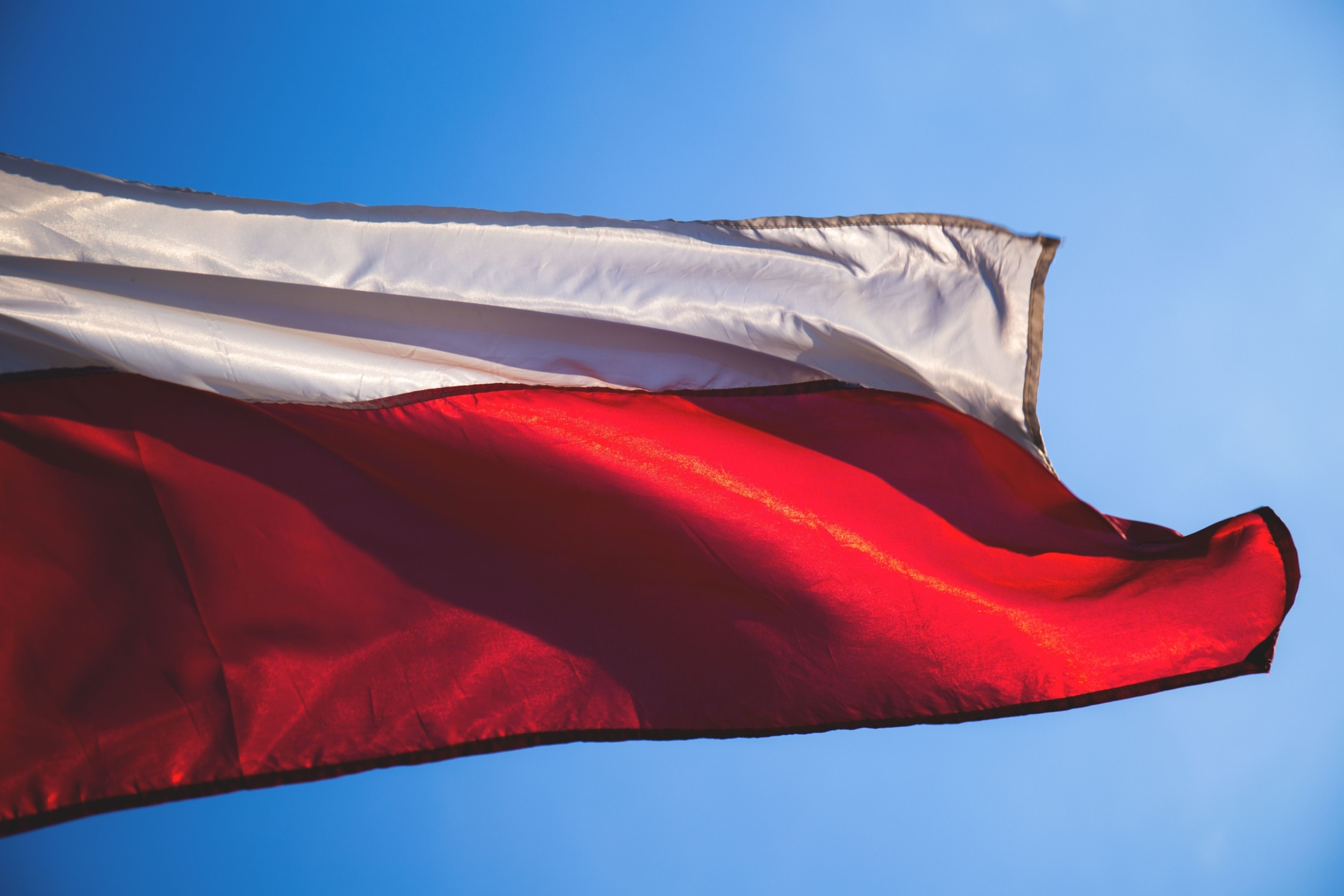
Marriage equality in Poland has taken another frustrating detour after the country’s highest constitutional court rejected plans to recognize same-sex marriages legally performed elsewhere in the EU. Apparently, crossing borders is easier than convincing bureaucracy that a wedding is, in fact, still a wedding.
Marriage equality meets another legal wall in Poland
Just when it looked like Poland might finally start catching up with its European neighbors, the Constitutional Tribunal slammed the brakes.
RELATED: Anti-Marriage Equality Campaign Returns to Virginia
The court ruled that same-sex marriages performed in other EU member states cannot be entered into Poland’s civil registry, overturning plans that would have brought the country in line with an earlier decision from the Court of Justice of the European Union. It’s the legal equivalent of showing up with a perfectly valid invitation only to have someone insist your name isn’t on the guest list.
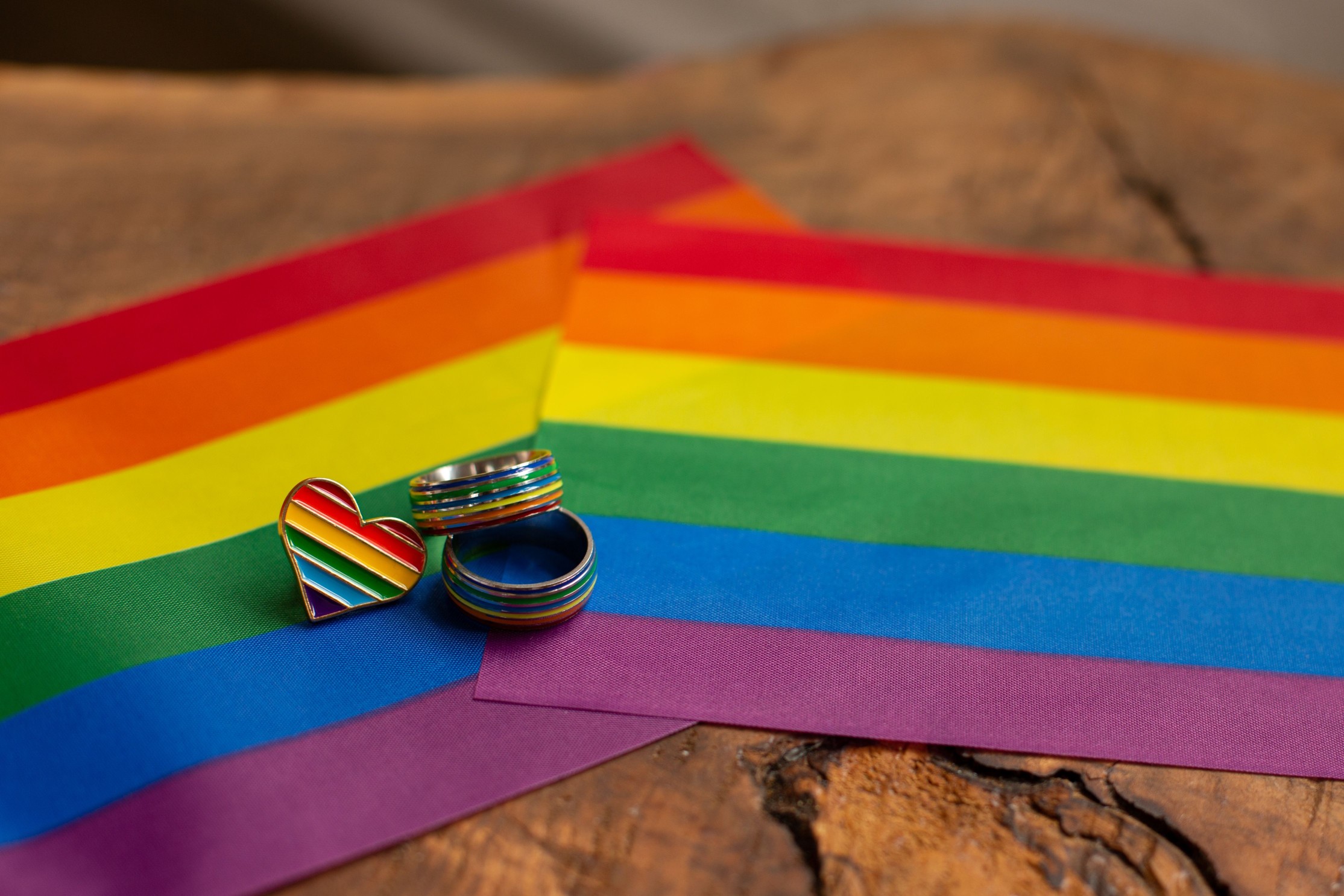
The unanimous ruling, announced on 28 July, is final and could spark fresh tension between Poland and the European Union over how member states honor cross-border rights.
According to the court:
plans for the “preparation and issuance of certified copies concerning unions contracted abroad that do not constitute a union between a woman and a man” were “inconsistent with Article 92, Paragraph 1, in conjunction with Article 18 of the Constitution of the Republic of Poland.”
The ruling also cited the country’s constitution, which states:
“Marriage, being a union of a man and a woman, as well as the family, motherhood and parenthood, shall be placed under the protection and care of the Republic of Poland.”
After that, the judges simply… left the group chat. No further explanation accompanied the decision.
Donald Tusk was reading a different script
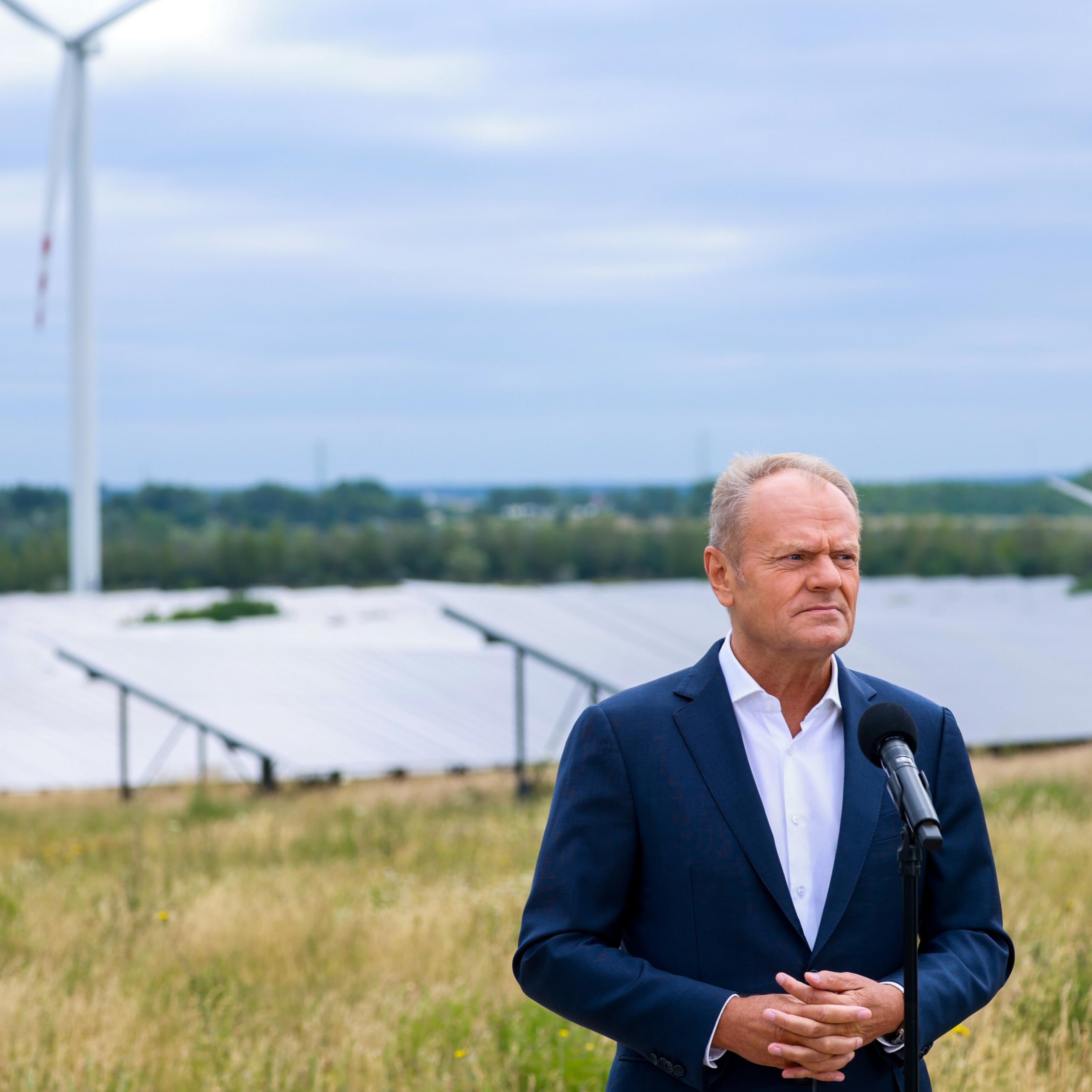
The twist is especially surprising because only two months ago, Prime Minister Donald Tusk sounded like he was preparing audiences for a much happier ending.
His comments followed legal victories tied to a Polish same-sex couple whose 2018 German marriage certificate had long been denied entry into Poland’s civil registry. A November 2025 ruling from the European Court of Justice, followed by a March decision from Poland’s Supreme Administrative Court (NSA), appeared to pave the way toward recognition.
Speaking in May, Tusk acknowledged the country’s treatment of same-sex couples in unusually candid terms.
“[This is] a matter of human dignity: the right to happiness, the right to equal treatment by the state,” he said. “I would like to apologise to all those who, for many, many years, felt rejected and humiliated. For many years, the state has failed the test.”
He also said his government would prioritize complying with the court rulings while making sure any legal changes stayed within Poland’s existing legal framework.
Love is complicated. Bureaucracy somehow made it worse.
Queer people have always joked that relationships come with enough paperwork already. Apparently, Europe decided to make that joke legally binding.
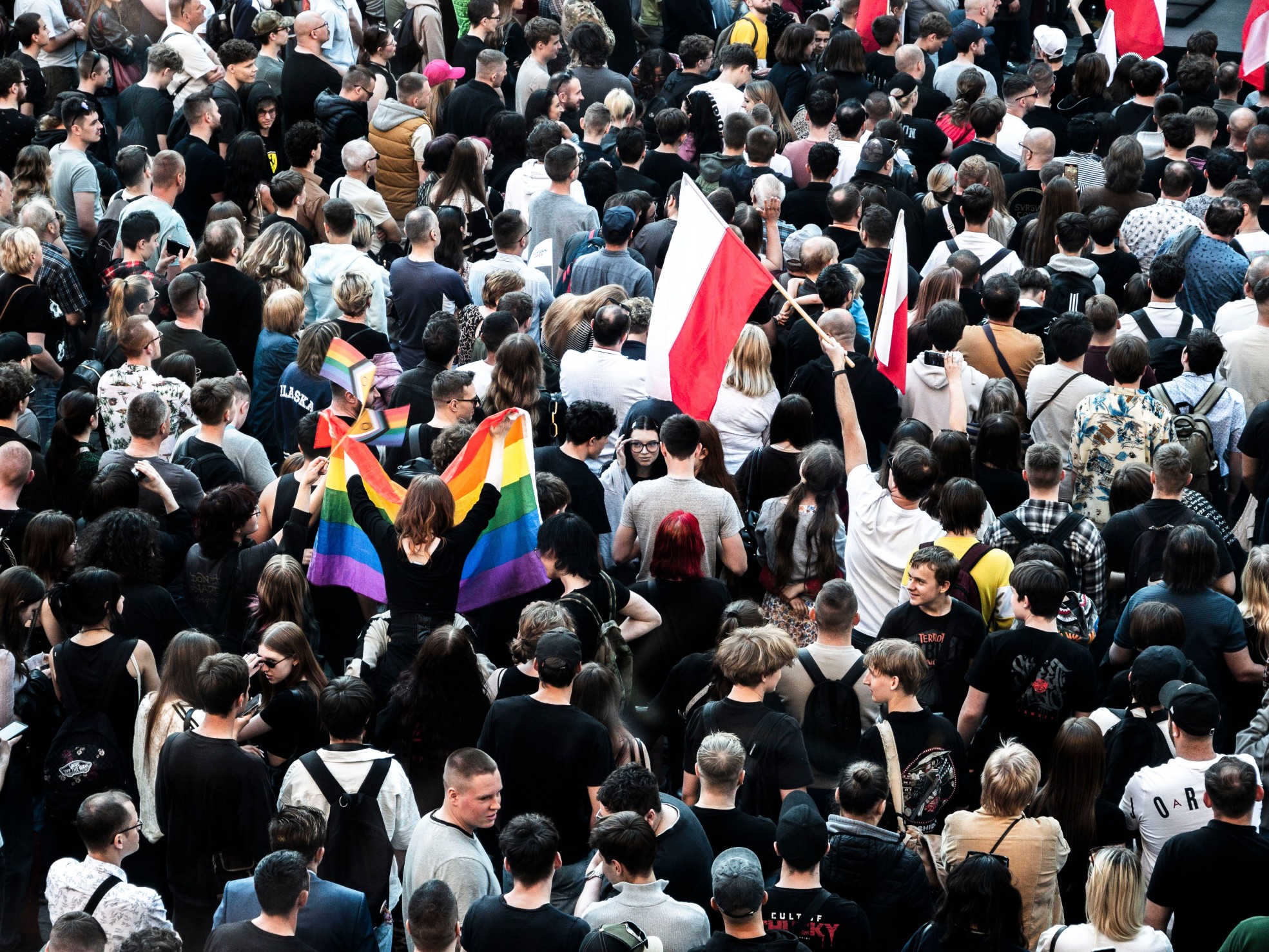
For LGBTQ+ couples, this isn’t just about whether a marriage certificate gets stamped in the right office. Recognition shapes everything from inheritance and healthcare decisions to parental rights and the simple dignity of having your relationship acknowledged by your own country.
The latest ruling also creates an awkward political split. On one side is a prime minister publicly apologizing for years of discrimination. On the other is a constitutional court insisting the country’s registry books stay firmly closed to same-sex marriages performed abroad. It’s less “happily ever after” and more “please hold while your rights are being processed.”
For now, marriage equality in Poland remains caught between competing visions of the law. And while love may know no borders, the bureaucracy, unfortunately, still seems to have a passport checker standing at the gate.