


Sixty-three years ago, a group of Quakers did something that still manages to feel mildly shocking in the slow, cardiganed world of religion: they looked at gay relationships and essentially said, “Yes… that looks like love to us, carry on.”
RELATED: Delaware Out Lawyer Takes on Two-Term Incumbent for Atty. General Seat

No lightning bolts. No dramatic schisms. Just a careful, committee-approved recalibration of moral common sense from the Religious Society of Friends—a group better known for silence, plain speech, and a long-standing refusal to behave like they’re auditioning for religious spectacle.
Quakers Publish the Book That Said the Quiet Part Out Loud (Very Politely)
In 1963, after years of discussion involving writers, psychiatrists, psychologists, and teachers (because Quakers do not do casual opinions), they published Towards a Quaker View of Sex. The title sounds like it should be about etiquette. It is not.
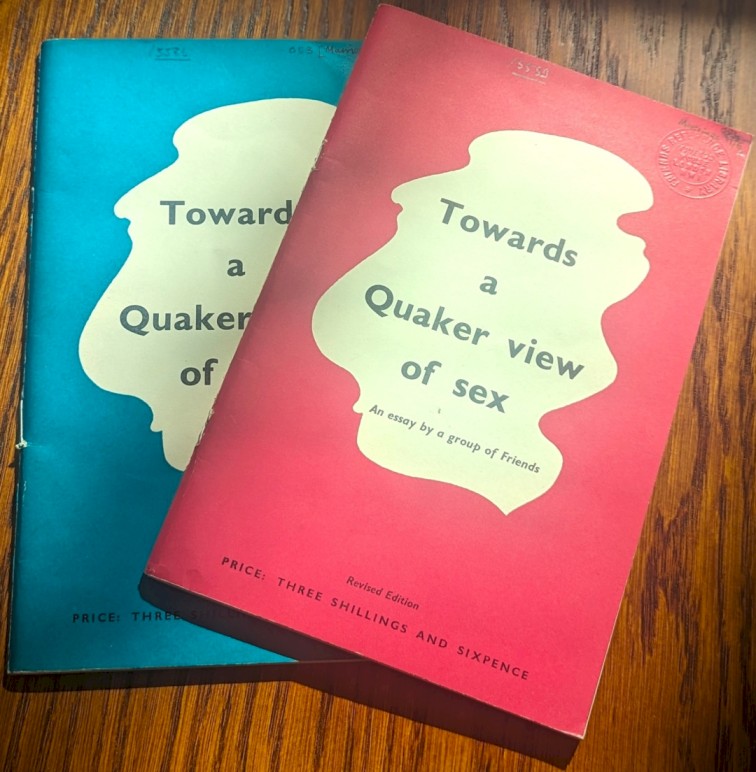
Inside was a sentence that did more cultural damage—in the best way—than many louder revolutions:
“An act which expresses true affection between two individuals and gives pleasure to them both, does not seem to us to be sinful by reason alone of the fact that it is homosexual.”
Which is, essentially, theology translated into: love is not a moral emergency.
RELATED: Far-Right Australian MP Jason Virgo Reveals He’s Gay
Predictable Backlash, Unpredictable Calm
Not everyone responded with enlightenment and tea.
One member of the Friends Temperance and Moral Union reportedly called the book “poison,” which is quite a strong review for something that mostly argues for being decent to people. But disagreement inside Quaker circles is almost part of the architecture—like emotional central heating. The point wasn’t consensus. It was conscience.
From George Fox to “Tremble at the Word of the Lord”
To understand why any of this mattered, you have to rewind to the origin story of the movement: George Fox wandering around 17th-century England basically telling the religious establishment that God was not locked inside approved buildings or hierarchy. That did not go over smoothly.
In 1650, Fox was hauled before a judge on a blasphemy charge and told them to “tremble at the word of the Lord.” The judge did not tremble. But the nickname “Quaker” stuck anyway—part insult, part accidental branding genius.
A Religion Built on Not Doing What It’s Told
From the beginning, the Religious Society of Friends leaned into discomfort with authority. Silent worship instead of sermons. Inner conscience instead of clerical gatekeeping. And a long record of political and moral resistance, including opposition to slavery and refusal of military service dating back centuries.
So when they started talking about LGBTQ+ dignity in the 20th century, it wasn’t a pivot. It was a continuation. More like: we’ve been disagreeing with institutions for 300 years—why stop now?
The Slow, Persistent Expansion of “Yes”
After 1963, things didn’t explode. They accumulated.
In 1973, Quakers helped establish the Friends Homosexual Fellowship, creating space for internal dialogue when many churches were still debating whether the topic could be mentioned without causing structural collapse.
By 1987, some meetings were already considering same-sex marriage. And in 2009, Quakers in Britain became the first religious organisation in the country to formally recognise it. It’s not a sprint. It’s more like moral geological layering.
Pride Flags, Book Bans, and Not Staying Silent About It
In recent years, Quaker communities have kept showing up where cultural friction is highest—but still without much theatrics.
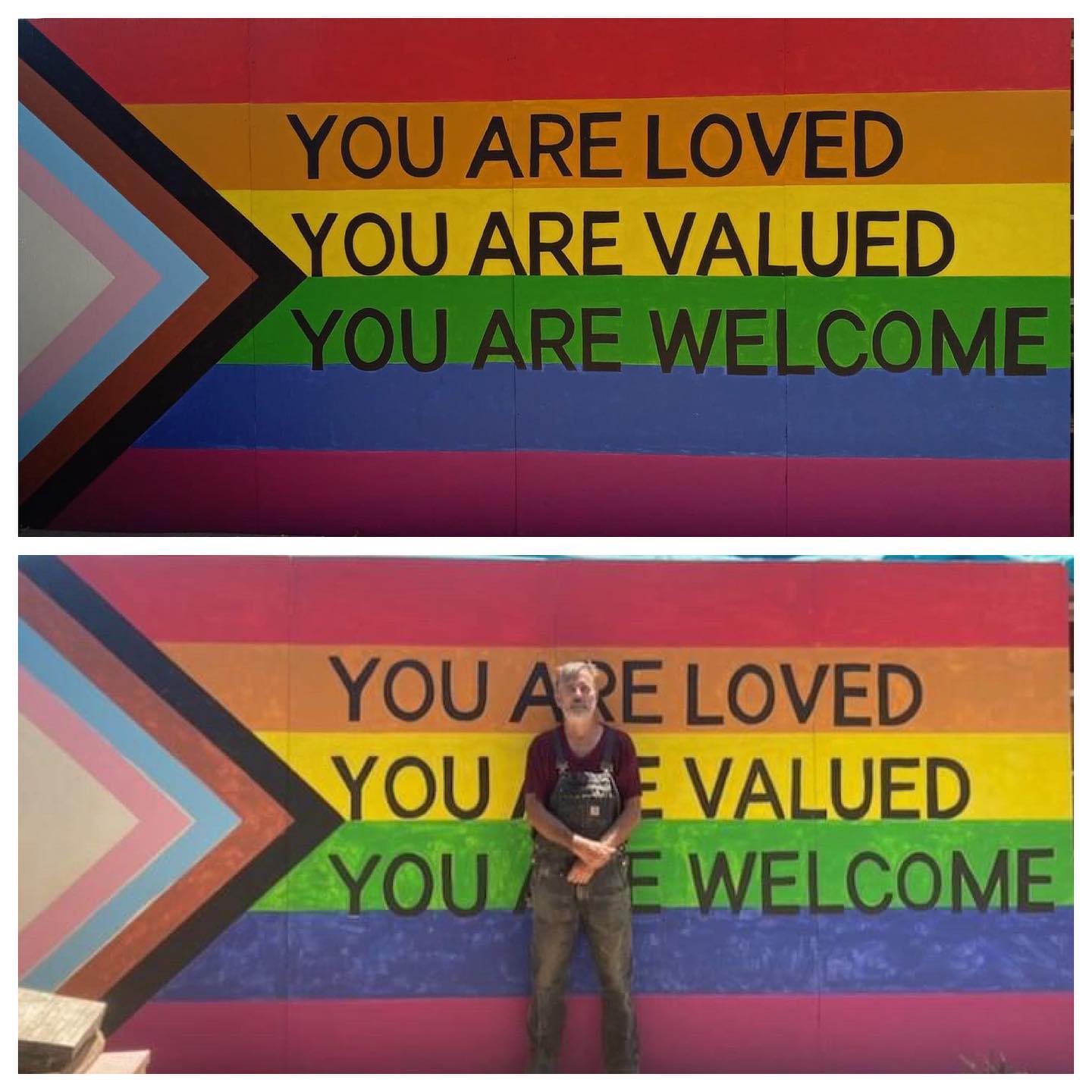
In Iowa, affirming Quakers have opposed book bans targeting LGBTQ+ content. In 2023, one community put up a Pride Progress flag billboard reading: “You are Loved, You are Valued, You are Welcome.” No cryptic messaging. No ambiguity. Just clarity.
In Pennsylvania, Quakers pushed back against far-right Christian nationalist rhetoric aimed at LGBTQ+ people. And in 2025, British Quakers rejected a Supreme Court ruling restricting trans people’s access to single-sex spaces.
“This Is What Love Requires of Us”
At a meeting responding to that ruling, one Friend summed it up without embellishment:
“This is what love requires of us.”
No slogan polish. No branding department glow-up. Just a sentence that sounds simple until you realise how many institutions still struggle to say it.
Still Doing What They’ve Always Done
Sixty-three years on, Towards a Quaker View of Sex doesn’t read like a relic so much as a timestamp on an argument the rest of the world is still mid-conversation about.
And the Quakers, predictably, are still there—quietly insisting that dignity isn’t controversial, just often delayed.
Source: LGBTQNation