


Every so often, a city looks at a decades-old law, gives it a long stare, and collectively asks, “Wait… we’re still doing this?” That was Minneapolis this week, as the City Council voted 9-2 (with one abstention) to repeal its 1988 ban on adult bathhouses and sex venues—a restriction many advocates have long argued was born from fear, stigma, and homophobia rather than sound public policy.

We’ve been following Minneapolis’ push to finally retire its nearly 40-year ban on gay bathhouses, and now the effort has reached a major turning point: the City Council has officially voted to repeal it.
RELATED: Minneapolis Gay Bathhouses—The 38-Year Ban May Finally End
No, this doesn’t mean everyone’s booking steam room reservations tomorrow. But it does mean the city has officially opened the door to reconsidering how these spaces fit into modern public health and LGBTQ life. For plenty of gay people, that’s more than symbolic. It’s history getting a long-overdue edit.
A law written during panic
Bathhouses have occupied a unique place in gay history. Long before dating apps made it possible to flirt while waiting in line for coffee, these venues served as social spaces where gay men could meet, unwind, build community, and yes, sometimes hook up.
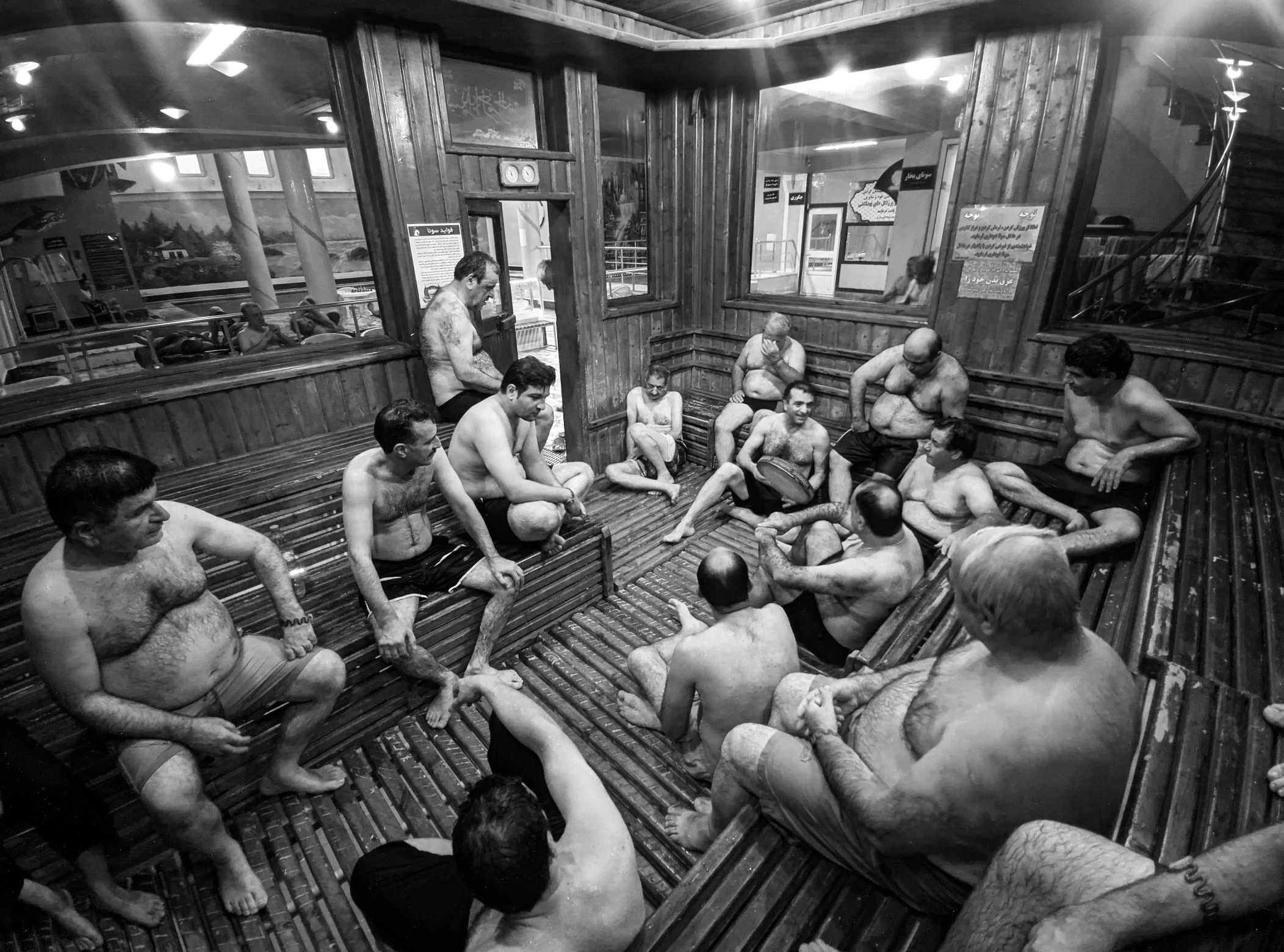
During the height of the AIDS epidemic, however, fear reshaped public policy across America. Minneapolis banned bathhouses in 1988 as HIV devastated LGBTQ communities and misinformation often carried as much weight as medical evidence.
Nearly four decades later, council members argued that science—and society—have changed dramatically. The repeal’s final hurdle is a signature from Mayor Jacob Frey, who has already expressed support for ending the ban.
“Today is the first step”
One of the loudest voices behind the repeal was Council Member Jason Chavez, the city’s only openly LGBTQ council member, who co-authored the ordinances alongside the Safer Sex Spaces Coalition. Before the vote, Chavez reflected on former council member Brian Coyle, a gay man who supported the original ban back in 1988.
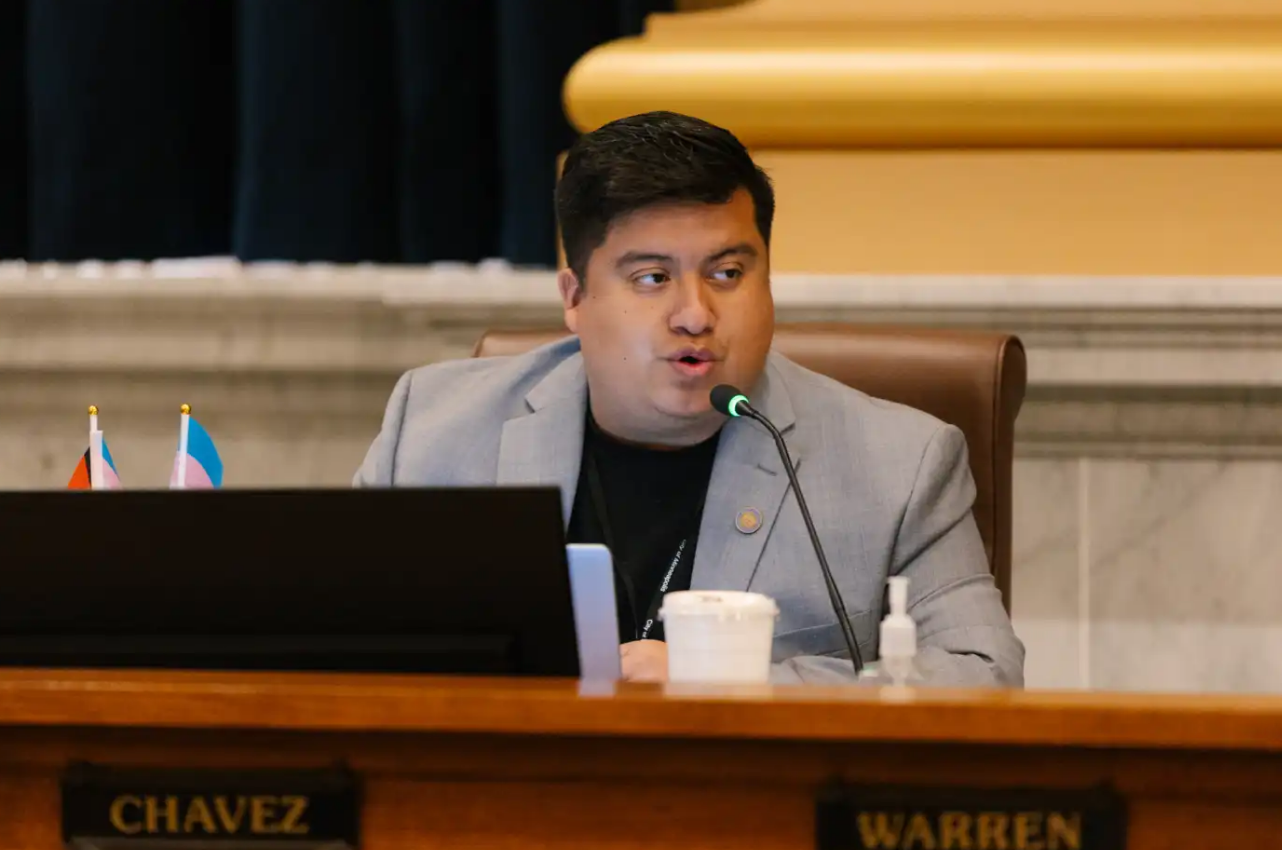
“Today is the first step and it will not be the last. And it is an important one,” he said. “I believe if Brian Coyle was here with us today, with everything we know about public health, he would be standing with us proudly and me on this council so I would not feel alone taking this vote.”
It was one of the meeting’s most emotional moments—a reminder that LGBTQ history isn’t just something preserved in museums or documentaries. Sometimes it’s rewritten in council chambers.
Minneapolis: This isn’t a grand opening—it’s the blueprint
Despite the headlines, Minneapolis isn’t immediately welcoming new bathhouses. Council members repeatedly emphasized that repealing the ban simply removes a legal obstacle. The city still has to navigate zoning, licensing, regulations, planning, and public hearings before any venue could eventually open.
Think of it less as cutting the ribbon and more as finally approving the architectural plans. Future proposals would still require additional council votes before any bathhouse could legally operate.
Not everyone was convinced
The debate wasn’t unanimous. Council Member Elizabeth Shaffer voted against repeal, saying many constituents—including longtime LGBTQ advocates—questioned whether bringing bathhouses back should be a city priority. She shared a conversation with one resident who had worked for former Sen. Allan Spear, the state’s first openly gay senator.
“My constituent has spent decades in this fight. He shared with me that many gay men in his own network either oppose the return of bathhouses or have real questions about whether this is the right path for a variety of reasons.”
Others argued those concerns shouldn’t reinforce decades-old stereotypes. Council Member Robin Wonsley pushed back against framing bathhouses purely through a sexual lens.
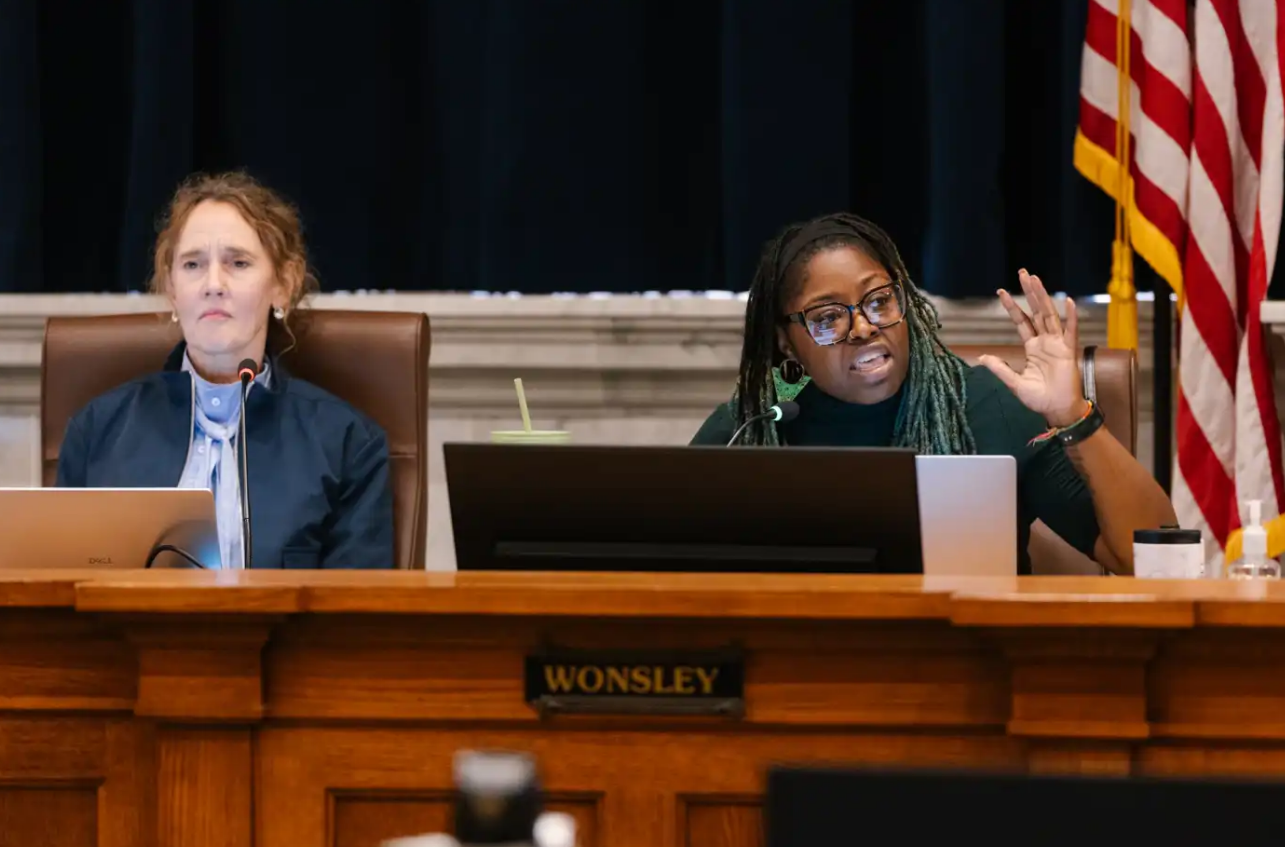
“I think it’s so important to not use this trope of hyper-sexualizing our communities. That put a very repressive, ignorant and fear-based policy in our legal code in the first place,” she said. “If you can go and enjoy a drag show at Gay 90s, you should also be able to stand up for the policies that makes those spaces possible.”
It’s a point many LGBTQ advocates have made for years: straight society has rarely struggled to separate bars, clubs, or nightlife from moral panic. Gay spaces haven’t always received the same courtesy.
Years of organizing finally paid off
This victory didn’t happen overnight. Former OutFront Minnesota legal director Phil Duran first pushed to repeal the ban back in 2017 alongside Twin Cities Leather founder Karri Joe Plowman, but the effort never reached a council vote. Plowman has long argued that acknowledging these venues is ultimately about safety.
“That’s what I was saying in 2017, we deserve to be safe in a commercial space. And the city has a responsibility to make sure that space is safe. They do not have a responsibility to tell us what we can do in that space.”
Momentum returned after policy aides Claire Kingstad and Ben Carrier helped form the Safer Sex Spaces Coalition. The group successfully modernized outdated city language surrounding HIV in 2023 before turning its attention back to eliminating the ban itself. Kingstad said the effort demonstrates what community organizing can accomplish.
“I understand that this is a complex issue, and it seemingly came out of nowhere, but for something that should have been revisited decades ago, there was never a right time. Now is the time. We did it. We put the work in.”
“This is a testament to the the spirit of our city and our culture of organizing around the issues we care about and making progress as people.”
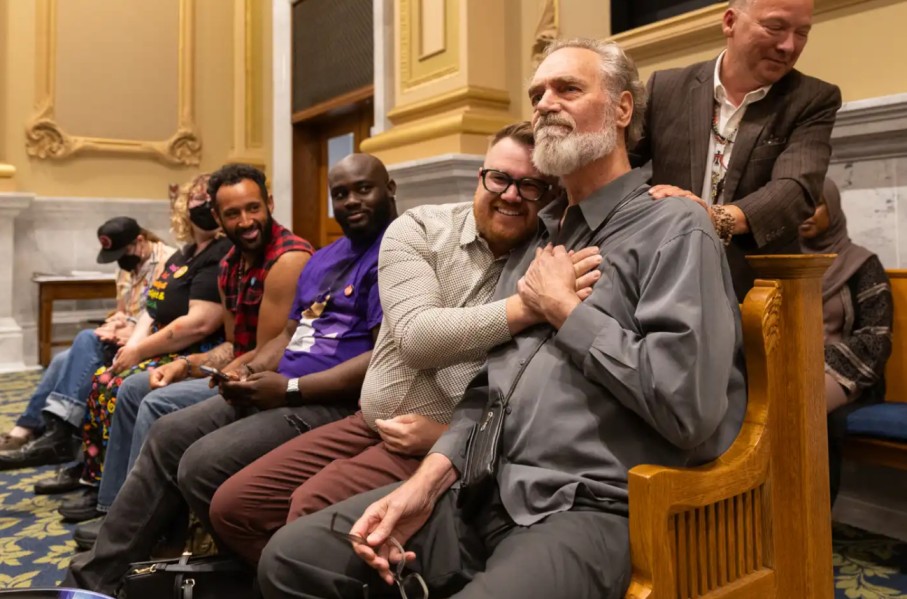
Local artist and activist Patrick Scully, who attended the meeting, said the repeal was also an opportunity to leave behind laws rooted in anti-gay prejudice.
“I’m frustrated and angry that it took this long, but it just speaks to the sex negative, homo-hating world that we live in,” he said. “I’m glad that we won today, and I look forward to the momentum of this moving forward and getting these gay-negative laws off the books.”
Public health looks very different in 2026
The conversation around bathhouses has changed because HIV prevention has changed. Today’s prevention landscape includes PrEP, which reduces the risk of contracting HIV by about 99 percent when taken consistently, alongside major advances in HIV testing, treatment, and viral suppression. Public health experts say those developments have fundamentally changed how HIV prevention is approached compared with the late 1980s, when the original ban was enacted.
Advocates say regulated venues can actually become valuable places to connect people with healthcare, testing, prevention resources, and education instead of pushing those interactions further into the shadows. Dylan Boyer of the Aliveness Project believes the repeal could support Minneapolis’ broader goal of ending new HIV transmissions.
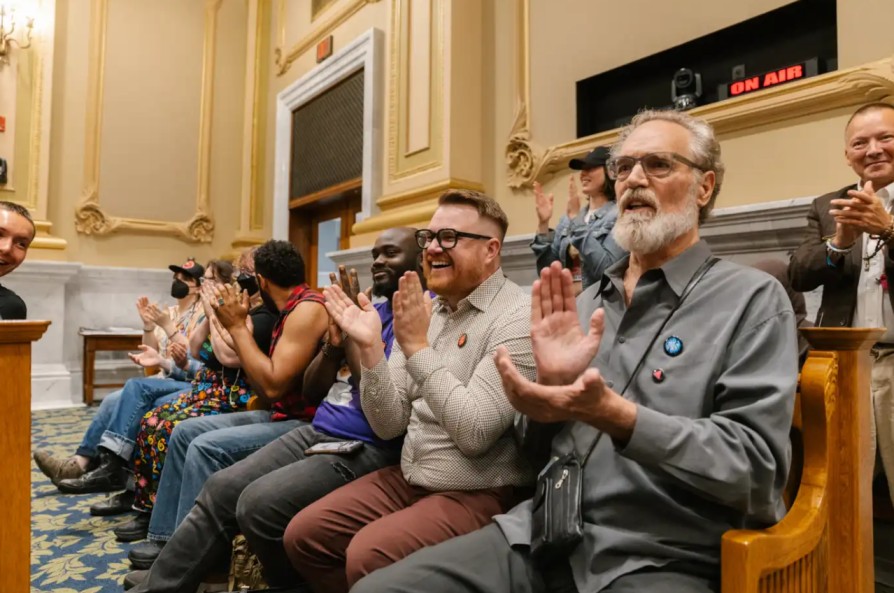
“These are big goals, it is going to take bold change, bold and radical change,” Boyer said. “[Bathhouses are] one of those spaces that we can really connect with folks that are on the outskirts of that care, and not knowing their status and not knowing what prevention looks like for them. This is a population that we’re able to tap into, that we are not currently able to reach.”
Before that realization fully sank in, Boyer admitted the council vote simply felt emotional.
“I think suddenly the impact that this has had on people that I work with, my friends, the greater queer community at large — it all hit me in that moment realizing that this got passed,” he said. “We just made history in Minneapolis.”
More than bathhouses
For many LGBTQ people, this vote was never only about steam rooms or saunas. It was about revisiting a chapter written during one of the darkest moments in gay history and asking whether laws built on fear still deserve a place in modern society.
The repeal doesn’t erase the trauma of the AIDS crisis, nor does it guarantee that bathhouses will soon reopen across Minneapolis. What it does signal is a willingness to replace panic-era policymaking with contemporary public health, community input, and a little historical honesty. Sometimes progress isn’t flashy. Sometimes it’s a city quietly admitting that a law from 1988 has overstayed its welcome—and finally showing it the door.
Source: MPR News