


For decades, Denny Blaine Park has been one of Seattle’s most beloved LGBTQ+ gathering spots—a rare place where queer locals, nudists, and sunseekers could enjoy the waterfront with little more than sunscreen and good vibes. But now, the city’s famously clothing-optional beach is making headlines for reasons that have plenty of regulars sighing into their beach towels.
RELATED: The Foster Care Fight Just Got a Lot More Queer
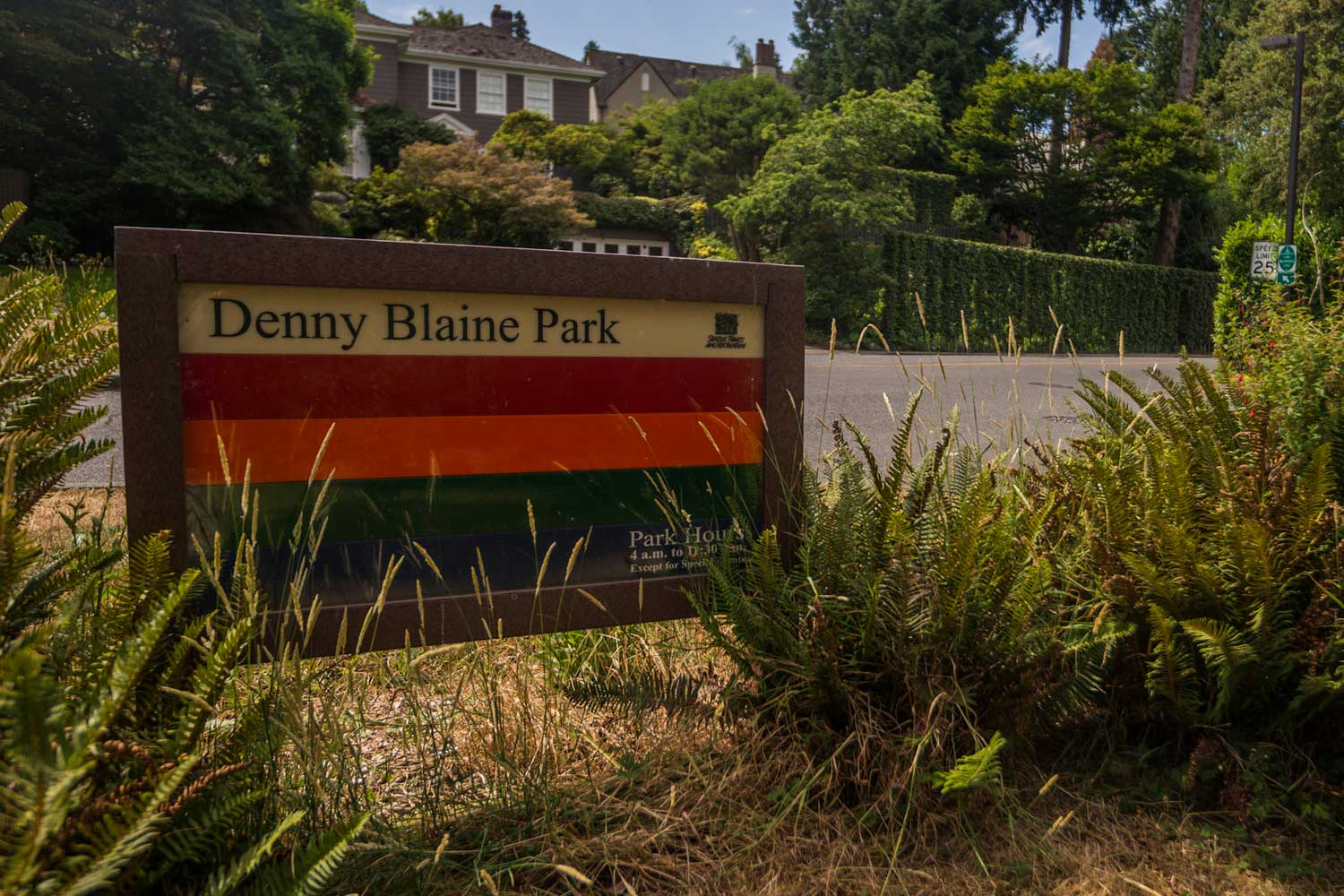
A Seattle judge has ordered the city to take stronger action against ongoing illegal activity at Denny Blaine Park, ruling that conditions there constitute a public nuisance. While the park has long been associated with Seattle’s LGBTQ+ community, supporters and residents alike say the issue isn’t the nudity—it’s the alleged criminal behavior that’s increasingly overshadowing one of the city’s most iconic queer-friendly spaces.
Seattle wrestles with preserving Denny Blaine Park
For more than 50 years, Denny Blaine Park has served as a welcoming destination for LGBTQ+ visitors and naturists, earning a reputation as one of Seattle’s best-known clothing-optional beaches.
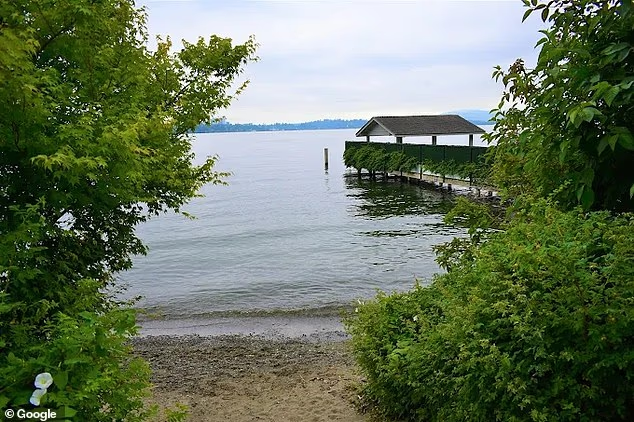
Recently, however, nearby residents say the atmosphere has changed. Complaints of public sex acts, drug activity, and other illegal behavior prompted a neighborhood coalition to take legal action, arguing that many families and longtime visitors no longer feel comfortable using the park.
According to KOMO News, the coalition behind the lawsuit—Denny Blaine Park for All—said the case has never been about eliminating the park’s LGBTQ+ identity or its nude beach tradition. Instead, members argued that persistent unlawful activity has prevented the public from safely enjoying the space.
One particularly eyebrow-raising social media post showed a pipe installation at nearby Howell Park, another clothing-optional beach adjacent to Denny Blaine, with a sign reading, “pee in here.”
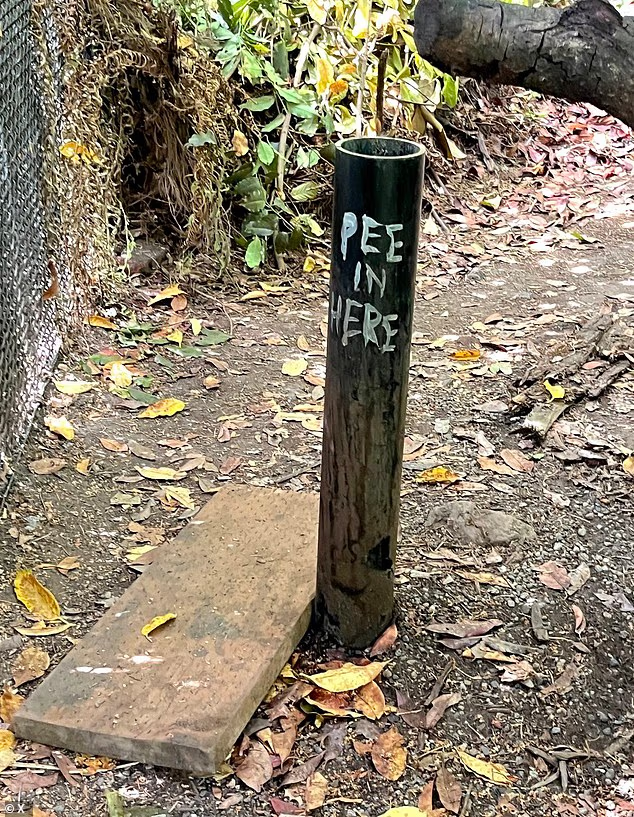
The caption pulled no punches.
“This is disgusting and it’s exactly how we lose another nude beach.”
For many LGBTQ+ beachgoers, that sentiment may sting. Queer spaces have often had to defend themselves against unfair stereotypes, making it especially frustrating when the conversation shifts away from community and toward behavior that supporters say doesn’t represent the people who genuinely cherish these spaces.
RELATED: Drag Brunch Ignites Christian Protests and Legal Fight
Judge orders action after Denny Blaine Park declared a public nuisance
The Seattle judge ruled that conditions at Denny Blaine Park constitute a public nuisance, ordering the city to address the ongoing problems and crack down on illegal activity at the park.

Lee Keller, representing the neighborhood coalition, said the evidence presented during the case was difficult even for the courtroom to watch.
“We appreciate the Court’s careful review of the evidence and its recognition that the conditions at Denny Blaine Park constitute a public nuisance.
“We look forward to working constructively with the City to ensure the Court’s order is fully implemented so this remarkable public park can once again be enjoyed by everyone.”
Keller also said photographs and videos shown during the proceedings were so disturbing that many people in court had to “look away.”
Saving the space means protecting what made Denny Blaine Park special
For many LGBTQ+ Seattle residents, Denny Blaine Park has never simply been about being nude. It’s been about finding a place where body confidence, queer community, and personal freedom could coexist without judgment.
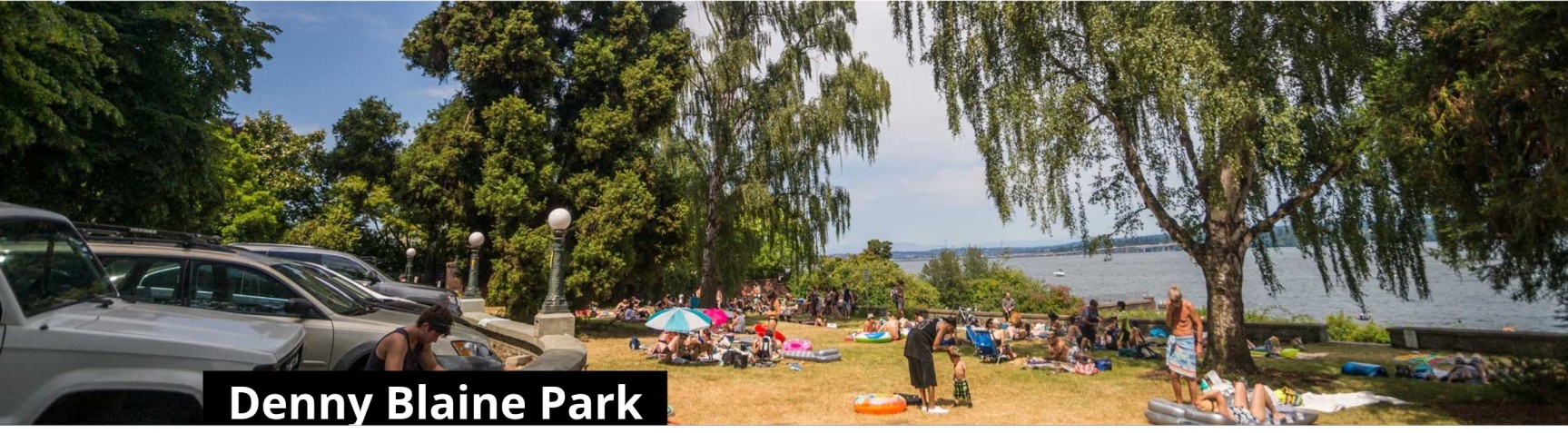
That makes this moment particularly complicated. Advocates for preserving the park’s unique culture largely agree that illegal conduct should not define—or jeopardize—a place that has welcomed generations of LGBTQ+ visitors.
Because at the end of the day, there’s a big difference between celebrating body positivity and turning a public beach into something that drives people away. If Seattle’s crackdown succeeds, many hope Denny Blaine Park can return to being known for what made it special in the first place: sunshine, community, and the freedom to be yourself—without becoming tomorrow’s neighborhood complaint.
Source: DailyMail