


In the high-energy world of volleyball, emotion isn’t a side effect—it’s part of the show. The spikes are explosive, the rallies relentless, and the celebrations? Loud, expressive, and sometimes unforgettable. But during a recent NCAA matchup between two top programs, that very joy sparked a conversation the sport can’t ignore.
During a broadcast of the CSUN vs. UC Irvine match on ESPN+, commentator and former player Charlie Brande took aim at CSUN standout Jordan Lucas. After Lucas celebrated a play with his signature flair, Brande told viewers the behavior was unacceptable—and went further, suggesting on air that he was surprised Lucas hadn’t been “popped” by someone.
Let’s call it what it is:
Commentary is part of the game. Suggesting violence isn’t.
Jordan Lucas Isn’t Just Playing—He’s Changing the Game
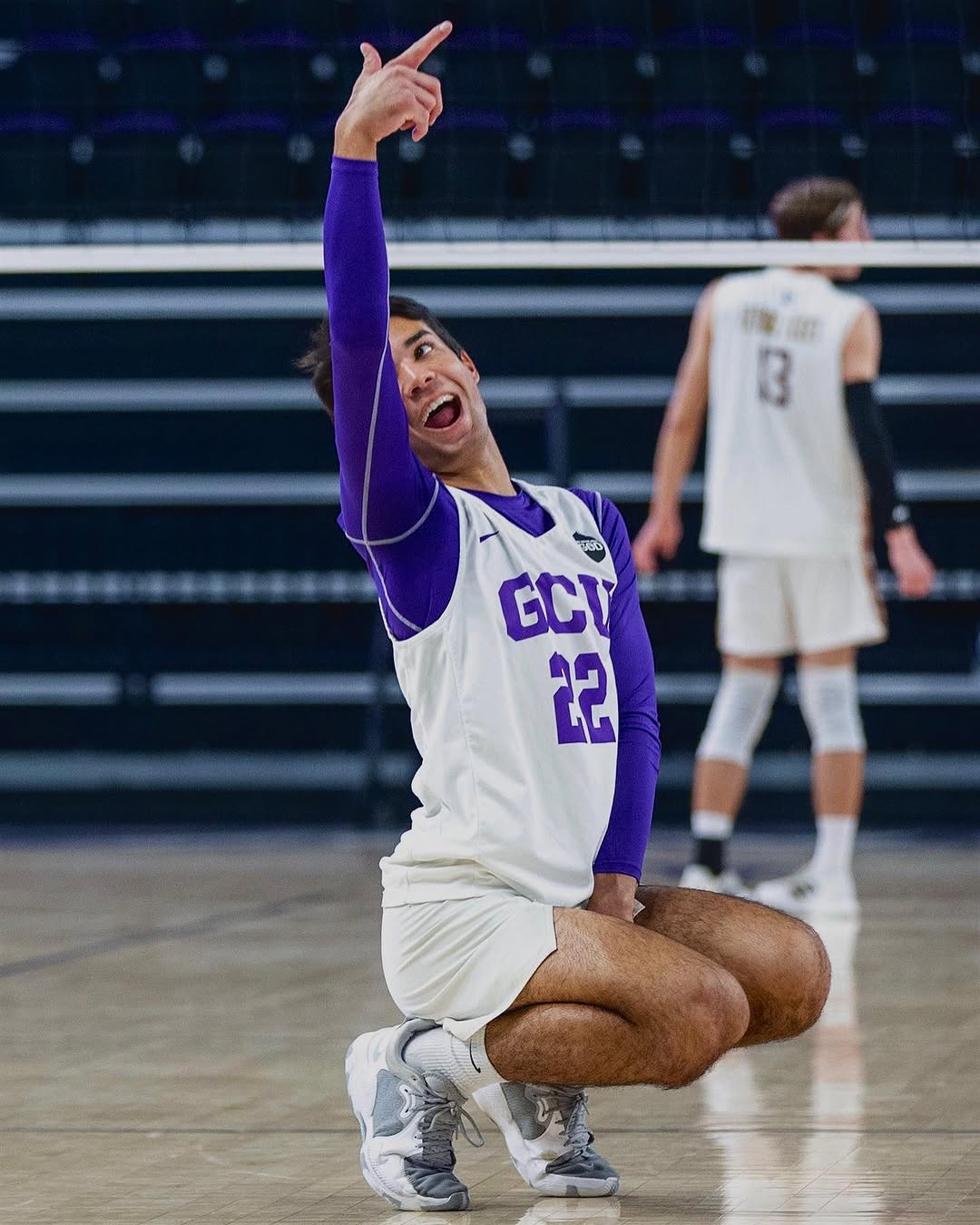
Lucas isn’t just a headline—he’s a force on the court. Lucas moved from Grand Canyon University to CSUN and quickly became one of the team’s most valuable players. Their opponents, UC Irvine, is also ranked in the 10—making this matchup as competitive as it gets in college volleyball. But numbers only tell part of the story.
As a proudly gay athlete, Lucas brings something else to the court: visibility. His style—expressive, confident, and yes, a little flamboyant—doesn’t just celebrate points. It celebrates presence. And in a sport that hasn’t always made space for queer expression, that matters.
💅💅💅Sassy ass volleyball player 🤣🤣🤣🤣 pic.twitter.com/Uti1s0kzI8
— Jayroo (@jayroo69) April 14, 2026
“Antics” Says More Than You Think
Brande’s now-viral remarks described Lucas’ celebrations as “antics” and “distasteful.” On the surface, it might sound like standard criticism. But for many viewers, especially LGBTQ+ fans, the language hit differently.
Because words like “too much,” “extra,” and “distasteful” have long been used to police how queer athletes show up—especially in male-dominated sports where traditional masculinity still sets the tone.
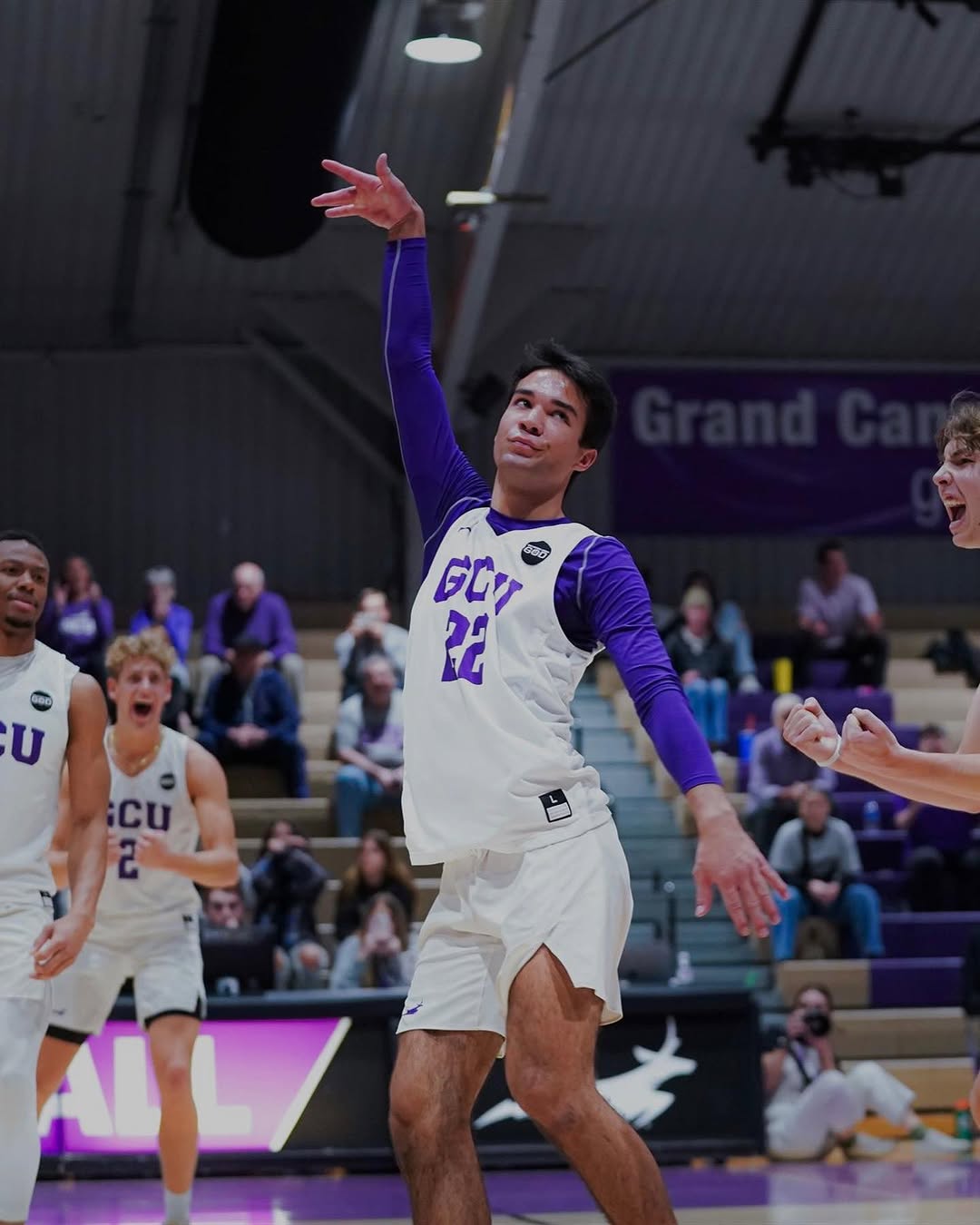
When straight athletes celebrate, it’s passion. It’s celebrated even.
When queer athletes do the same, it’s a problem?
That double standard is exactly why this moment resonated far beyond one game.
RELATED: Erik Shoji Embraces His Truth — and the Volleyball World Embraces Him Back
The Apology—and the Silence Within It
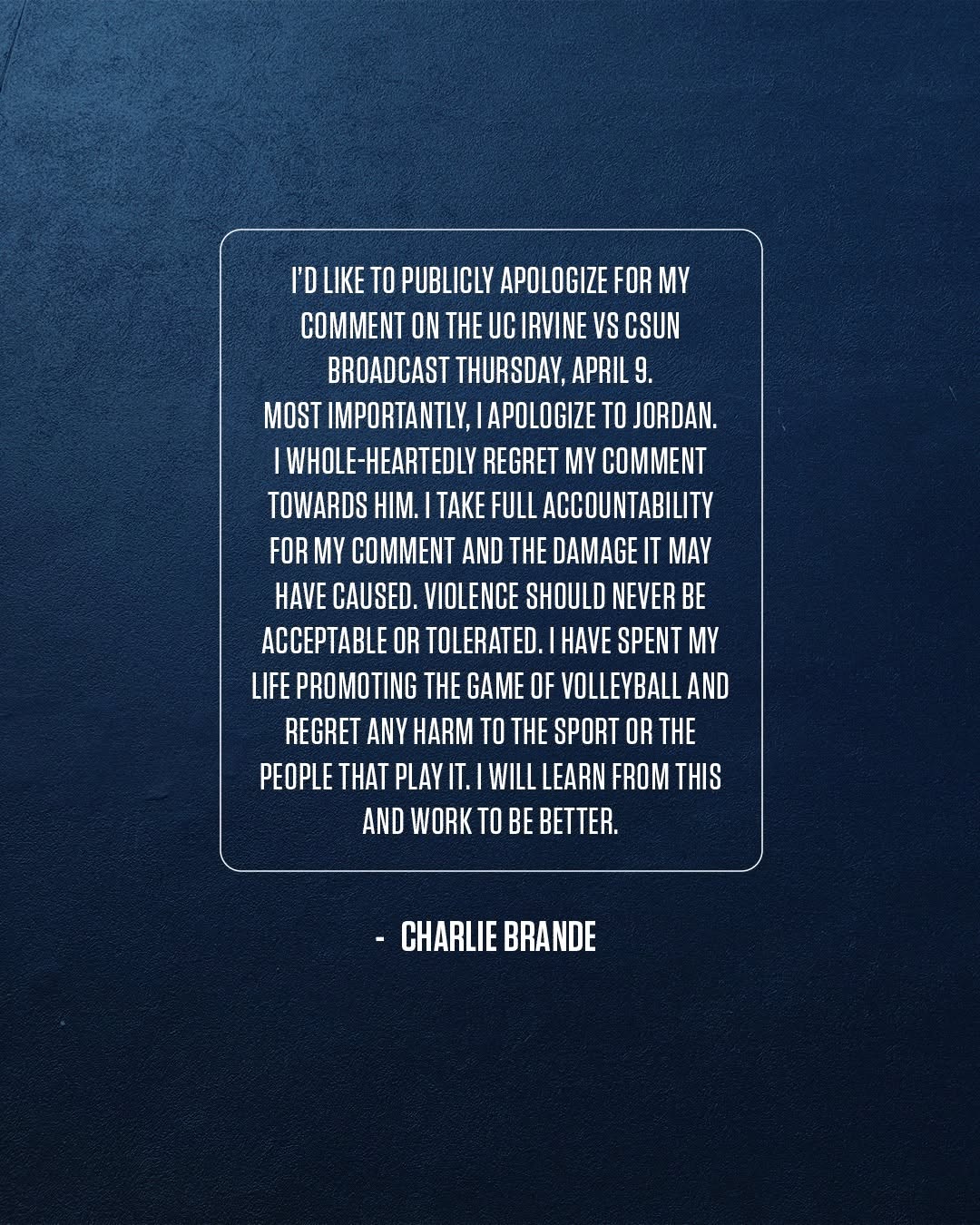
Following the backlash, Brande issued a public apology:
“I’d like to publicly apologize for my comment on the UC Irvine vs. CSUN broadcast Thursday, April 9. Most importantly, I apologize to Jordan. I whole-heartedly regret my comment towards him. I take full accountability for my comment and the damage it may have caused. Violence should never be accepted or tolerated. I have spent my life promoting the game of volleyball and regret any harm to the sport or the people that play it. I will learn from this and work to be better.”
It’s a start—but for many, it wasn’t enough.
The apology addressed the mention of violence, but it stopped short of acknowledging the deeper issue: the potential homophobic undertones behind the criticism. And that omission didn’t go unnoticed.
Social media reactions were swift and unfiltered:
- “Apology isn’t enough. Remove the broadcaster.”
- “chose not to address the fact his comment had some homophobic vibes to it as well”
- “There’s no room for someone that showed their true colors like that. Volleyball is suppose to be a safe space and you’re gonna say those type of things. Intrusive thoughts are still your actual thoughts. Even with an apology.”
- “it’s 2026 and homophobia is still a thing? how sad.”
The message from fans was clear: accountability means addressing all of the harm—not just part of it.
Legacy Doesn’t Cancel Impact
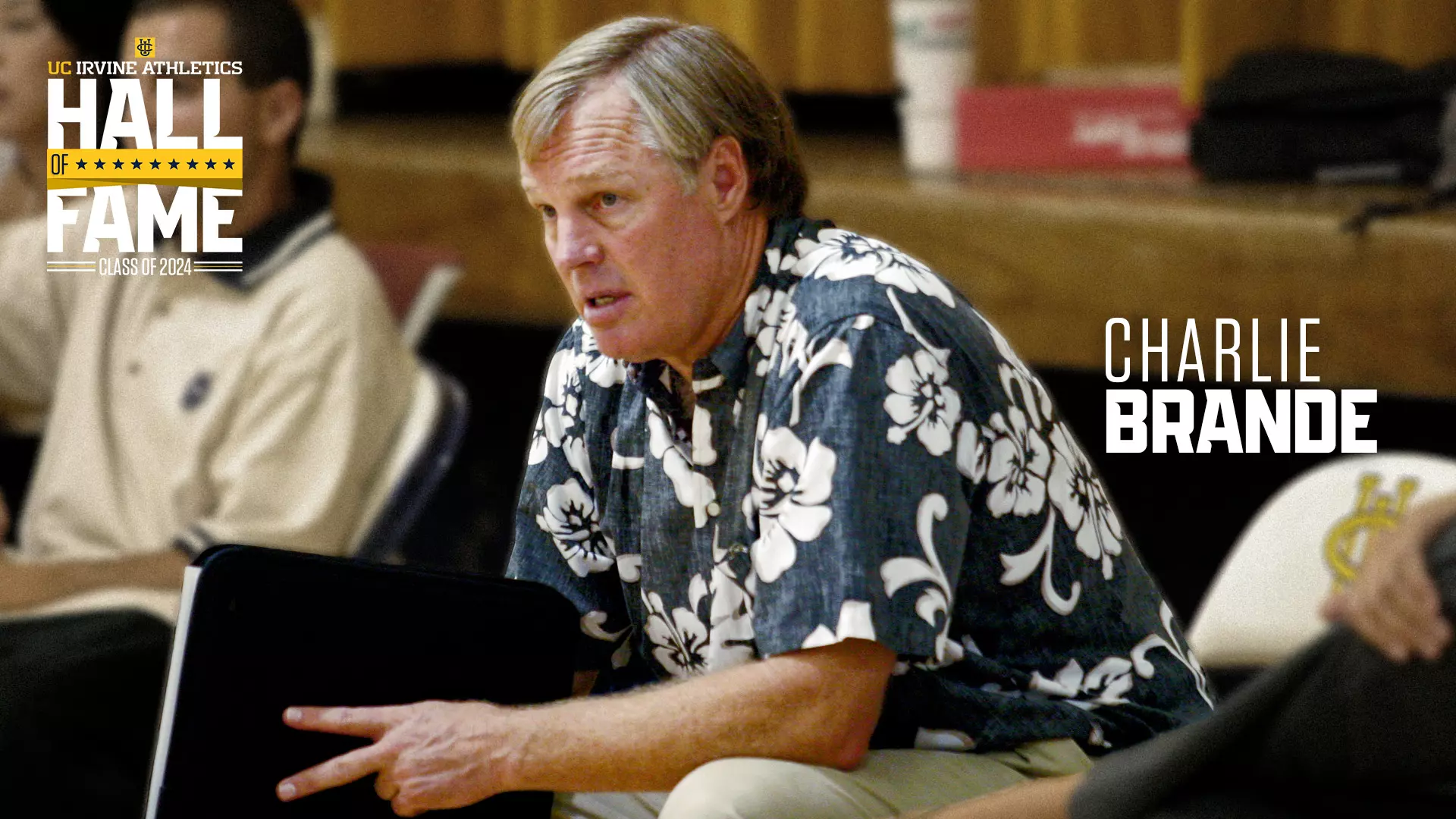
Brande’s history in volleyball is extensive. A former UC Irvine athlete, he transitioned from basketball to volleyball, eventually serving as Director of Volleyball and coaching both men’s and women’s programs. He was even inducted into the UC Irvine Athletics Hall of Fame just two years ago.
But legacy doesn’t shield anyone from criticism.
If anything, it raises the stakes. Voices with influence shape how the sport evolves—and who feels welcome in it.
Let Volleyball Grow Up
At its core, this isn’t just about one comment or one player. It’s about where volleyball is headed.
Athletes like Jordan Lucas represent a new era—one where skill and self-expression aren’t mutually exclusive. Where celebration isn’t policed. Where being visible doesn’t come with consequences.
Volleyball has always had personality. It just hasn’t always embraced this kind of personality.
Match Point
Jordan Lucas didn’t break the game—he played it with joy. And if that joy makes people uncomfortable, maybe it’s not the player that needs to change. Maybe it’s the sport catching up.