


Forget the Berlin Wall. Before the Nazis crushed everything, the real Berlin had its own kind of revolution—and it wasn’t just about politics. In the 1920s, this German capital was the it city for queer culture, research, and activism. Think late-night jazz clubs, experimental art, and an unapologetic embrace of LGBTQ+ rights. Welcome to Berlin’s golden age of queerness, where gay life was as much about pioneering ideas as it was about glittering parties.
RELATED: “Save Me a Seat”: Pete Buttigieg’s 2028 Presidential Hint
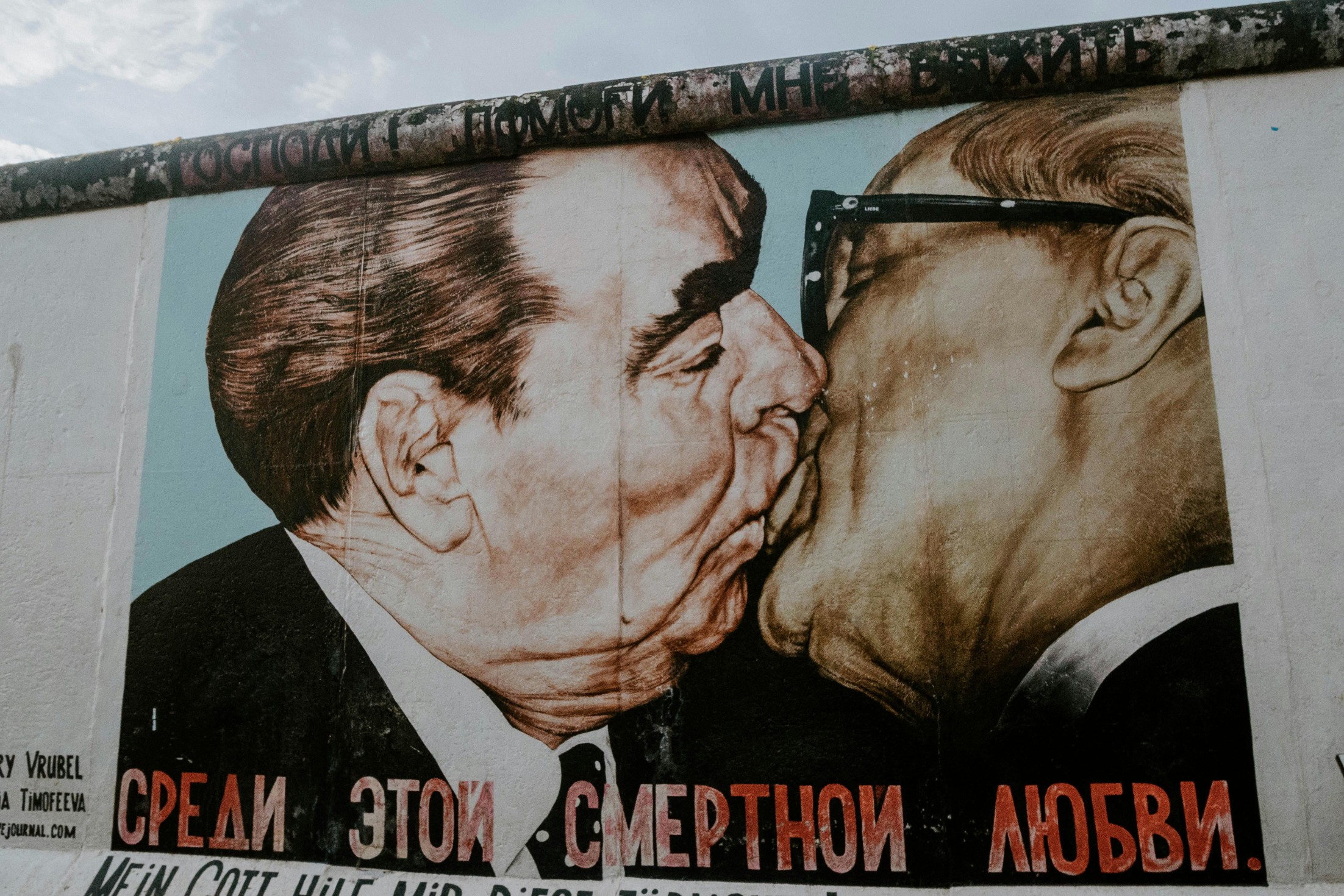
Berlin: The Original Queer Mecca
Fast-forward to the present, and Berlin is still the #1 queer-friendly city in the world. But before we give all the credit to drag brunches and techno raves, let’s take a quick trip back in time to when Berlin was the heartbeat of LGBTQ+ activism.
RELATED: Péter Magyar Defeats Orbán: Will Hungary Finally Embrace LGBTQ Rights?
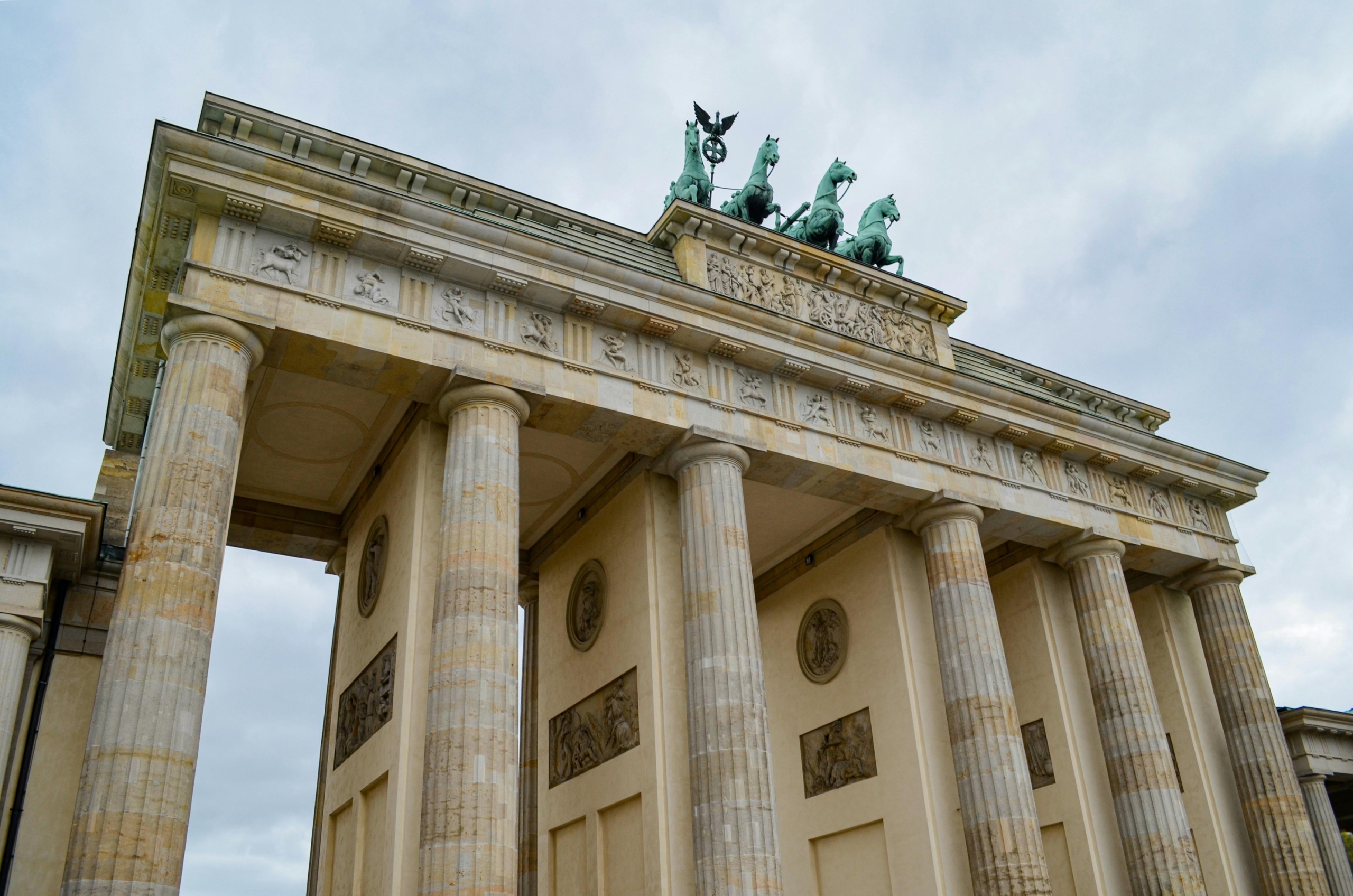
It wasn’t just about the nightlife (though that was iconic). In the Weimar Republic of the 1920s, Berlin became the global capital for early gay rights movements, complete with research institutes, avant-garde thinkers, and yes, a rather bold nightlife scene. Even before “gay rights” was a mainstream phrase, Berlin had activists pushing boundaries.
Magnus Hirschfeld: The Man Who Saw the Future
You can’t talk about early queer rights in Berlin without mentioning Magnus Hirschfeld, the doctor and sexologist who was ahead of his time—like, way ahead. In 1897, Hirschfeld founded the Scientific-Humanitarian Committee, the first organization in the world focused on defending gay rights. His main mission? To challenge Paragraph 175, the draconian German law that criminalized male homosexuality.
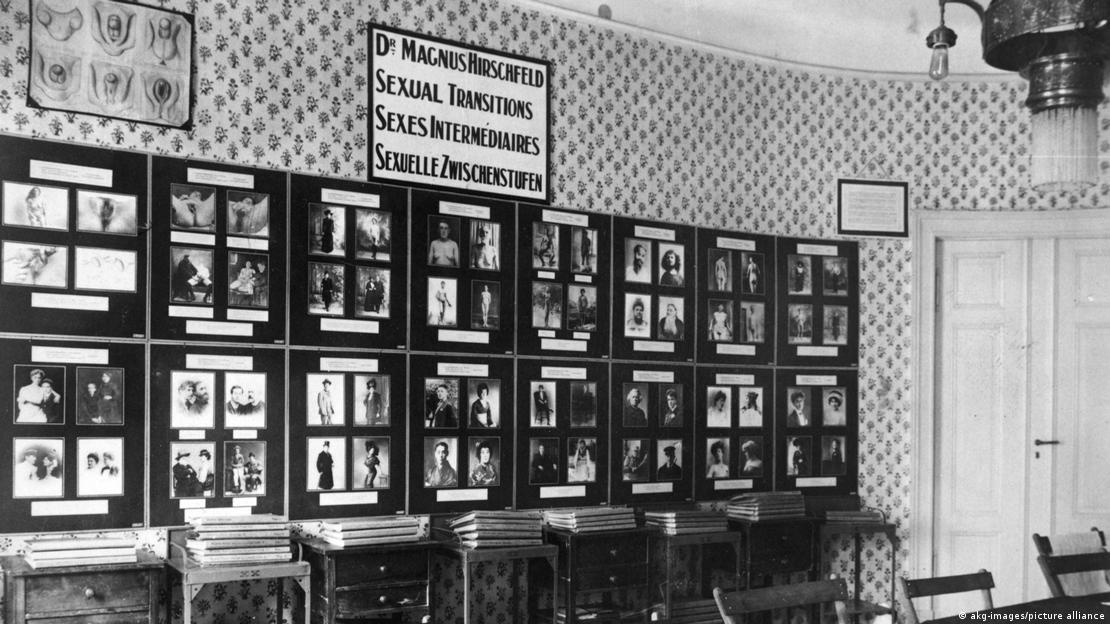
By 1919, Hirschfeld launched the Institute for Sexual Science in Berlin, where research wasn’t just about sex, but about human diversity—sexual orientation, gender identity, you name it. It was a hub for progressive ideas on sexuality, gender expression, and even transgender identity. Think of it as the 1920s equivalent of your favorite inclusive TED Talk, except with a lot more champagne and far fewer corporate sponsors.
The Roaring Queer Nightlife
Now, let’s talk about the fun part: nightlife. Imagine stepping into Berlin’s queer scene in the 1920s: glittering jazz clubs, avant-garde art spaces, and a distinct sense of sexual freedom. You might have danced the night away at Eldorado, one of Berlin’s most famous queer nightclubs, where drag performances and liberating social spaces were the norm. Artists like Otto Dix painted the scenes inside, and legend has it that Marlene Dietrich herself graced the stage.
Schöneberg was the place to be. Today, it’s home to tech startups and boutique hotels, but back then, it was the beating heart of Berlin’s lesbian scene. The café Dorian Gray was a hotspot where women and men could let loose, enjoying everything from live music to costume balls. It was a hub for the creatives and thinkers who helped push Berlin’s queer movement forward.
But Then Came the Nazis
Unfortunately, as we all know, the Nazis didn’t appreciate the artistic and sexual freedoms Berlin had come to embrace. When they rose to power in 1933, they obliterated the city’s vibrant queer life. On May 6, 1933, they raided Hirschfeld’s Institute for Sexual Science. Books were burned. Archives were destroyed. That was the beginning of the end for Berlin’s queer golden age—at least until much later.
From Ruin to Renaissance
It wasn’t all over, though. While the Nazi regime brutally persecuted LGBTQ+ people, Berlin’s queer culture didn’t vanish completely. In the years following WWII, the city slowly started to regain its status as a queer cultural capital. By the 1990s, when Germany finally repealed Paragraph 175, the city was once again leading the charge for queer rights and freedoms.
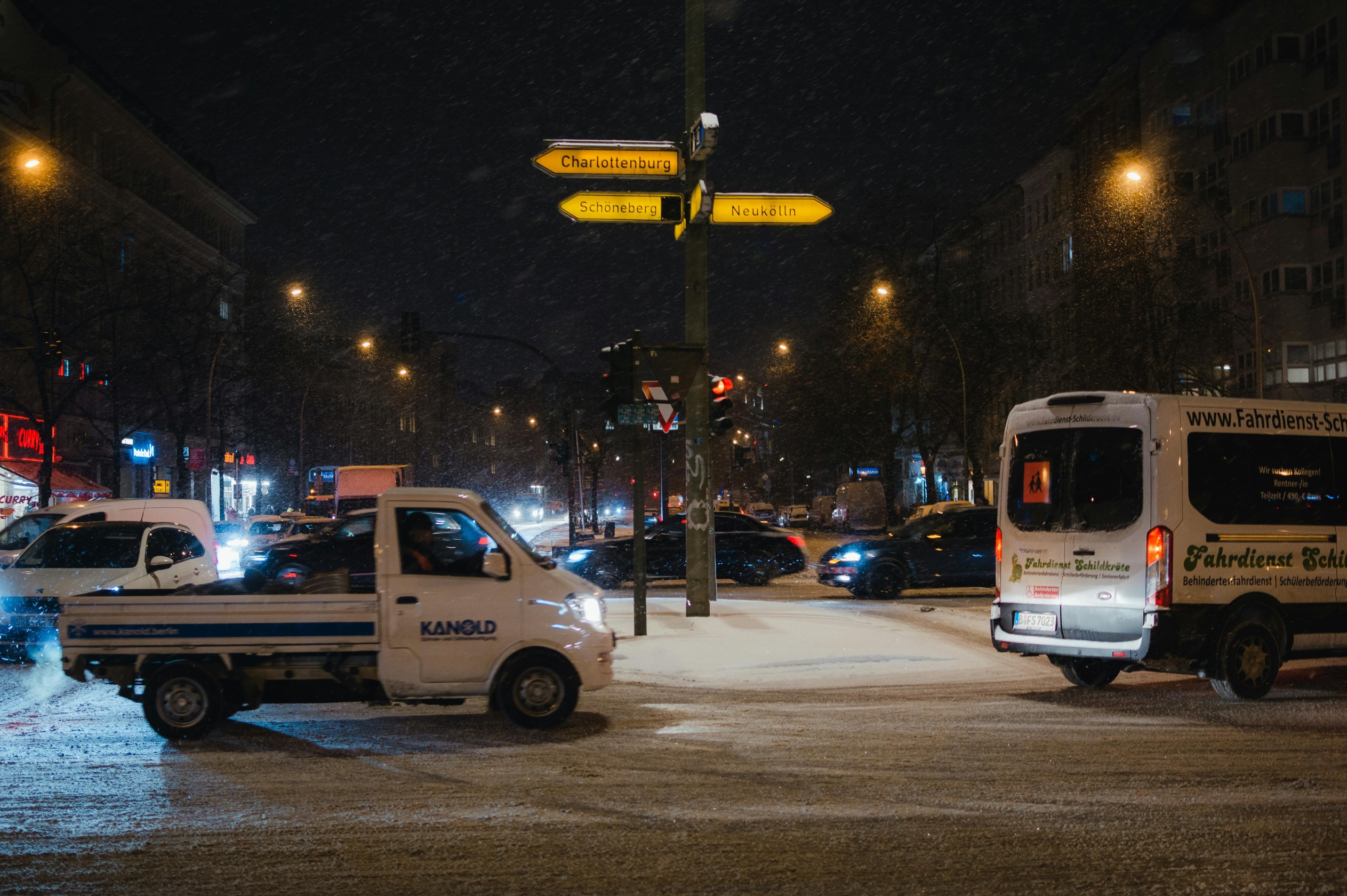
Today, you can still walk the streets of Schöneberg, or visit the plaque marking the site of Hirschfeld’s former institute, and feel a sense of pride and connection to a rich queer legacy. The past is never truly gone; it’s just waiting for us to look a little deeper.
So, Why Should We Care?
Berlin’s story is more than just a history lesson; it’s a reminder of how far we’ve come—and how much work there is still to do. The city once hosted some of the first movements for queer liberation, and today, it’s still one of the most open-minded places on Earth. So, the next time you’re in Berlin, pop into a café in Schöneberg or dance the night away at a queer club. Take a moment to appreciate the rebels who came before us and remember that queer activism isn’t just about fighting back—it’s about building something beautiful from the wreckage.
Conclusion: The Past Is Queer, and So Is the Future
Berlin’s 1920s queer history isn’t just some footnote in a dusty textbook. It’s living, breathing inspiration that fuels today’s global LGBTQ+ movements. So, whether you’re celebrating Berlin Pride or simply enjoying a drag show in your hometown, remember: the freedom we enjoy today has roots in the brave pioneers who built our community. They didn’t just challenge the law—they changed the world.
SUGGESTED: A Guide to Gay Hookup Apps & Sites: What Each One Does Best
Source: DW