

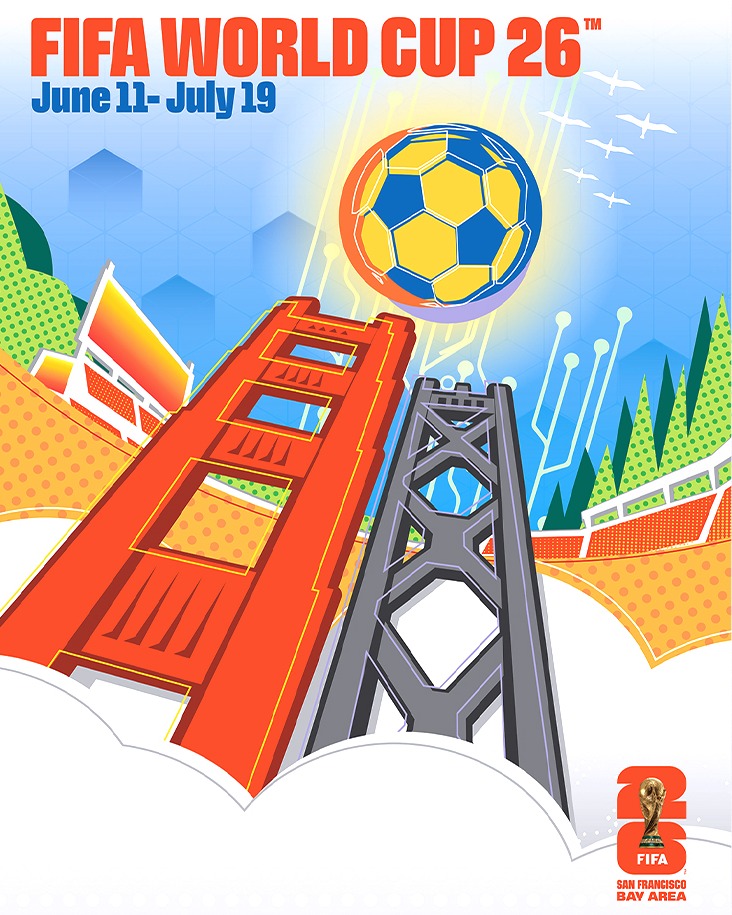
In San Francisco, the World Cup is arriving with all the usual ingredients: global attention, packed schedules, and people suddenly acting like they’ve been lifelong football experts since birth.
RELATED: FIFA Faces Pressure Over Pride Flag Visibility at World Cup
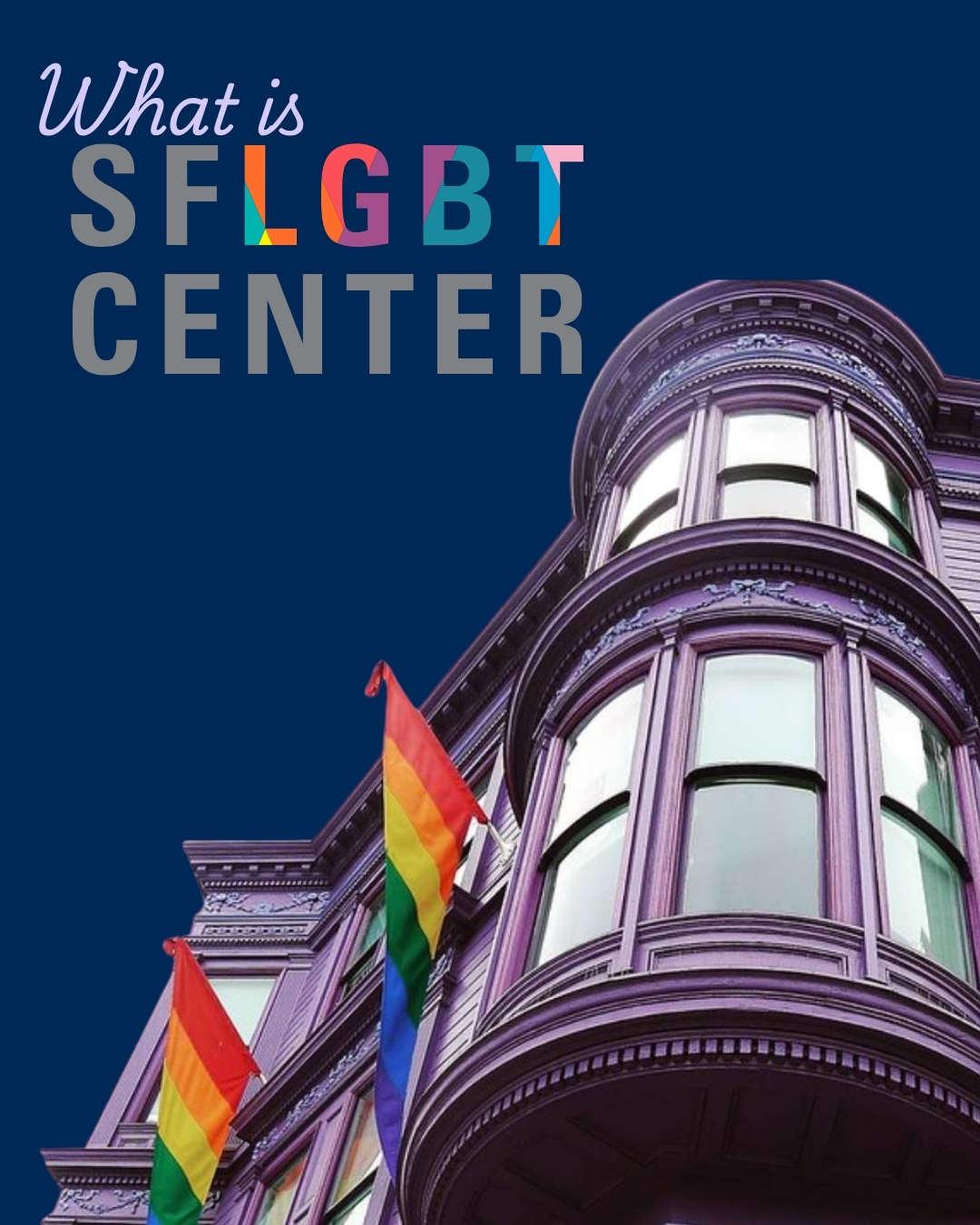
But tucked inside the Castro, something else is being built that doesn’t require a ticket lottery, a flight, or a complicated seating chart: SF Pride House at the SF LGBT Center — a space where LGBTQ+ soccer fans can actually watch the world’s biggest tournament without also doing emotional risk assessments every five minutes.
Soccer, but with a functioning sense of safety
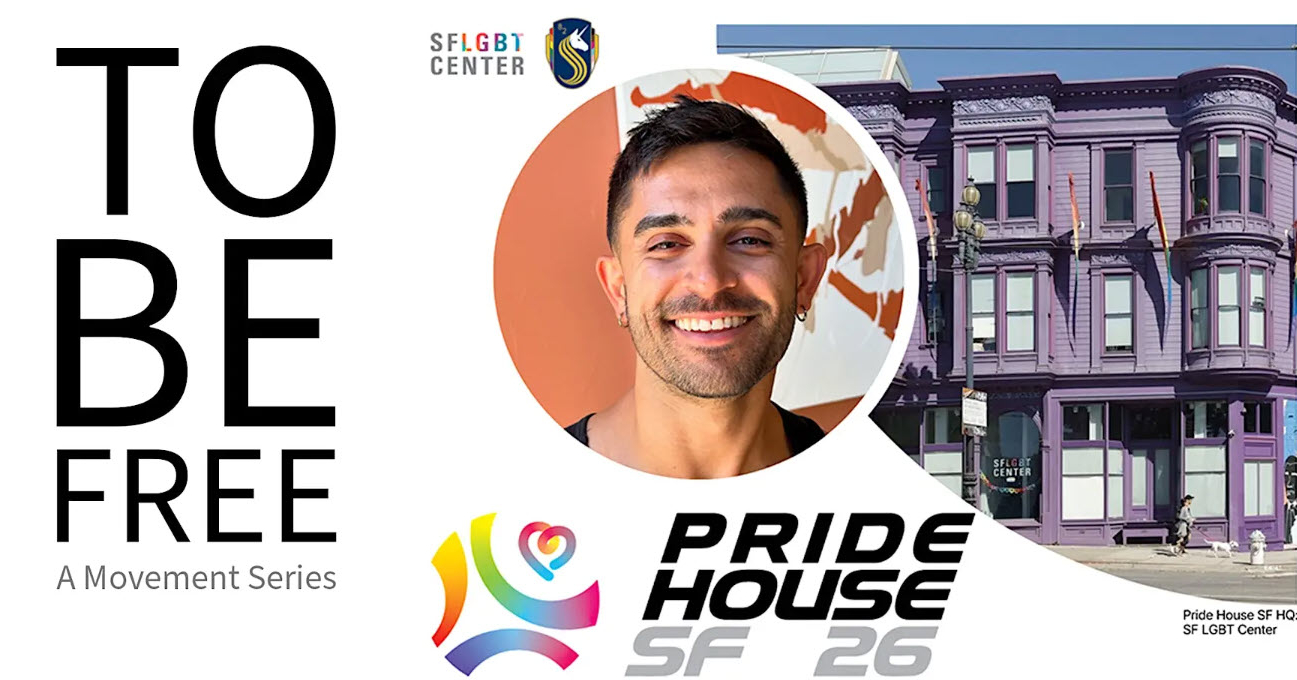
Ahead of the World Cup’s opening matches in Santa Clara, the SF LGBT Center in the Castro has launched SF Pride House, a hub for LGBTQ+ soccer fans featuring watch parties, community events, and other programming throughout the tournament.
RELATED: Jordan North in a Football Shirt… and Basically Nothing Else
It’s also not just a “come watch the game” situation. Pride House SF has opened at the SF LGBT Center ahead of the 2026 World Cup, serving as a gathering space for LGBTQ+ fans, athletes, and allies visiting the Bay Area, as the SF Chronicles reports. Organizers have planned events throughout the tournament, including speaker panels, watch parties, and community gatherings timed to coincide with World Cup matches.
In simpler terms: it’s soccer, but nobody has to sit there wondering if they’re in the wrong place just for existing.
A global idea around the World Cup, finally remembering the assignment
The initiative is part of a larger network of Pride Houses planned across all 16 North American host cities. The concept reportedly grew out of hospitality spaces created for LGBTQ+ visitors at major international sporting events, though largely absent from recent World Cups in Russia and Qatar due to anti-LGBTQ+ laws and restrictions.
So yes, this is technically a “trend,” but also one that feels like it’s correcting a very long, very awkward group project where half the group forgot inclusion was part of the rubric.
The subtext is doing a lot of heavy lifting
Organizers say the project takes on added significance as some international travelers express concerns about visiting the United States amid increased immigration enforcement and policies affecting transgender and nonbinary people, according to the Chronicle.
@loveletterstosf Happy Pride Month 🏳️🌈 – lets tour the SF LGBT Center! make sure to also follow @ sflgbtcenter on IG for info about FREE community events from tango classes to yoga and more & check out their website for room rentals. #sfevents #thingstodoinsf #sflgbtq #communityevents #sflocals #sftour #sfpride #roomrentals #marketst #castrodistrictsf
Which means the vibe is a strange but familiar mix: celebration on the surface, and a more careful calculation underneath about who feels welcome, who doesn’t, and why that still needs explaining in 2026.
“No. Soccer is an inclusive place. You are welcome here.”
“Sports are a space that generally have not always been inclusive of the LGBTQ community as well as other marginalized groups,” San Francisco Spikes soccer club member Danielle Thoe told the outlet. “The biggest tournament in the world has been hosted in spaces that are not welcoming or inclusive to LGBTQ folks. So it’s important that we as a community stand up and explicitly say, ‘No. Soccer is an inclusive place. You are welcome here.’”
It’s refreshingly direct. No metaphors. No euphemisms. Just the reminder that “world game” should probably include the whole world.
San Francisco doing what it does best: hosting energy, but with intent
While Bay Area World Cup matches will be held in Santa Clara, organizers expect many visiting fans to spend time in San Francisco, where Pride House programming will continue throughout the tournament.
@fifaworldcup When the #FIFAWorldCup arrives, every space becomes a pitch ⚽✅
And in a city already used to turning any major event into a public gathering by default, the SF LGBT Center — SF LGBT Center — is doing something more structured than the usual “everyone ends up at the same bar anyway” logic.
This time, there’s a plan. Screens will be on. Conversations will happen. People will show up for the football and stay for the fact that they don’t have to wonder if they’re allowed to be in the room watching it.
And honestly, that might be the most quietly radical part of the whole tournament.