


Did you come out before or after Glee?
Every so often, a television line escapes containment and sends an entire corner of the LGBTQ+ community into a collective identity crisis. This week, that honor belongs to 9-1-1.
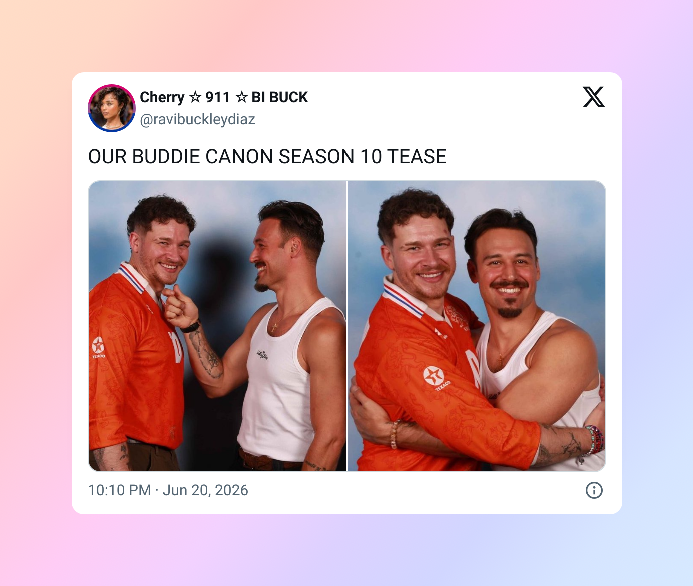
In a now-viral clip, Josh Russo reflects on coming out in what he calls the “pre-Glee world” while talking to Buck about his sexual awakening. Josh tells him, “You were lucky enough to have your sexual awakening in the post-Glee world.”
Buck, hilariously, admits he’s never actually watched the show.
To which Josh replies with what may be one of the most Ryan Murphy lines ever written: “That’s the beauty of Glee. You don’t have to have watched it to benefit from it.”
The internet immediately did what the internet does best. It argued.
@the911onabc Honoring all the Pre-Glee Queer awakening divas with this one. #ABCPride
Did Ryan Murphy Just Invent a New Historical Era?
Let’s address the giant show choir in the room. Yes, both shows were created by Ryan Murphy. Naturally, some viewers reacted as though Murphy had personally nominated himself for a Nobel Prize in Ending Homophobia.
Comments ranged from, “Does Ryan Murphy think Glee fixed homophobia?” to the more self-aware observation, “Thinking about how Ryan Murphy is the creator of both lol.”
Others, however, pointed out that the phrases “pre-/post-Glee” has actually been floating around queer spaces for years.
For many LGBTQ+ people who grew up in the late 2000s and early 2010s, Glee arrived at a very specific cultural moment. Suddenly there were queer teenagers on a major network television show. They were messy, dramatic, occasionally infuriating, but they existed. And for a lot of young viewers, that mattered.
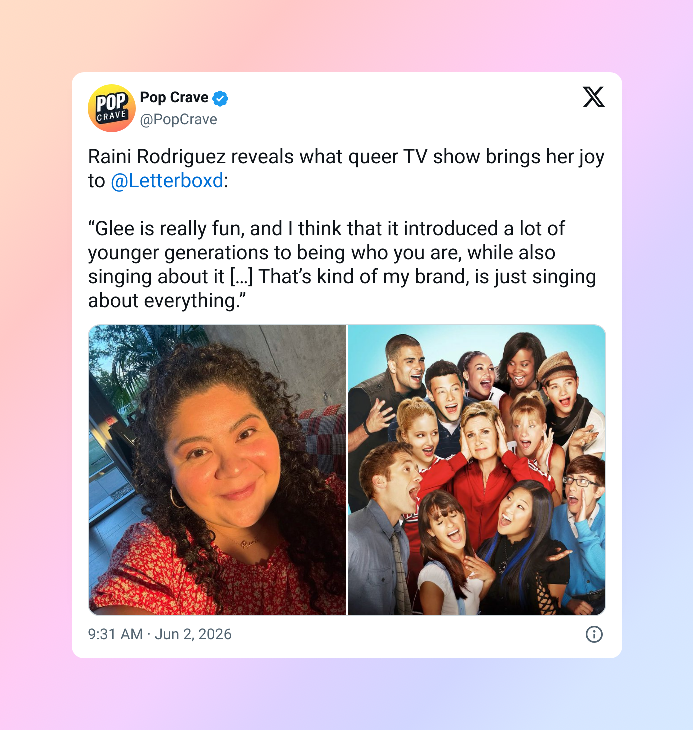
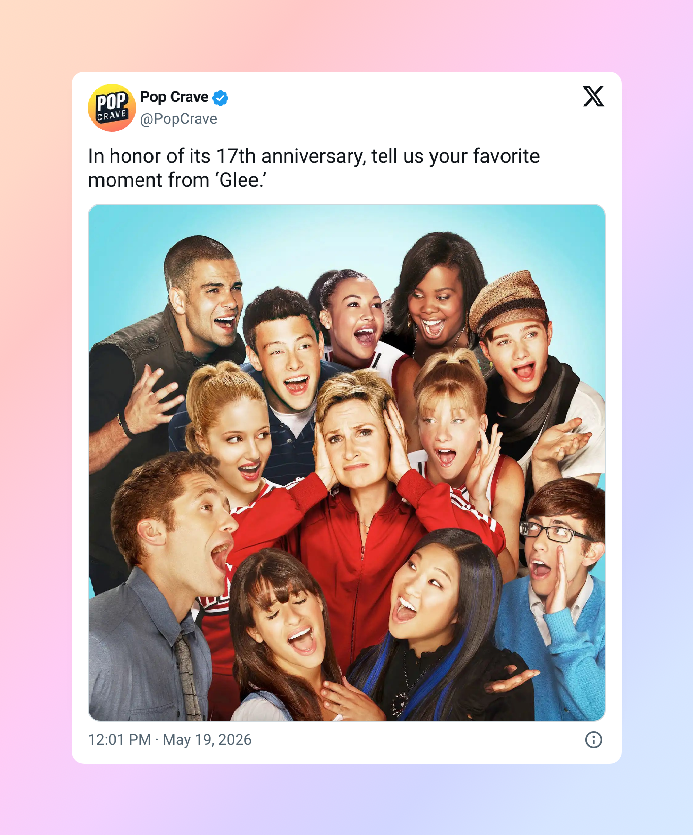
RELATED: 17 Years Later, Glee Still Makes Teens Cry, Laugh, and Sing in the Hallways
The Children of Kurt Hummel
Let’s be honest.
An entire generation of queer people watched Kurt Hummel march through high school wearing designer scarves and somehow survive. Was he perfect? Absolutely not. Did he become a symbol for countless LGBTQ+ teens who had never seen themselves represented before? Also yes.
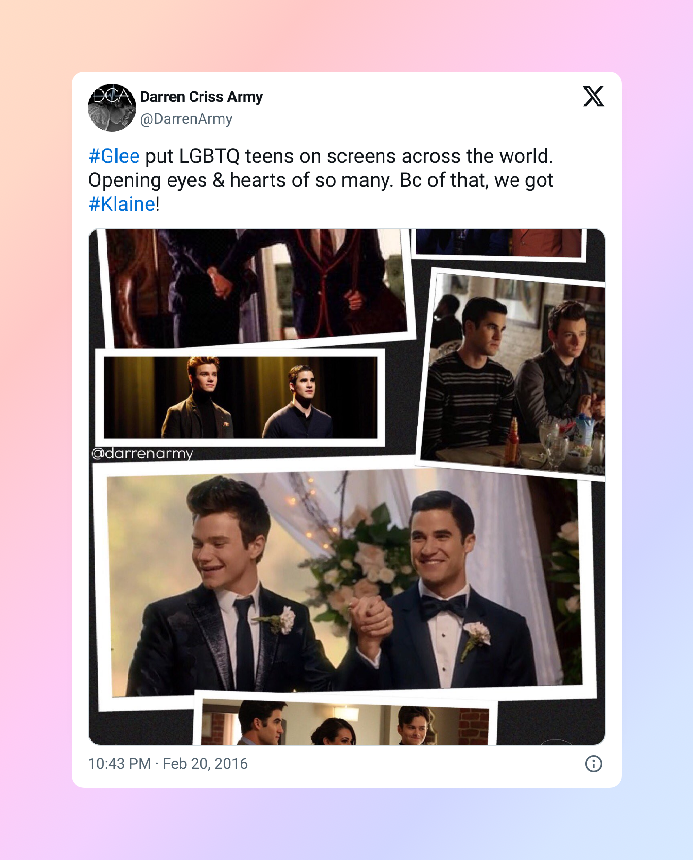
When Glee premiered in 2009, coming out looked very different for many people. Same-sex marriage was not yet legal across the United States. LGBTQ+ representation was significantly more limited. For many queer teenagers, finding community often meant searching deep into Tumblr, YouTube, or whatever social media platform their parents hadn’t discovered yet.
The world was not exactly a rainbow-covered paradise.
Was the Post-Glee World Actually Easier?
Well, yes and no.
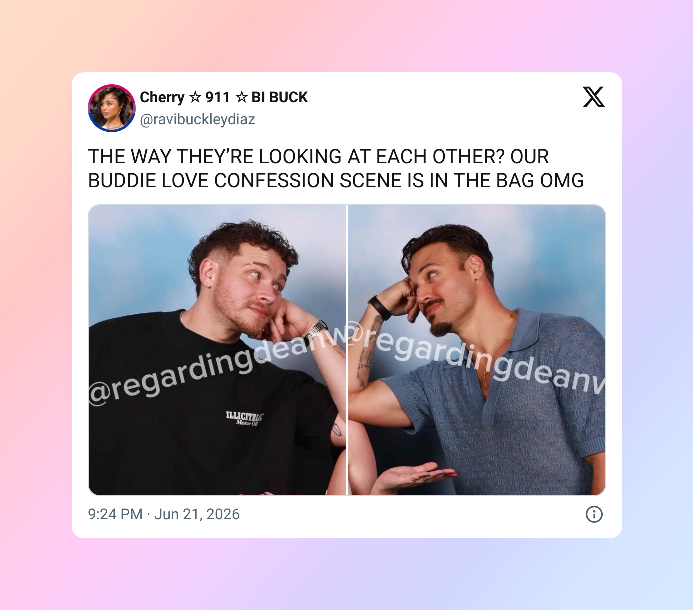
thinking about this scene again and how my heart skipped a beat when eddie started walking towards buck cause for a split second i thought we were about to get an angry buddie first kiss pic.twitter.com/yLPB37uAyB
— fedz☁️ (@fedzz_z) June 21, 2026
Maybe Josh’s point in 9-1-1 is less about giving Glee sole credit for progress and more about recognizing that younger queer generations inherited battles they did not personally have to fight. At the same time, many LGBTQ+ people today would argue that things are hardly perfect. Recent years have seen renewed political and cultural pushback against queer rights in several parts of the world.
In some ways, coming out remains just as complicated, only for different reasons.
The Real Answer? Every Generation Had Its Own Mess
Perhaps that’s why the scene resonated so strongly.
The pre-Glee generation faced challenges that younger LGBTQ+ people may never fully understand. Meanwhile, younger queer people are navigating a world with its own unique anxieties and uncertainties.
So did the show single-handedly change history? Probably not.
Did it become a cultural marker that helps many LGBTQ+ people instantly identify the era they grew up in?
Absolutely.
Now the real question remains: were you a pre-Glee gay, or a post-Glee gay?
Either way, somebody somewhere was definitely singing Don’t Stop Believin’ while you figured it out.