


Glee is 17 today, which means it’s officially at the age where it could legally drive, argue with authority, and still believe that emotional breakthroughs are best achieved through a key change and coordinated choreography in a school hallway.
RELATED: The Tyler Posey and Avan Jogia Scene That Lives Rent-Free in Our Minds
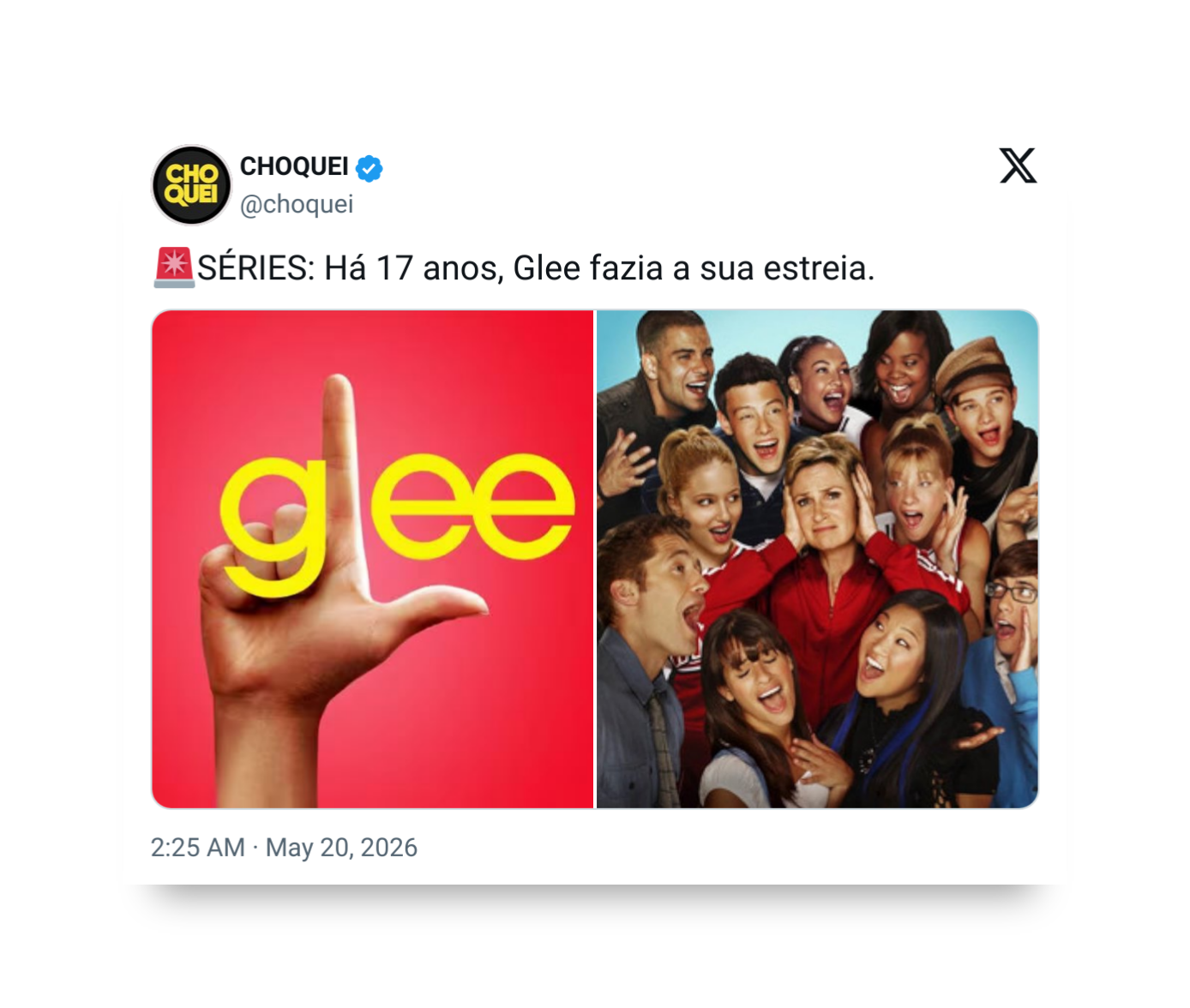
Lima, Ohio: where everything became a musical decision
When it premiered on May 19, 2009, it didn’t gently introduce itself. It showed up already mid-performance. One minute you’re in a struggling high school glee club in Lima, Ohio, and the next you’re watching teenagers turn identity crises into group harmonies like it’s part of the curriculum.
RELATED: Sally Field Says How ‘Steel Magnolias’ Might Have Made Her Son Gay
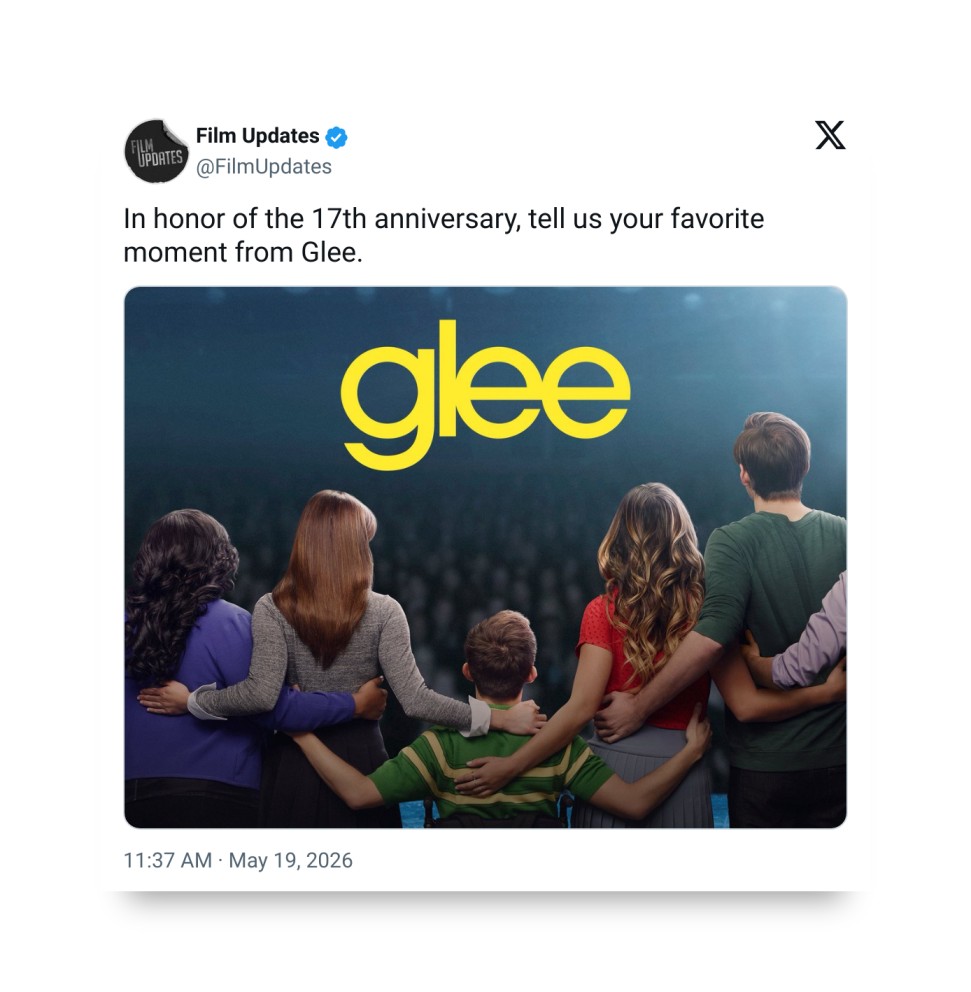
The pilot didn’t ask for attention. It demanded a rehearsal schedule.
Will Schuester’s extremely specific life choice
At the center of it all was Will Schuester, a man who looked at a collapsing extracurricular program and decided the correct response was to rebuild it using optimism, questionable timing, and a strong belief that show choir can fix structural problems.
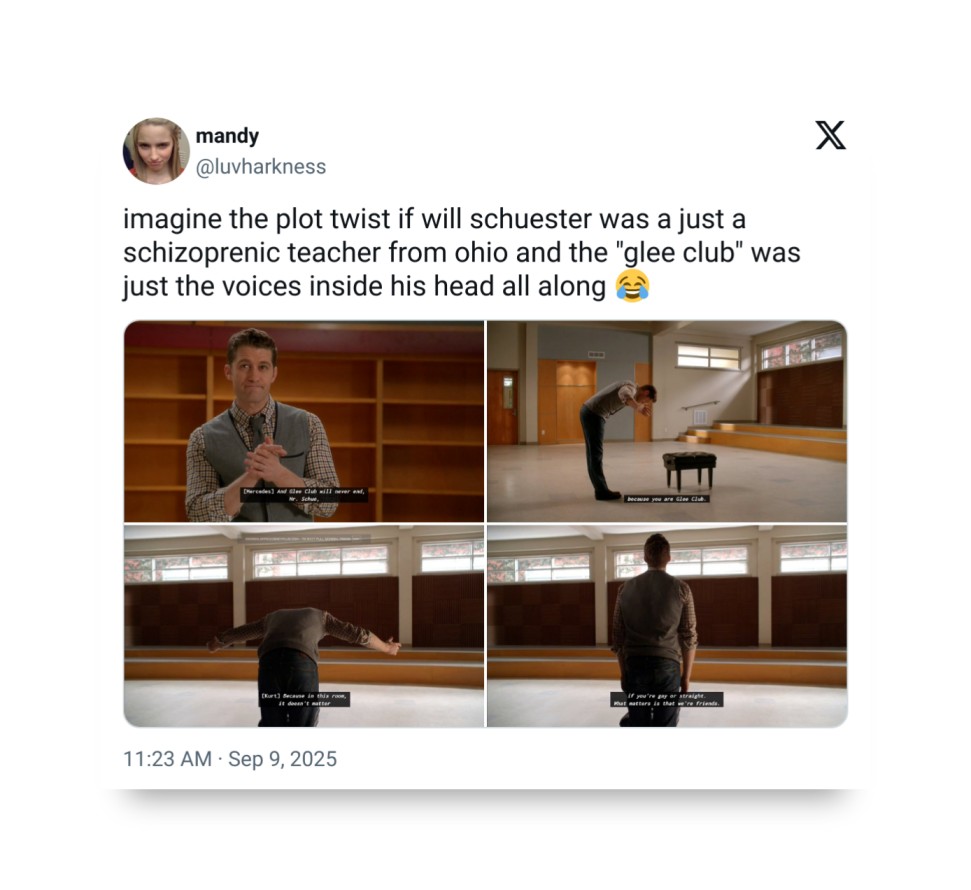
That decision led directly to Rachel Berry treating every room like it had a Tony Award hidden in it, Finn Hudson becoming emotionally important without trying, and Sue Sylvester declaring war on joy as a full-time occupation.
The New Directions method: feelings first, logic later
Early Glee operated on a very clear philosophy: if a problem exists, sing at it until it becomes someone else’s problem.
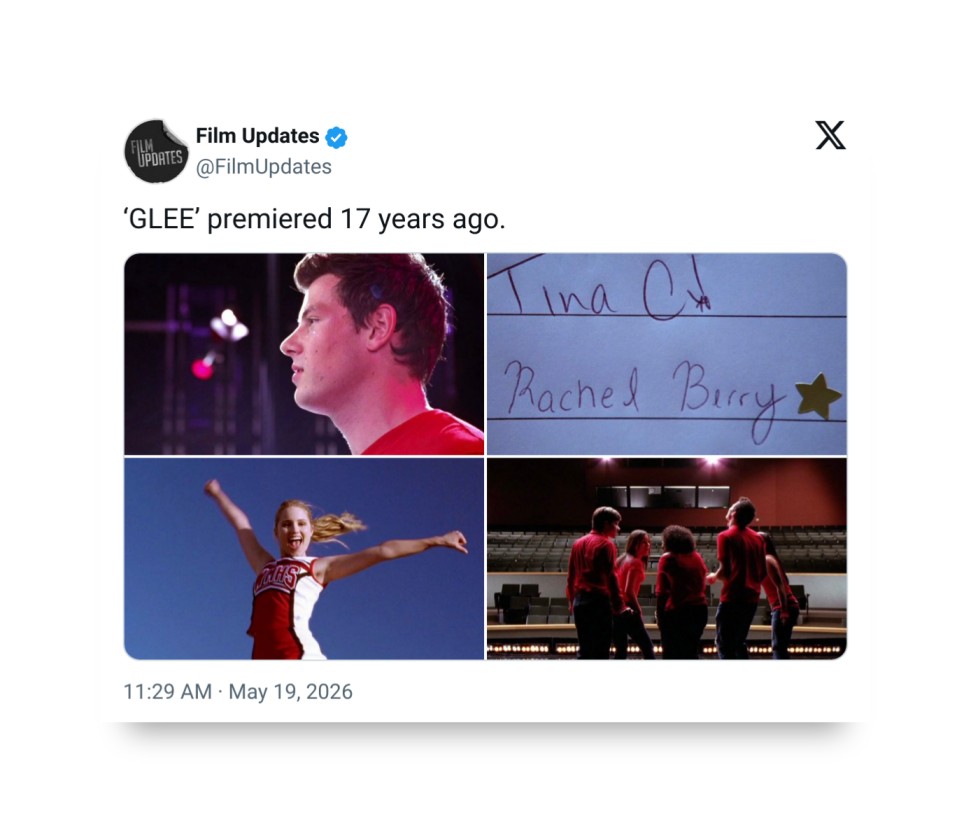
Bullying, identity, ambition, heartbreak—none of it stayed in its lane. Everything was temporarily interrupted by musical numbers that solved nothing practically, but absolutely insisted you feel something about it anyway.
And honestly, that was the appeal. It didn’t try to smooth anything out. It turned emotional mess into performance art.
Sue Sylvester vs. literally everyone else
Sue Sylvester didn’t dislike the glee club in a casual way. She treated it like an ongoing national emergency with recurring funding.
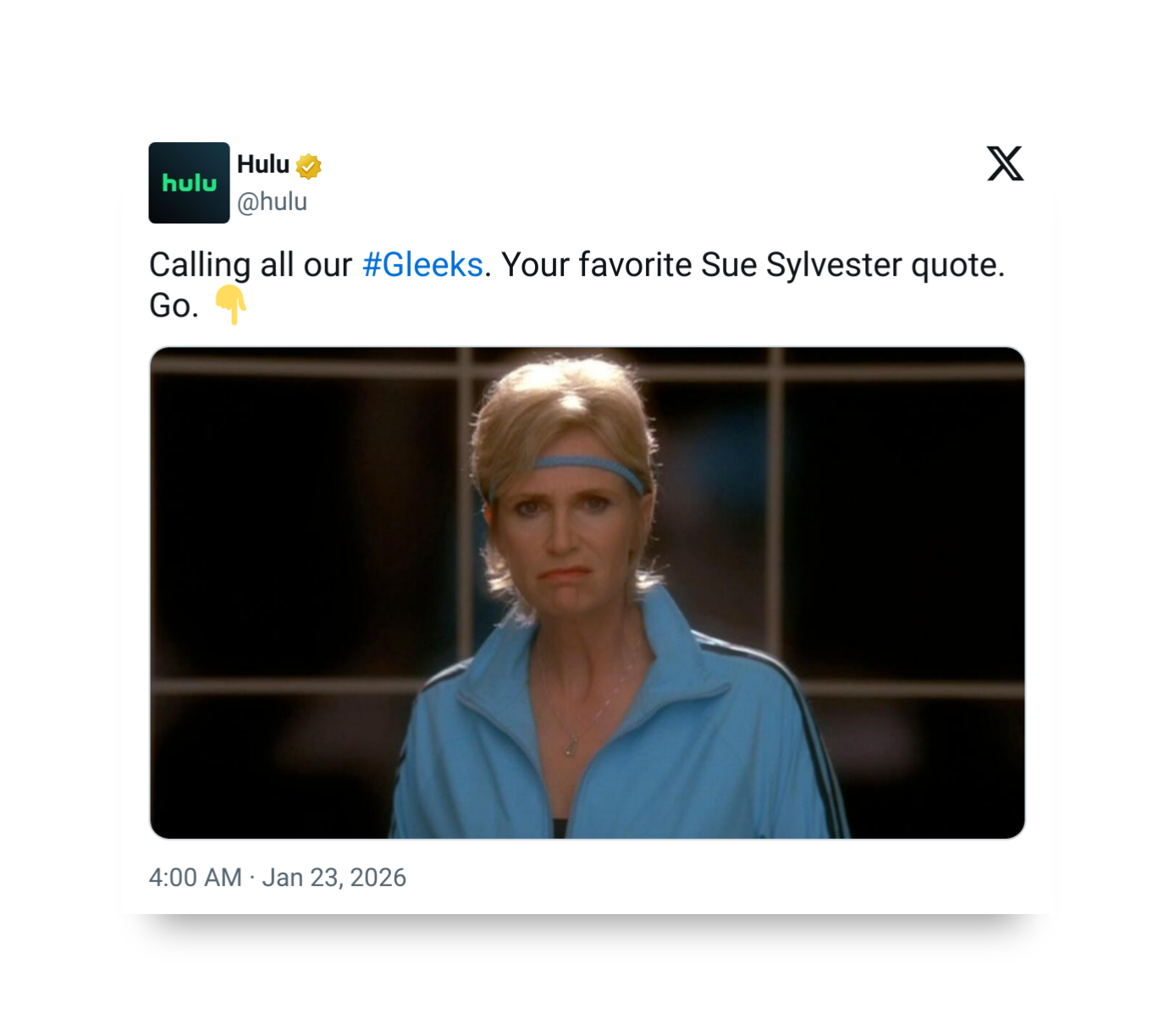
Every plan she made escalated with the confidence of someone who believed cheerleading supremacy was a constitutional right. The fact that the show committed so hard to this bit is part of why it still lives rent-free in pop culture memory.
Would Glee even survive today’s TV landscape?
Short answer: not in the same form.
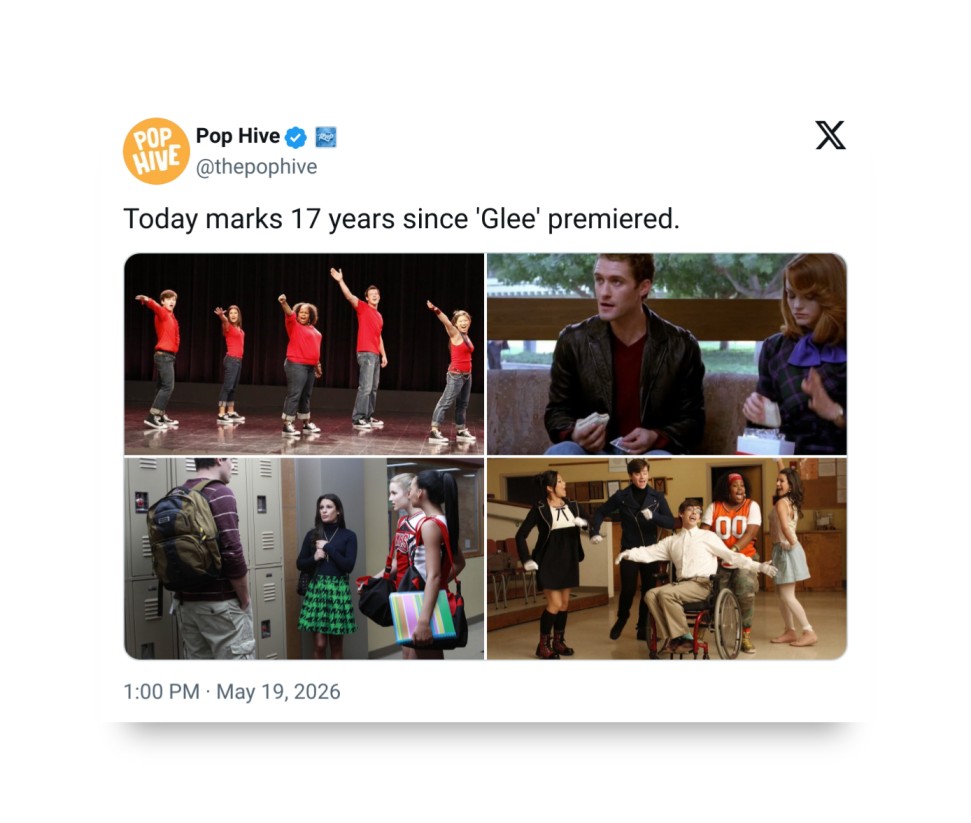
Longer answer: today’s television would see a pitch involving spontaneous school-wide musical performances and immediately request “a grounded reboot,” “a limited series adaptation,” or “less singing, more trauma realism.”
Modern shows tend to separate genres carefully. Glee is what happens when someone ignores that advice and says yes to everything at once.
Favorite storylines: a fandom civil war that never ends
Ask ten people their favorite arc and you’ll get ten slightly emotional TED Talks.
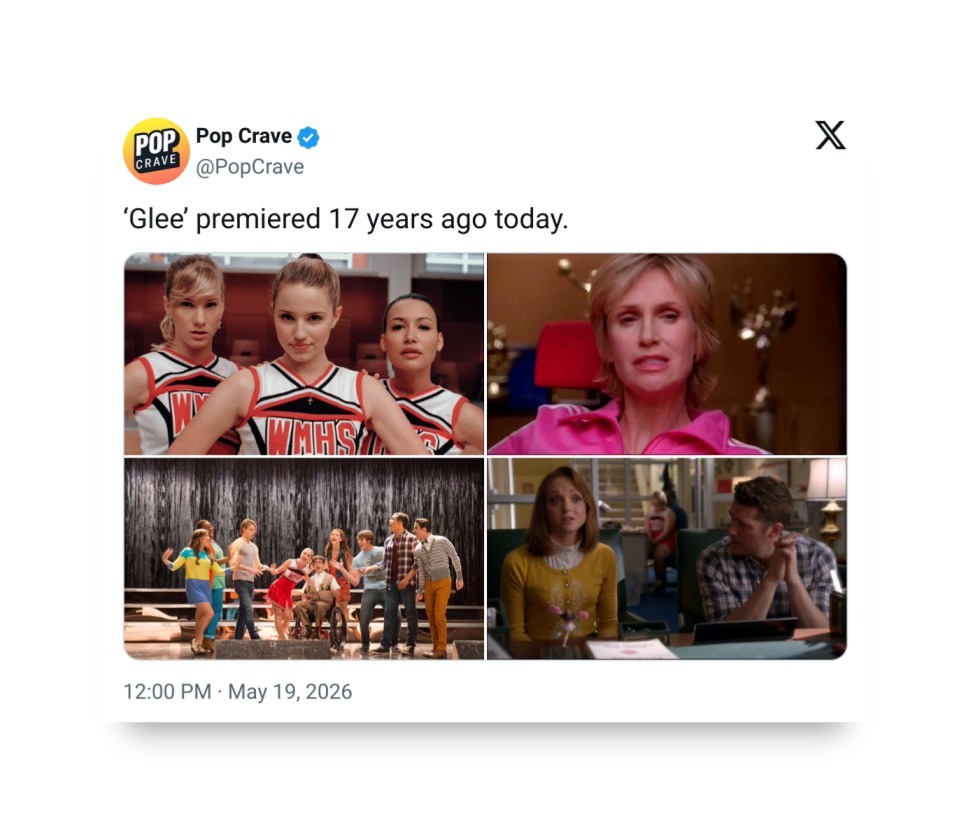
Some swear by the competition seasons, where every performance felt like international diplomacy with jazz hands. Others prefer the relationship storylines that escalated faster than a modulation in a final chorus.
And a quieter group will tell you the truth: the best moments were the small ones. The pauses. The almost-confessions. The brief silence before someone decided, once again, that singing was the only reasonable response.
The later seasons and the beautiful mess of it all
Yes, things got uneven later on. But from the beginning, polish was never the point. This was a show where sincerity and chaos were constantly sharing a microphone, neither fully in control.
Glee version of don’t stop believing still goes hard today pic.twitter.com/qXRaTs9Fds
— Mikey (@MikeyPopMuse) May 19, 2026
And that imbalance is part of why it still gets revisited. It wasn’t trying to be subtle. It was trying to be felt.
Seventeen years later, still singing too loudly
Seventeen years on, Glee remains loud, uneven, emotionally committed, and completely unafraid of turning everyday teenage life into a full-scale musical event.
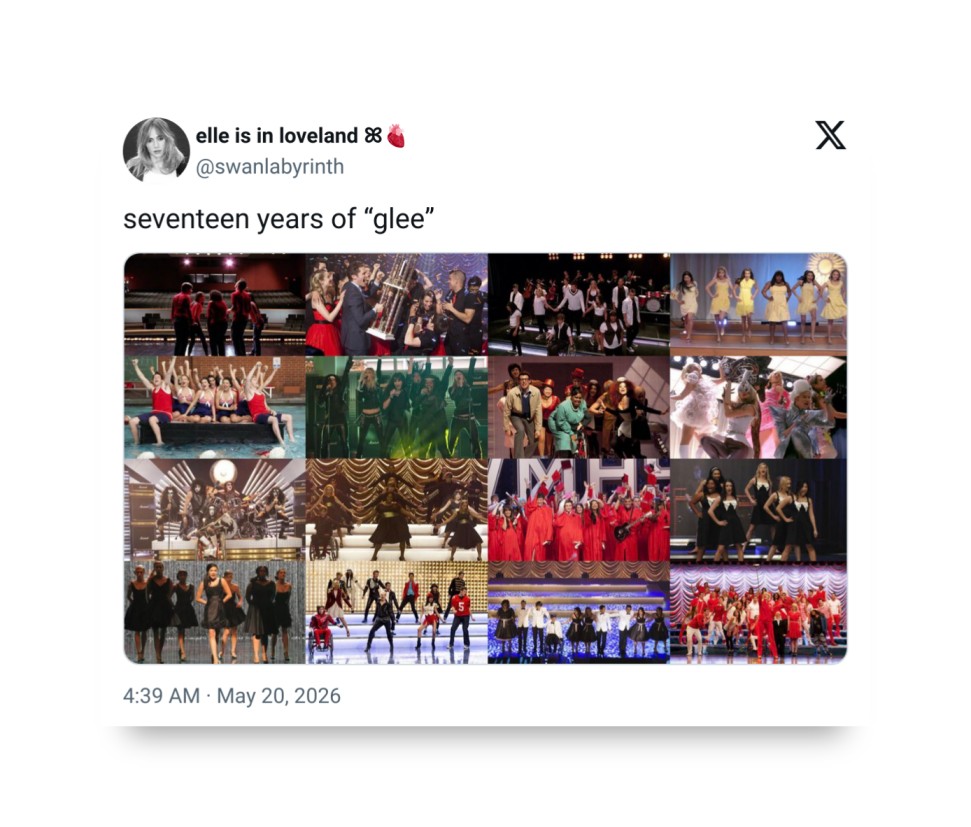
Not everything aged cleanly. But the confidence? The chaos? The willingness to turn feelings into production numbers? That part still hits.