


Leviticus turns gay people’s most familiar anxieties into something tangible from the very first frame. Gay people have spent decades being told that desire is dangerous, temptation is lurking around every corner, and somebody somewhere is deeply concerned about what they’re doing. So when a horror movie comes along and turns those fears into an actual monster, it feels less like fantasy and more like an exaggerated documentary.
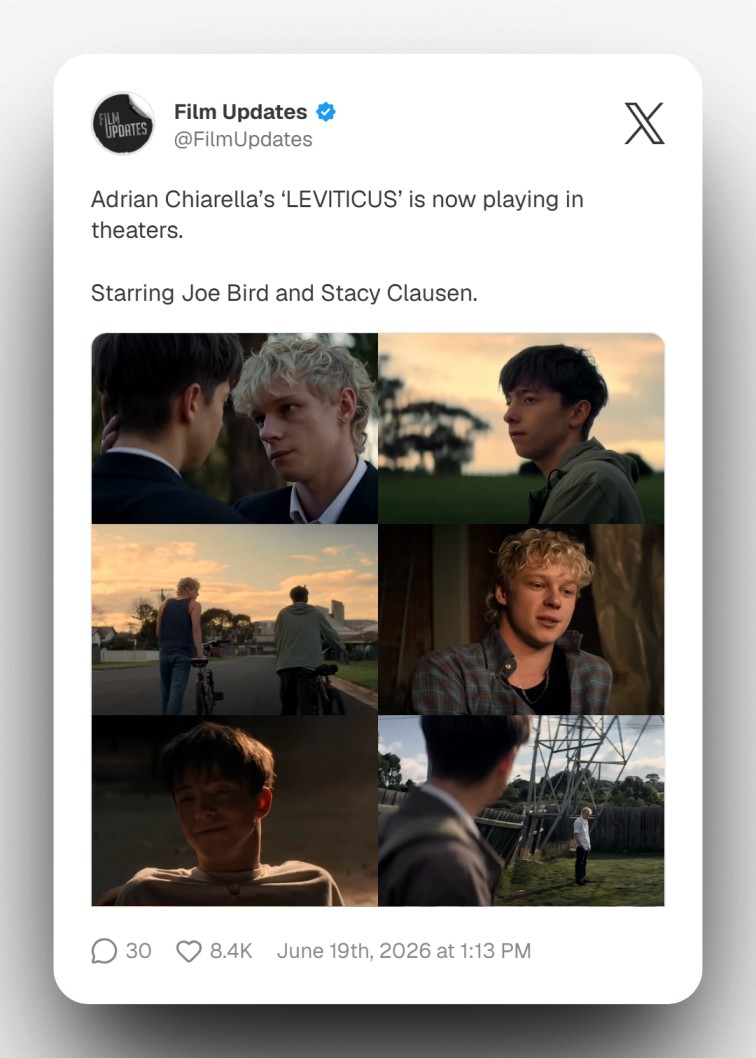
That’s the deliciously unsettling premise behind Leviticus, the debut feature from writer-director Adrian Chiarella. The Australian horror romance follows two teenage boys, Naim and Ryan, who fall in love before a religious conversion therapy experience unleashes a terrifying supernatural force that takes the form of the thing they desire most: each other. Because apparently first love wasn’t complicated enough.
RELATED: Hunter Doohan Is Having His Horror Heartthrob Era—No Complaints Here!
New teaser for Adrian Chiarella’s ‘LEVITICUS’.
The film follows 2 teenagers who must escape a violent entity that takes the form of the person they desire most – each other.
In theaters on June 19. pic.twitter.com/2eVyHAmxrH
— DiscussingFilm (@DiscussingFilm) June 15, 2026
Leviticus Found Horror in a Very Real Fear
While Leviticus features plenty of supernatural scares, its origins are rooted in something much more familiar.
“I’d noticed there was this shift in the air in the last five or 10 years, at least in Australia, of a regression of a lot of the rights LGBTQIA+ people had fought so hard for,” Chiarella says.
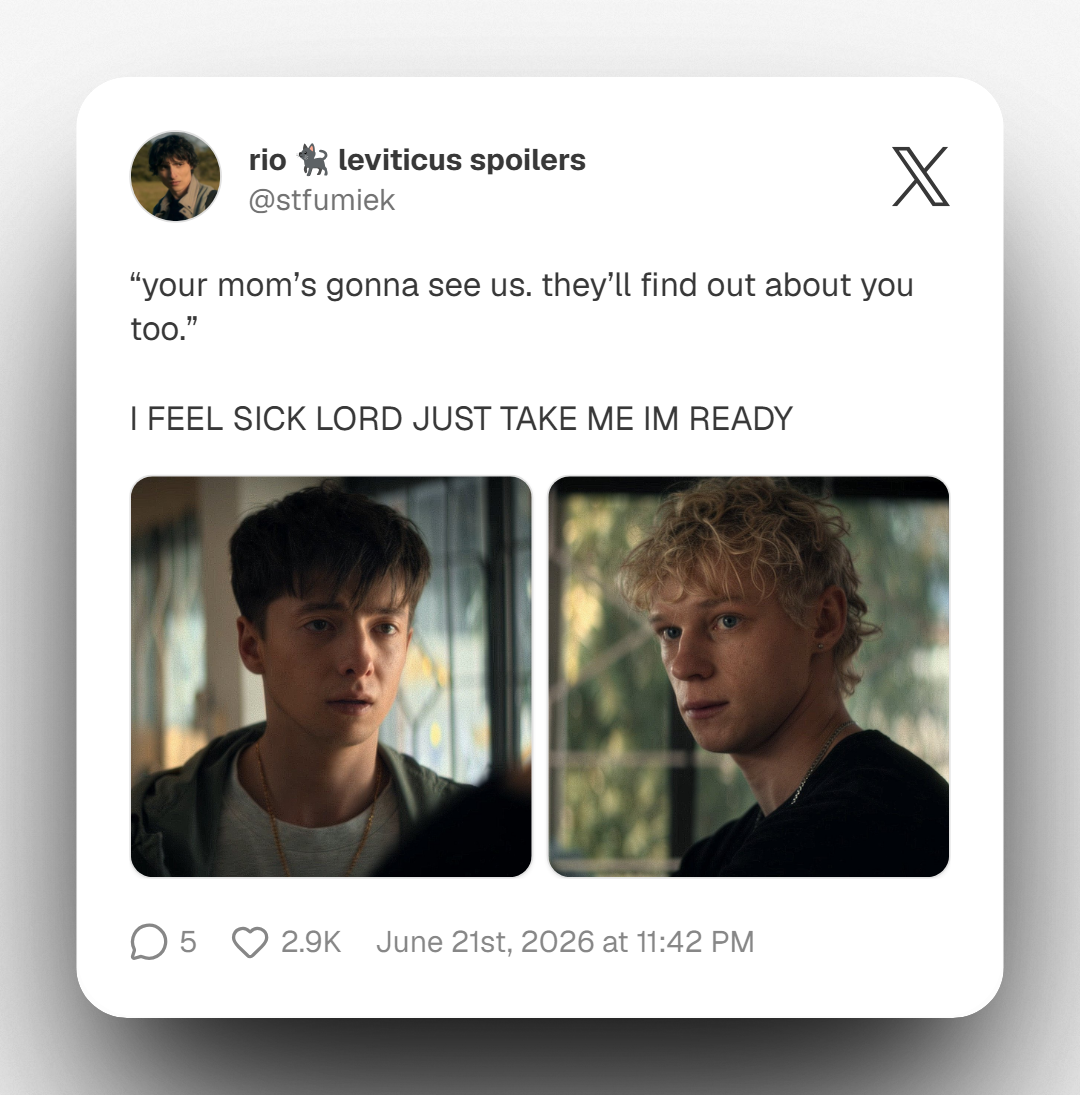
“Particularly in the language we were hearing in our political sphere, and also microaggressions in day-to-day life. I wanted to make a film about that, but I didn’t want to go backwards as a filmmaker. I wanted to do something a little bit newer and a bit more personal.”
Instead of creating a straightforward social drama, Chiarella found himself revisiting a genre that has long resonated with queer audiences.
“So I thought about the kinds of films that I watched at that time in my life when I was going through experiences similar to the ones in this film. They were horror movies, basically.”
For many LGBTQ+ people, horror has always been about more than jump scares and creepy basements. It’s a genre built around outsiders, hidden identities, and the fear of being discovered.
“And I think, like a lot of young queer people, I turned to that genre because of the way it explored otherness and that destabilizing feeling some of us have on our journey to self-discovery.”
That realization helped bring the entire concept together.
RELATED: Ian McKellen Says Trump Helped Him Unlock Magneto’s Darkest Powers
“So I brought the two things together, and I realized, ‘Horror is the genre of fear.’ It’s where we ask the audience, ‘What are you really scared of?’ And that felt like the right space to explore homophobia in all its different shades.”
It’s a clever twist on a familiar horror formula. Instead of running from the monster, the characters are forced to confront the fears that helped create it in the first place.
The Romance Had to Be Convincing Before the Horror Could Work
The supernatural elements may be what grab attention, but Chiarella knew the movie would live or die based on whether audiences believed Naim and Ryan’s connection.
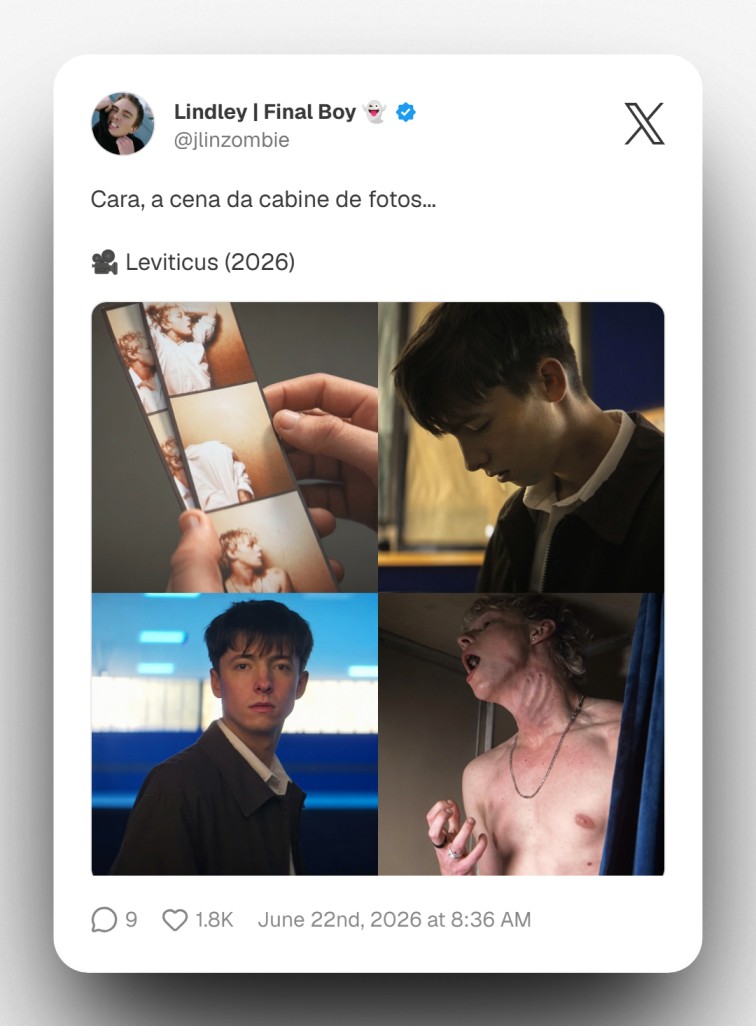
“It was being tuned all the way through, from the scripting stage right through to the rehearsal, with the actors and figuring out how we’re going to convey this love story between the two of them, but also how do we convey this monster,” Chiarella says.
The balancing act continued right up until the film’s debut.
“To be honest, it’s something we worked on right until the very end of post when we delivered the film. I think we were maybe only a week out from premiering the film at Sundance, and I went back into the edit just to change a few things because it wasn’t quite sitting right, and it had been bugging me for so long.”
Chiarella wanted viewers constantly questioning what they were seeing and feeling.
“I wanted the audience to stay in that guessing game all the way through. We were always checking in with each other: Is this too scary? Is this tender enough?”
That’s not a bad summary of the entire movie, honestly. Then came the most important ingredient of all.
“Also, this movie doesn’t work without the chemistry between Joe and Stacy. The love story isn’t going to work, but also the whole mechanism of that entity, that horror monster, doesn’t actually work unless you really, really believe that these two young guys are attracted to each other.”
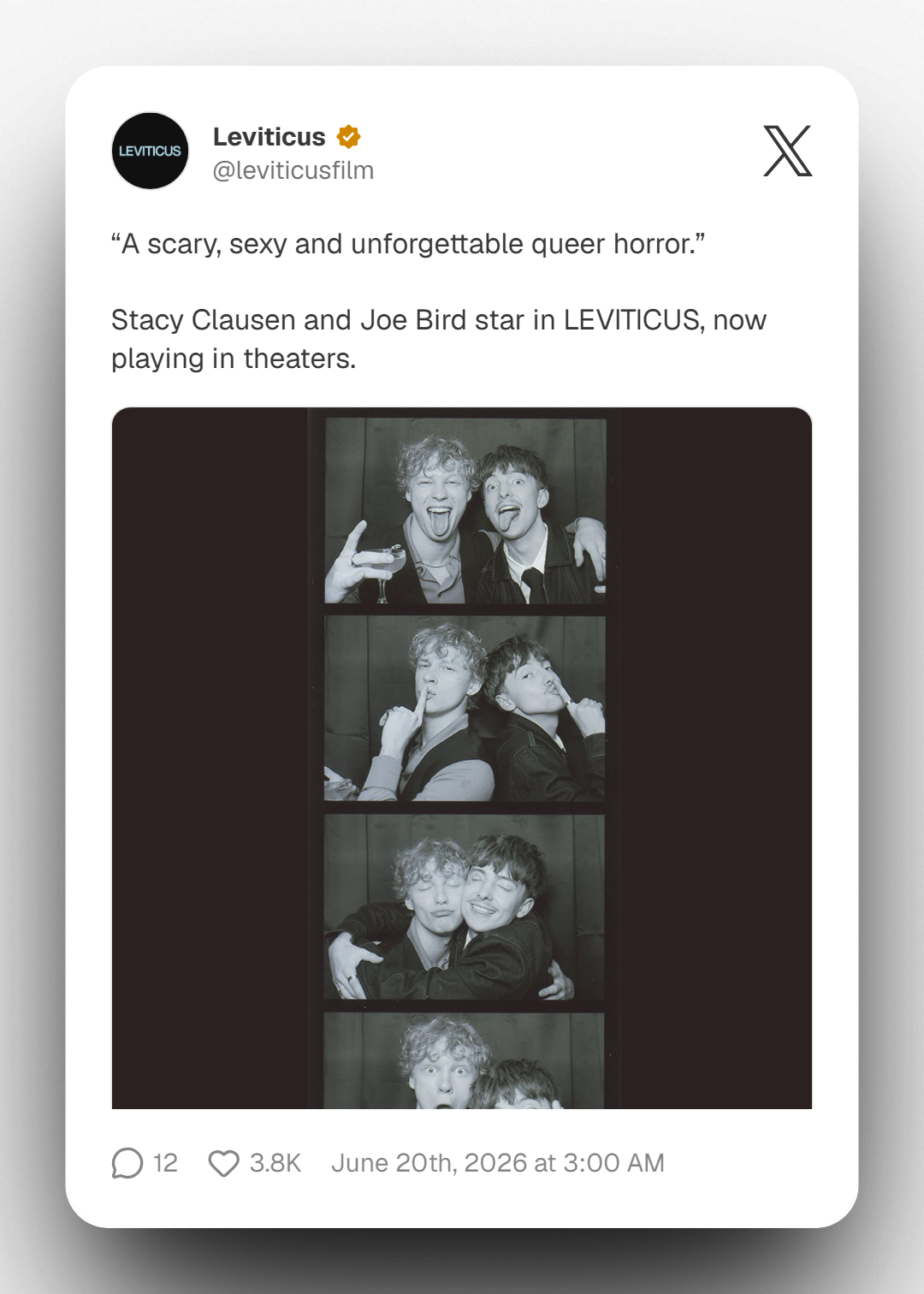
Fortunately, Joe Bird and Stacy Clausen appear to have understood the assignment.
Joe Bird and Stacy Clausen Went Through a Very Unusual Bonding Process
Hollywood has countless methods for building chemistry between actors. Few involve scavenger hunts, escape rooms, and reptiles.
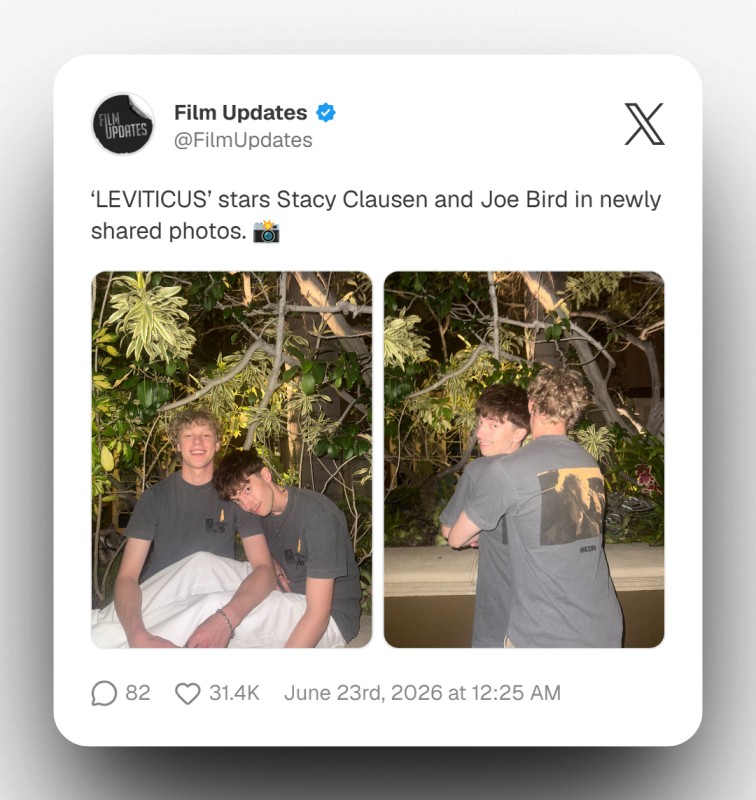
“Once I cast them, I just encouraged them to hang out a lot together,” Chiarella says.
“They became friends right off the back of that casting session. They stayed in touch, and even though they live in different states, they kept messaging each other and calling each other.”
That friendship became part of the preparation process.
Joe Bird and Stacy Clausen as Naim and Ryan in LEVITICUS, from rehearsal to screen. Now playing in theaters. pic.twitter.com/nXav3XobJ4
— NEON (@neonrated) June 22, 2026
“When we started rehearsals, I remember I took them on a road trip around a lot of the locations we were going to shoot in, just for them to get used to the spaces, but also for them to get used to being around each other.”
Things only got more creative from there.
“I did lots of fun stuff with them. I dropped them in different parts of one of the towns we shot in and got them to find each other.”
The goal wasn’t simply friendship. It was helping them understand how their characters would navigate the world together.
“I sent them to a crowded shopping mall in character so they could feel what it would be like to be these characters in public and what it’s like to be around other people, and what it’s like to have that connection with each other but not be able to show it in public.”
And because apparently that wasn’t enough:
“I sent them out to do a lot of things on their own. They did escape rooms. Because of that scene with the snake at the start, I got them to hold a snake.”
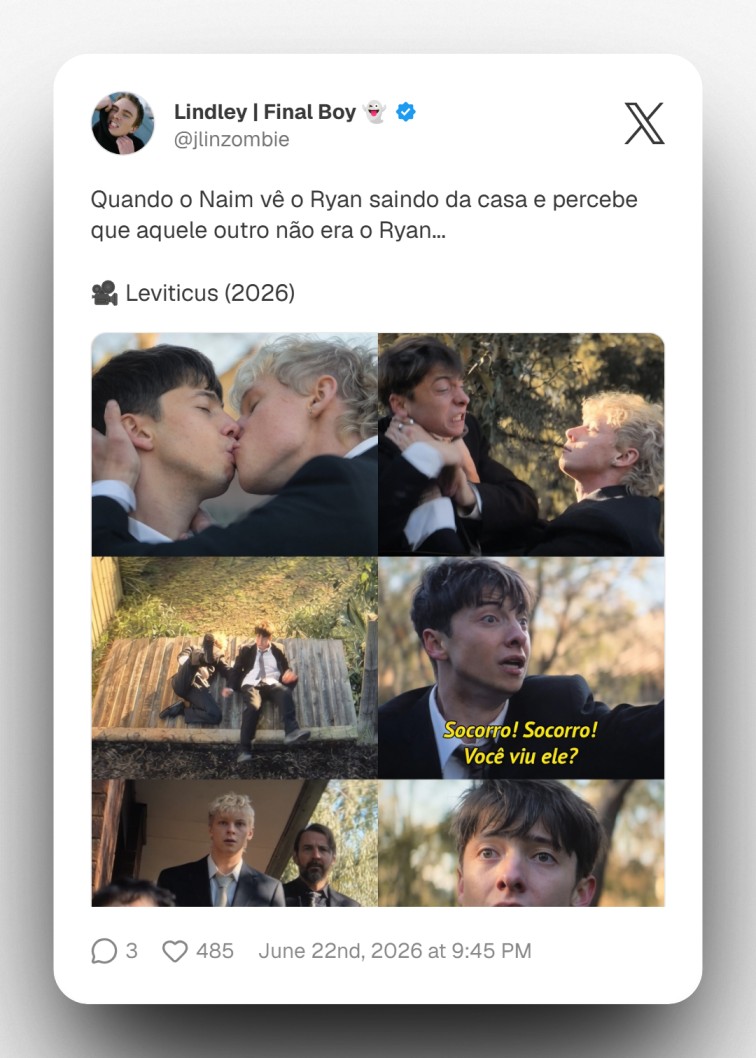
At some point, this stopped sounding like rehearsal and started sounding like a very specific reality dating show.
“I got them to do a lot of different exercises that really just got them comfortable with each other, and made the actual job of having to act in this film not feel like they were having to put on some big show for everybody. It was just something that was happening in front of the camera.”
Whatever the method, it worked.
Horror Is Having a Moment
The chemistry between the leads helped turn Leviticus into one of the most talked-about horror titles on the festival circuit. After premiering at Sundance, the film generated significant buzz before eventually landing with Neon. Its arrival also comes at a time when horror is enjoying one of its strongest creative streaks in years.
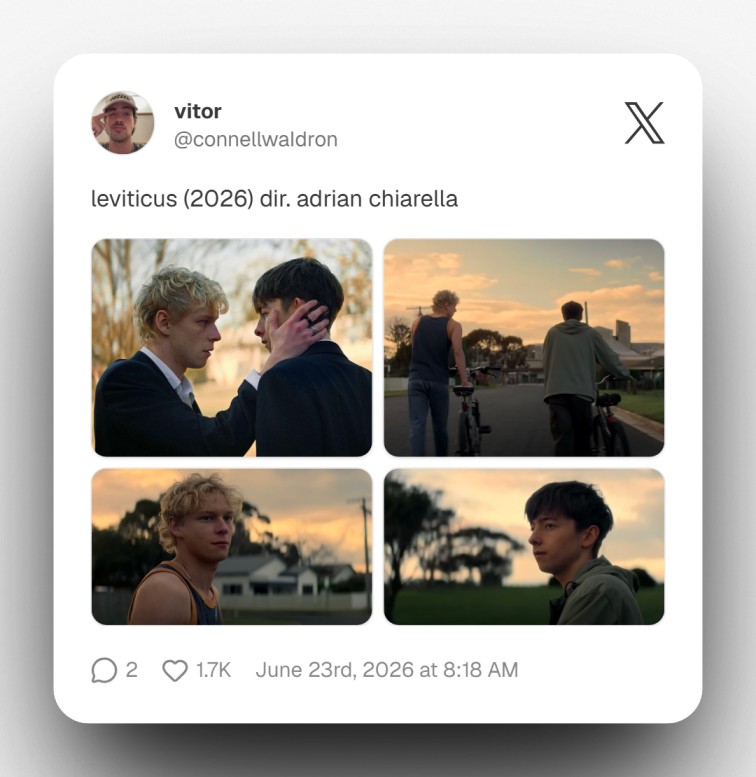
“It’s a really, really exciting time,” Chiarella says.
“I think those two horror movies are incredible. I loved both of them. They’re very tough acts to follow.”
Part of the genre’s appeal, he argues, is simple.
“I think the reason horror is having this resurgence is that people want to feel something again at the movies.”
And horror practically guarantees a reaction.
“The one thing that you can guarantee is that a horror movie is going to make you feel something. You might not like the feeling, not everyone does, but you know for sure you’re not just going to be sitting there and passively experiencing this thing in front of you, right?”
“You’re going to get a shock that’s going to enter you through your body.”
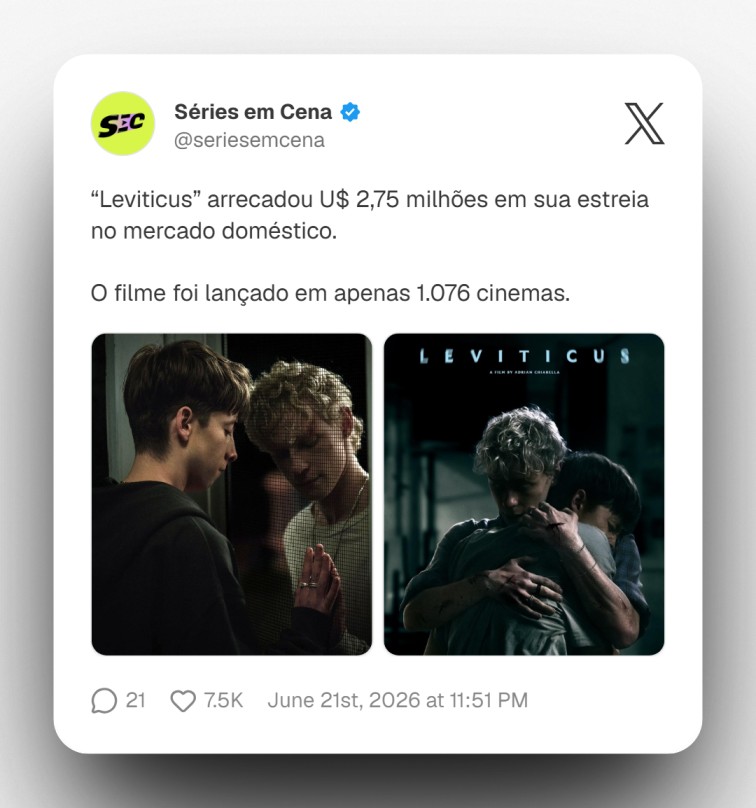
Fear and desire have always made surprisingly effective dance partners. Leviticus just happens to lean into both.
Is There More to Come?
Fans already wondering about sequels shouldn’t expect Chiarella to reveal much.
“I wish I could give you a firm answer, but I’m not going to,” he says.
That’s not exactly a no.
“But what I will say is I know people really love these two characters, so there’s something rich there.”
At the same time, he sees possibilities beyond Naim and Ryan.
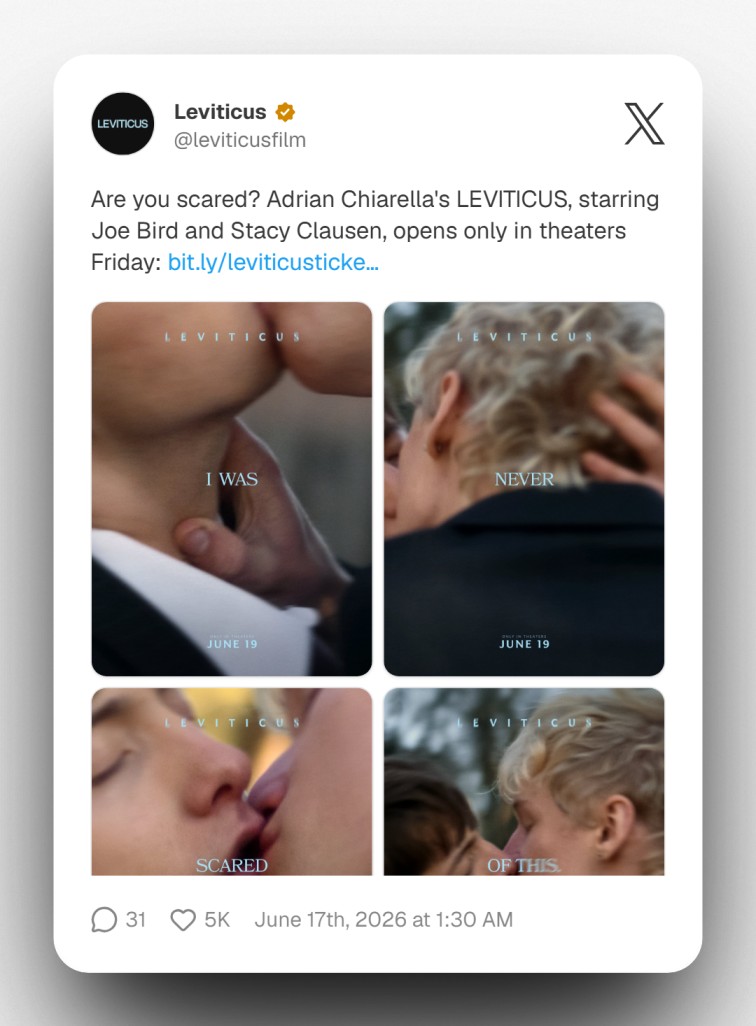
“But on the flip side of that, this horror movie monster we came up with, this lore, the experience of people in the LGBTQIA+ community is very wide, and there are a lot of different things people have gone through.”
“It might be the kind of territory that we can start speaking to other experiences through as well.”
Translation: don’t start planning the sequel poster just yet.
More Than a Monster Movie
As for what comes next, Chiarella remains focused on intimate storytelling.
“I always want to explore personal stories, very grounded relationships,” he says.
“I want to work with actors to try and achieve something that feels very real, like you’re just observing life.”
That philosophy guided the making of Leviticus from beginning to end.
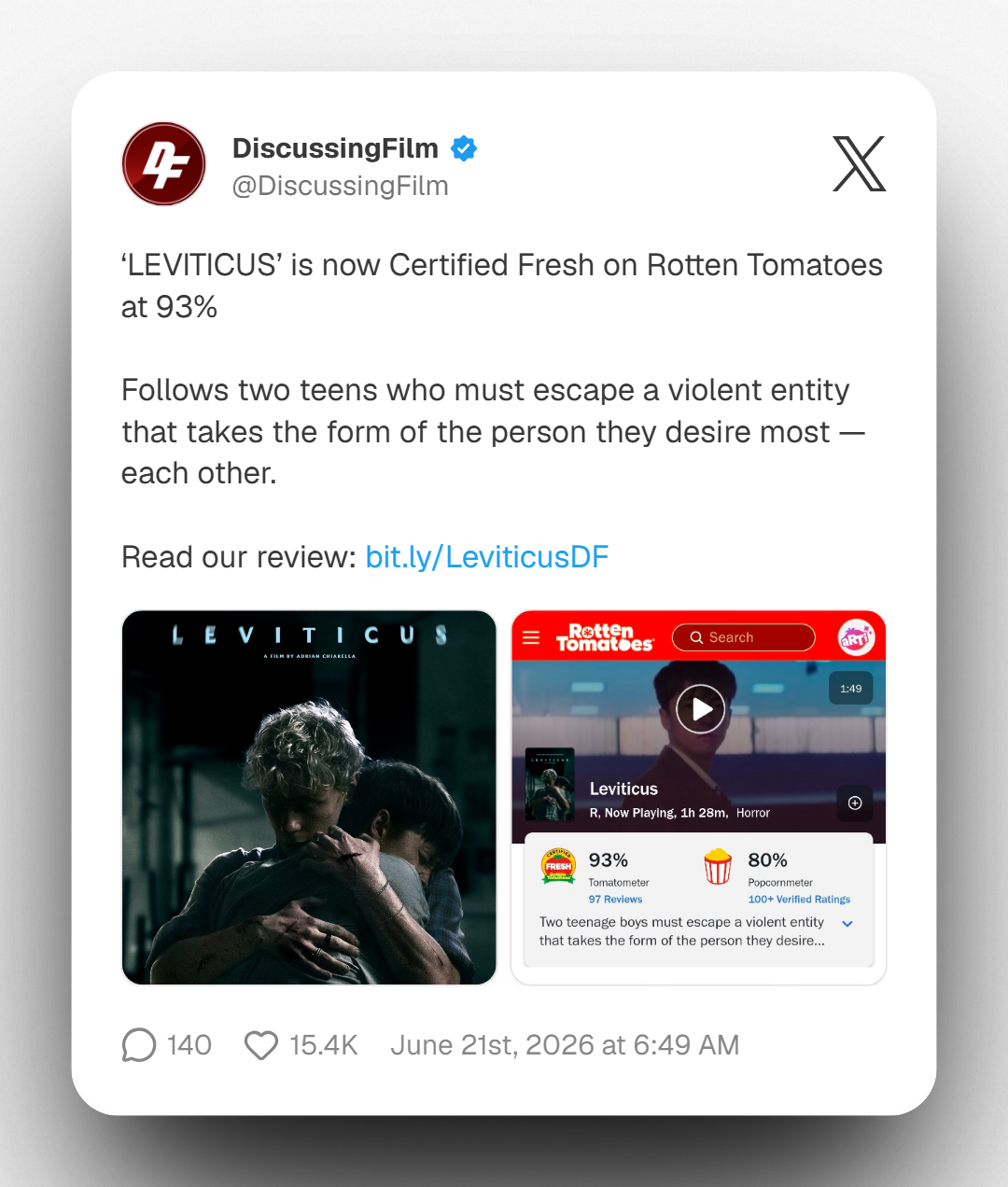
“We had this saying when we were making this film, all through the shoot and through the edit. If something wasn’t working, we’d say, ‘It just feels like a movie.’ We don’t want that. We want it to feel like life.”
Even with a supernatural creature lurking in the background, realism remained the goal.
“Just because it’s a horror movie and we have this one thing in it, which is this supernatural entity, doesn’t mean the whole thing has to be all heightened and unbelievable. I would love to do that with other genres.”
That’s ultimately what makes Leviticus stand out. Beneath the demonic terror, the religious panic, and the nightmare imagery is something surprisingly relatable: two boys trying to figure each other out while the world makes everything harder than it needs to be. The monster may be supernatural. The longing certainly isn’t. And that’s what gives Leviticus its sharpest bite.
Source: Variety