

Hole-Tox Explained: What Bottoms Should Know About Anal Botox
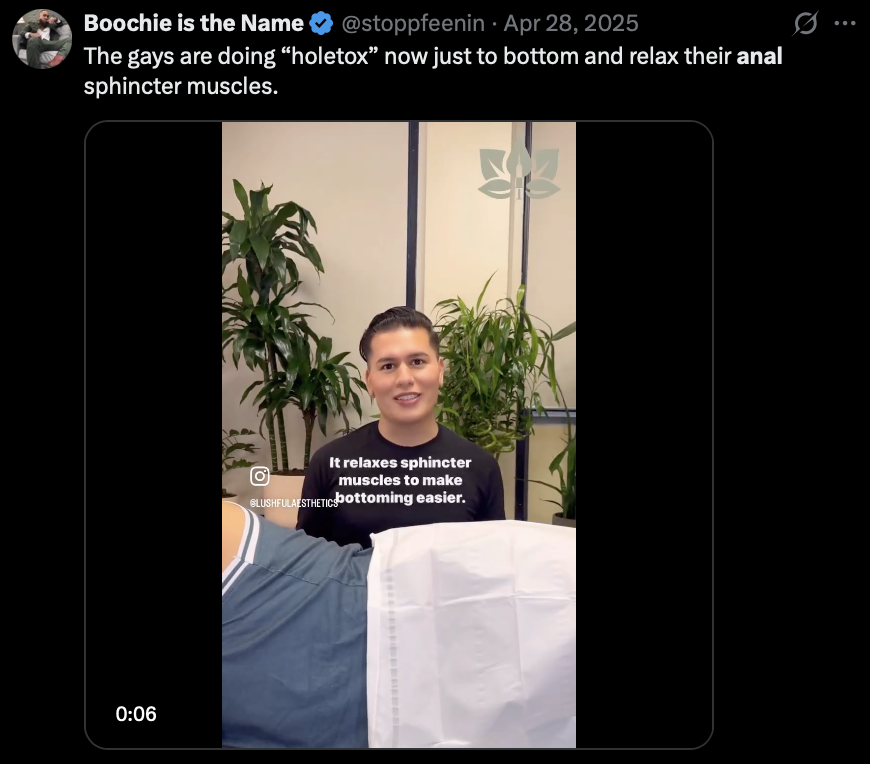
Let’s be real: queer communities have always been ahead of the curve when it comes to talking openly about bodies, pleasure, and medical options that affect our sex lives. So it was only a matter of time before Hole-Tox—also known as anal Botox—entered the group chat.
If you’ve heard the term floating around Twitter, TikTok, or a very specific gay dinner conversation and wondered, Wait… tox where?, you’re not alone. Bottoms, vers folks, and the medically curious have been asking the same thing. So let’s break it down—without judgment, without fear-mongering, and with the facts front and center.
RELATED: A Guide to Gay Hookup Apps & Sites: What Each One Does Best
First Things First: What Is Botox, Really?
Despite the name, Botox isn’t just about smoothing foreheads. Botox is short for botulinum toxin, a temporary injectable neurotoxin that works by blocking nerve signals, which in turn relaxes targeted muscles.
In aesthetic medicine, Botox is commonly used to soften fine lines and wrinkles or relax overactive muscles. But beyond beauty, Botox has a long history of therapeutic use, including treating muscle spasms, chronic pain, migraines, and certain gastrointestinal conditions.
Which brings us to Hole-Tox.
So… What Exactly Is Hole-Tox?
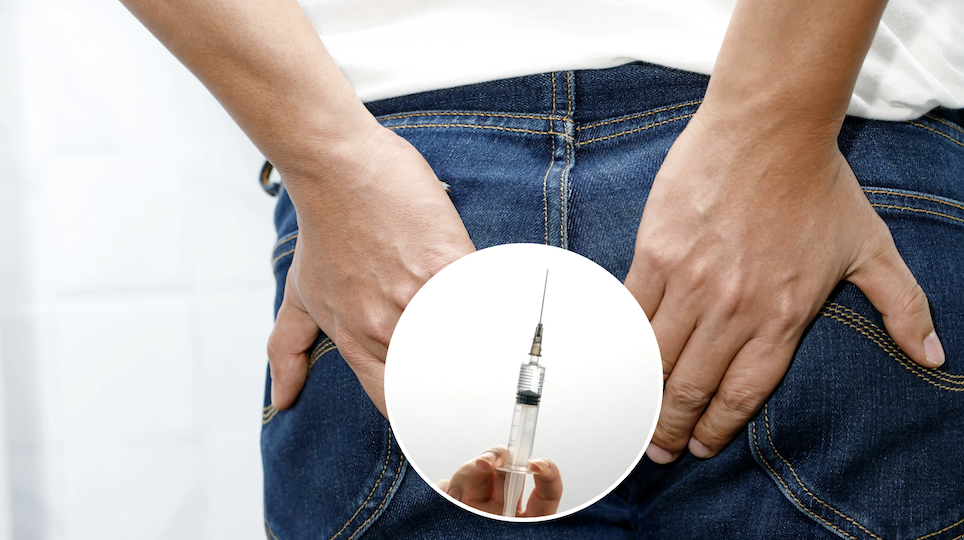
Hole-Tox refers to Botox injections administered into the anal sphincter muscle. This muscle plays a major role in controlling bowel movements and maintaining continence. Along with the puborectalis muscle, it keeps the anal canal closed and relaxes when it’s time to poop.
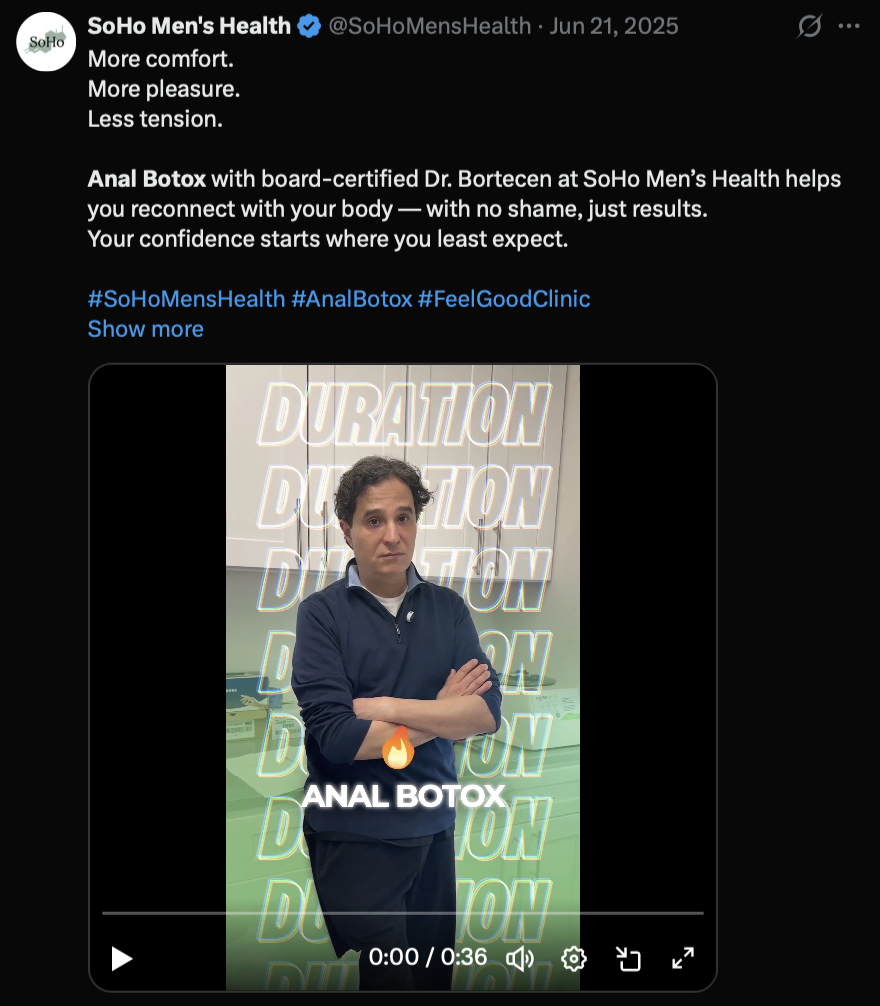
In medical settings, anal Botox has been used for years to help manage:
-
Anal fissures
-
Muscle spasms in the anal region
-
Chronic anal pain
-
Difficulty with bowel movements caused by overly tight muscles
According to the Center for Advanced Urology and similar medical sources, relaxing these muscles can reduce pain and allow the area to heal more effectively.
Where Sex Comes Into the Picture
Now let’s talk about why Hole-Tox has caught the attention of gay men and bottoms in particular.
In theory, relaxing the anal sphincter can make anal sex less painful and more comfortable, especially for people who experience tightness, spasms, or pain during penetration. Some individuals report that it makes bottoming feel smoother and less stressful—physically and mentally.
That said, this is where things get nuanced.
In a GQ article, gastroenterologist Carlos Thomas, MD, pointed out that anal Botox specifically for sexual enhancement is still relatively uncommon. “It’s unlikely that outside of New York or Los Angeles you’d find many colorectal or GI providers administering Botox… for the purpose of better and safer anal sex,” he said, noting that one of his patients even traveled to Puerto Vallarta to receive treatment for an anal fissure.
Translation: Hole-Tox exists, but access and intent vary widely.
Who Actually Performs Anal Tox?
If someone is considering anal tox, the correct professionals to consult are colorectal surgeons or gastroenterologists—not just any injector.
That said, GQ notes that one of the most well-known providers is Chris Bustamante, DNP, NP-C, founder of Lushful Aesthetics in New York City. Bustamante has popularized the term Hole-Tox and emphasizes that, unlike facial Botox, anal tox is primarily a functional medical treatment.
Because of that, it is sometimes covered by insurance. Without coverage, the procedure can cost around $900, depending on the provider.
Who Is Hole-Tox NOT For?
This part matters just as much as the hype.
Hole-Tox is not recommended for everyone. People who may not be good candidates include:
-
Those with chronic diarrhea
-
People who already struggle with bowel control
-
Some individuals with IBS (though not all—some IBS patients have overly tight sphincter muscles)
Because Botox relaxes both the internal and external anal sphincter muscles, anyone who already has difficulty “holding it in” could experience worsening symptoms.
This is why consultation with a medical provider is essential.
Bottom Line: Curiosity Is Fine, Medical Advice Is Essential
Hole-Tox sits at the intersection of medicine, pleasure, and queer sexual health—and that’s exactly why it deserves a clear, informed conversation.
For some bottoms, it may offer real relief and improved comfort. For others, it’s not appropriate at all. And that’s okay.
All medical procedures carry risks. Ask questions. Talk to professionals who understand both anatomy and queer sexual health. And remember: there is no single “right” way to bottom, top, or enjoy your body.
Being informed? That’s always hot.