


Blood donation policies in New Zealand and Australia are entering a more inclusive era, and for many LGBTQ people, the shift feels both practical and deeply personal.
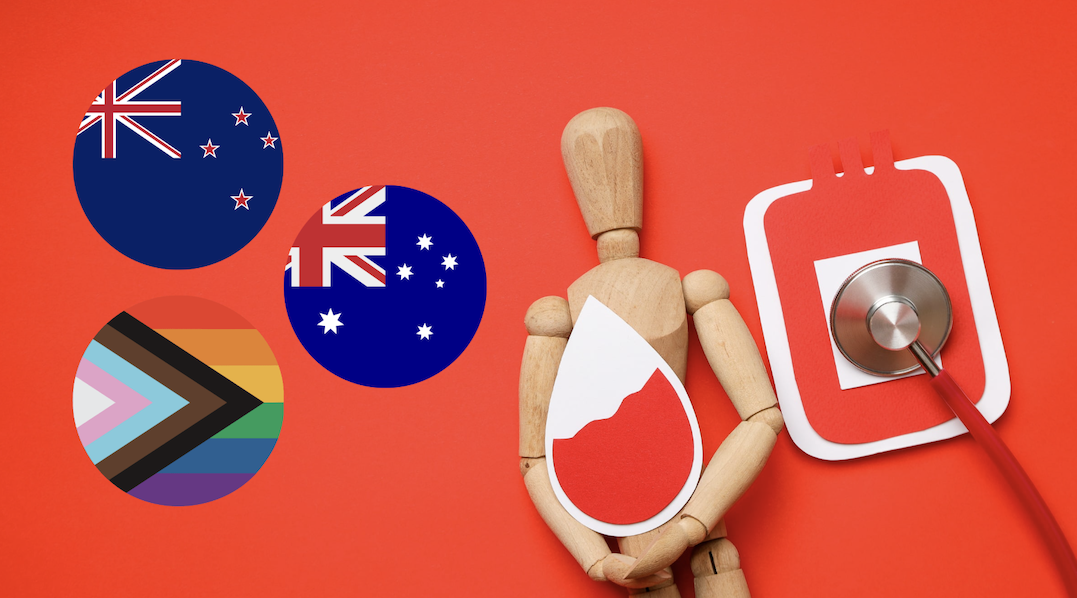
New Zealand and Australia are both making meaningful progress on blood donation policies, moving away from outdated rules that disproportionately affected gay and bisexual men and replacing them with systems focused on actual risk rather than identity.
The changes are being welcomed as both a public health win and a step toward fairness.
New Zealand Introduces Equal Screening Questions
Beginning May 4, the New Zealand Blood Service (NZBS) will ask every donor the same questions about recent sexual history, regardless of sexuality or gender.
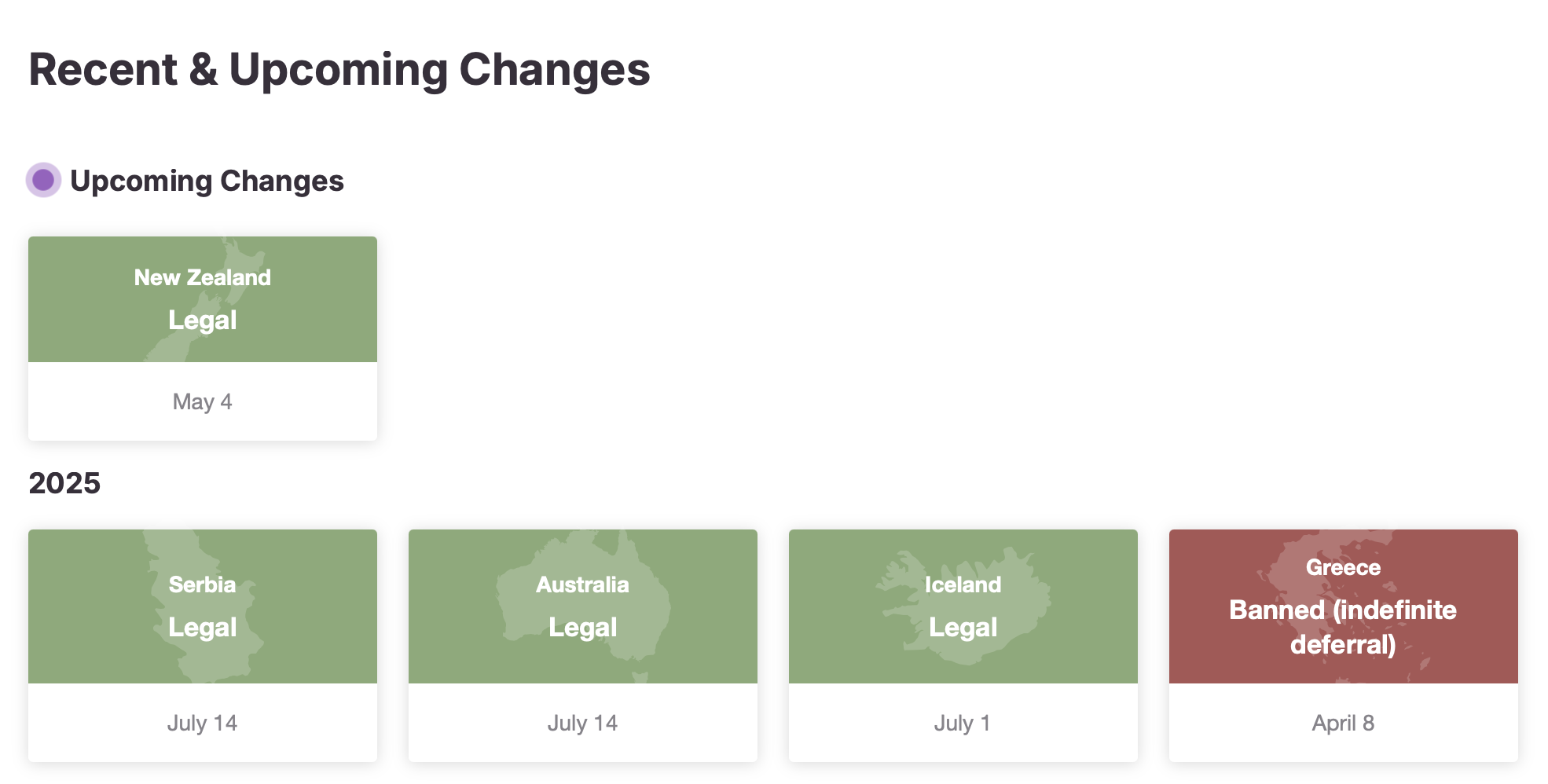
Previously, men who have sex with men faced a three-month deferral if they had oral or anal sex within that period. That meant many people in low-risk situations—such as monogamous same-sex relationships—were still unable to donate.
Researchers from the University of Auckland helped inform the updated approach. Lifting the ban would be much fairer because men will no longer be singled out with sexuality-based questions simply for having sex with another man.
Instead of focusing on who someone is, the policy now looks at behavior and current risk factors equally across all donors.
For many people, that distinction matters.
A Change Communities Wanted
Research had already shown there was strong interest in donating if the rules became more inclusive.
According to the Sex and Prevention of Transmission Study (SPOTS), funded by the Health Research Council of New Zealand and the Ministry of Health, was conducted in 2022 by the University of Auckland, four out of five gay and bisexual men in New Zealand said they wanted to donate blood if they were allowed under updated rules.
Those findings suggest the new policy could help expand the donor pool while also rebuilding trust with communities that previously felt excluded.
RELATED: Gay Blood Ban Ends! What We Need To Know About The New Donation Rules
Australia Has Already Made Similar Moves
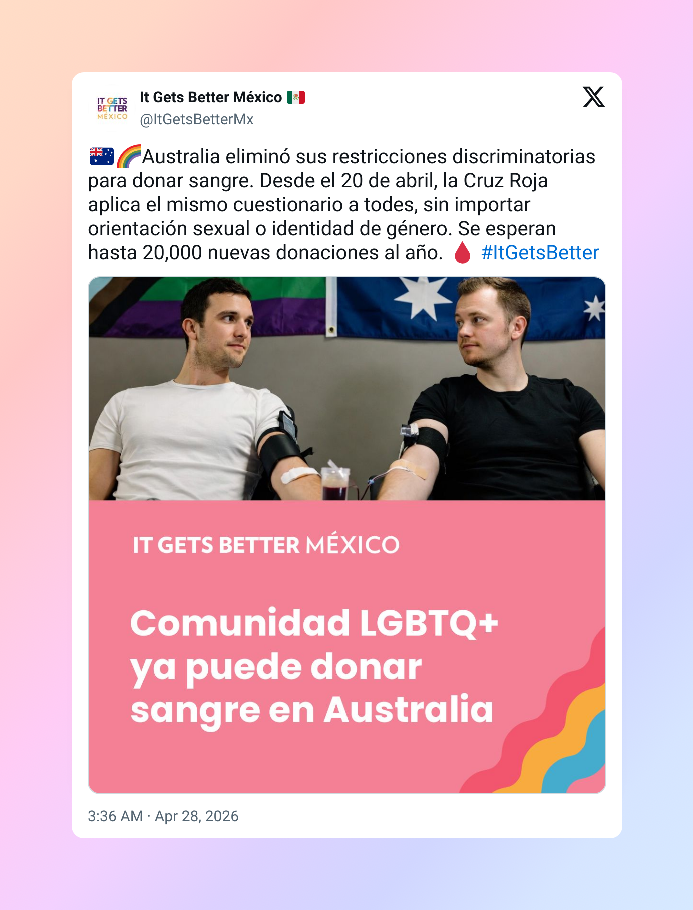
Australia introduced its own major reforms in July 2025. Previously, some sexual activity wait times prevented gay and bisexual men, as well as transgender women who had sex with men, from donating certain blood products.
Blood supply update from @lifebloodau: Several blood types are needed this week, with O groups in the highest demand. #sponsored pic.twitter.com/8ZgyDOwMZF
— 7NEWS Melbourne (@7NewsMelbourne) April 28, 2026
Under the updated rules, people in monogamous relationships can donate immediately if they meet all other eligibility requirements, such as age, travel history, tattoo timing, and iron levels.
Australia’s changes were seen as a significant modernization of donation rules and a sign that blood safety systems can evolve with current science.
Now, New Zealand is taking a similar step by ensuring all donors are assessed under the same framework.
Why This Matters Beyond Policy
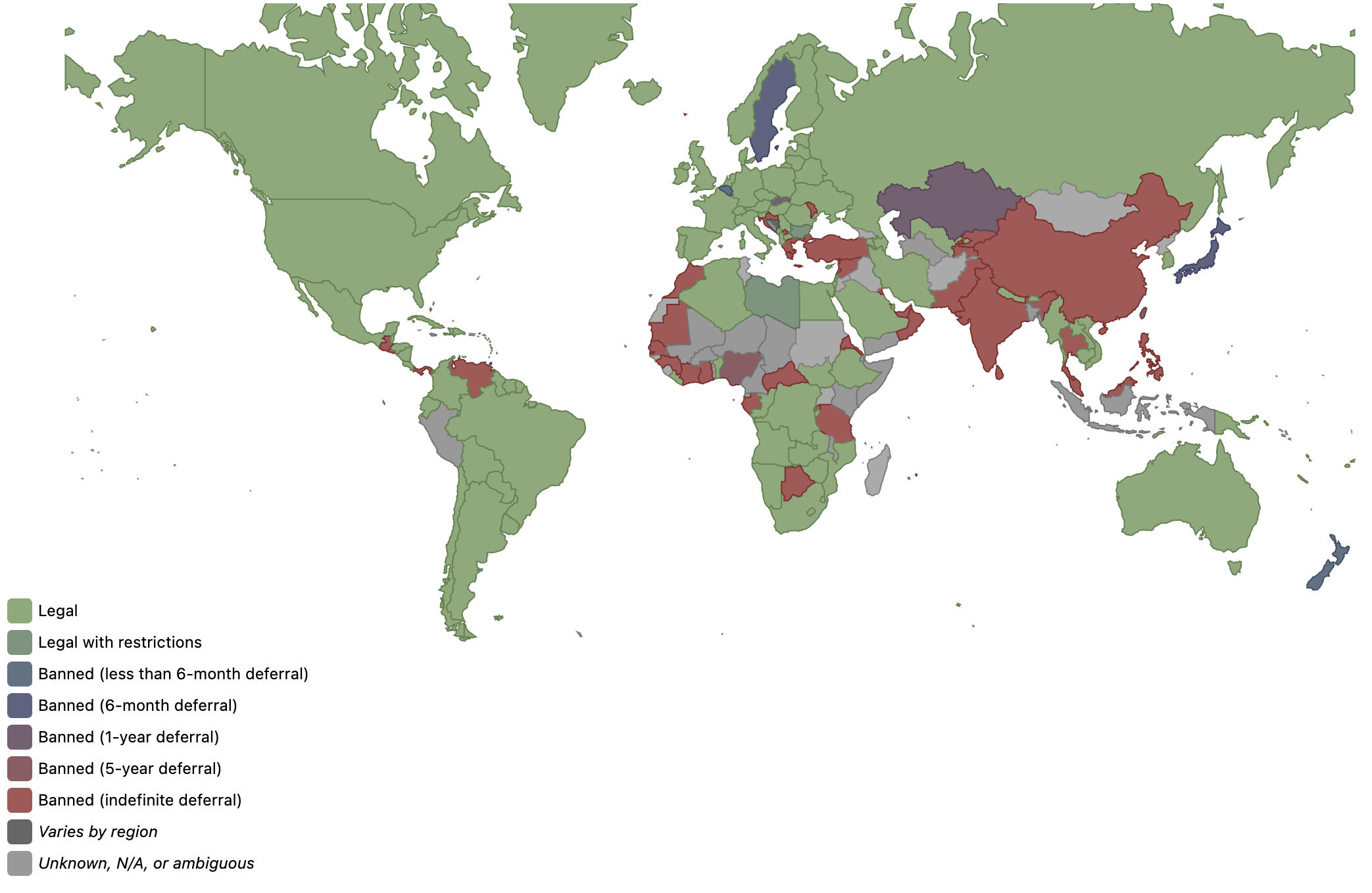
For LGBTQ communities, blood donation has never been just about medical paperwork. For years, many people who wanted to help during emergencies, shortages, or crises were told they could not—often because of blanket restrictions that did not reflect their real circumstances. That can leave a lasting sting.
These reforms recognize something simple but powerful: fairness and safety do not have to compete. Rather than singling out one group, all donors can now be managed the same way. That is not just more inclusive—it is more consistent.
More Donors, Stronger Communities
Liz Gibbs, chief executive of the HIV/AIDS organization Burnett Foundation, said the rule changes could increase the number of potential donors and help ease shortages in blood supply. She also noted the human side of the decision.
For men who were excluded for years, the chance to donate offers a way to give back to their communities. That feeling should not be underestimated.
To donate blood is to participate in care, solidarity, and public good. Opening that door to more people sends a message that everyone has something valuable to give.
The Bottom Line
New Zealand and Australia are showing that smarter, evidence-based blood donation policies can protect public health while treating people with dignity.
For LGBTQ communities, these updates represent more than administrative reform. They are signs of progress, trust, and belonging.
And for anyone waiting to roll up their sleeve and help save a life, that future has arrived.