


Dallas police collided head-on with what organizers described—without irony—as a “scorching hot play party” last Friday, when officers served a search warrant at a warehouse on Manana Drive and detained dozens of men. By the end of the day, two organizers were arrested, and what had been planned as a private weekend gathering turned into something far more public: case numbers, seized property, and a city-wide conversation about where adult nightlife ends and enforcement begins. It’s not exactly the kind of crossover event anyone was hoping to attend.
RELATED: Supreme Court Faces Gay Families in Preschool Equality Battle
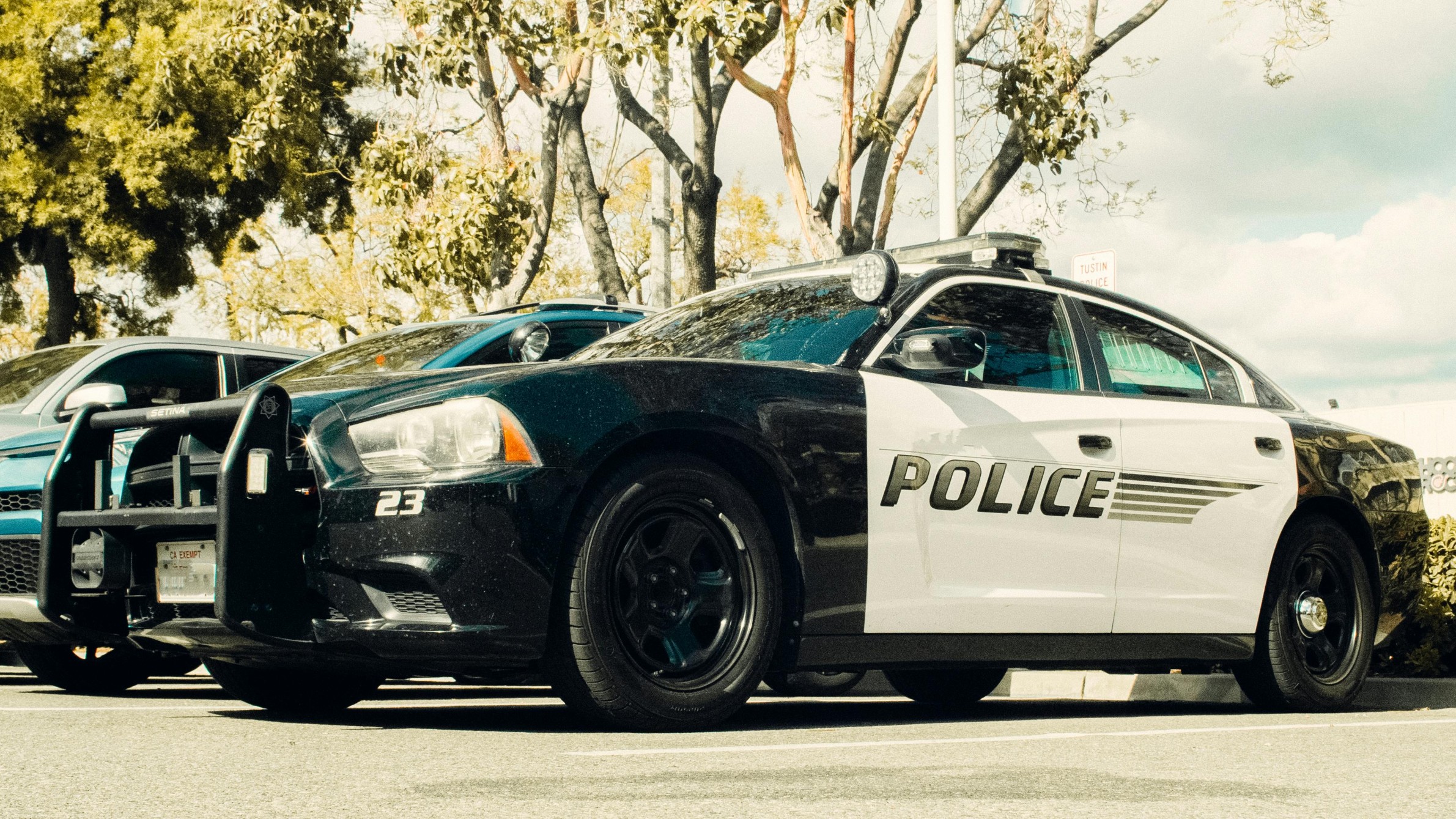
The location, identified by the Dallas Voice as the LGBTQ+ space Spayse Studios, sits just off Harry Hines Boulevard and markets itself as a flexible venue for everything from “birthday parties, to anniversaries, to adult kink parties.” On paper, it’s event space logic. In practice, it became the focal point of a broader crackdown under the city’s Safe Streets Initiative targeting sexually oriented businesses allegedly operating outside proper licensing—the kind of multipurpose venue where the RSVP list doesn’t usually include law enforcement.
RELATED: Asylum Isn’t Just Paperwork Anymore—It’s a Full-On Gay Acting Class
Licensing, Cover Fees, and the Line Between Event and Enforcement
Police say the issue wasn’t the concept of the event, but the paperwork behind it. Not the vibe—just the forms. Organizers allegedly failed to obtain a Sexually Oriented Business license for Friday’s gathering, which involved patrons paying a $35 cover “to enter the business to engage in sexual contact.” The party was branded as a “CumUnion” event, part of a traveling series of sexually-oriented parties hosted across the country for gay men.
And then came the procedural snapback: a note on the event’s website stating that “due to circumstances outside of our control,” the evening portion of the party was canceled. Which, in hindsight, reads like a sentence trying very hard to remain calm while everything around it absolutely is not.
What Officers Say They Found Inside
When officers arrived around noon, 48 individuals were initially detained. What followed, according to police, was a sweeping search that turned up more than just paperwork violations. Authorities reported seizing 27 grams of marijuana, 671 grams of psilocybin mushrooms, and 11,034.7 grams of THC hash oil.
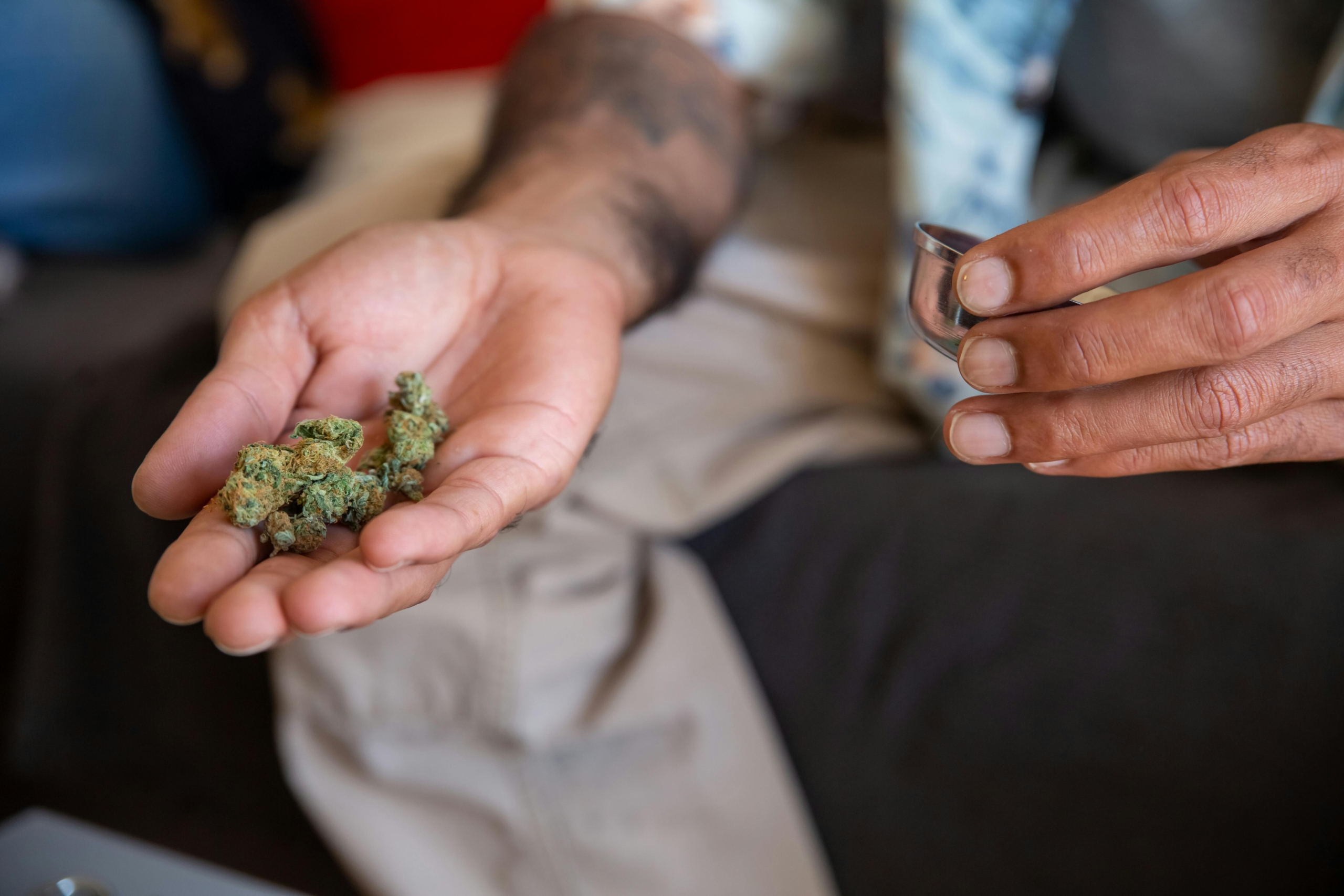
The inventory list didn’t stop there. It rarely does in these situations.
“Additionally, Vice Detectives recovered more than $11,000 in currency, multiple computers, hard drives and other electronics, as well as pleasure devices and a cargo van believed to be used in the production of pornography,” police said in a statement.
Charges and the People at the Center of It
Two men now face charges tied to the event’s organization. Israel Luna, identified as the owner of Spayse Studios, is facing multiple charges including possession of a controlled substance over 400 grams, promotion of prostitution, possession of marijuana, and operating a sexually oriented business without a license. Marc Tuton was also charged with operating a sexually oriented business without a license.
At that point, the guest list was the least of anyone’s concerns.
A Wider Crackdown Already in Motion in Dallas
From the city’s perspective, this raid didn’t happen in isolation. Dallas police have spent recent months targeting sexually oriented businesses across the Harry Hines corridor. In February, a similar raid hit the Paris Adult Bookstore. Nearby, Pandora’s Men’s Club was shuttered amid allegations involving prostitution and drug sales, with its licenses later denied reinstatement.
Community Reaction and the Weight of History
But enforcement stories don’t unfold in a vacuum, especially not in spaces tied to queer nightlife, where history tends to sit close enough to touch.
Attendees described the experience online with a mix of confusion and alarm. Some reported feeling “a little freaked out” after police entered the premises—which, given the circumstances, feels like an understatement doing a lot of heavy lifting. Others went further, saying it felt like “we were harassed by the Dallas police department in a gay safe space.”
In a since-deleted Reddit post, one user also speculated about surveillance tactics, suggesting that DPD may have used drones to record license plates of attendees—a claim that inevitably echoes older eras of policing, when queer spaces were tracked with far less subtlety and far more paper records.
That historical thread isn’t imaginary. Archives show that Dallas media in earlier decades regularly documented police targeting of LGBTQ+ establishments at a time when homosexual conduct itself was still criminalized in Texas. In 2010, a raid at a gay bathhouse in Deep Ellum led to 11 men being charged with public lewdness.
What Officials Say It’s All About
Still, police maintain that Friday’s operation was part of a broader enforcement mandate. In official terms, the goal was consistency across businesses operating without proper licensing or allegedly facilitating illegal activity.
As they put it, the raid was part of a commitment “to enforcing all laws and ordinances related to prostitution, human trafficking and sexual exploitation to keep everyone safe in Dallas.”
The Space Between Safety and Scrutiny
What sits between those two narratives—public safety enforcement and community perception of targeted policing—is where the conversation keeps landing. Not neatly. Not comfortably. And definitely not for the first time.
Because in Dallas, as in many cities, the question isn’t only what happened inside the warehouse. It’s what people think it means when the doors open, the lights come on, and the story spills into public record before anyone has fully made sense of the night it interrupted.
Source: Dallas Observer
When I was in college the DPD were harrassing gay people in clubs and bars in Oaklawn. Texas and Dallas is moving back into the dark ages. Thank god I left!
Watch out Dallas. When the religious zealots start taking over, things like 10 commandments in every classroom, gay harassment, gathering places closed, cruising spots patrolled, entrapment begins again etc.