

Justice Smith has stepped into his truth in a way that’s unapologetically bold — and it’s refreshing as hell. In a candid chat on Dinner’s On Me, hosted by none other than Jesse Tyler Ferguson, the actor who rose to fame in Now You See Me: Now You Don’t and Generation opens up about his evolving relationship with his identity, his sexuality, and, yes, his future dating plans. Spoiler alert: women are no longer on the menu.
RELATED: Justice Smith Joins Horror Film With Musical Twist
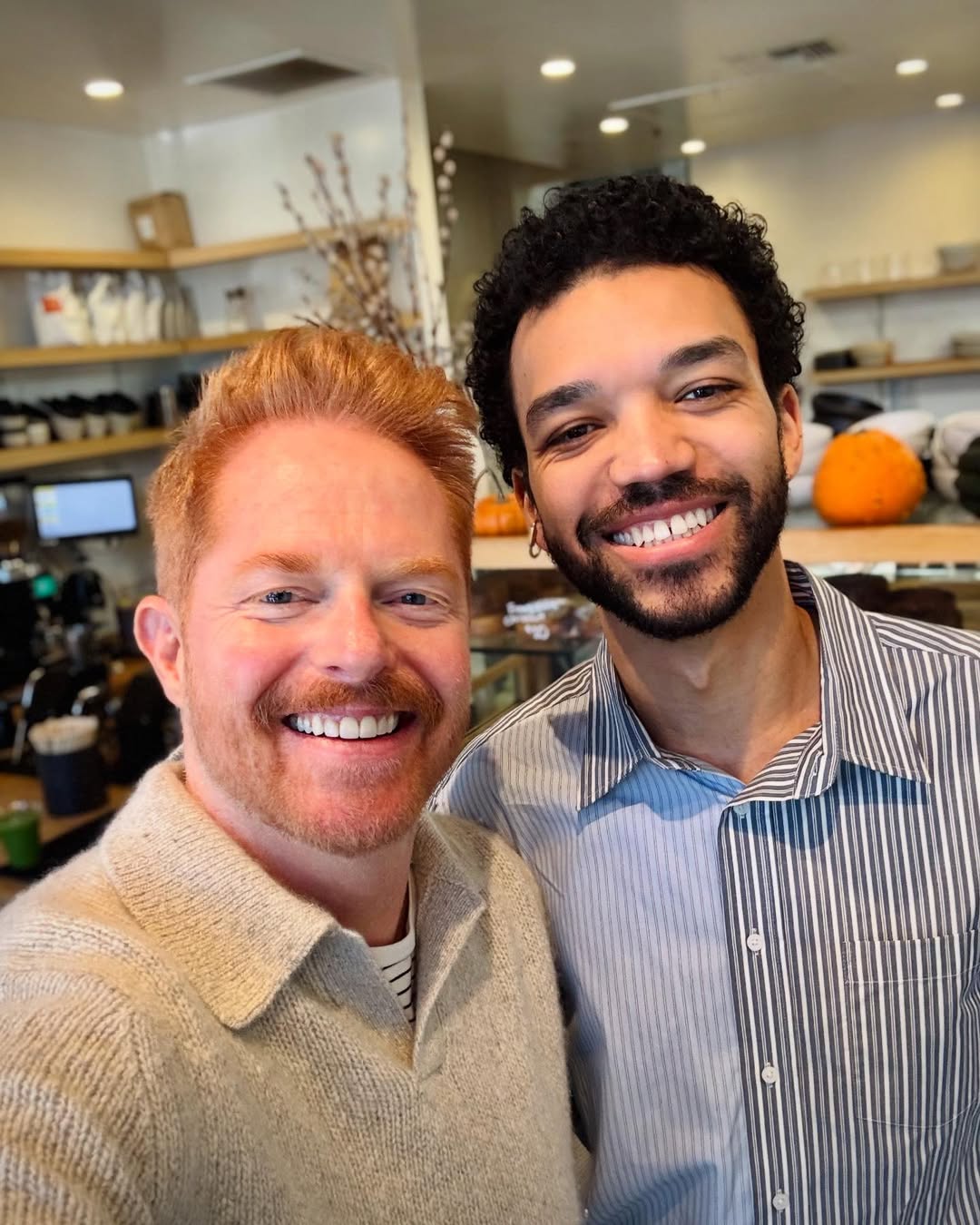
Smith: “I Will Never Date a Woman Again”
Straight out the gate, Smith makes one thing clear: he’s done with dating women. But before anyone jumps to conclusions, it’s not about lack of attraction. “I will never date a woman again,” Smith says with confidence. “Not because I’m not attracted to them. But because I don’t like the feeling of having to be the man in the relationship.”
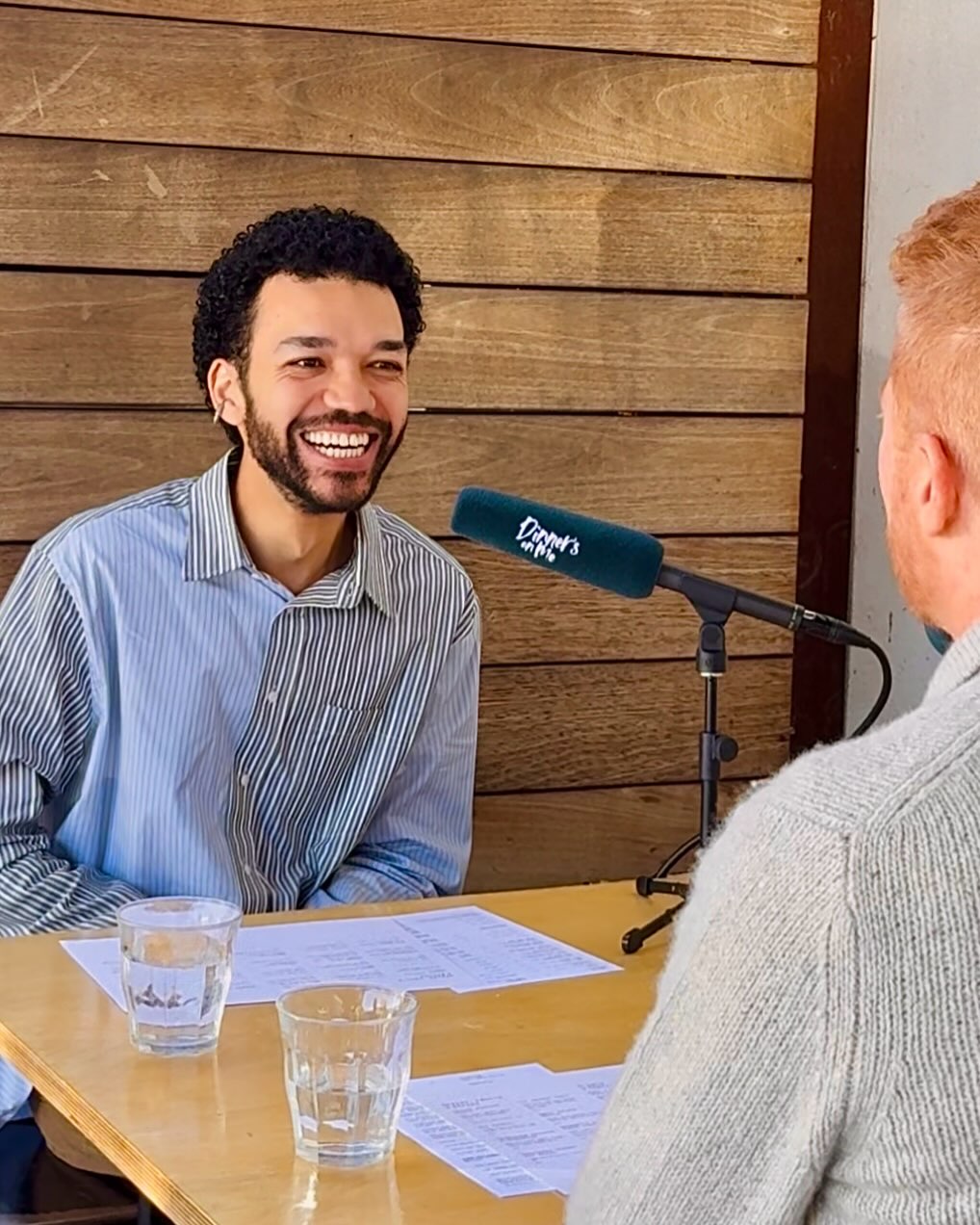
The 28-year-old actor explains that being expected to play the role of the “man” in heterosexual relationships never felt right to him. “When I was dating women, I just felt like I always had to be the proverbial big spoon,” he adds, clearly frustrated by the forced dynamics that often come with heteronormative dating. But in queer relationships, he finds a sweet balance: “What I like about same-sex relationships is that we both can kind of switch off on what parts of ourselves we’re showing.”
This shift in perspective marks a major turning point for Smith, where freedom from gendered expectations allows him to feel more at ease in romantic and personal relationships. It’s a small but significant detail that speaks to the beauty of queerness — the freedom to exist without the baggage of predefined roles.
Growing Up Queer and Black in an Overwhelmingly White School
While Smith is now comfortable with his identity, his path to self-acceptance was anything but smooth. Growing up in Orange County, Smith attended a performing arts high school that was progressive in some ways but deeply homogenous in others. “I was like one of like 17 Black kids in the whole school,” he shares. “There was a lot of like white kids from Irvine… and I started to receive a lot of messaging… about my race and my sexuality.”
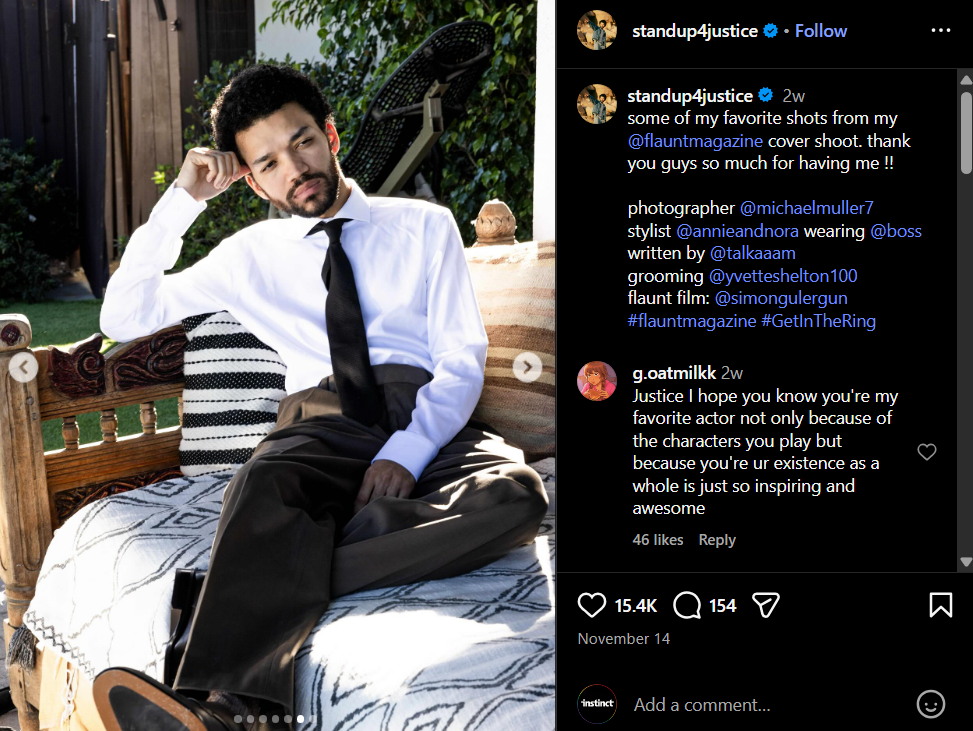
Despite the school’s reputation for being LGBTQ+ friendly — “the girl to guy ratio was like 11 to one… it was mostly girls and gays” — Smith’s high school experience was far from the safe, nurturing environment he needed. One painful incident still sticks with him: an improv exercise where classmates staged his “coming out party” as a joke. “I come in… and I’m slowly realizing what it is. And I’m just like, ‘It’s my coming out party.’ And then everyone laughs. It was so fucked up.”
That kind of bullying, especially at a young age, can scar a person. But Smith didn’t let it break him. His experience in high school, with its racial and sexual pressure, only deepened his understanding of who he is and what he stands for.
The Power of Playing Queer Roles
One of the most significant turning points for Smith came with his role in Generation, an HBO Max series that holds a mirror up to the complexities of queer youth. Playing Chester, a character who is bold, unapologetic, and in full control of his queerness, was not only a transformative experience for Smith — it was also a healing one. “Channeling Chester’s bold, femme freedom allowed me to access a part of myself I didn’t know I’d been missing,” he admits.
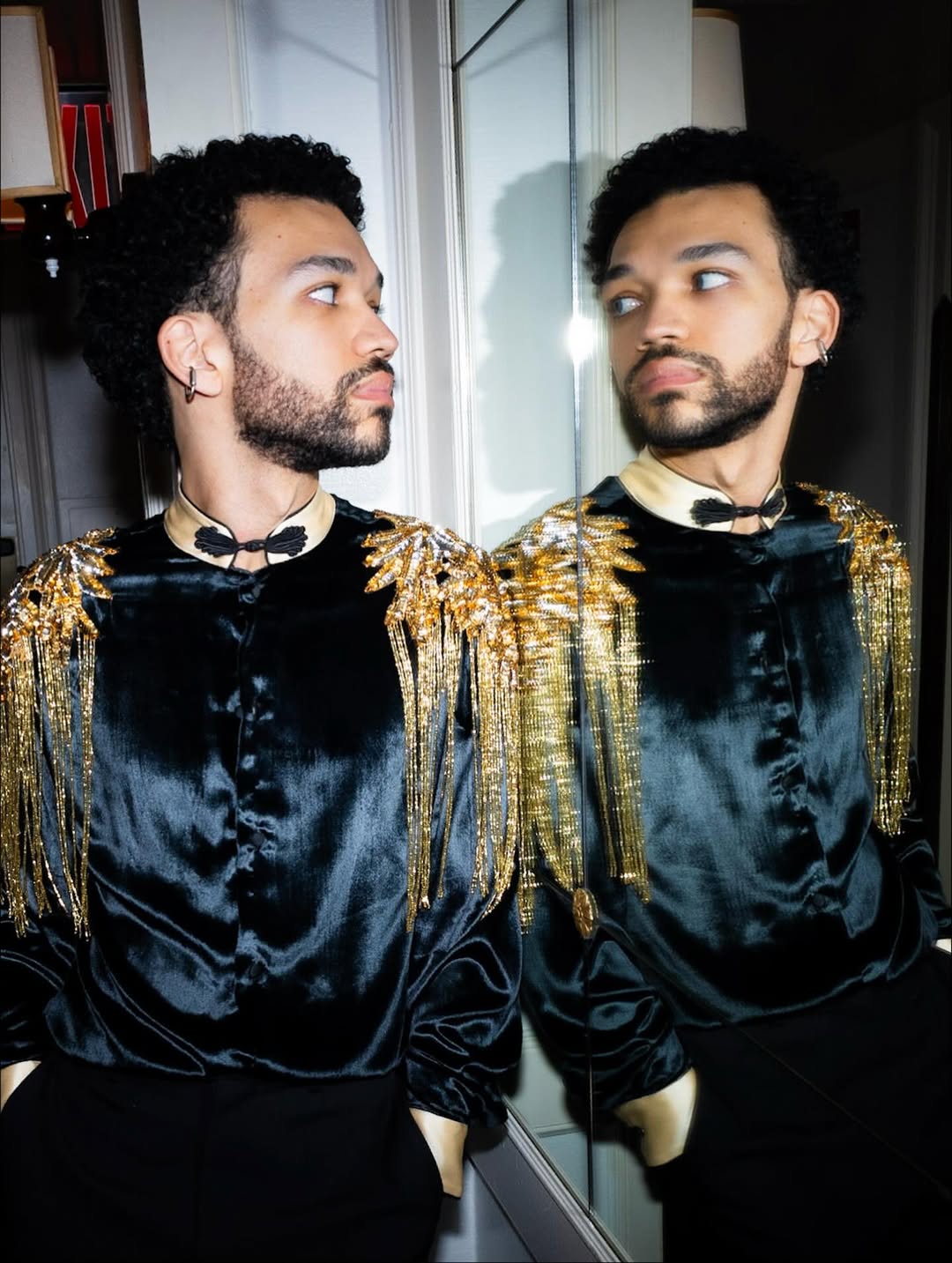
His journey of self-discovery also coincided with his growing sense of comfort in playing queer characters. It’s a full-circle moment for Smith, who recalls growing up in Anaheim, where Generation is set, and how that connection gave him even more freedom to embrace the parts of himself he had long kept hidden.
From Hollywood to Broadway (With a Side of Full-Circle Moments)
As an actor who has often played straight characters, Smith has become well-versed in code-switching — adjusting his energy, his voice, his posture — to fit into roles that don’t necessarily align with his own identity. But the most heartwarming moment in his conversation comes when he reflects on his role in the Now You See Me franchise, where he realizes that he had grown up practicing the Broadway song that Jesse Tyler Ferguson originated. It’s this kind of serendipitous moment that makes us believe the universe might just have a soft spot for queer artists.

Smith’s openness about his queerness, identity, and his feelings toward dating is a powerful reminder that self-discovery is a lifelong journey. His story is one of healing, growth, and a reclaiming of freedom — something every queer person can relate to. Whether it’s rejecting gendered expectations or finding solace in roles that resonate with your true self, there’s no “one way” to be queer. And that’s what makes his story so damn compelling.
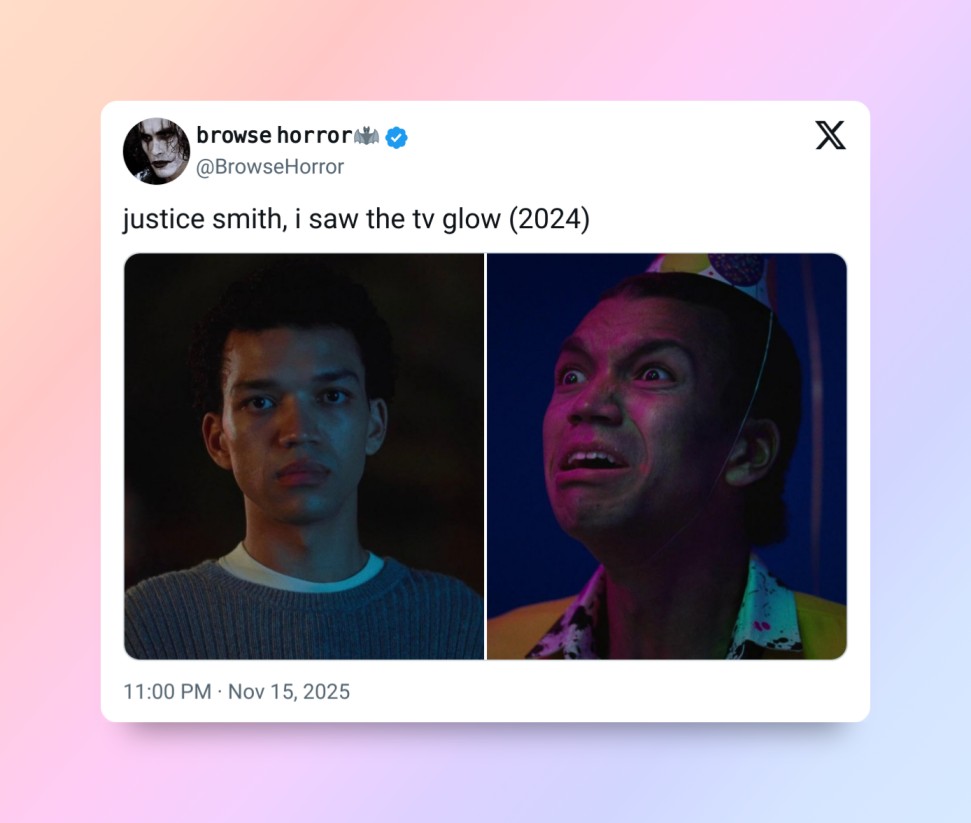
As Smith continues to chart his own path, it’s clear that he’s living his truth — and no longer being forced to play a role that doesn’t fit. So here’s to Justice Smith, for being unapologetically him. And to anyone out there who needs to hear it: you’re not alone in your journey.