

What happens when Eugene Ramirez, a gay journalist, takes his seat at the Kennedy Center for the opening night of Chicago, only to find himself detained by security for booing Donald Trump? Well, apparently, you get a lesson in irony, free speech, and why theater is the perfect backdrop for political protest.
RELATED: GOP Kai Schwemmer Says Gay Men Are Using Gyms to Spread AIDS
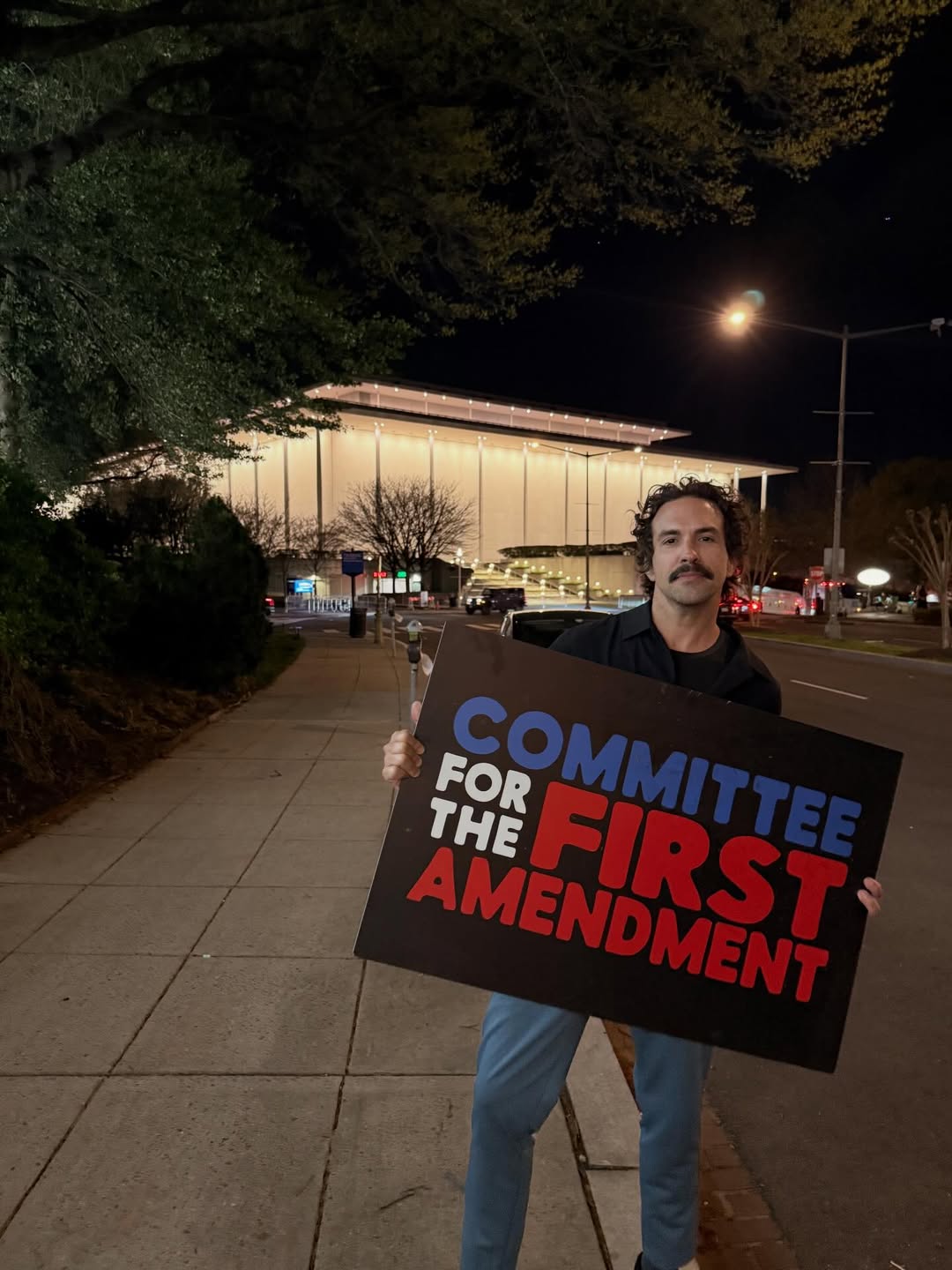
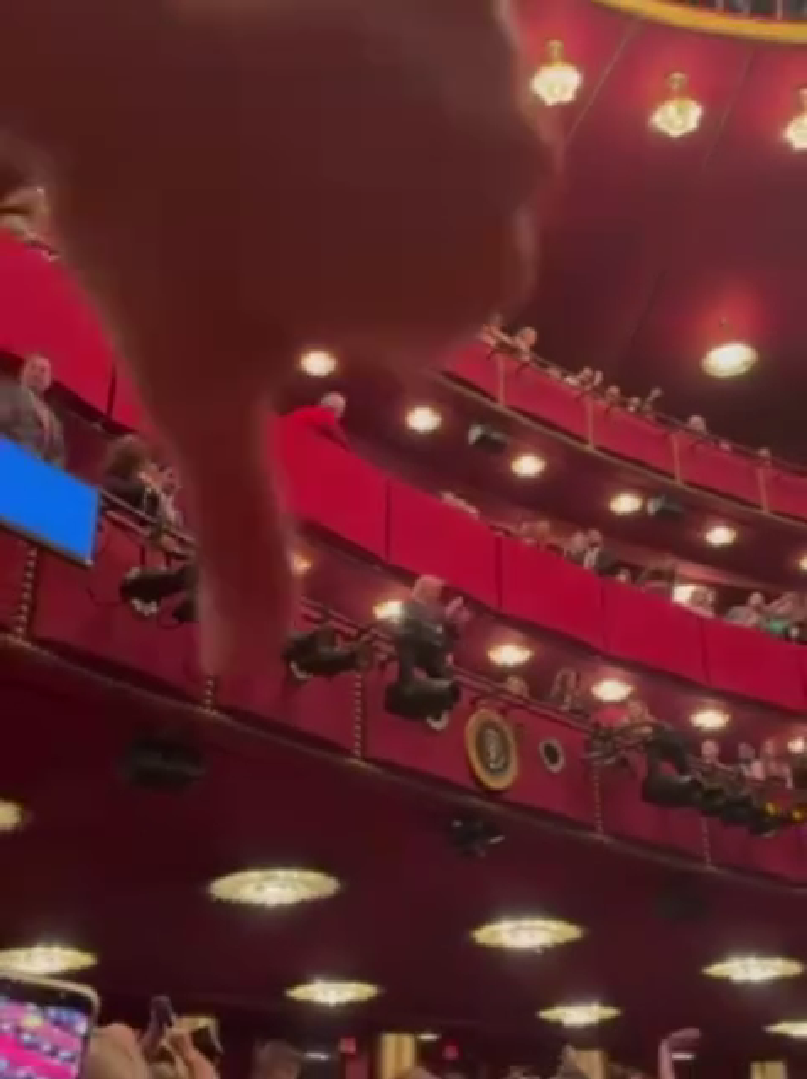
On March 31, Eugene Ramirez—a well-known gay journalist—had what could only be described as a Chicago-worthy moment. At the performance, where the musical’s razor-sharp satire of corruption and media manipulation took center stage, Ramirez did what any passionate critic might do: he booed. But not just any boo—this one was aimed at Donald and Melania Trump as they made their grand entrance into the theater’s balcony.
While some members of the audience stood to cheer, Ramirez stood for dissent—thumbs down, loud and proud. That’s when the fun started.
Security swooped in faster than a backstage crew during a blackout. Ramirez was escorted off to a side area, detained until the lights dimmed and the show could continue. No, it wasn’t a disturbance, it wasn’t even an outburst—just one man exercising his First Amendment rights. But apparently, in Trump’s America, booing isn’t just rude; it’s apparently a threat to national security. Or, at least, to his image.
Eugene Ramirez and the Chicago Irony
“I went to the Kennedy Center to enjoy a night at the theater with friends,” Ramirez told the Was hington Blade, as if his evening hadn’t already taken a turn into the absurd. What was supposed to be a celebratory night—before the Kennedy Center closes for renovations under Trump’s watch—became a lesson in political optics. Ramirez’s dissent was swift and simple, yet it caught the attention of security.
It’s worth noting that the Kennedy Center—a place of cultural expression—is federally funded. In other words, the taxpayers (including you and me, darling) foot the bill for this space where freedom of expression should reign supreme. And yet, it wasn’t the sound of applause that the authorities were worried about; it was the sound of one gay man making a thumbs-down gesture. A thumbs-down, people. Not even a flamingo pose.
Irony? Oh, We’ve Got Irony
Now, here’s where the plot thickens. Chicago, the musical known for its satire about corruption, manipulation, and the way public figures use the press to craft their shiny, distorted images, just so happened to be the backdrop for this entire spectacle.
As Ramirez pointed out, the timing could not have been more perfect: “The irony wasn’t lost on me that this was happening on opening night of Chicago, a musical about manipulating the press to shape public perception.” Let’s just say if this were a show, the act break would have been filled with applause.
Ramirez’s experience wasn’t about him being a lone wolf protesting in the dark. This was all about the optics—the Trump optics. “It was clear this was an effort to manage the president’s image in the media,” Ramirez observed. And let’s face it, he’s not wrong. In an era where every image is carefully curated and every bad moment gets a makeover, even a simple thumbs-down gets treated like a criminal act.
‘Razzle Dazzle,’ Indeed
If there’s one thing Chicago taught us over the years, it’s that razzle-dazzle is the ultimate tool for keeping the masses entertained while distractions do the heavy lifting. Ramirez, a journalist by trade, couldn’t help but reflect on the deeper irony of it all. The musical’s most famous number, “Razzle Dazzle,” is all about fooling the public and manipulating their perception—and there Ramirez was, getting a first-hand taste of what happens when the president’s image is on the line.
“The show’s closing lines were especially sharp given the presidential audience and what I just experienced,” he mused. In the show, Velma Kelly and Roxie Hart, two characters who just got away with murder, deliver a line that resonates now more than ever: “We’re the living examples of what a wonderful country this is.”
And that’s when Ramirez hit us with his own closing thought: “Democracy only works when citizens are allowed to boo.” Mic drop.
The Thumbs-Down Heard Around D.C.
Here’s the thing: what Ramirez experienced wasn’t just about one man’s dissent in a theater—it’s about the larger, much more important battle for free speech in publicly funded spaces. The Kennedy Center is a place where people come together to express, debate, and critique—whether through art, performance, or, apparently, a thumb pointing straight down.
And yet, here we are, in 2026, with a gay journalist getting removed from a public institution for doing exactly what the First Amendment allows him to do: criticize the president. At what point does the line between protecting the president’s image and protecting the public’s right to speak freely get too blurry? According to Ramirez, that point was reached the moment security decided a thumbs-down was a threat.
To Boo, or Not to Boo?
In the end, Ramirez was allowed to return to his seat after his brief detainment. The show went on. The Trumps were clapped for. And Ramirez got to enjoy a bit of irony and a whole lot of media attention. But the real takeaway? Free speech is worth defending—even if it’s just one dissenting gay voice in a sea of applause.
Ramirez wrapped up the night with this biting reminder: “Publicly funded cultural institutions should allow visible dissent, even in politically charged moments.” Couldn’t agree more. We can’t let the razzle-dazzle fool us into thinking we can’t express our opinions, no matter how unpopular they may be.
Because here’s the real razzle-dazzle: Democracy only works when we boo.
SUGGESTED: 9 Best LiveJasmin Alternatives: Top Sites Like LiveJasmin for Gay Men