

Some mornings, it hits you like a splash of cold coffee: what is going on with our country? The youth were supposed to be our hope, the torchbearers of equality. And yet, as we scroll through headlines and scroll past another political setback, a creeping worry settles in—did we stop fighting for gay rights?
It’s not that the fight is over. But the momentum feels… different.
RELATED: Queer Community Outraged As ‘Don’t Say Gay’ Law Extended Thru High School in FLA
Are Young People Still the Future of Gay Activism?
For decades, Millennials and Gen Z have been held up as the generations who would secure equality once and for all. But research suggests things are complicated. While some reports have claimed that anti-gay bias is rising among younger adults, broader polling paints a more nuanced picture.
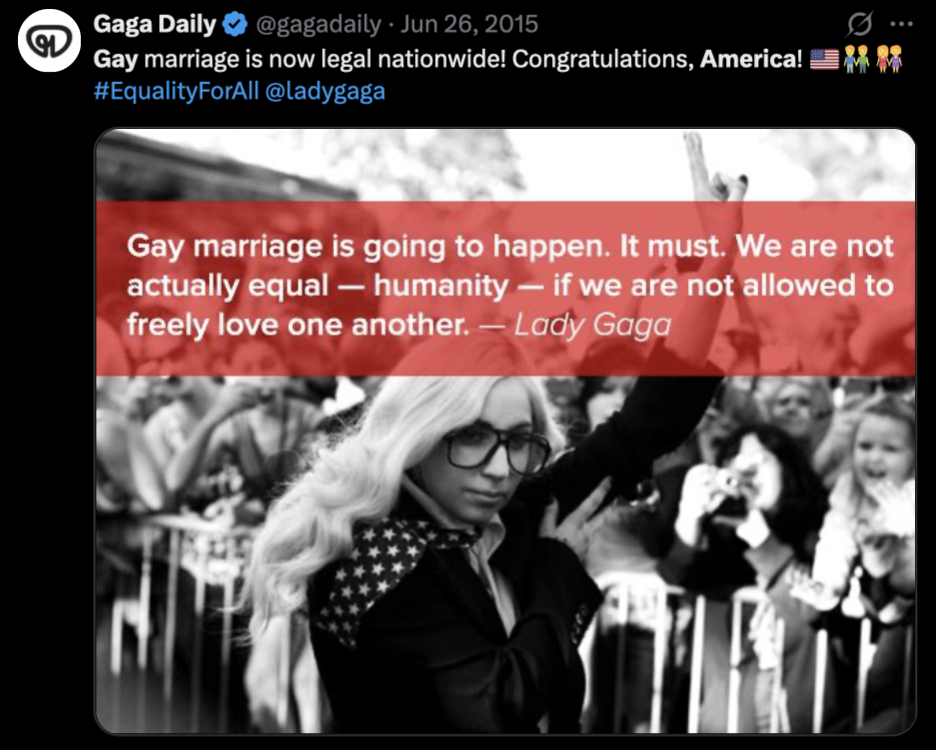
Young women today remain among the strongest supporters of gay rights. Young men are largely progressive—but not dramatically more so than older generations. In other words, the youth aren’t turning against us, they’re just navigating a cultural environment that assumes gay equality is “already solved.”
This raises a question we don’t often ask:
Do you believe the next generation of young gay activists is bold and loud, or more cautious and strategic?
Visibility Doesn’t Always Equal Safety
Gen Z grew up in a world full of rainbow logos, Pride parades, and queer representation in media. That visibility is powerful—but visibility alone isn’t protection. Politicians still debate rights, hate crimes persist, and legislation targeting LGBTQ communities has surged in several states.
So here’s a question that goes deeper:
Do you think visibility alone—rainbow logos, corporate Pride, and representation—is enough to protect our rights, or is active advocacy still essential?
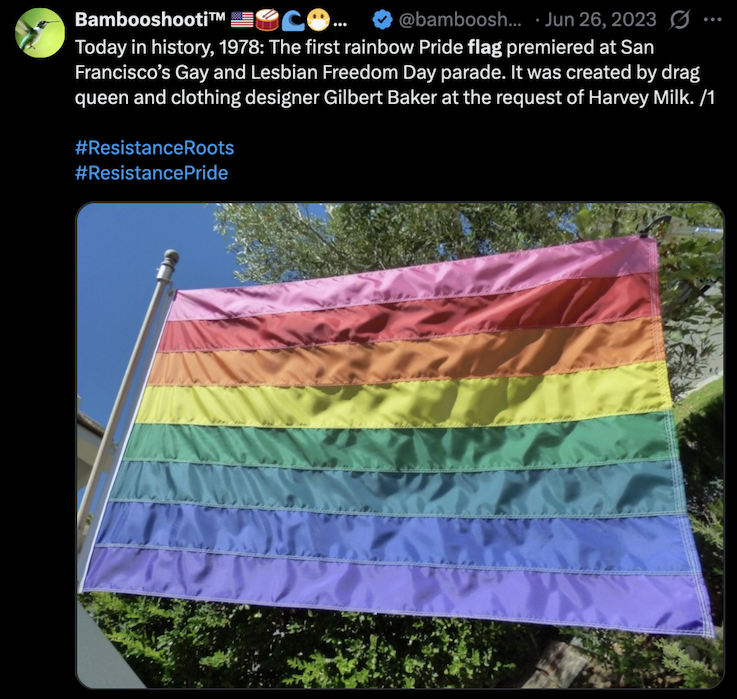
And for those of us immersed in gay culture, this one hits hard:
Do you feel your identity as a person of the LGBTQ community is more celebrated or more threatened than it was ten years ago?
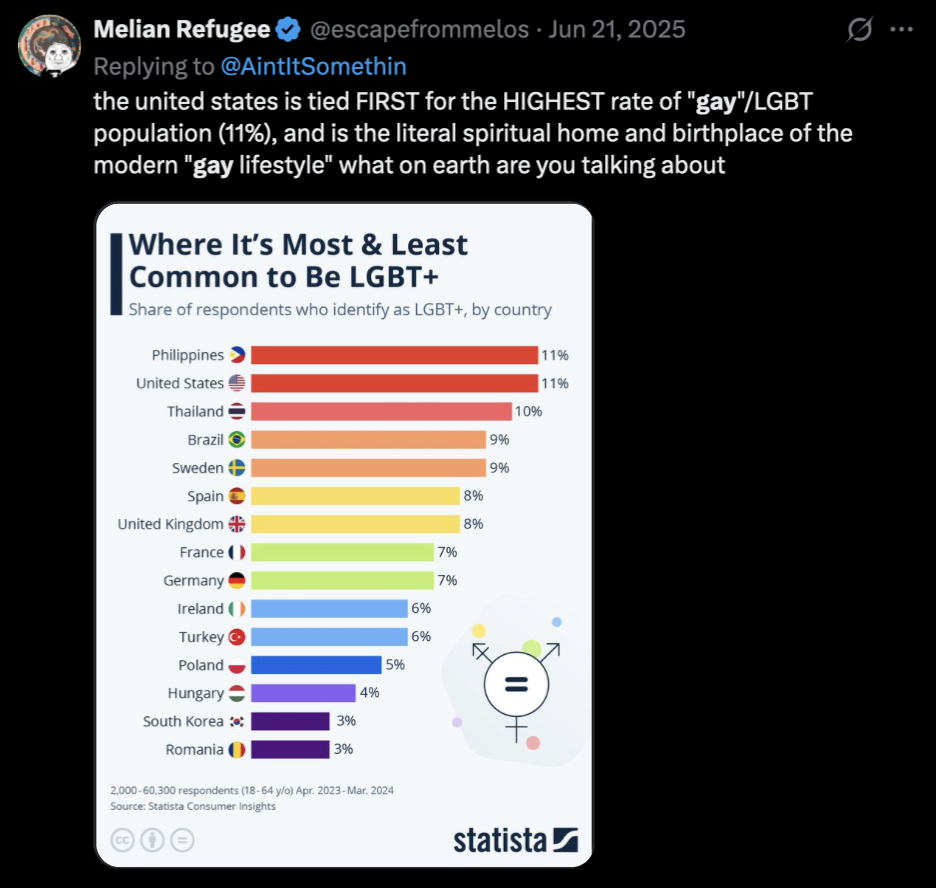
Progress Can Breed Complacency
One subtle shift in public perception may explain why momentum seems slower: as LGBTQ+ rights have become more mainstream, some people assume the fight is “done.” Polling shows that fewer Americans feel the country needs to do more for gay and lesbian people than a few years ago.
Yet most people still acknowledge that discrimination exists. Support has become conditional—people cheer the wins but hesitate to push for the work that remains.
Here’s a question to sit with:
Are there issues within the LGBTQ+ community that get ignored because broader society assumes gay rights are won?
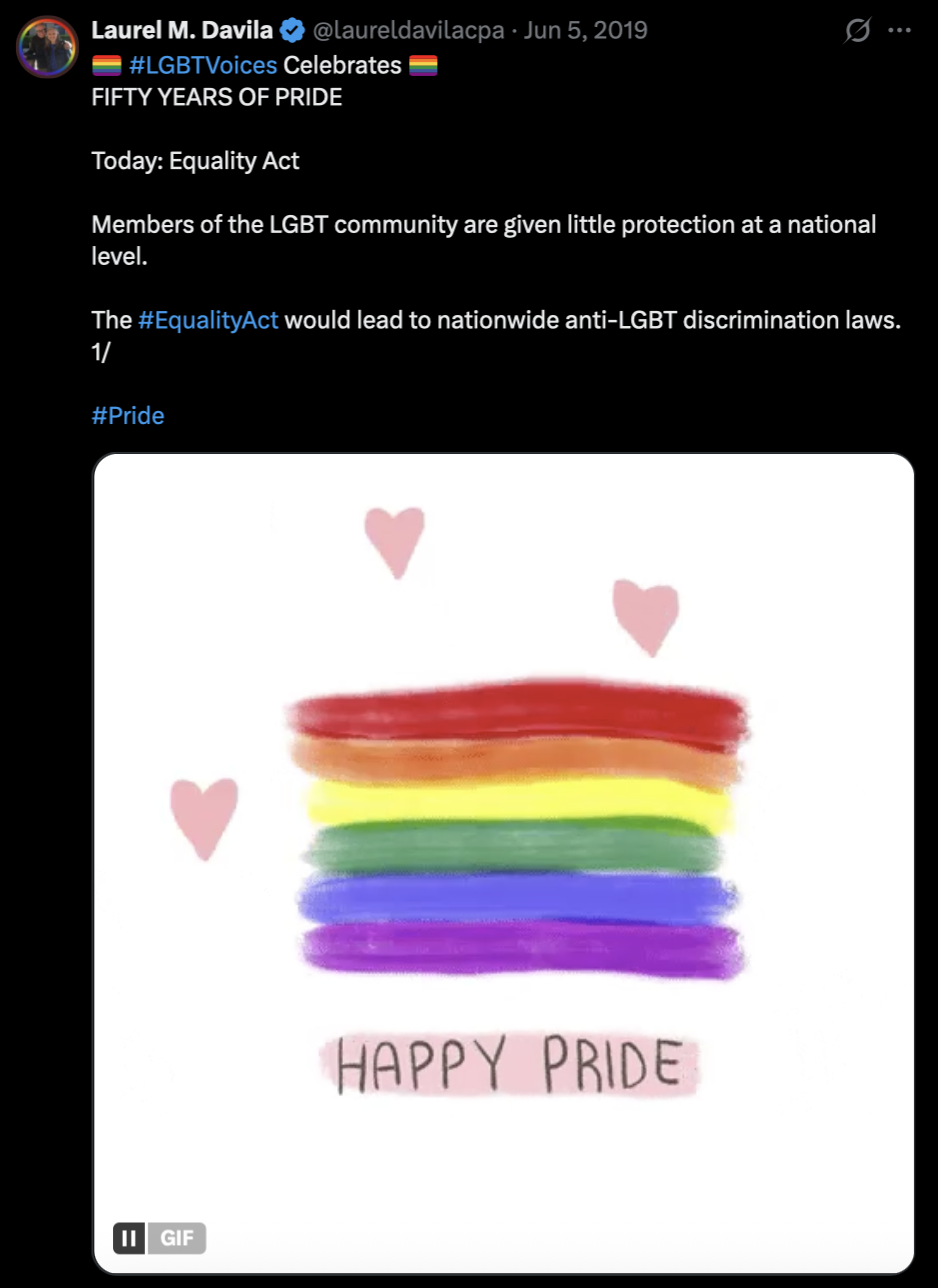
Intersectionality and the Unequal Fight
It’s not enough to look only at sexuality. Race, gender, class, and ability all shape the gay experience. Not all LGBTQ+ Americans experience progress the same way, and some voices remain underrepresented in both advocacy and cultural visibility.
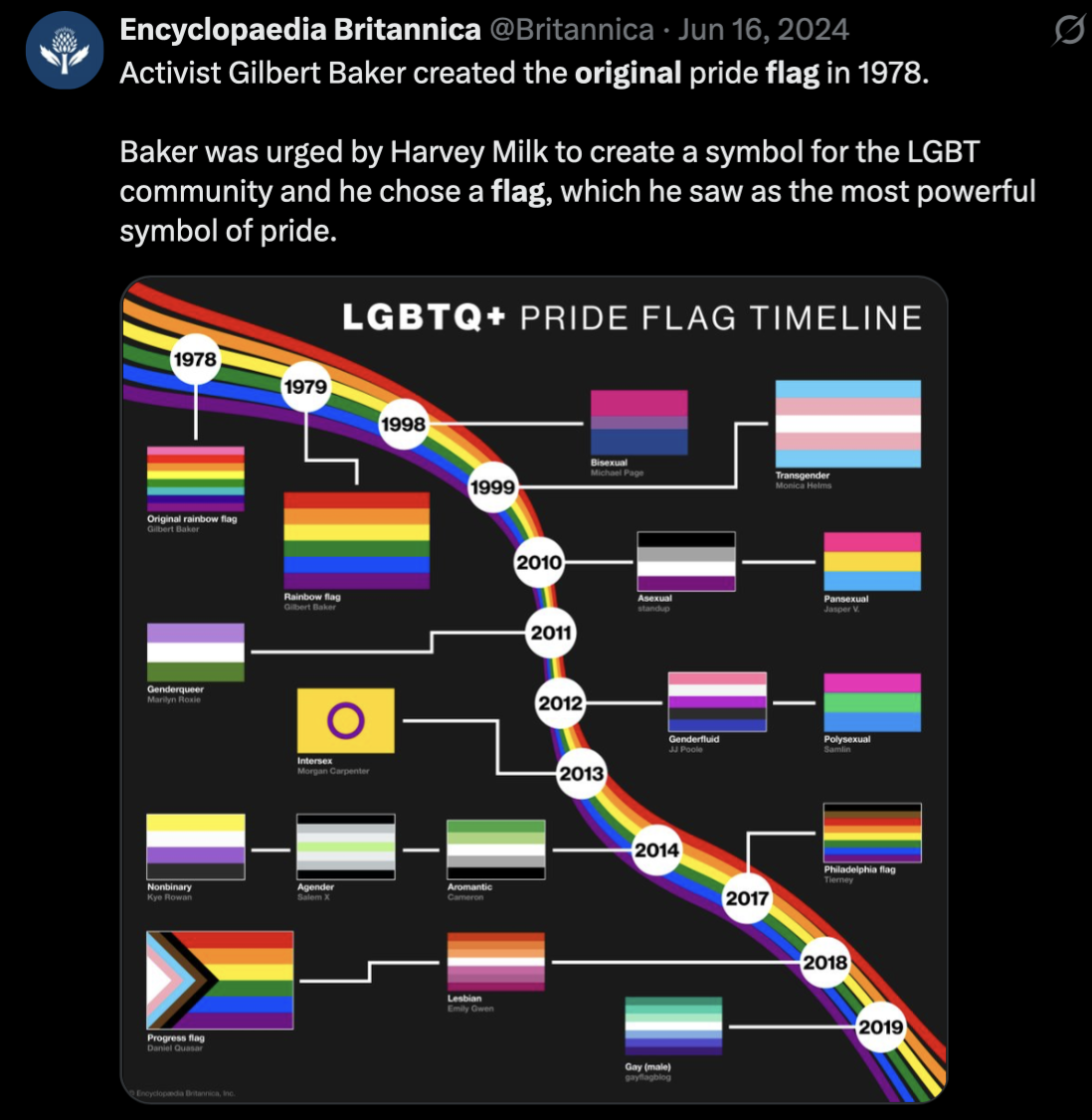
Reclaiming Urgency Without Losing Hope
Progress is real. Fewer people would be distressed to have a gay child than in previous generations, same-sex marriage is legal nationwide, and representation is everywhere. But that progress can create a false sense of security.
So we ask you:
-
Do you sometimes feel we underestimate the threats to gay rights because acceptance is so visible in pop culture?
-
How do you personally stay informed and active in political or social advocacy for gay rights?
-
If you could send a message to your younger self about the fight for gay equality, would it sound urgent or hopeful?
Your Voice Matters
This isn’t a call to panic. It’s a call to reflection, conversation, and action. The future of LGBTQ+ rights depends not only on laws and courts, but on how we engage, educate, and push back against complacency.
So we want to hear from you: What does fighting for gay rights look like in 2026? Where do you see hope, and where do you see challenges? Share your thoughts, comment below, and keep the conversation alive—because the fight is far from over, and every voice counts.
REFERENCE: American Surveys Center
Young gays are just not interested. The actual gay movement is made up of older men, and people who are not sure just what they are. Many gay men just no longer feel represented in a “movement’ that is moving in a different direction
The next generation of gays can care less about gay rights or gay marriage or equality, they just care when the next dick is coming their way. It’s all about sex, fun and shallow as it gets.
Because we know that the Baby Boomers and Generation X were always so responsible, politically engaged, and never hedonistic. And I say this as a Gen-Xer.
You will always find shallow, vapid narcissists; you don’t have to look very hard as they tend to seek the most attention. You can also find engaged, politically active folks as well. No one has a monopoly on either.