


Hate crime isn’t supposed to be part of a 40th birthday script. It’s supposed to be good food, slightly too loud laughter, friends you only see when someone is turning 40, and the comforting lie that hangovers are “less intense now.”
RELATED: Botswana Laws Finally Ditches Its Anti-Gay Rule
Karl Whitcombe had that in mind when he planned a birthday week in Cardiff with his partner—“filled with family, friendship and dancing.” Instead, he got a reminder that some people are still stuck on the worst possible settings.
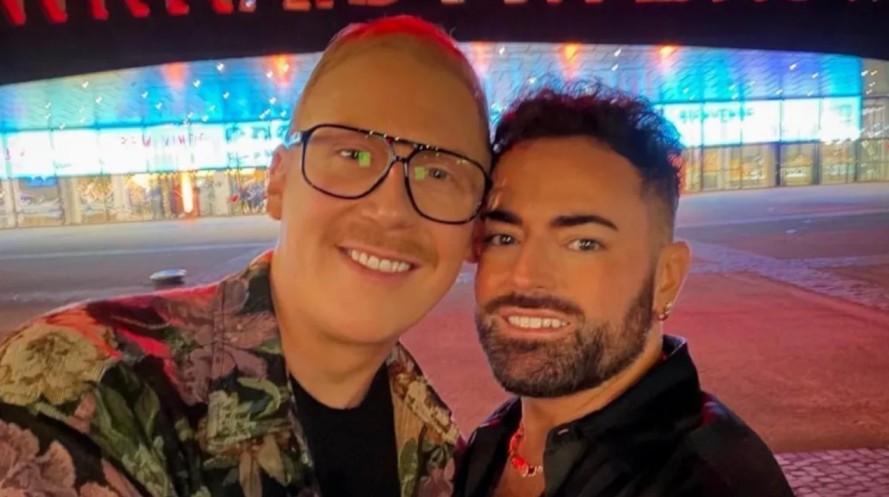
While out celebrating, Whitcombe says he and his partner were subjected to homophobic slurs from two separate groups of young men. Not one. Two. As if Cardiff had quietly rolled out a limited-edition sequel nobody asked for.
RELATED: Fence vs. Florida: Same-Sex Couple Takes Pride Paint Fight to Court
“It put a dampener on what had been a joyful couple of days celebrating my birthday,” he said, adding “it feels like we’re going backwards in some ways”.
And honestly, that’s the part that sticks. Not just that it happened—but that it happened twice, like the universe was testing his patience.
Two nights out, two completely unnecessary plot twists
The first incident came after dinner, while they were walking to the train station. The second happened two days later as they headed into the city centre after a show. Different locations. Different nights. Same unwelcome energy.
“We were just completely gobsmacked that a different group of guys, in a completely different part of Cardiff, two days later… that it happened again.”
At that point, it stops being a “bad night out” and starts feeling like a weirdly consistent pattern nobody consented to.
“I just got so annoyed, and angry and disappointed that that had happened to me within two days of each other,” Whitcombe said.
Which is a very polite way of summarising what most people would file under: absolutely not.
Turning something awful into something public (because silence wasn’t doing the job)
After the incidents, Whitcombe decided to speak about what happened online. Not for drama. Not for attention. More like: if this is happening, it should not quietly disappear into the night. He said it felt like “a way to take back a little bit of control”.
He also reported it to the police, explaining, “I do think it’s really important to report these types of crimes that happen to the police for the purposes of data.” South Wales Police confirmed he was supported after reporting the incidents, though no further action was taken.
Whitcombe also reflected on something that’s been hanging in the air more broadly:
“There’s been a lot of talk about toxic masculinity,” he said.
“It feels like we’re going backwards in some ways – it’s now seen as acceptable to be disrespectful to people, to not be kind, because you feel someone is different to you.”
Which is a long sentence for a very simple idea: kindness should not be controversial.
The bigger picture isn’t exactly reassuring about hate crime
The LGBTQ+ rights charity Stonewall said hate crimes based on sexual orientation in the UK remain “unacceptably high.” Reported numbers may fluctuate slightly year to year, but the broader trend over time is still uncomfortable reading. Galop, an LGBT+ anti-abuse charity, reported a 27% increase in hate crime calls to its helpline over the past year.

Simon Blake, chief executive officer of Stonewall, put it plainly: “Hate crime continues to be unacceptably high,” adding that underreporting means many incidents never make it into official figures.
“You’ve got this atmosphere in which it feels more possible for hate to manifest itself, whether that’s verbally or physically.”
Blake also reflected on his own experience of homophobic violence as a student in Cardiff in the 1990s:
“Yes, it was over 30 years ago.
“Yes, it’s not something that I fall asleep worrying about every night but it’s there and it does create that sense of ‘am I safe?'”
When the past doesn’t stay in the past
Singer Lloyd Best, 32, has his own version of this story—one that started in school and never really packed up and left. He recalled the moment his sexuality became public knowledge at school:
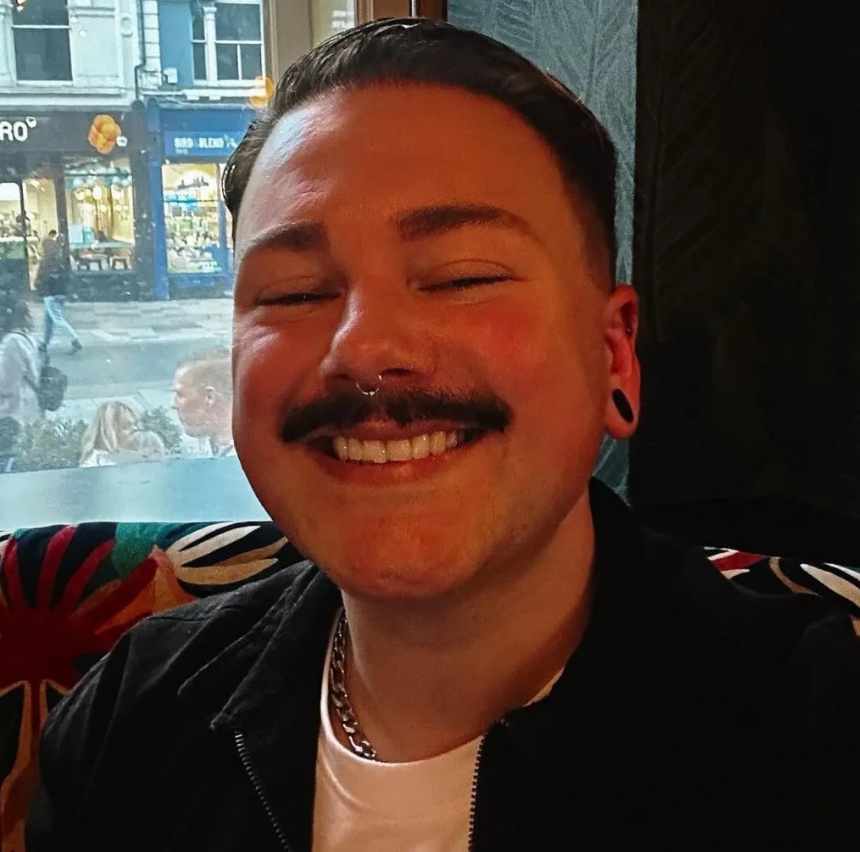
“One day I came to school and everybody knew.
“As I came off the school bus an entire crowd of children came up to me and started shouting at me, saying horrible things, and they chased me around the whole school, trying to get answers from me.”
Now, even in adulthood, he says the residue of those experiences still shapes how he moves through the world.
“I’ve had more people shouting things at me as I’m walking down the street.”
“I do feel like the last couple of years, certainly post-pandemic, it feels like it’s pushing back towards that early 2000s brand of homophobia and that’s quite worrying to me.”
What researchers are seeing (and it’s not happening in a vacuum)
Prof Matthew Williams from Cardiff University, who has studied hate crime for 25 years, says there has been “an uptick” in intolerance “towards minority groups” driven by growing polarisation. He also points to how online behaviour doesn’t stay online for long.
“The research consistently finds if there is an increase in hostility expressed on social media, for example, towards a particular group, then there tends to be a corresponding uptick in hate on the streets as well.”
He also mentions the “increasing influence” of the manosphere—online spaces promoting rigid ideas of masculinity—as part of a broader cultural shift affecting attitudes towards women and gay people.
“I think it’s almost impossible to rule out the role of the increasing influence of particular kinds of individuals associated with the manosphere and changing attitudes towards women and gay people,” he said.
The part that shouldn’t be normal—but still is
What makes Whitcombe’s experience unsettling isn’t just what happened. It’s how ordinary the setting was: a train station walk, a city centre night out, a birthday week that should’ve been unremarkable in the best way. Instead, it turned into a reminder that progress isn’t always linear—and sometimes it feels like someone hit “undo” on basic decency.

And while no one expects the world to be perfect, it would be nice if a 40th birthday didn’t come with a side order of hatred. Because honestly, that’s one menu item nobody ordered.
Source: BBC