


Botswana has decided to retire one of its longest-running bad habits: a colonial-era law that made same-sex intimacy a crime. And honestly, it’s about time. Some laws age like fine wine. Others age like milk left in the sun on safari.
RELATED: Rights, Rivals, and Rainbow Drama: Democrats Slay the Allyship Game
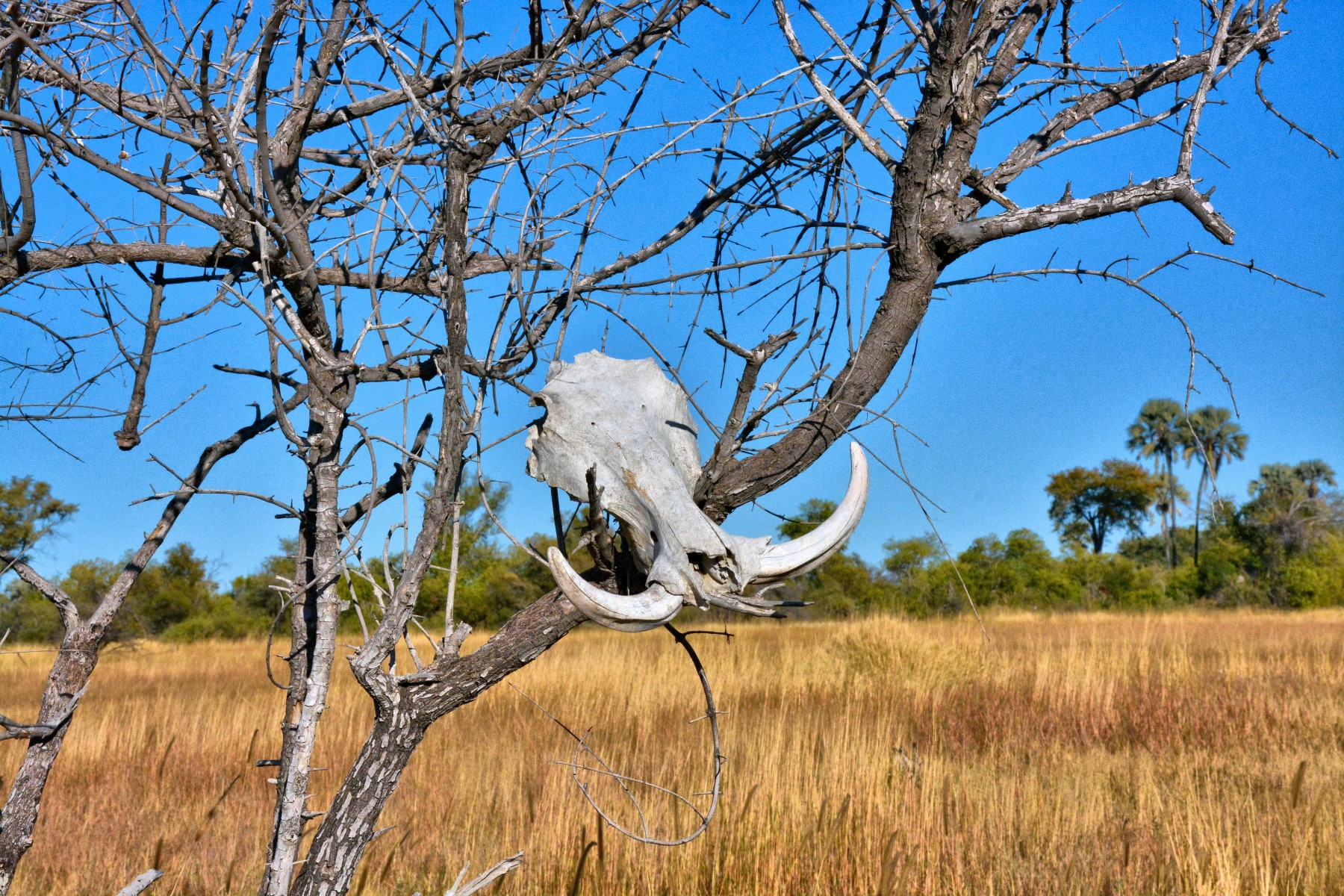
And speaking of safari—yes, this update means you can now go on one in Botswana with your boyfriend without the legal system acting like it needs to third-wheel your trip.
From “illegal” to “why was this law still here?”
The law in question was Section 164 of the Penal Code, a colonial leftover with a very dramatic title: “Unnatural Offences.” Which already tells you everything—you can practically hear the Victorian-era paperwork sighing.
RELATED: Pride Flag Goes Up in Flames, Lancaster Shows Hate Can’t Win
It criminalised same-sex intimacy with lines like “has carnal knowledge of any person against the order of nature,” which is doing a lot of euphemistic heavy lifting for something that is, in reality, just… two consenting adults.

Now? Deleted. Removed. Archived. Emotionally unsubscribed. The update was published by Attorney General Dick Bayford, who basically did the legal equivalent of cleaning out a drawer and finally throwing away a receipt from 1897.
The courts did the groundwork (and did not play around)
This wasn’t an overnight glow-up. The legal system had already been side-eyeing this law for years. Back in 2019, Judge Michael Leburu delivered what can only be described as a very calm judicial mic drop:
“Human dignity is harmed when minority groups are marginalised.”
In 2021, an appeal tried to revive the law. The courts essentially responded with a polite but firm “no,” and moved on. They also made it very clear:
“Personal autonomy on matters of sexual preference and choice must, therefore, be respected.”
“Any criminalisation of love or finding fulfilment in love dilutes compassion and tolerance.”
Translation: love is not a crime, please behave accordingly.
The fine print finally got fine-tuned
According to reporting from Mamba Online, the government officially removed the offending parts of Section 164 in March, specifically paragraphs (a) and (c).
Those were the sections that criminalised anything “against the order of nature.” What remains in the law now is focused only on bestiality-related offences—so the “natural vs unnatural” debate has been… significantly simplified.
LGBTQ+ community: “We notice. And we’re not done.”
LGBTQ+ advocacy group LeGaBiBo welcomed the change, basically saying: yes, this matters, and yes, we still have work to do. They called it a signal that queer people “are not criminals” and deserve protection. They also added something more grounded and real:
“For many, these provisions were not just words on paper – they were lived realities. They affected access to healthcare, safety, employment, and the freedom to love and exist openly.”
Which is a reminder that outdated laws don’t always stay theoretical—they tend to show up in real life, uninvited.
Still on the to-do list: marriage equality
Before anyone declares “the end of the story,” there’s still another chapter in progress.

A same-sex couple, Bonolo Selelo and Tsholofelo Kumile, are currently challenging the country’s Marriage Act, arguing it discriminates by denying them the right to marry. The case returns to court in July.
So yes, decriminalisation is done—but equality is still in the queue, waiting its turn like everyone else at a very slow government office.
The bigger picture (minus the legal dust)
What makes this moment interesting is how un-dramatic it actually looks. No fireworks. No dramatic constitutional rewrite montage. Just a legal system finally catching up to a reality the courts already acknowledged years ago. It’s less “sudden revolution,” more “we finally updated the software we ignored for too long.”
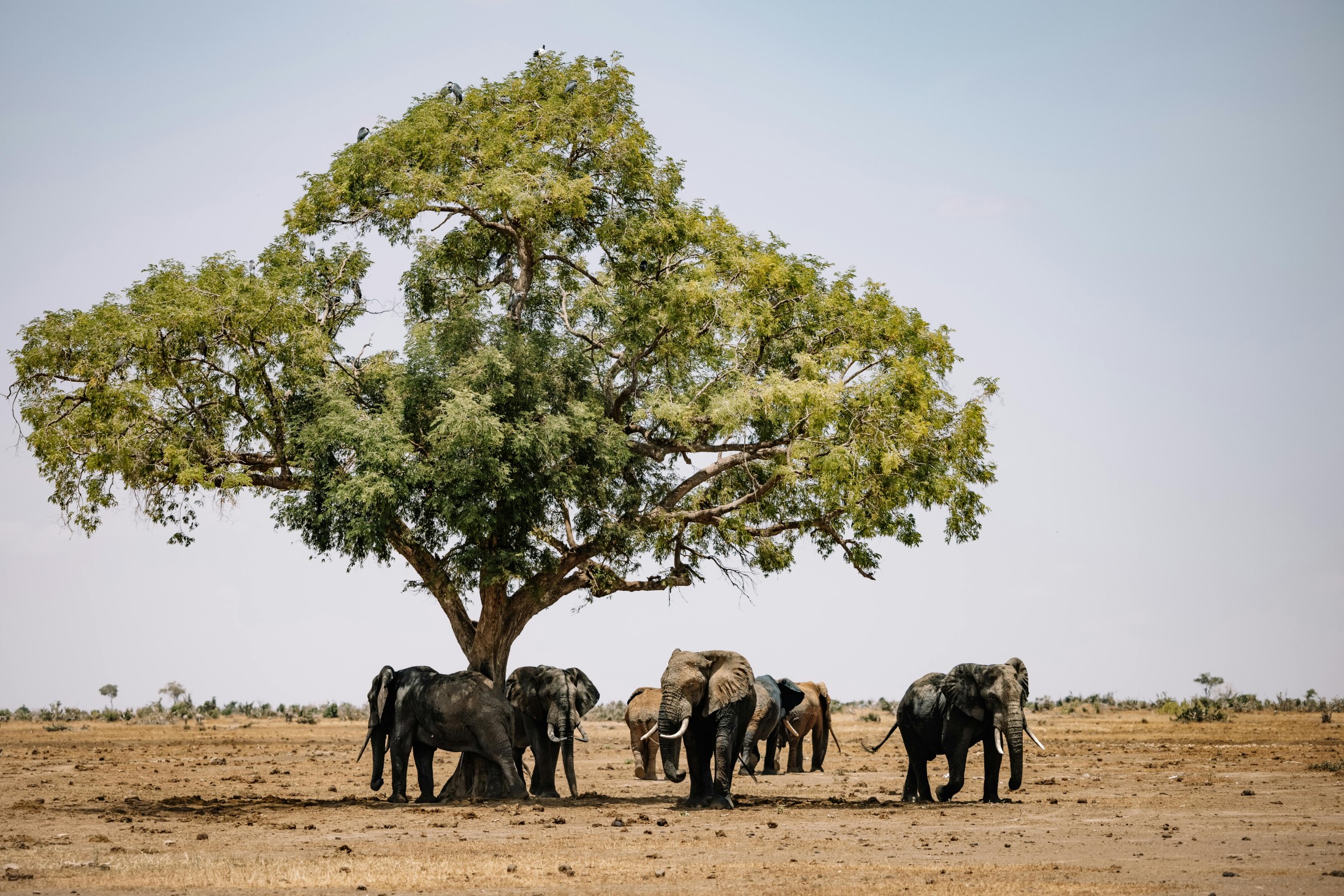
And for LGBTQ+ travelers, couples, and locals alike, it means something simple but meaningful: Botswana’s safaris are still full of lions—but your relationship is no longer one of the things being hunted.