


For many people living with HIV, treatment medications is a daily routine that can’t be skipped. Antiretroviral therapy has transformed HIV from what was once considered a life-threatening diagnosis into a manageable chronic condition for millions of people around the world. But remembering to take pills every single day can still be challenging.
Fortunately, advances in HIV treatment are making that routine a little easier. Long-acting medications—some taken monthly or even less frequently—are becoming an increasingly promising option for people who struggle with daily pills.
RELATED: This $40 Injection Could Rewrite the Future of HIV Prevention
How HIV Treatment Has Evolved
The progress made in HIV care over the past few decades is remarkable. In the early years of the epidemic, treatment options were limited and often difficult to tolerate. Today, modern antiretroviral therapy allows many people living with HIV to achieve viral suppression and live long, healthy lives.
However, adherence to medication is essential. Missing doses can allow the virus to replicate and potentially lead to treatment failure.
Researchers have long been interested in ways to make HIV treatment easier to follow. One promising solution: medications that remain active in the body for longer periods of time.

What Are Long-Acting HIV Medications?
Long-acting HIV medicines are designed to stay in the body much longer than traditional oral drugs. Instead of taking pills every day, patients receive injections that release medication gradually over time.
Because the drugs remain in the bloodstream longer, patients can take them far less frequently. For many people living with HIV, this approach reduces the stress of remembering daily medication.
These therapeutic regimens are administered by healthcare providers during scheduled appointments, rather than taken at home like standard pill regimens.
What Options Are Available?
As of 2025, several long-acting medications have been approved in the United States for HIV prevention or treatment.
One of the most widely known is Cabenuva, which combines the medications cabotegravir and rilpivirine. This treatment is typically administered once every one or two months.
Another option is Sunlenca, which contains lenacapavir and may be given as infrequently as every six months.

Other treatments include Trogarzo, which uses ibalizumab and is usually administered every two weeks.
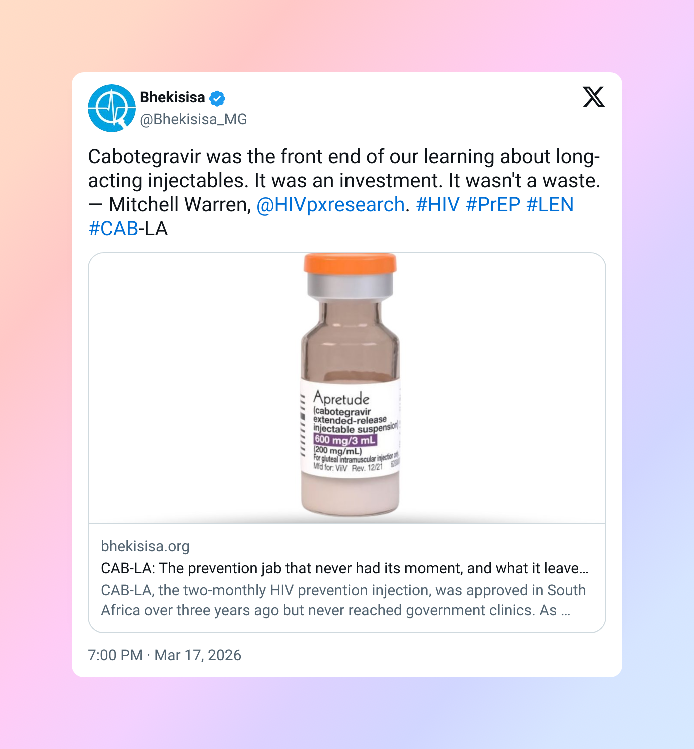
There are also preventive medications, such as Apretude, another cabotegravir-based injection used for pre-exposure prophylaxis (PrEP).
These options offer different schedules depending on a patient’s treatment needs.
New Research Highlights the Benefits
Recent research is also helping doctors better understand who might benefit most from long-acting HIV therapy.

A study led by researchers at the University of Alabama at Birmingham examined people living with HIV who had difficulty sticking to daily oral medication. The project, part of a global clinical trials network studying infectious diseases, explored whether long-acting injectable treatments could improve outcomes.
The findings, published in the New England Journal of Medicine, suggested that injectable therapies using cabotegravir and rilpivirine were more effective at preventing treatment failure in people who had struggled with daily adherence.
Experts note that medication adherence remains one of the biggest barriers to effective HIV treatment. Studies estimate that only about two-thirds of people living with HIV in the United States consistently maintain viral suppression through oral therapy.
Should You Switch?
While long-acting treatments are exciting, they are not the right choice for everyone. Some people do well with their current HIV regimen and may not need to change anything. Others may not tolerate certain medications or may prefer the flexibility of pills rather than clinic visits for injections. That’s why healthcare providers emphasize one key message: talk to your doctor before making any decisions.
Long-acting therapies represent another powerful tool in the fight against HIV, and they offer new possibilities for patients who need additional support staying on treatment. For the LGBTQ community—historically one of the groups most affected by HIV—these innovations are yet another reminder of how far treatment and research have come.
REFERENCE: NIH, University of Alabama at Birmingham