


Karamo Brown has always been Queer Eye‘s emotional MVP. Nobody finishes an episode talking about the throw pillows. Sure, the home makeover is gorgeous, the haircut is immaculate, and the wardrobe gets a glow-up worthy of its own standing ovation. But the moment everyone remembers is usually when somebody cracks open emotionally—and suddenly the entire group, plus half the audience at home, is crying into a sleeve.
RELATED: Tan France Reminds Us That Every LGBTQ Journey Looks Different
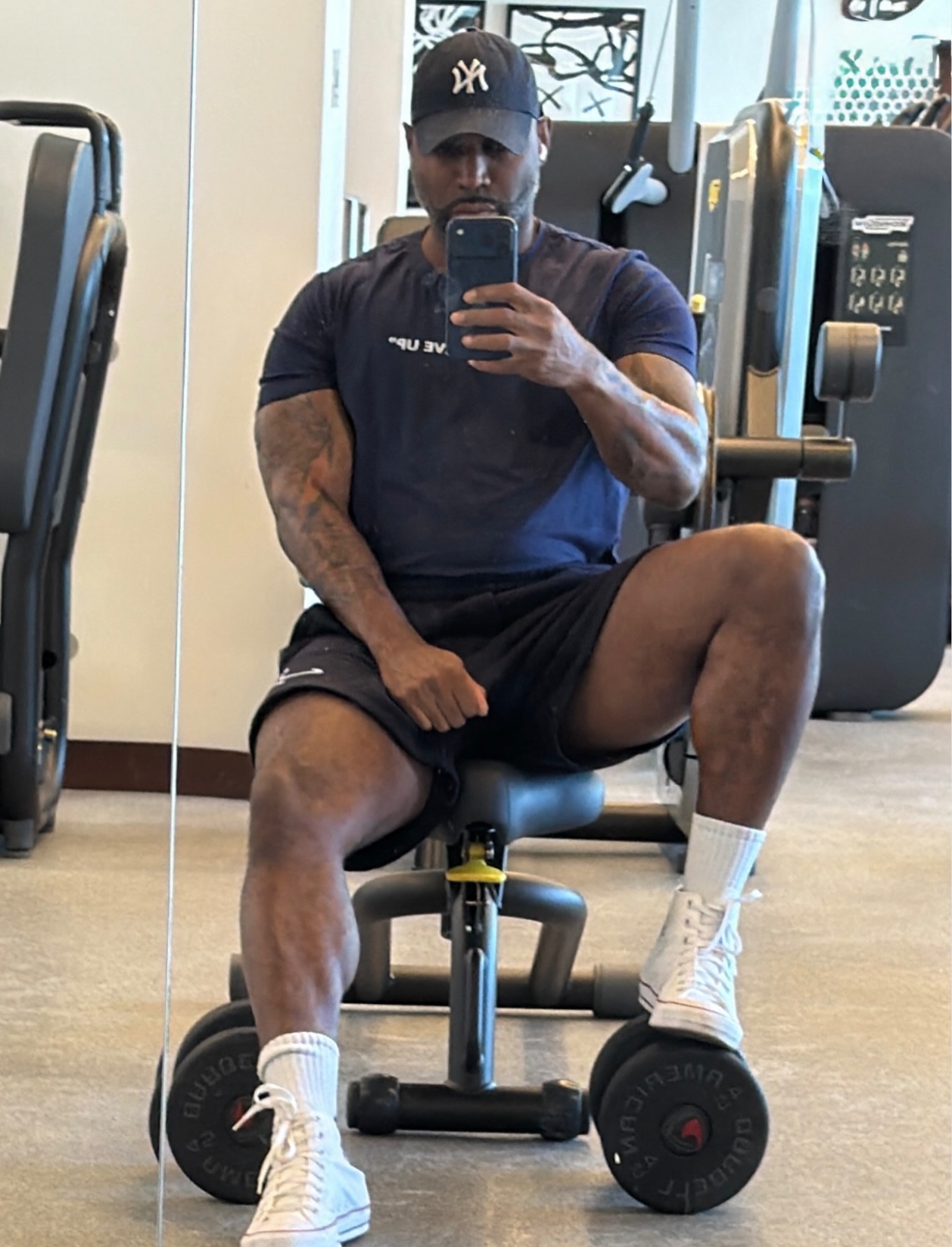
According to Karamo Brown, those emotional breakthroughs almost cost him his place on the show.
The Queer Eye star is pulling back the curtain on the early days of Netflix’s beloved makeover series, claiming he was once threatened with being fired because he kept pushing conversations beyond small talk. Ironically, he says those same heartfelt moments eventually became the very identity of the show.
Karamo Brown says the tears almost got him fired
Speaking at ViewerCon, Brown recalled what he described as an explosive confrontation with an unnamed executive during the first season of Queer Eye, according to the Daily Mail. After one participant became emotional, Brown says an executive stormed into his trailer in front of dozens of people.
RELATED: Karamo Brown Breaks Silence on Fab Five Fallout: “Enough Is Enough”
“On my show, season one, episode two, I had made the person cry. And it’s now become something part of… People know I’m going deep… get to the core of it.
“And there was a white executive that came into the trailer in front of like 25 people and said, “If you make one more mother-f****** person cry, you are f****** fired! You are worthless… you ain’t got… don’t you f****** do it! You are f****** nothing!
“I can talk about this… because everyone has confirmed it. They said, ‘Yeah, we were there.’ And he said, ‘If you do this one more time, I promise you, you are f****** never going to work in this town again.’
“And so I said, ‘Well, listen, I got to just do what I do.’ If you think you have that much power to [not have] me work in town, then I’m not in the right business because you don’t ordain my step. So… I gotta do what I do.
“And I went back to set and I did it again. And the person cried and the person cried and they were p*****.”
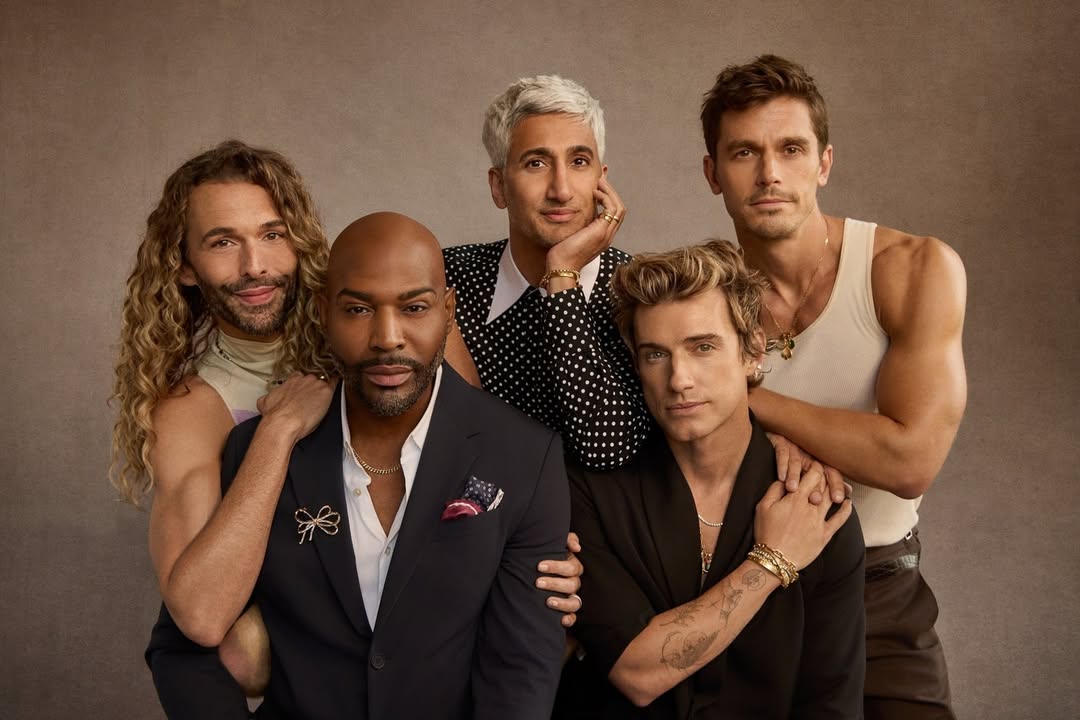
For LGBTQ fans, that’s almost impossible to picture. Asking Karamo not to dig into someone’s feelings is like asking Jonathan Van Ness to skip the pep talk or asking Antoni Porowski to ignore the kitchen. It’s not just part of the formula—it is the formula.
Hollywood changed its tune
If Brown’s account is accurate, the irony writes itself. He says executives initially wanted fewer emotional scenes and even tried cutting those moments from the show. But audiences didn’t simply fall in love with stylish renovations or perfectly tailored jackets. They connected with vulnerability, second chances, and watching people realize they deserved happiness.
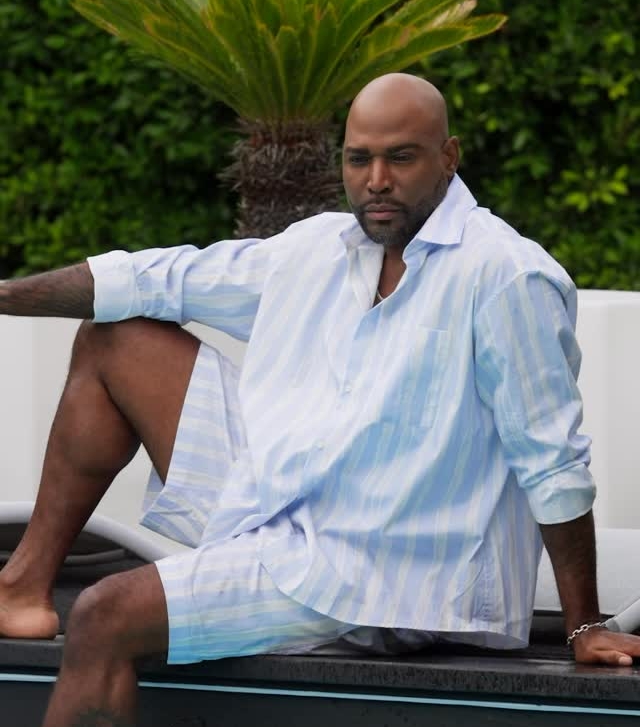
Then came season two, when the emotional storytelling that had reportedly been discouraged suddenly became something worth celebrating.
Brown said:
“After being told not to make people cry, after them trying to cut it out, season two came out and the billboards all read, ‘We’re not crying, you are.’ And then from season two on, every network conversation was, ‘How do we get this to be more emotional? How do we get to the heart?’
“We won Emmys off of this idea that we can get to the heart. Which is what they fought against every day publicly, not just privately, me not doing.
“That breaks you down because… even though you’re trying to be strong, you have people trying to tell you to question yourself. That’s what hurt so much because I knew that I was doing right, I knew I was being true but then I had people telling me that I was not worth it.”
It’s a classic case of television discovering that authenticity sells. The very approach Brown says drew criticism during production ultimately became one of Queer Eye‘s defining strengths—and one viewers came to expect every episode.
The final season still has fans asking questions
Brown’s latest comments also arrive months after fans noticed he was missing from promotional appearances for Queer Eye‘s final season.

While Antoni Porowski, Jonathan Van Ness, Tan France, and Jeremiah Brent participated in interviews celebrating the show’s farewell, Brown was absent from the promotional circuit. He had been scheduled to appear on CBS Mornings but later withdrew, sharing a statement that read:
“I hope everyone remembers the main theme I have tried to teach them over the past decade, which is to focus on and to protect their mental health/peace from people … who seek to destroy it.”
Brown didn’t directly connect that message to the experience he described at ViewerCon, but together they paint a more complicated picture of life behind one of Netflix’s biggest feel-good hits.
Maybe that’s the biggest twist of all. Viewers spent years watching strangers discover confidence, forgiveness, and hope in front of the cameras, while one of the show’s stars now says he was fighting to preserve the very emotional honesty that made those moments unforgettable.
If nothing else, Brown’s story is a reminder that sometimes the scenes executives worry about the most end up becoming the ones audiences remember forever.
What do you think? Were Karamo’s emotional conversations always the heart of Queer Eye, or do you think reality TV can sometimes go a little too deep in pursuit of a breakthrough?