

Asylum fears and questions rippled through LGBTQ communities as the first week of 2026 became a sobering one for many Americans, following the fatal shooting of a woman during an Immigration and Customs Enforcement operation in south Minneapolis. On January 7, federal agents shot and killed Renée Nicole Good, a 37-year-old writer, poet, wife, and mother, during what the Department of Homeland Security described as a major immigration enforcement surge in the city.
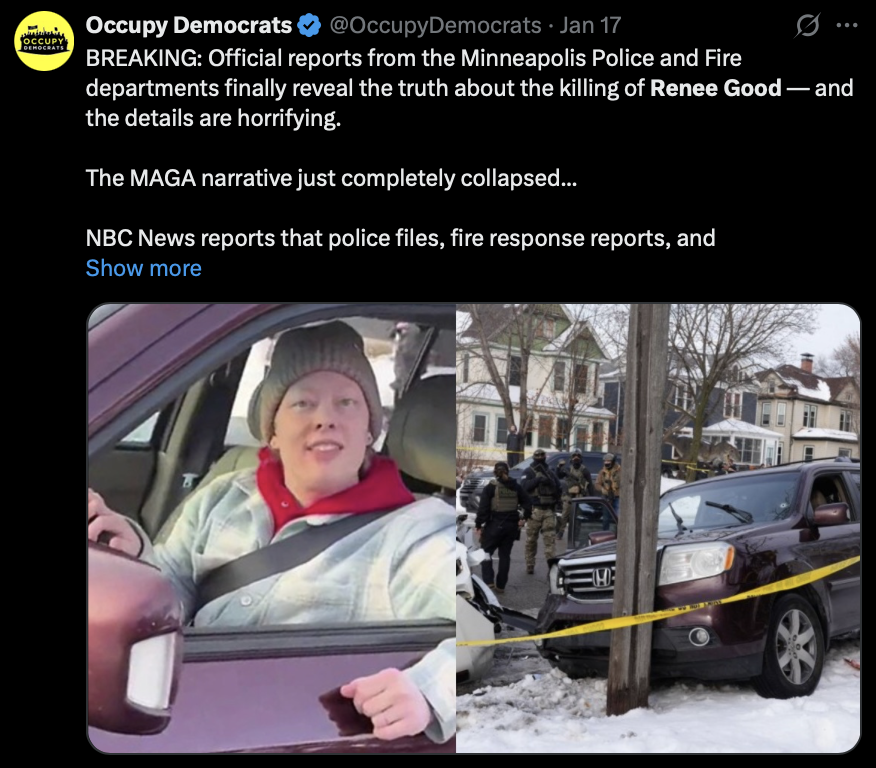
Good was killed near East 34th Street and Portland Avenue. Federal officials have said the ICE agent involved acted in self-defense, alleging that Good’s vehicle was used as a weapon against officers. Authorities have gone as far as characterizing the incident as an act of domestic terrorism, a description that has fueled widespread debate and public scrutiny.
Online, the response was immediate and visceral. In video footage that circulated widely across social media platforms, a woman identified as Good’s wife can be seen sitting in the snow with their dog, shaking and crying as she recounts the moments after the shooting. Her anguished words—describing how her wife was shot while they were filming the encounter—became a rallying point for grief, anger, and fear.
Who Renée Nicole Good Was
Renée Nicole Good was not a public figure, but her life resonated with thousands once her name and story became known. Her online biography described her as “a wife and mom and sh-tty guitar strummer from Colorado,” punctuated by a pride flag emoji. That small detail—casual, funny, and unapologetically queer—struck a chord.
ICE agents wouldn’t even allow a doctor to go check the pulse of the Renee Nicole Good whom they had shot in Minneapolis.
DOCTOR: Can I go check her pulse?”
ICE: NO!
DOCTOR: I’m A physician!
ICE: I Don’t Care!
These are the monsters of Trump‘s America. pic.twitter.com/HWP1XWV7Zr
— Ed Krassenstein (@EdKrassen) January 7, 2026
To many LGBTQ people, Good represented something painfully familiar: a normal life lived openly, intersecting suddenly and violently with systems of power. The fact that she was killed during a federal immigration operation, regardless of her own immigration status, intensified the sense of vulnerability felt by many queer Americans watching from afar.
RELATED: Dog Killer Noem Glorifies Murder of Woman Who Was Waving ICE Agents Along
Fear, Visibility, and a Surge in Asylum Searches
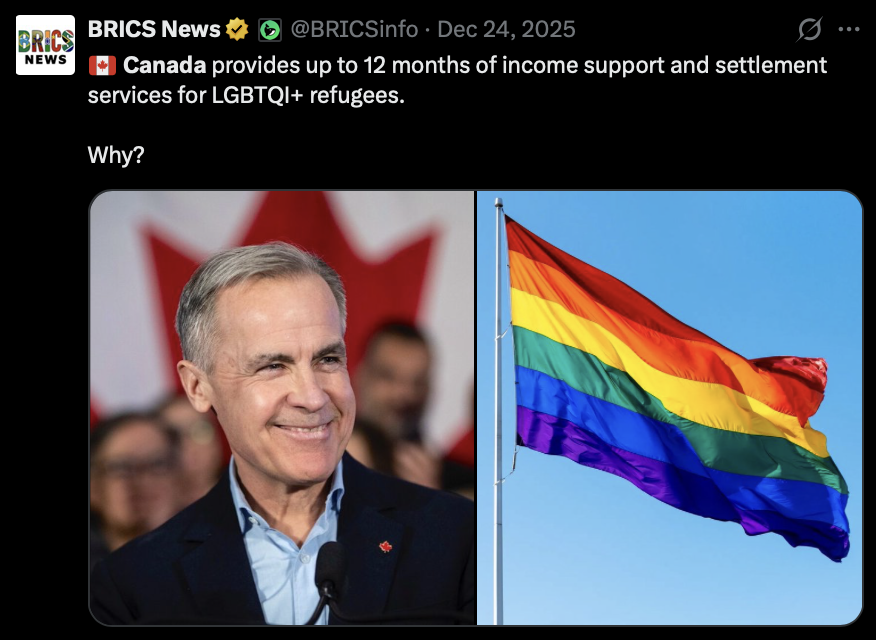
In the days following the shooting, Pink News first reported a sharp increase in Google searches for the phrase “LGBTQ asylum Canada.” The spike reflected something deeper than momentary panic. It pointed to a growing anxiety within LGBTQ communities about safety, stability, and the future.
This rise in asylum-related searches also coincided with troubling data from GLAAD’s ALERT Desk, which tracks anti-LGBTQ hate and extremism across the United States. According to GLAAD, between May 1, 2024 and May 1, 2025, the organization documented 932 anti-LGBTQ incidents across 49 states and Washington, D.C.—an average of more than two incidents per day. Those incidents included violent attacks that resulted in 84 injuries and 10 deaths.
For many queer Americans, the Minneapolis shooting did not feel like an isolated tragedy. It felt like another data point in an increasingly hostile environment.
 Source: Aflo Images | Canva.com
Why Asylum Is Entering the Conversation
Asylum, in its most basic sense, means asking another country for protection because returning home is unsafe. In Canada, claiming asylum involves requesting refugee protection on the grounds of persecution, torture, threats to life, or cruel and unusual treatment.
The growing interest in asylum among LGBTQ Americans does not mean that mass migration is imminent. Instead, it reflects a psychological shift. When people begin researching asylum options, it often signals a loss of confidence that their own country can—or will—protect them.
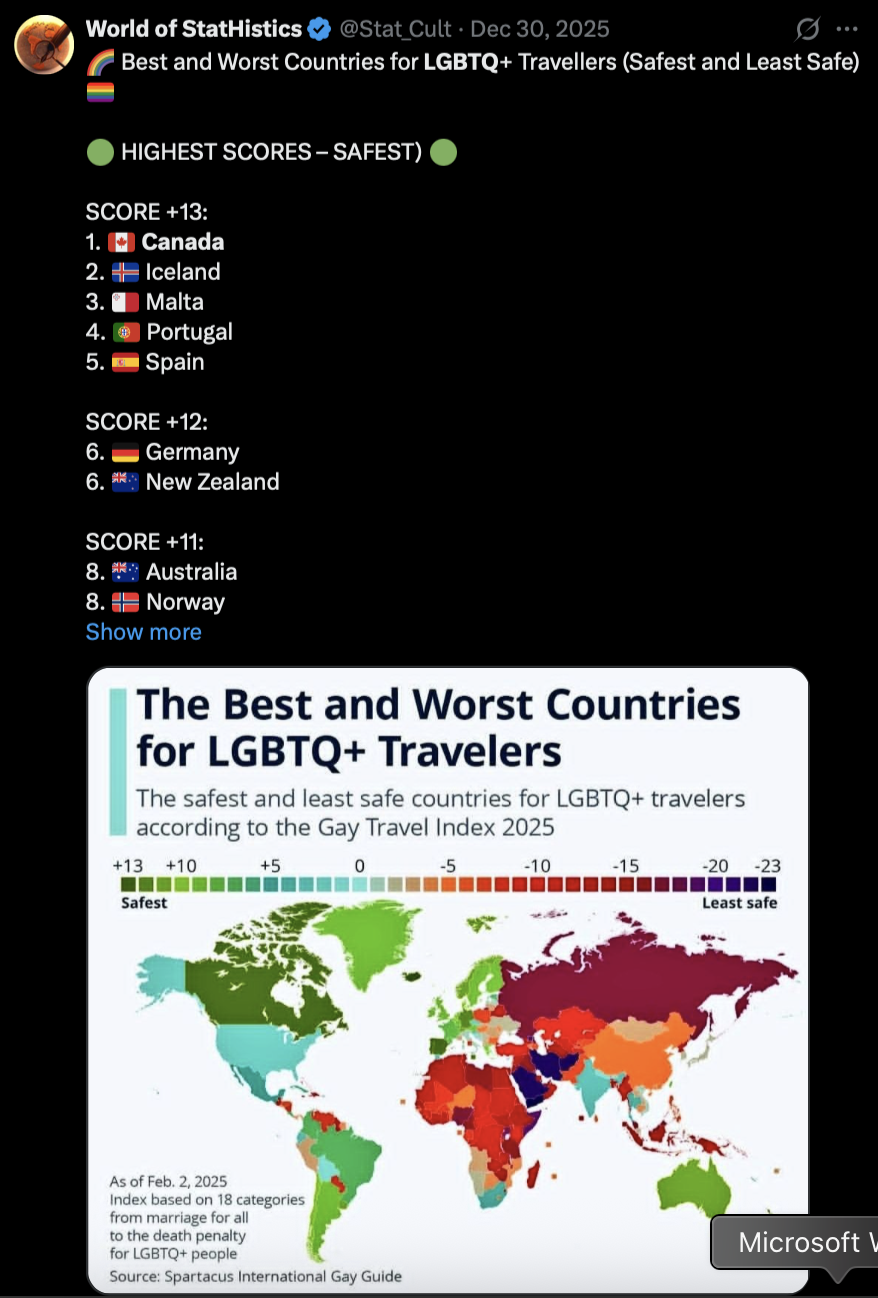
Canada has long been perceived as more LGBTQ-affirming, with federal protections and a refugee system that recognizes persecution based on sexual orientation and gender identity. For queer Americans watching reports of rising violence, political hostility, and aggressive enforcement tactics, the idea of asylum has moved from abstract concept to Google search.
The Emotional Weight of Safety Questions
What makes this moment particularly heavy is that LGBTQ Americans are not newcomers to fear. Many grew up hearing stories of police raids, government indifference during the AIDS crisis, and laws that criminalized their existence. For some, the Minneapolis shooting reopened generational wounds.
Entertainment and culture often reflect these anxieties before policy does. In queer spaces online, discussions about asylum are not framed as dramatic exits but as contingency planning. They are conversations about survival, family, and what it means to feel safe in one’s own skin.
Where This Leaves the Community
The death of Renée Nicole Good has become more than a news story. It has become a symbol of how quickly life can change—and how vulnerable marginalized communities can feel when state power intersects with everyday life.
The increase in asylum-related searches does not mean LGBTQ Americans are giving up on their country. It means they are asking hard questions about protection, accountability, and whether visibility still comes with an unacceptable cost.
As 2026 unfolds, those questions are unlikely to disappear. And neither is the demand—for safety, for justice, and for a future where searching for asylum is not something queer Americans feel compelled to consider at all.
REFERENCE: Pink News, GLAAD