


Defense Secretary Pete Hegseth announced on July 16 that the Department of Defense will launch what he dubbed the “High-T Department of War,” a new initiative aimed at screening active duty service members for testosterone deficiency. As of this writing, the announcement video has amassed more than 16 million views, proving that few things capture the internet’s attention quite like government sanctioned discussions about hormones.
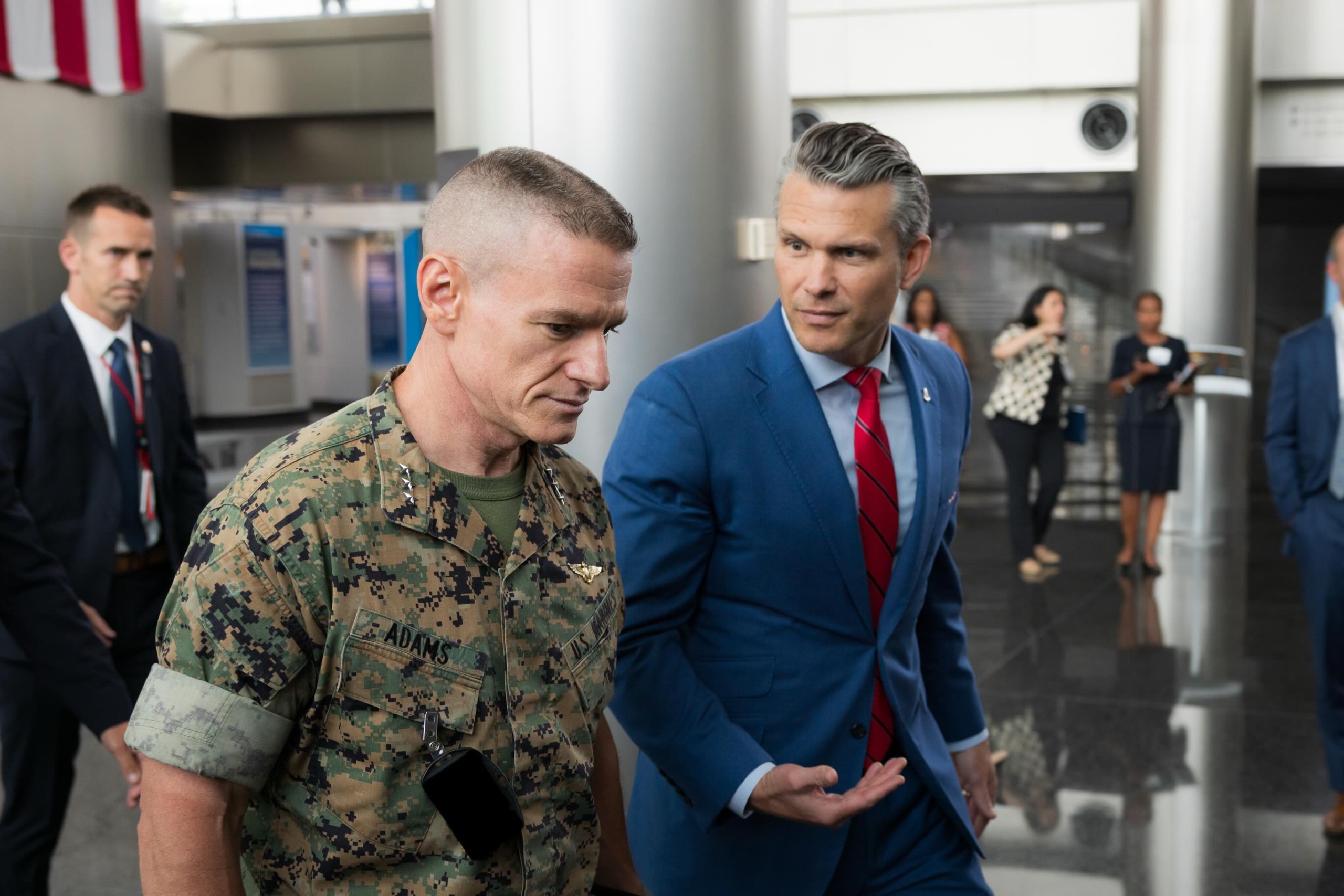
According to Hegseth, the Trump administration has already invested heavily in military hardware. The next frontier, he says, is the “individual war fighter.”
“To meet this commitment today, I’m authorizing a screening program for testosterone deficiency for our service members,” Hegseth said, adding that the goal is to ensure troops are operating at their “absolute best” in terms of performance, resilience, and long term health.

RELATED: Hegseth’s Holy War: How a Top Defense Official’s Urging for a Theocratic America
A New Hormone Policy for Service Members
Under the program, active duty service members aged 30 and older will receive annual testosterone screenings as part of routine health assessments. Younger personnel may also request testing. Those diagnosed with a deficiency may voluntarily pursue testosterone replacement therapy if recommended by a medical provider.
The High-T Department of War. pic.twitter.com/hlAUq3j2cD
— Secretary of War Pete Hegseth (@SecWar) July 15, 2026
Hegseth emphasized that the initiative is “not about artificial enhancement.”
That statement, naturally, has become part of the conversation.
After all, testosterone replacement therapy is hormone therapy. Medically prescribed, physician supervised hormone therapy.
Revisiting the Military’s Stance on Trans Troops
The irony is difficult to ignore.
Last year, the Trump administration moved to remove approximately 1,000 openly transgender service members from the military following the Pentagon memorandum titled “Prioritizing Military Excellence and Readiness.” The administration argued that individuals with gender dysphoria were not consistent with the standards required for military service and cited readiness and national security concerns.
For the transgender troops facing removal from the military by the Trump administration, the end of their service means losing careers, livelihoods and benefits they and their family rely on.
“It would be absolutely devastating,” said U.S. Army Maj. Erica Vandal, who’s been… pic.twitter.com/lRHScjmaRP
— PBS News (@NewsHour) May 14, 2025
At the same time, administration officials have repeatedly raised concerns about the cost of gender affirming care.
The Secretary of Forever Wars, Pete Hegseth, just announced they are going to provide hormone therapy to male service members who don’t have enough testosterone.
Let’s be clear: This is gender affirming care and it completely debunks all of Republicans’ attacks on trans people. pic.twitter.com/HBiAEYFY98
— Rep. Pramila Jayapal (@RepJayapal) July 15, 2026
According to reporting by The New York Times, the federal government estimated military spending related to gender dysphoria care at approximately $52 million between 2015 and 2024. While not an insignificant figure, it represents a fraction of overall military spending, which is measured in the hundreds of billions annually.
Hormones, Politics, and Military Readiness
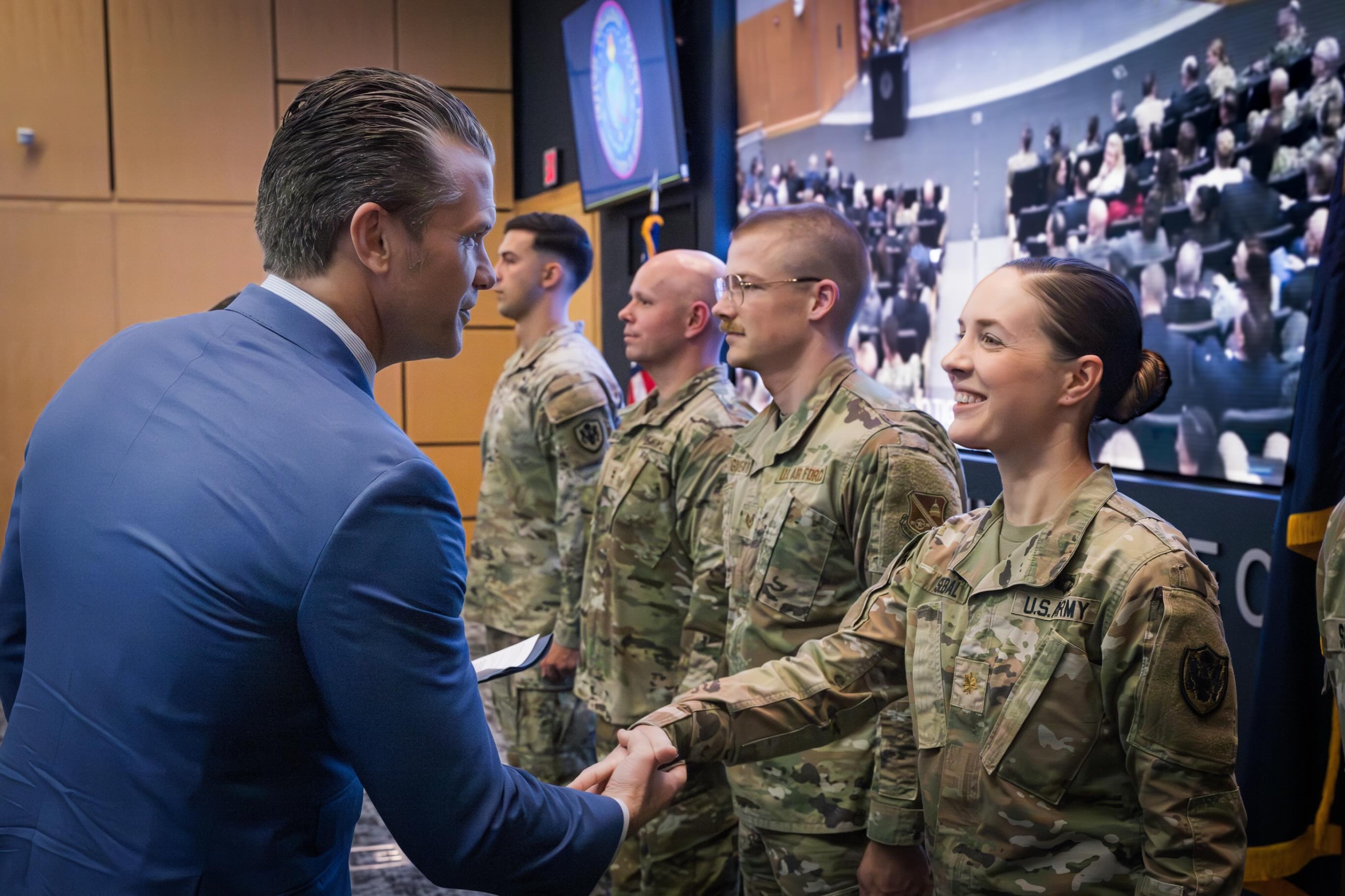
The discussion surrounding Hegseth’s announcement isn’t necessarily about whether testosterone replacement therapy has legitimate medical uses. It absolutely does.
Instead, critics are pointing to a broader question: when does hormone therapy become acceptable?
For transgender service members seeking medically supervised treatment, the answer from the administration has often been framed around cost, readiness, and military effectiveness. For cisgender troops with low testosterone levels, the conversation appears to center on optimization, resilience, and providing “the absolute best medical care in the world.”
“We owe our warriors the absolute best medical care in the world, and this program delivers on that obligation,” Hegseth said.
It’s a statement many would agree with.
The debate, however, is over which warriors get access to that care and which hormones are deemed worthy of government support.
Apparently, in Washington, not all hormones are created equal.
Petey and Donnie’s recurring fascination with young, handsome, muscular and ‘virile’ men – and in Petey’s case, his desire to be in charge of them – borders on sexual fetish.
MAGA crowd not bright enough to notice.