


Elon Musk’s xAI is challenging a new law designed to combat nonconsensual nude deepfakes, setting the stage for a broader debate about consent, innovation, and free speech.
Artificial Intelligence is at the center of a growing legal battle after Elon Musk’s artificial intelligence company, xAI, filed a lawsuit challenging Minnesota’s newly enacted Nudification Law.
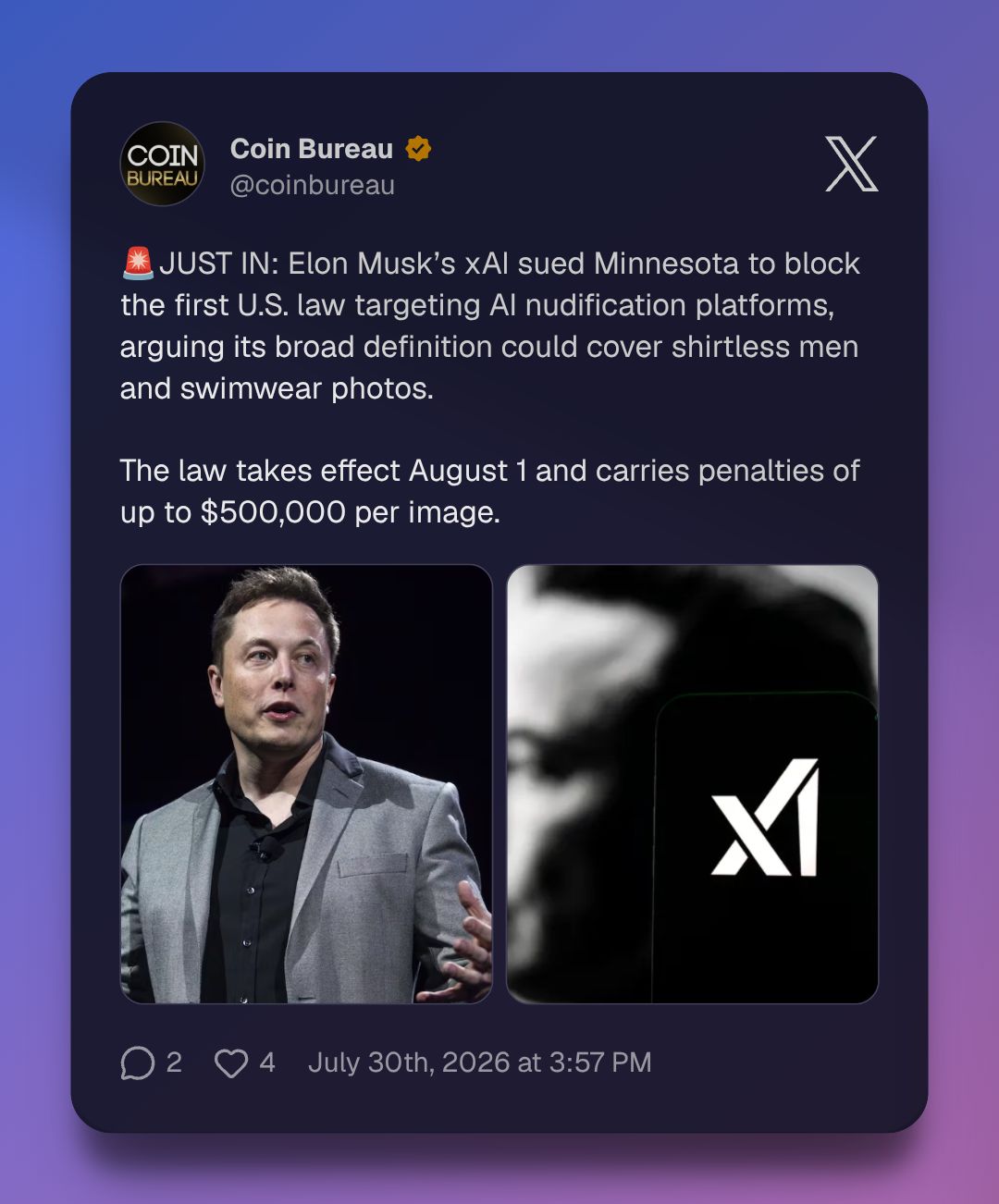
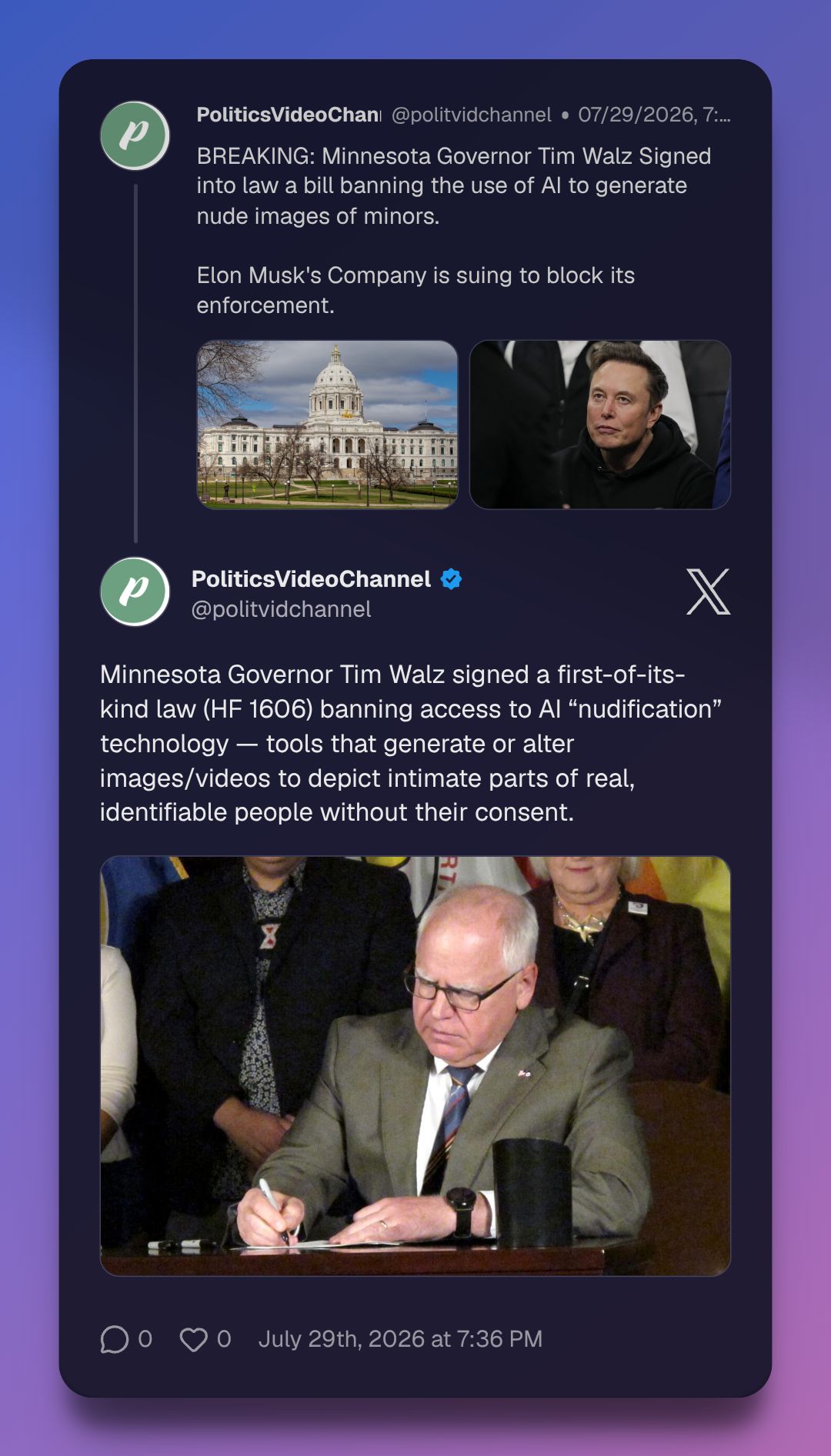
The law, known as HF 1606, takes effect on August 1, 2026, and prohibits companies from allowing users to access tools that create or alter images and videos into nonconsensual nude depictions of people. It also establishes significant penalties for violations, including civil fines of up to $500,000 each time prohibited content is generated using a company’s technology. Individuals depicted in such images may also bring legal action against the company providing the tool.
Minnesota Attorney General Keith Ellison has been named as the defendant in the lawsuit in his official capacity, as HF 1606 specifically grants his office the authority to enforce the law.

RELATED: Elon Musk Rejected by ChatGPT Founder: “OpenAI is Not For Sale”
Protecting Consent in the Age of AI
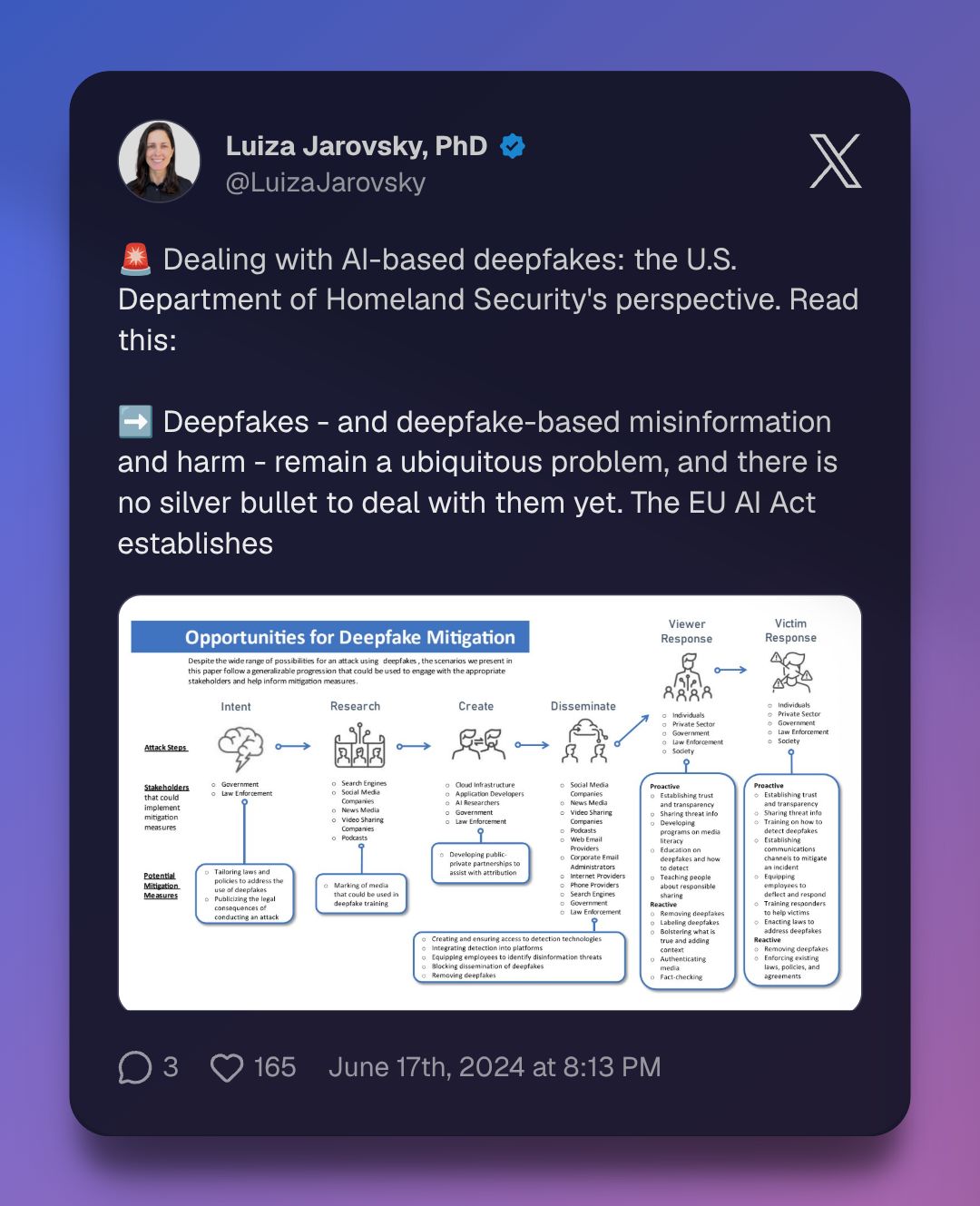
The legislation reflects growing concerns surrounding “nudification” technology, which uses artificial intelligence to digitally remove clothing or create pornographic deepfakes of real people without their consent.
In recent years, lawmakers worldwide have grappled with how to regulate rapidly advancing AI technologies while protecting victims of nonconsensual explicit imagery. Public figures, celebrities, and private citizens alike have increasingly found themselves targeted by deepfake abuse.
HF 1606 broadly prohibits companies that own or control websites, applications, software, or other services from allowing users to access tools capable of generating images prohibited under the statute, including creating such content on behalf of users.
Why Musk’s Company Is Suing
xAI argues that Minnesota’s law goes far beyond its stated purpose.
In its lawsuit filed in the U.S. District Court in Minnesota, the company describes HF 1606 as “an overbroad, content-based ban on free speech and the tools of visual expression” that extends protected speech into the law’s reach.
Importantly, xAI does not dispute Minnesota’s interest in prohibiting the creation and dissemination of nonconsensual nude images of real people.
The company states that it already strictly prohibits users from generating nude or sexualized images of individuals without consent. According to the filing, xAI has previously taken legal action against users who deliberately circumvent its technological safeguards to create prohibited content.
Instead, the lawsuit focuses on the scope of the law itself and whether companies can or should be held liable when users misuse AI tools despite existing restrictions.
A Larger Conversation About Artificial Intelligence
At the center of the case is Grok Imagine, xAI’s image and video generation model that allows users to create and edit visual content from text prompts and supplied images. The technology has applications ranging from product demonstrations and virtual clothing try-ons to political satire and creative projects.
The case highlights one of the defining questions of the AI era: where should lawmakers draw the line between protecting individuals from harm and regulating the technologies themselves?
There is little disagreement that consent matters. The debate now unfolding in Minnesota is whether HF 1606 strikes the appropriate balance between safeguarding people from deepfake abuse and preserving legitimate uses of artificial intelligence.
Ultimately, that question may now be answered in court.