


Rami Malek spent years recovering from the psychic experience of transforming into Freddie Mercury for Bohemian Rhapsody, only for Hollywood to slide another emotionally intense gay performer directly across his desk like, “One more thing before you go.” His response? Panic.
RELATED: Ricky Martin Escaped Tear Gas, Then Casually Kept Performing

“When I read the script, I said, ‘I can’t do this,’” Malek admitted while promoting The Man I Love at the Cannes Film Festival. “There’s too many similarities. It could be problematic.”
And honestly, he wasn’t wrong. Gay performer? Check. Singing? Check. AIDS-era heartbreak? Check. Existential emotional damage wrapped in artistic yearning? Extremely check. At a certain point even Malek had to look up at the universe and ask why he keeps getting assigned beautiful suffering.
RELATED: Plot in a Coffin? ‘Euphoria’ Just Delivered Its Most Brutal Death
Freddie Mercury apparently became Rami Malek’s inner therapist
Instead of running away from the role, though, Malek decided to interrogate why it scared him so much in the first place.
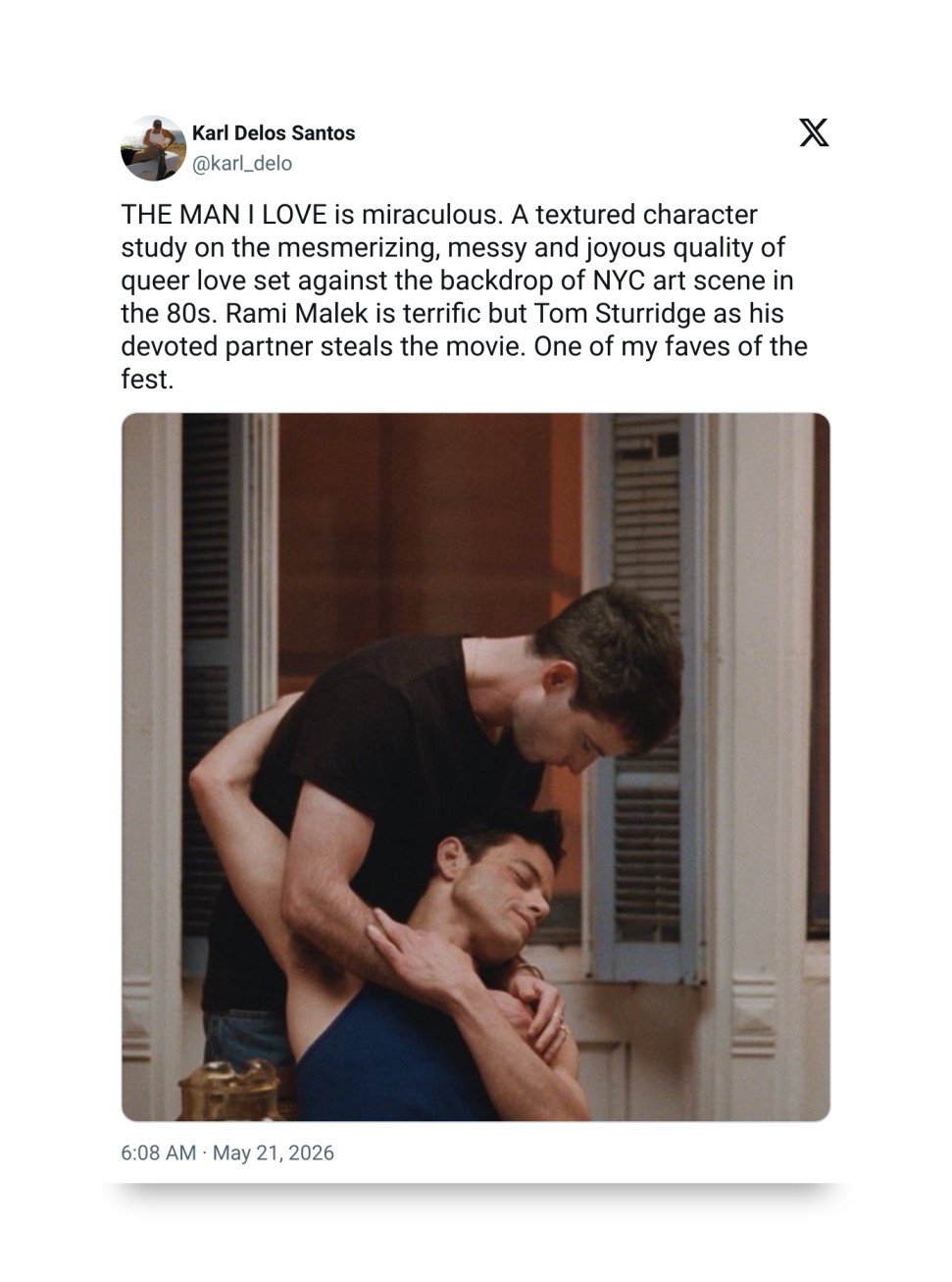
“There was a certain sense of fear,” he explained. “I started to really think about what I was afraid of. Was it the similarities? Was it the singing? Was it what was going on in the period? … I knew I had to address the fear. If there’s anything Freddie taught me, it was [to] address the fear.”
Imagine winning an Oscar and leaving with permanent emotional life advice from Freddie Mercury’s ghost. That’s method acting with side effects.
In the film, Malek plays Jimmy George, a downtown New York performance artist navigating love, art, intimacy, and survival during the AIDS crisis. Which means this movie was practically engineered in a lab to emotionally destroy gay film lovers who own at least one black turtleneck.
Jimmy George isn’t chasing stadium fame — he’s chasing vibes
One thing Malek made very clear is that Jimmy and Freddie are wildly different people underneath the surface similarities.
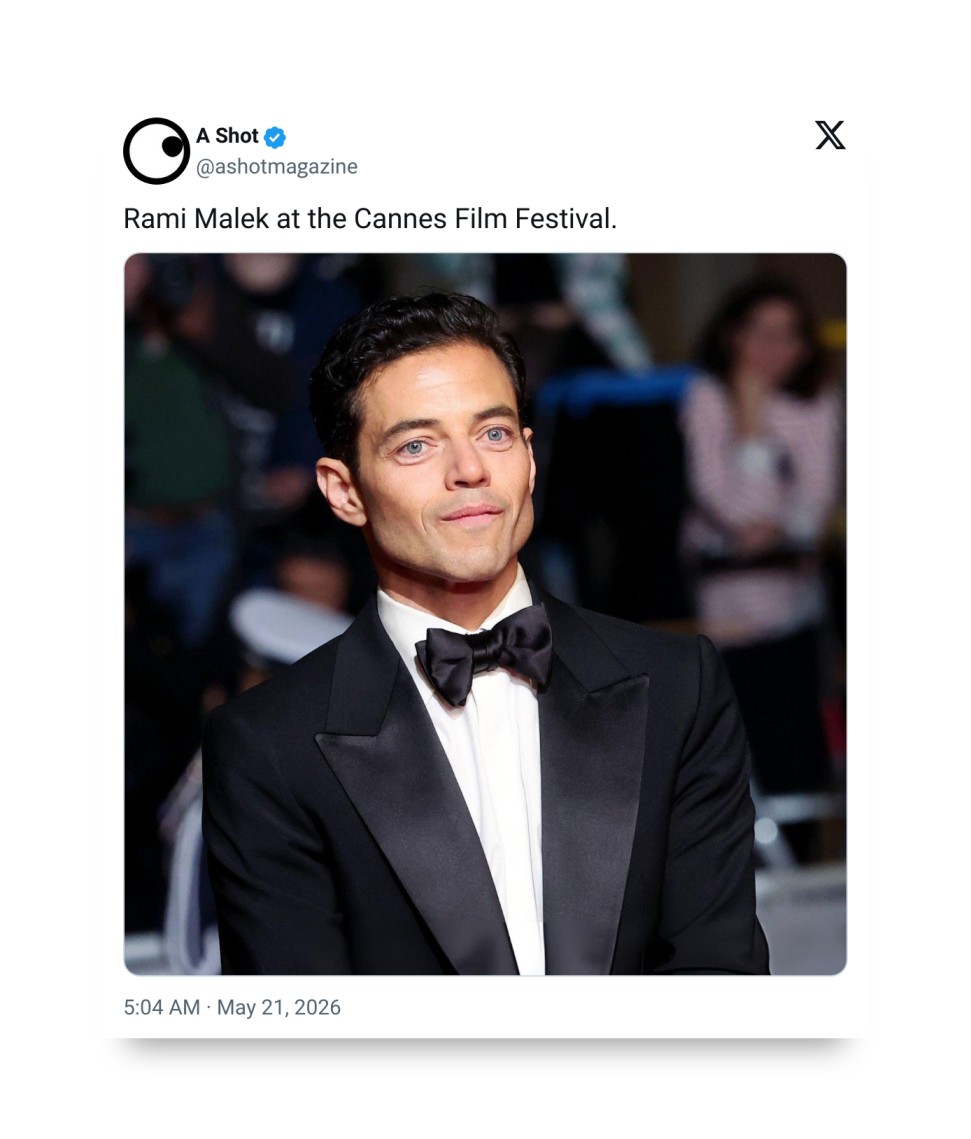
“You have an icon, a legend in Freddie, who really had a destination, whereas Jimmy is just searching for creativity and love and intimacy and joy and pleasure in every moment,” Malek said. “And he can sing. Does he sing as well as Freddie? No.”
Honestly? Respect the honesty. Not every gay man with emotional damage and a microphone needs to belt like Freddie Mercury. Some of them just want to make weird downtown art, fall in love, smoke dramatically in oversized coats, and spiral beautifully through 1980s Manhattan.
Director Ira Sachs leaned into that idea too, describing the era as a deeply local artistic scene rather than a fame machine.
“There was not this fantasy of globalization,” Sachs explained. “It was a very local time.”
Translation: Jimmy wasn’t trying to become a worldwide brand with a fragrance line and a Vegas residency. He wanted to impress the artist living down the hall. Very niche. Very tortured. Very gay.
The movie sounds devastating, but in a hot artsy way
According to Malek, the thing that fascinated him most about Jimmy was his absolute refusal to disappear.
“I kept thinking about this refusal, this stubborn refusal to disappear for Jimmy all throughout,” he said. “But predominantly, it’s about living.”
Rami Malek cries during an 8-minute standing ovation for his gay drama “The Man I Love” at #Canneshttps://t.co/ZToFIG1wrw pic.twitter.com/aBI1r8rzwe
— Variety (@Variety) May 20, 2026
And that’s probably why audiences at Cannes reportedly lost their minds over the film, giving it an eight-minute standing ovation. Because beneath the AIDS tragedy and artistic melancholy, The Man I Love seems obsessed with queer joy, messy intimacy, creative hunger, and the stubborn desire to keep living loudly while the world falls apart around you.
Basically, the film sounds emotionally brutal but also exactly the kind of thing gay audiences eat up while staring out a rainy window pretending they’re in an indie drama.
Rami Malek cried at Cannes and honestly that tracks
The standing ovation reportedly left Malek emotional, which feels understandable considering he nearly talked himself out of doing the film entirely.
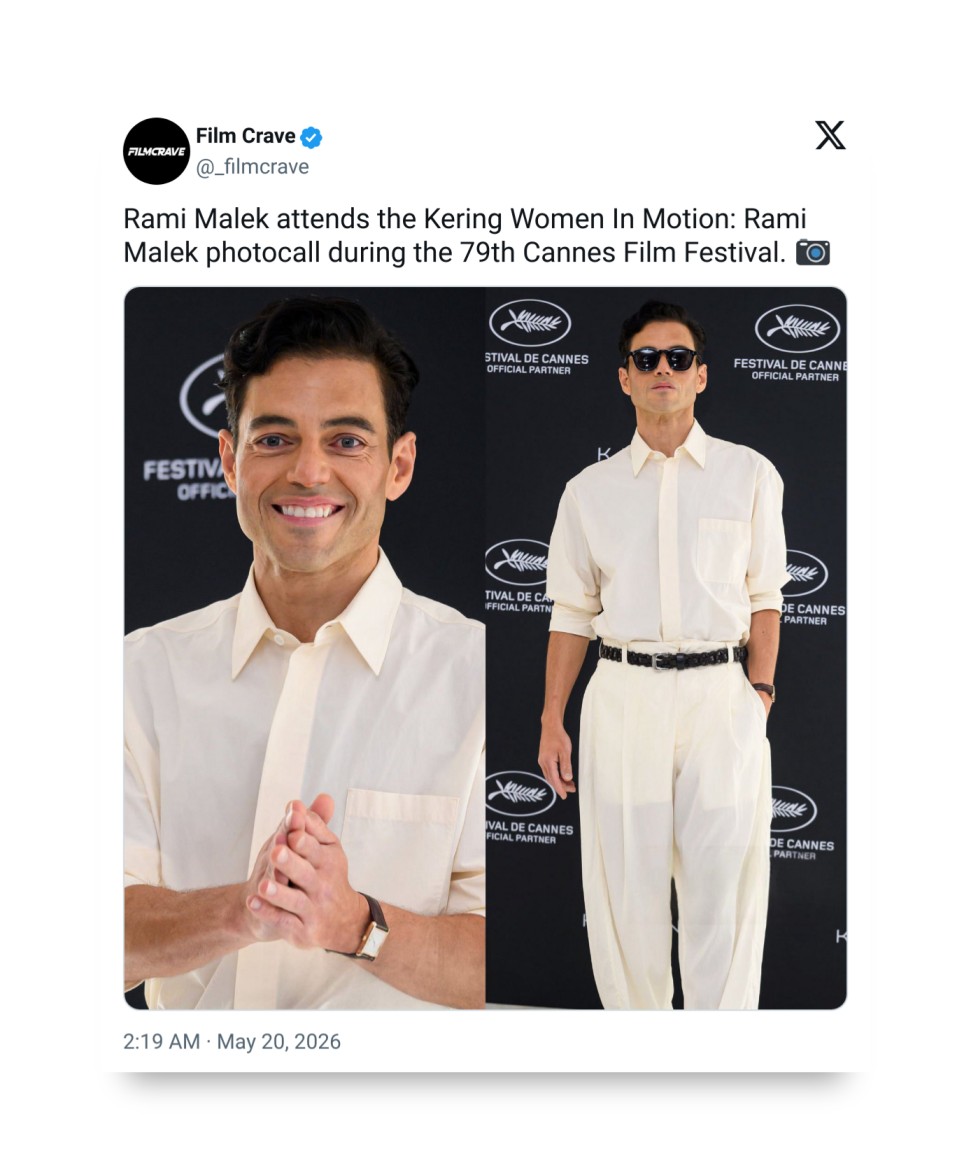
“I knew I was in extraordinary hands,” he said of Sachs. “Not only to depend on him throughout the film, but to elevate it, to push myself, to force myself to race into that fire.”
The movie also stars Tom Sturridge, Luther Ford, Rebecca Hall, and Ebon Moss-Bachrach, meaning the cast alone already looks like the seating chart at an extremely attractive existential crisis.
And really, that’s the energy of The Man I Love: beautiful people confronting mortality, art, fear, love, and longing under the glow of downtown New York nightlife. Catastrophic for emotional stability. Perfect for cinema.
Source: Variety