


For LGBTQ+ people in South Carolina, getting dinner, booking a venue, or simply going about your day can come with an annoying question: Does this business actually have to serve me? The answer is more complicated than it should be.
RELATED: Log Cabin Republicans Remove the “T” and Return to an LGB-Only Agenda
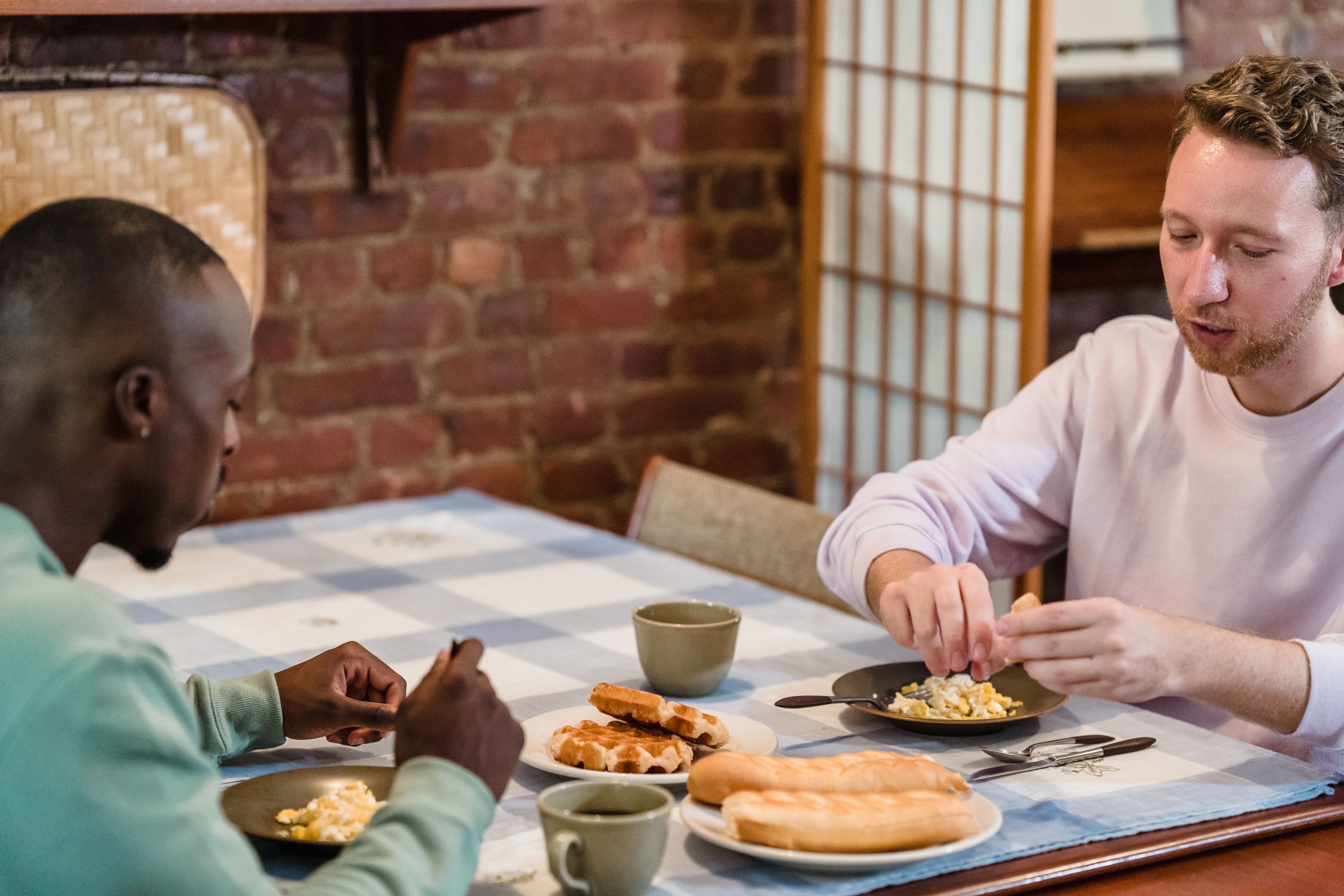
The South has long had a complicated relationship with LGBTQ+ rights, and South Carolina is among the states where statewide protections based on sexual orientation are notably limited. While federal laws provide important protections in employment and housing, those protections don’t necessarily mean a business has to welcome everyone through its doors. And yes, that distinction matters.
So, can a South Carolina business refuse to serve a gay customer?
Under South Carolina state law, there are no statewide protections that explicitly prohibit discrimination based on sexual orientation or gender identity in public accommodations. That means a private business may, in certain circumstances, refuse service to someone because they are gay if no local ordinance applies.
For LGBTQ+ customers, that’s an especially uncomfortable reality. Imagine planning a wedding, booking a venue, or hiring a business for an important event only to discover that the owner believes your relationship conflicts with their religious beliefs.
RELATED: Texas’ Anti-Drag Law Gets Another Judicial Read: “Just Don’t Go.”
The possibility isn’t purely theoretical. Similar disputes over whether businesses can refuse services to same-sex couples have played out elsewhere in the South, including North Carolina, which also lacks comprehensive statewide LGBTQ+ nondiscrimination protections.
South Carolina does have some local protections. Columbia and Charleston, for example, have adopted ordinances addressing certain forms of discrimination within their jurisdictions. But those protections don’t create a blanket statewide rule covering every LGBTQ+ person and every business.
In other words: your ZIP code can matter almost as much as your sexuality.
Federal law does offer some important protections
Here’s where things get a little less bleak. Being in a state without comprehensive LGBTQ+ protections doesn’t mean federal law disappears the second someone crosses the state line.
Under Title VII of the Civil Rights Act of 1964, employers with 15 or more employees generally cannot discriminate against workers based on sexual orientation or gender identity. That protection applies nationwide.

So while South Carolina hasn’t added its own statewide employment protections, LGBTQ+ employees aren’t simply left to fend for themselves.
Housing is another area where federal protections apply. The Fair Housing Act generally prohibits discrimination in housing based on sexual orientation and gender identity. But there’s an important distinction between employment, housing and public accommodations.
A law protecting you from being fired because you’re gay doesn’t automatically mean every restaurant, wedding venue, photographer or other private business is prohibited from refusing your business because you’re gay. That’s the legal wrinkle LGBTQ+ customers need to know.
South Carolina is also seeing more anti-LGBTQ+ legislation
The debate isn’t happening only at the business counter. South Carolina lawmakers have also introduced legislation targeting LGBTQ+ people, particularly transgender residents.
One measure that has already become law is SC Bill 4756, the Student Physical Privacy Act.
The law establishes regulations for multi-occupancy bathrooms and changing rooms at public schools and state universities based on biological sex. As a result, transgender students can face restrictions on which facilities they can use.
Meanwhile, additional anti-LGBTQ+ proposals have been introduced during the 2026 legislative session.
According to the ACLU, hundreds of anti-LGBTQ+ bills are being tracked across the country this year, with measures addressing everything from schools and drag performances to identification documents. South Carolina is part of that larger national fight.
How does South Carolina compare with the rest of the country?
Not particularly well. A nationwide report from SafeHome gave South Carolina an F based on its LGBTQ+ protections and anti-LGBTQ+ hate-crime landscape. The state ranked 46th in the country. That’s not exactly the kind of ranking you put on a tourism brochure.
The ACLU is currently tracking 528 active anti-LGBTQ+ bills across the country for the 2026 legislative session, while South Carolina has seen 26 bills introduced this year that target LGBTQ+ people, according to the information provided.
Those proposals include measures involving forced outing of students, restrictions on drag performances and obstacles involving identification documents.
For LGBTQ+ South Carolinians, the issue isn’t simply about whether a particular business can say no. It’s about what kind of environment those laws and policies create when they pile up.
And some LGBTQ+ Southerners are considering leaving
There is a bigger consequence to all of this: people can vote with their moving boxes. An earlier report from The State found that 32% of LGBTQ+ people living in the South were planning to relocate to a place they considered more LGBTQ+-friendly.
That’s a significant number of people potentially deciding that sunshine, cheaper housing or Southern charm aren’t enough to outweigh concerns about discrimination and LGBTQ+ rights.
Because nobody should have to research nondiscrimination ordinances before deciding where they can comfortably get married, rent a home, work a job or simply exist.
The bottom line for LGBTQ+ people in South Carolina
South Carolina’s legal landscape is complicated, but the basic distinction is worth remembering.
Federal law provides LGBTQ+ protections in employment and housing. South Carolina does not currently have comprehensive statewide protections covering sexual orientation and gender identity in public accommodations. Some cities have local ordinances that offer additional protections within their boundaries.

So can a South Carolina business turn away a customer for being gay? In some circumstances, yes — particularly where no local nondiscrimination ordinance applies.
And that’s precisely why knowing the rules matters. For LGBTQ+ people, equality isn’t terribly useful if you don’t know where it applies.
The Palmetto State may have plenty of charm, but when it comes to LGBTQ+ protections, the map still has some pretty serious fine print.
Source: The State